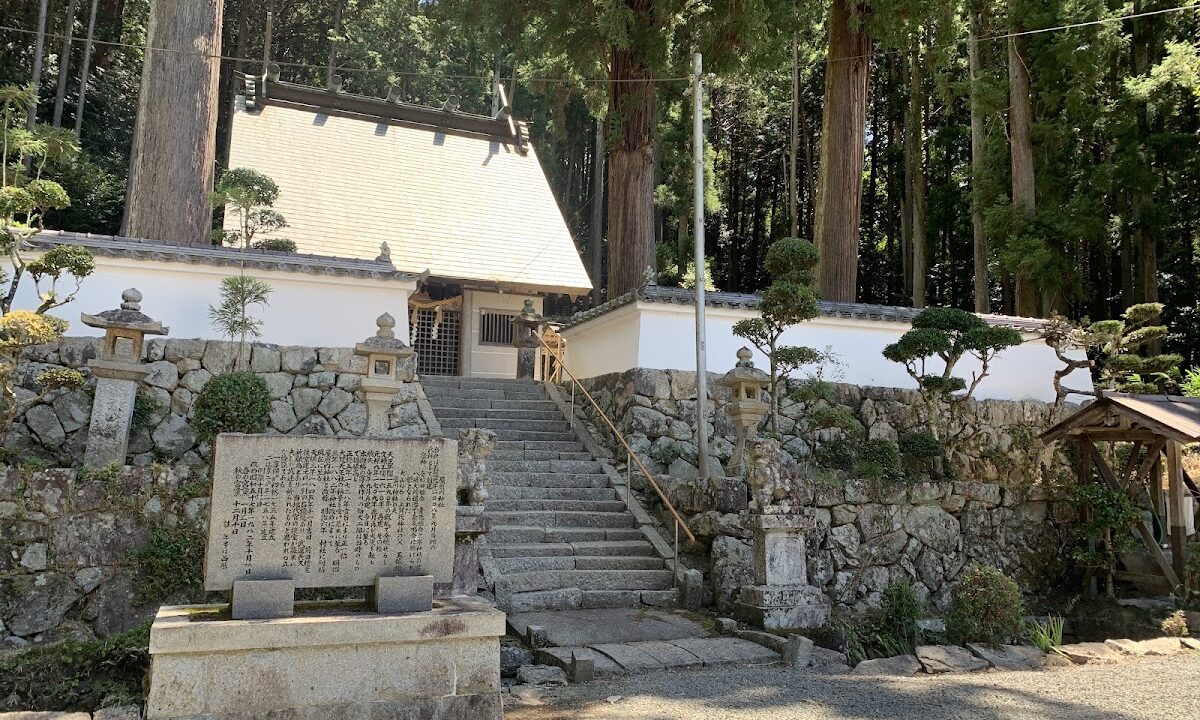
Yamauchi Shrine (Kyoto Prefecture) Complete Guide: A Thorough Explanation of History, Deities, Blessings, and How to Visit
Kyoto Prefecture boasts numerous shrines, but among them, Yamauchi Shrine stands out for its deep-rooted local faith. It’s a shrine that exudes history and tradition within its tranquil atmosphere. This article provides a detailed explanation of everything you need to know before visiting, from the history of Yamauchi Shrine, its enshrined deities, blessings, how to visit, to access information.
What is Yamauchi Shrine?
Yamauchi Shrine is a shrine located in Kyoto Prefecture, and has long been cherished by local people as the guardian deity of the region. Its location, away from the hustle and bustle of urban areas, allows for a peaceful and serene atmosphere during worship.
The name “Yamauchi,” which gives the shrine its name, is an ancient local name. While there are various theories about its origin, all are deeply connected to the region’s history.
Characteristics of the Shrine
Yamanai Shrine, though not large in scale, has played an important role as a center of local faith. Besides the main shrine, the grounds also house subsidiary shrines, making it a valuable cultural asset that tells the story of the region’s history.
History and Origins of Yamanai Shrine
Origin of Founding
While there are no clear records regarding the founding date of Yamanai Shrine, local tradition suggests it was established by powerful families and lords who ruled the area from ancient to medieval times.
Given its location in Kyoto Prefecture, it likely has a long history dating back to the Heian period, and has been passed down through generations as a guardian deity of the region and a place to pray for abundant harvests and family safety.
Historical Background
Kyoto has long been the political and cultural center of Japan, and many shrines and temples were built there. Yamanai Shrine, too, has functioned as a spiritual pillar of the local community within this historical context.
It is believed that the shrine underwent several repairs and reconstructions throughout the Sengoku and Edo periods, and the current shrine building is built upon this accumulated history. Local records and ancient documents contain descriptions of festivals and religious ceremonies, revealing a deep connection with the local residents.
Changes Since the Modern Era
Even amidst changes in Japan’s religious policies, such as the Meiji-era separation of Shinto and Buddhism and the policy of consolidating shrines, Yamauchi Shrine has survived as a place of worship for the community. From the Showa and Heisei eras to the present day of the Reiwa era, it has been carefully preserved by local parishioners and devotees.
Deities and Benefits
Deities
The deities enshrined at Yamauchi Shrine are gods with the characteristics of guardian deities of the region. Like many local shrines, it is possible that Kunitsukami (earthly deities) or ancestral deities involved in the development of the region are enshrined.
For specific information about the enshrined deities, please refer to the shrine’s history or local documents, which may be listed during your visit. Generally, local shrines like this often enshrine the following deities:
- Ōkuninushi-no-Mikoto: God of nation-building, matchmaking, and business prosperity
- Susanoo-no-Mikoto: God of protection against misfortune and disaster
- Amaterasu-Ōmikami: Supreme deity of Japan, god of national peace and security
- Local ancestral deities and pioneering deities: Deities associated with the unique history of the land
Benefits
The benefits you can expect at Yamauchi Shrine are mainly as follows:
Family Safety and Harmony
As the local guardian deity, it is believed to protect the health and peaceful lives of families.
Abundant Harvest and Business Prosperity
As a place to pray for the development of agriculture and commerce, worshippers visit to pray for bountiful harvests and business success.
Protection from Misfortune and Disaster
Many people visit this shrine to pray for protection from disasters and calamities, especially during unlucky years, and for daily safety.
Regional Peace and Tranquility
As a shrine praying for the peace and development of the entire region, local events and festivals are held here.
Highlights of the Shrine Grounds
Main Hall and Worship Hall
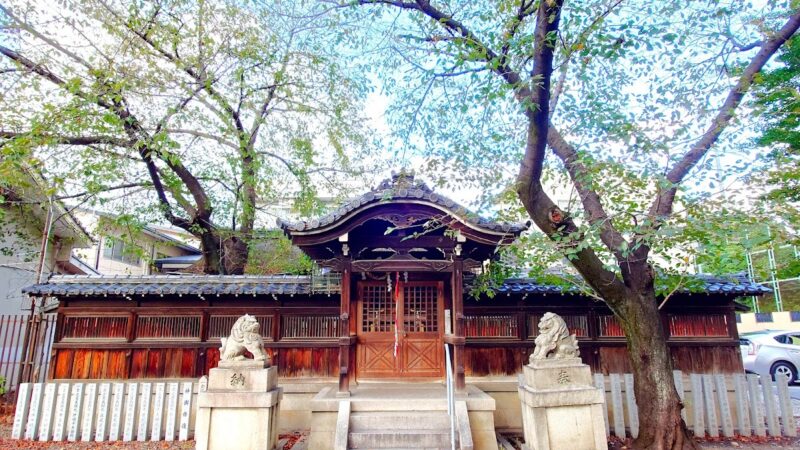
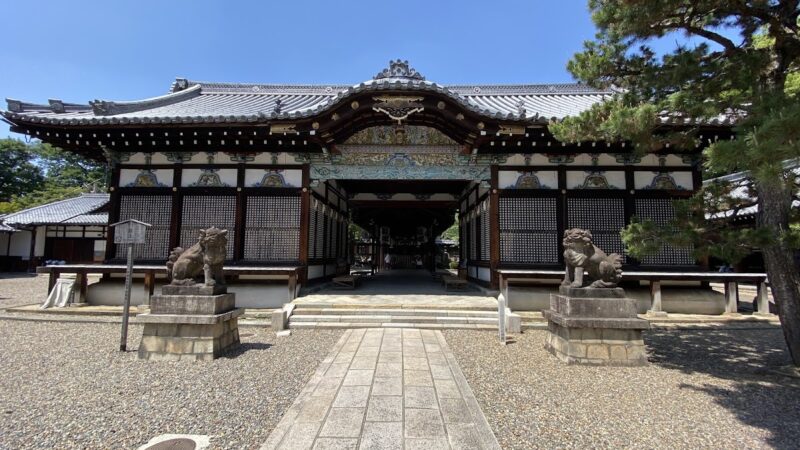
The main hall of Yamauchi Shrine maintains the traditional style of shrine architecture, characterized by its beautiful wooden structure. In the worship hall, worshippers can offer prayers to the deities.
The architectural style and decorations reflect the technology and aesthetic sensibilities of the era, making it a fascinating sight for those interested in architecture.
Subsidiary Shrines and Auxiliary Shrines
In addition to the main hall, there may be subsidiary shrines within the grounds. These small shrines enshrine various deities, such as Inari (the fox deity) and local guardian deities, each offering different blessings.
Sacred Trees and Nature
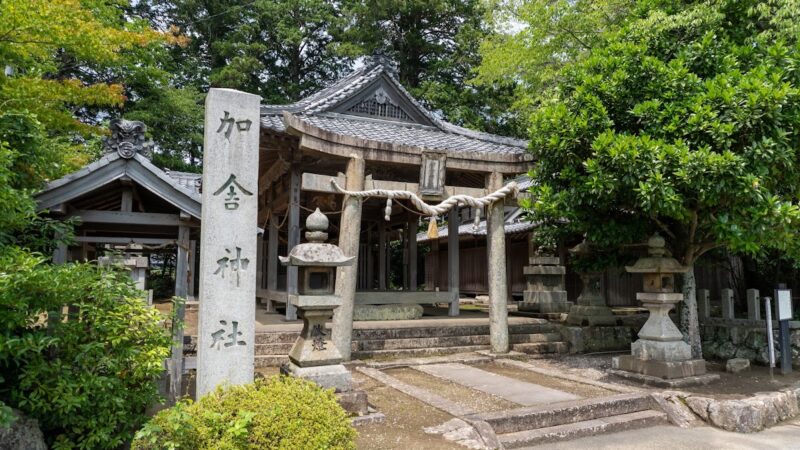
Like many shrines, Yamauchi Shrine may have sacred trees or ancient trees. These trees, hundreds of years old, are witnesses to the shrine’s history, exuding a sacred atmosphere.
The natural environment within the shrine grounds is also a major attraction, displaying different expressions with each season. You can enjoy the beauty of each season: cherry blossoms in spring, fresh greenery in summer, autumn leaves in fall, and tranquil scenery in winter.
Stone Monuments and Memorials
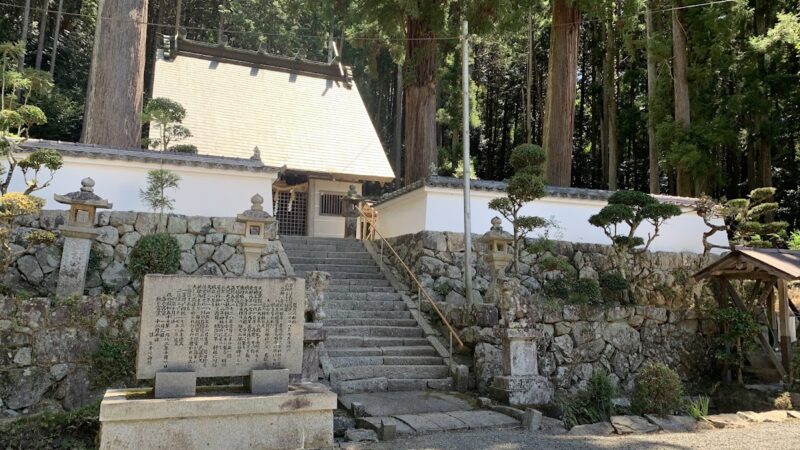
Within the shrine grounds, there are sometimes stone monuments commemorating historical events or the restoration of the shrine. These inscriptions offer insights into the shrine’s history and the changes in the surrounding area.
Annual Events and Festivals
Grand Festival
Yamanuchi Shrine holds its Grand Festival once or several times a year. The Grand Festival is the most important festival for the shrine, where local residents gather to offer gratitude and prayers to the gods.
During festivals, in addition to Shinto rituals, there are also performances of Kagura (sacred dance and music) and other traditional local arts, serving as a venue for the transmission of local culture.
Seasonal Festivals
Hatsumode (January)
Many worshippers visit the shrine to welcome the new year and pray for safety and prosperity throughout the year.
Setsubun Festival (February)
Events such as bean-throwing are held, and prayers are offered for warding off evil and inviting good fortune.
Natsukoshi no Harae (End of June)
This is a Shinto ritual to purify oneself of the impurities accumulated over the past six months and pray for good health for the remaining half of the year. Sometimes, a ritual of passing through a ring of reeds is performed.
Autumn Festival (September-November)
Festivals are held to give thanks for the harvest and celebrate a bountiful harvest.
Monthly Festivals and Daily Rituals
Regular monthly festivals and daily prayers are also held, supporting the religious life of the community. If you wish to request a personal prayer or ritual, it is recommended that you contact the shrine in advance to confirm.
How to Visit and Manners
Basic Worship Etiquette
There are manners and customs to observe when visiting a shrine. Please follow the steps below and pray with sincerity.
1. Bow Before Passing Through the Torii Gate
Before entering the sacred area, bow before the torii gate. Since the center of the path is considered the path of the gods, it is considered desirable to walk along the edge.
2. Purify at the Water Basin
Purify your body and mind at the water basin (temizuya, chozuya).
- Hold the ladle in your right hand and purify your left hand.
- Switch to your left hand and purify your right hand.
- Switch back to your right hand, receive water in your left hand, and rinse your mouth.
- Finally, stand the ladle upright and purify the handle.
3. Worship at the Main Hall
Proceed to the front of the main hall and pray following the steps below.
- Place your offering in the offering box.
- Ring the bell if there is one.
- Bow twice, clap twice, and bow once (two bows, two claps, one bow).
- Bow deeply twice.
- Clap your hands twice at chest height.
- Pray sincerely.
- Finally, bow deeply once.
4. Bow upon leaving
When you finish your visit and leave through the torii gate, turn around and bow once.
Attire for Visiting a Shrine
Unless you are receiving a special prayer, it is acceptable to visit in everyday clothes, but it is desirable to wear attire that is mindful of the sacred nature of the place. Avoid revealing or overly casual clothing.
If you are receiving a formal prayer, a suit or formal attire is appropriate.
Photography Etiquette
Photography is generally permitted on the shrine grounds, but please observe the following points:
- Refrain from taking photographs inside the main hall or in sacred areas.
- Obtain permission before taking photographs during religious ceremonies or festivals.
- Be considerate of other worshippers.
- Do not take photographs in areas where photography is prohibited.
Access Information
Location
For the exact location of Yamauchi Shrine, you will need to check the specific city/town name and address within Kyoto Prefecture. Please check the latest information from the shrine’s official website or local tourist information before visiting.
Access by Public Transportation
Using Trains and Buses
Access to shrines in Kyoto Prefecture is possible using various public transportation options, including JR, private railways, city buses, and town buses. Walking times from the nearest station or bus stop vary depending on the shrine’s location.
Before visiting, we recommend checking the latest access information using the following methods:
- Route search using map apps such as Google Maps
- Kyoto Prefecture and local tourism association websites
- Shrine’s official website and information boards
Access by Car
Parking Information
The availability of dedicated parking varies depending on the size and location of the shrine. Smaller shrines may not have parking, so it’s necessary to check in advance.
If using nearby coin-operated parking, check the walking distance to the shrine. On days when crowds are expected, such as during festivals, using public transportation is recommended.
Visiting Hours
Shrine visiting hours are generally from sunrise to sunset, but the grounds themselves may be open 24 hours. However, the reception hours for the shrine office and gift shop are limited, so if you wish to obtain a goshuin (shrine stamp) or amulet, check the hours in advance.
General shrine office opening hours: 9:00 AM to 5:00 PM (may vary by shrine)
Goshuin (Shrine Seals) and Gifts
About Goshuin
Goshuin are given as proof of visiting a shrine. While Yamauchi Shrine may also offer goshuin, smaller shrines may not have a resident priest.
If you wish to receive a Goshuin (temple/shrine stamp), please note the following:
- Bring your Goshuincho (stamp book) with you (you may be able to purchase one at the shrine).
- Receive the Goshuin after completing your prayers.
- Prepare a donation (around 300-500 yen).
- If a Shinto priest is absent, a pre-written Goshuin may be available.
Amulets and Souvenirs
The shrine offers a variety of amulets and souvenirs:
Common Amulets
- Traffic Safety Amulet
- Protection from Evil Amulet
- Family Safety Amulet
- Academic Success Amulet
- Matchmaking Amulet
- Health Amulet
Other Souvenirs
- Ofuda (for placing on a household altar)
- Hamaya (a lucky charm for New Year’s)
- Ema (votive tablet for writing wishes and offering)
- Omikuji (fortune slips)
Nearby Tourist Attractions
Related Shrines and Temples in Kyoto Prefecture
When visiting Yamauchi Shrine, we recommend visiting the surrounding shrines and temples as well. Kyoto Prefecture boasts numerous historical temples and shrines, each possessing its own unique charm.
Gather information from local tourist maps and information centers to plan an efficient pilgrimage route.
Local Nature and Scenery
Kyoto Prefecture is blessed with a rich natural environment. Many places around shrines offer beautiful scenery throughout the seasons. Especially during the cherry blossom season in spring and the autumn foliage season, many tourists visit.
Local Specialties and Cuisine
Kyoto Prefecture also offers a wealth of culinary delights, from traditional Kyoto cuisine to local specialties. After visiting a shrine, enjoying local specialty dishes and Japanese sweets is highly recommended.
The Charm and Significance of Visiting Yamauchi Shrine
A Faith Rooted in the Community
The greatest charm of Yamauchi Shrine lies in its deep-rooted community faith. Unlike large-scale tourist shrines, it functions as a place of daily prayer for local people, and its simple and warm atmosphere provides peace to visitors.
Dialogue with History
Visiting a shrine is also a dialogue with the history of the land. Standing on the grounds of Yamauchi Shrine, and reflecting on the many people who have offered similar prayers throughout its long history, one can feel the connection between us, living in the present, and those of the past.
Peace of Mind and Purification
For modern people, time to calm the mind in a quiet shrine, away from the hustle and bustle of everyday life, is precious. Shrine visits hold great significance as an opportunity for purification and refreshment of the mind.
Precautions During Visits
Consideration for Environmental Protection
Shrine grounds are sacred places, but also precious natural environments. Please be sure to take your trash with you and cherish nature.
Consideration for Local Residents
Since shrines are often located in residential areas, it is necessary to be considerate of local residents by avoiding noise, illegal parking, etc.
Safety Precautions
The stone steps and paths within the shrine grounds can become slippery during rainy weather or in winter. Please watch your step and visit safely.
Summary
Yamanai Shrine is a historic shrine located in Kyoto Prefecture, and has been carefully preserved as a center of local faith. Though not large in scale, its tranquil atmosphere and deeply rooted community faith leave a profound impression on visitors.
When visiting, please observe proper etiquette and manners, and offer your prayers with sincerity. Deepening your understanding of the shrine’s history and enshrined deities will make your visit a more meaningful experience.
If you have the opportunity to visit Kyoto Prefecture, please be sure to visit Yamanai Shrine and enjoy the local history and culture, as well as a quiet time of dialogue with the gods. Experiencing Japanese traditional culture and spirituality through shrine visits will be a valuable experience that enriches our hearts.