Complete Guide to Sojinja Shrine (Kyoto Prefecture) | History, Deities, Access, and Goshuin Information
Sojinja Shrine, located in Yaga, Yagi-cho, Nantan City, Kyoto Prefecture, is a historically significant shrine known as the presumed site of the main shrine of Tanba Province. It is also noteworthy as a reference site for Shikinaisha (shrines listed in the Engishiki), and is believed to have been a center of faith in the Tanba region from ancient to medieval times. This article provides detailed information you should know before visiting, including the history of Sojinja Shrine, its enshrined deities, highlights of the grounds, access methods, and Goshuin information.
About Sojinja Shrine
Sojinja Shrine is located in Yaga, Yagi-cho, Nantan City, Kyoto Prefecture, and was formerly known as “Sosha Daimyojin” or “Sosha.” As an important shrine in Tanba Province, it has long attracted the faith of the local people.
While the current name is “Sojinja Shrine,” historical records show it has been known by various names, and these changes themselves tell the story of the shrine’s long history. The location of Mune Shrine has been debated among researchers as a possible site for a Shikinaisha (a shrine listed in the Engishiki), and the possibility that it was the main shrine of Tanba Province has also been suggested.
Characteristics of Mune Shrine
The most significant characteristic of Mune Shrine is its historical importance as a presumed site for the main shrine of Tanba Province. A main shrine (Soja) refers to a shrine established near the provincial capital under the Ritsuryo system, where the deities of the main shrines of the province were enshrined together. If Mune Shrine was this main shrine, it would have been one of the religious and political centers of ancient Tanba Province.
History
Founding and Ancient Mune Shrine
The founding date of Mune Shrine is unclear, but it is believed to have existed as an important shrine in the Tanba region since ancient times. Its connection to Shikinaisha listed in the “Engishiki Jinmyocho” (a list of shrines compiled in the Heian period) has been pointed out, suggesting that it was already an established place of worship during the Heian period.
Tanba Province was an important region close to Kyoto in ancient times and had deep ties with the imperial court. The presence of Mune Shrine in this area suggests that it played a central role in Shinto worship in Tanba Province.
Transition from the Medieval to the Early Modern Period
During the medieval period, the Sojinja Shrine survived, receiving the reverence of local samurai and feudal lords. During the turbulent Sengoku period, many shrines and temples suffered damage, and it is believed that the Sojinja Shrine was not immune to its effects.
In the early modern period, it became known as “Sojinja Daimyojin” and became an integral part of people’s lives as the guardian shrine of the region. Records from the Edo period document the role of the Sojinja Shrine in local festivals and annual events.
The Sojinja Shrine in the Modern Era
With the Meiji-era separation of Shinto and Buddhism and the introduction of the modern shrine ranking system, the Sojinja Shrine underwent significant changes. It is believed that the current name, “Sojinja Shrine,” was adopted during this period.
Even as times changed from Showa to Heisei and Reiwa, the Sojinja Shrine has continued to be a center of faith for the local people. Currently, it is attracting increasing numbers of researchers and history enthusiasts who recognize its historical value, making it an important spot for understanding the history of the Tanba region.
Deities Enshrined
There are several theories regarding the principal deity of Sojin Shrine. This suggests that the deity may have changed or been enshrined together throughout the shrine’s long history.
Various Theories Regarding the Principal Deity
According to historical records and local traditions, multiple deities have been enshrined at Sojin Shrine. Considering the possibility that it was the main shrine of Tanba Province, it is highly likely that the deities of major shrines within Tanba Province were enshrined there.
In ancient Tanba Province, there were various types of shrines, including Izumo-style shrines dedicated to Okuninushi-no-Mikoto and Ise-style shrines dedicated to Amaterasu-Omikami. As a main shrine, Sojin Shrine may have been a place where these deities were enshrined together.
Object of Worship
Sojin Shrine has been worshipped as a shrine that fulfills wishes closely related to the lives of the local people, such as abundant harvests, family safety, and protection from evil. It is thought to have played an important role as a place to pray for a bountiful harvest, especially in the agriculturally prosperous Tanba region.
Shrine Grounds
Layout and Atmosphere of the Shrine Grounds
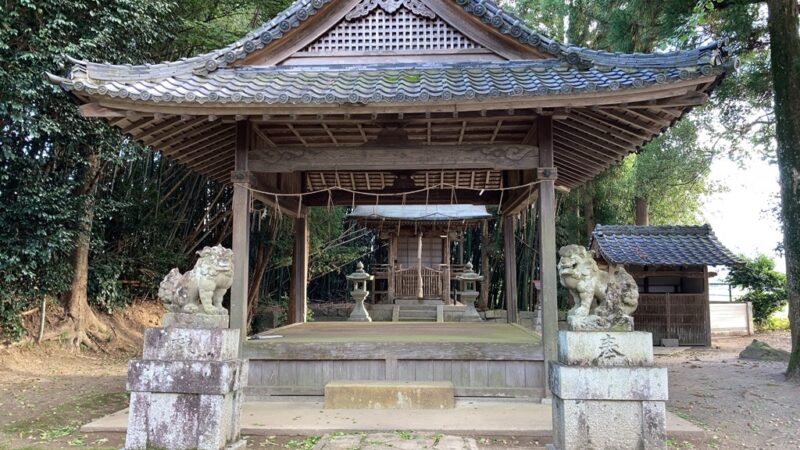
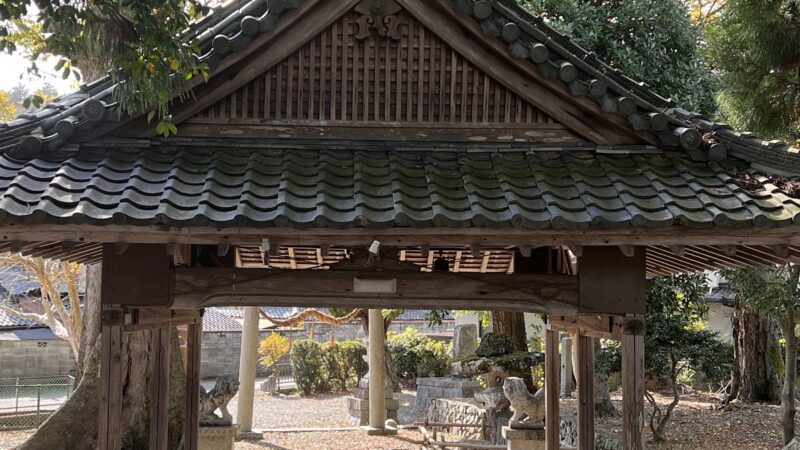
The grounds of Sojinja Shrine are located in a quiet environment in Yagi-cho, Nantan City. Surrounded by greenery, the grounds possess a calm atmosphere that evokes the dignity of an ancient shrine.
As you proceed along the approach, a torii gate welcomes visitors. The main buildings, including the main hall and the worship hall, are arranged within the grounds, creating a solemn atmosphere characteristic of old shrines.
Shrine Buildings
The shrine buildings of Sojinja Shrine are believed to have been rebuilt several times throughout its long history. While the current buildings are relatively new, they are constructed while preserving the traditional style of shrine architecture.
The main hall is the central building of the shrine, where the enshrined deity is worshipped. The worship hall is located in front of the main hall, where worshippers offer their prayers.
Highlights of the Shrine Grounds
Within the grounds, there are remnants that tell the history of the shrine, such as old stone lanterns and stone monuments. These are thought to have been donated between the Edo and Meiji periods, conveying the state of faith at that time.
The trees within the shrine grounds are also a highlight. Hundreds of years old trees stand guard over the grounds, symbolizing the shrine’s long history. The natural beauty of the grounds, which changes with each season, provides tranquility to visitors.
Positioning as a Reference Site for a Shikinaisha
Mune Shrine is positioned as a reference site for a Shikinaisha listed in the Engishiki Jinmyocho (a list of shrines compiled in the Heian period). A Shikinaisha is a shrine listed in the Engishiki Jinmyocho, compiled in the mid-Heian period, and refers to a shrine that was considered important by the imperial court at the time.
History of Identifying a Shikinaisha
Many Shikinaisha are listed in Tanba Province, but the locations of many have become unknown over time. Mune Shrine, due to its location and historical background, has been studied as a candidate site for a specific Shikinaisha.
The identification of a Shikinaisha is made by comprehensively considering various factors, including records in ancient documents, changes in place names, and archaeological discoveries. In the case of Sojinja Shrine, although complete confirmation has not been obtained, it occupies an important position as a reference site.
Importance as a Presumed Site of the Tanba Province’s Grand Shrine
Another important aspect of Sojinja Shrine is that it is a presumed site of the Tanba Province’s Grand Shrine. The Grand Shrine system was an important religious system under the Ritsuryo system and was established near the provincial capital.
Role of the Grand Shrine
The Grand Shrine was a facility that gathered and enshrined the deities of the major shrines of the province, allowing the provincial governor to efficiently perform religious ceremonies. It was believed that by performing rituals at the Grand Shrine, the provincial governor had the same effect as visiting all the shrines in the province.
The location of the Tanba Province’s Grand Shrine was a long-standing mystery, but based on the location and historical background of Sojinja Shrine, it has been suggested that this site may have been the Grand Shrine.
Basis for the Presumed Grand Shrine Location
There are several factors that support the presumed site of the Grand Shrine at Sojinja Shrine. First, the character “宗” in the shrine’s name may mean Grand Shrine. Second, this area is close to the center of ancient Tanba Province. Furthermore, there are records suggesting the possibility that multiple deities were worshipped there.
Access Information
Access by Train
When visiting Sojinja Shrine by train, the nearest station is Yagi Station on the JR San’in Main Line. From Yagi Station to the shrine, you can reach it on foot or by taxi.
From JR Yagi Station
- On foot: Approximately 20-30 minutes
- Taxi: Approximately 5-10 minutes
From Kyoto Station to Yagi Station on the JR San’in Main Line takes about 1 hour. Since the number of trains is limited, it is recommended to check the timetable in advance.
Access by Car
When visiting by car, using the Kyoto Jukan Expressway is convenient.
From Kyoto
- Approximately 10 minutes from the Yagi-Higashi Interchange on the Kyoto Jukan Expressway
- Also accessible via National Route 9
From Osaka
- Approximately 50 minutes from the Kyoto-Minami Interchange on the Meishin Expressway via the Kyoto Jukan Expressway
Regarding parking, due to the size of the shrine, dedicated parking may be limited, so it is recommended to check before visiting.
Address and Map
Address
Yaga, Yagi-cho, Nantan City, Kyoto Prefecture
The area around the shrine is a quiet neighborhood with a mix of residential and agricultural land. When using car navigation or smartphone map apps, searching for “Sojinja Nantan City” will display the accurate location.
Goshuin (Shrine Seal) Information
Regarding the Issuance of Goshuin
Regarding the issuance of Goshuin at Sojinja Shrine, the procedure may vary depending on the size of the shrine and whether there are resident priests. Smaller shrines may not always offer Goshuin, so it is recommended to check in advance if you wish to receive one.
Manners for Receiving a Goshuin (Shrine/Temple Stamp)
A Goshuin is not merely a commemorative stamp, but a token of your visit. Please observe the following manners when receiving one.
- Complete your prayers first: It is customary to receive a Goshuin after praying.
- Prepare a Goshuincho (Shrine/Temple Stamp Book): Use a dedicated Goshuincho.
- Prepare the offering: Generally, around 300-500 yen (please have the exact amount).
- Use polite language: Request politely, saying, “May I have a Goshuin?”
- Express gratitude: When receiving the Goshuin, accept it with both hands and express your thanks.
Points for Worship
Etiquette for Worship
Please observe the basic etiquette for visiting a shrine and pray with sincerity.
Before Passing Through the Torii Gate
- Bow before entering the shrine grounds.
- Walk along the edge of the path, as the center is considered the path of the gods.
Purification at the Water Basin
- Hold the ladle in your right hand and purify your left hand.
- Switch the ladle to your left hand and purify your right hand.
- Switch the ladle back to your right hand, receive water in your left hand, and rinse your mouth.
- Purify your left hand once more.
- Hold the ladle upright, purify the handle, and return it to its original position.
Worship at the Main Hall
- Gently place your offering in the offering box.
- If there is a bell, ring it.
- Perform two bows, two claps, and one bow (two deep bows, two claps, one deep bow).
Suitable Time to Visit
While Sojinja Shrine is open for worship throughout the year, each season offers its own unique charm.
Spring (March-May)
- Enjoy a refreshing atmosphere with beautiful fresh greenery during the spring.
- You may be able to see cherry blossoms in the shrine grounds during cherry blossom season.
Summer (June-August)
- The lush green grounds offer a cool and refreshing atmosphere.
- There may be events such as summer festivals.
Autumn (September-November)
- Enjoy the beautiful scenery as the shrine grounds are colored with autumn leaves.
- Traditional events such as autumn festivals may be held.
Winter (December-February)
- Enjoy a solemn atmosphere in the tranquil shrine grounds.
- The shrine is bustling with local worshippers during the New Year’s visit period.
Nearby Attractions
Historical Spots in Yagi-cho, Nantan City
When visiting Sojinja Shrine, exploring the surrounding historical spots will allow you to gain a deeper understanding of the history of the Tanba region.
Yagi Castle Ruins
A representative historical site of Yagi-cho, Nantan City. This is the site of a mountain castle from the Sengoku period, an important place for understanding the history of the Tanba region.
Tanba Kokubunji Temple Ruins
The site of the central temple of ancient Tanba Province. It offers a glimpse into the state of Tanba Province under the Ritsuryo system.
Nature and Tourism in Nantan City
Nantan City is blessed with abundant nature, offering beautiful scenery throughout the seasons.
Miyama Thatched-Roof Village
A village of thatched roofs that preserves the original landscape of Japan. It has been designated as an Important Preservation District for Groups of Traditional Buildings.
Rurikei Gorge
A natural spot where you can enjoy the beauty of the gorge. It is also a popular hiking course.
Difference between Mune Shrine and Munakata Shrine
When searching for “Mune Shrine,” the search results may include “Munakata Shrine” located within the Kyoto Imperial Palace grounds. These two shrines are completely different, so it is important not to confuse them.
Sojinja Shrine
- Location: Yagi-cho, Nantan City, Kyoto Prefecture
- Pronunciation: Sojinja
- Characteristics: Reference site for a Shikinaisha shrine, estimated site of the main shrine of Tanba Province
- Former Name: Sosha Daimyojin, Sosha
Munakata Shrine
- Location: Kamigyo-ku, Kyoto City, Kyoto Prefecture (within Kyoto Gyoen National Garden)
- Pronunciation: Munakatajinja
- Characteristics: Guardian shrine of the Imperial Palace, enshrines the three Munakata goddesses
- Founding: Enryaku 14 (795), invited by Fujiwara Fuyutsugu
These two shrines are easily confused due to their similar names, but they are completely different in location and history. Please be very careful when visiting or researching them.
Frequently Asked Questions
Q: Are there specific visiting hours for Sojinja Shrine? **
A: As with most shrines, entry to the grounds is generally possible during the daytime, however, the operating hours of the shrine office may be limited. If you wish to receive a Goshuin (shrine stamp) or prayers, it is recommended to check in advance.
Q: Does Sojinja Shrine have parking?
A: Due to the size of the shrine, dedicated parking may be limited. If you are visiting by car, please check in advance or consider using nearby public parking.
Q: Can I have a wedding ceremony or prayers at Sojinja Shrine?
A: Whether or not prayers and wedding ceremonies are held at a shrine depends on the size of the shrine and the presence of priests. If you wish to have these services, it is recommended to inquire directly with the shrine.
Q: Are Sojinja Shrine and Munakatajinja Shrine the same shrine?
A: No, they are completely separate shrines. Sojinja Shrine is located in Yagi-cho, Nantan City, while Munakatajinja Shrine is located within the Kyoto Imperial Palace grounds. Please note that these are different shrines with different pronunciations and locations, so please do not confuse them.
Q: What does “Reference Site for a Shikinaisha Shrine” mean?
A: It means one of the candidate sites for a Shikinaisha shrine listed in the Engishiki Jinmyocho (a list of shrines compiled in the Heian period). While not completely confirmed, it refers to a shrine that, based on historical and geographical evidence, is considered a possible Shikinaisha shrine.
Summary
The Sojinja Shrine, located in Nantan City, Kyoto Prefecture, is an important shrine for understanding the religious history of the Tanba region from ancient to medieval times, as it is a reference site for a Shikinaisha shrine and a presumed site for the main shrine of Tanba Province. Although it is now a small shrine nestled in a quiet environment, its historical value is immeasurable.
Unlike famous shrines in Kyoto City, it is not often crowded with tourists, but that is precisely why it is a precious place to quietly reflect on history while visiting. For those interested in the history of the Tanba region, those visiting Shikinaisha shrines, and those seeking peace of mind in a quiet shrine, Sojinja Shrine is a shrine worth visiting.
When you visit Nantan City, be sure to stop by Sojinja Shrine and experience the history of ancient Tanba Province. Surrounded by abundant nature, you can spend a peaceful time feeling the passage of time in the shrine grounds.