Takeo Shrine (Kyoto Prefecture) Complete Guide: History, Deities, Access, and Benefits Explained in Detail
Kyoto Prefecture is home to numerous shrines, but Takeo Shrine stands out with its unique history and charm. This article provides a thorough explanation of Takeo Shrine, from detailed information to points of worship and surrounding attractions.
What is Takeo Shrine? Basic Information
Takeo Shrine is a shrine located in Kyoto Prefecture, a historical shrine that has long been cherished by the local people. Amidst the many shrines in Kyoto, Takeo Shrine has cultivated its own unique devotion.
Overview of Takeo Shrine
Takeo Shrine has been a central place of faith for local residents, embodying Kyoto’s shrine culture. The shrine’s name is sometimes read as “Takeo” or “Takebi,” and there are various theories regarding its origin.
Within Kyoto Prefecture, there are several shrines with similar names, such as Takio Shrine in Higashiyama Ward and Takenobu Inari Shrine in Nakagyo Ward, each with its own unique history and beliefs.
History and Origins of Takeo Shrine
Background of Founding
While there are no clear records regarding the founding date of Takeo Shrine, considering that many shrines in Kyoto were founded between the Heian and Kamakura periods, it is highly likely that Takeo Shrine also originated during that time.
Since the relocation of the capital to Heian-kyo, Kyoto has developed as the political and cultural center of Japan. In this process, many shrines were built to attract the faith of nobles, samurai, and commoners. Takeo Shrine, too, has been revered as a guardian deity of the region within this historical context.
Historical Changes
Many shrines in Kyoto were forced to relocate or rebuild due to the Onin War (1467-1477) and the wars of the Sengoku period. For example, Takio Shrine in Higashiyama Ward is mentioned in the *Genpei Seisui Ki* (The Rise and Fall of the Minamoto and Taira Clans) under its former name, “Taketori no Yashiro” (Taketori Shrine). It has a history of moving locations, starting around Gojo on Higashioji Street, and then relocating during the Onin War and other conflicts, before finally settling in its current location due to Toyotomi Hideyoshi’s construction of the Great Buddha Hall.
Takeo Shrine, too, is believed to have weathered the storms of Kyoto’s history, preserving its faith to this day.
Developments Since the Modern Era
With the Meiji-era separation of Shinto and Buddhism, many shrines were reorganized. During this period, a shrine ranking system was introduced, classifying shrines in Kyoto Prefecture into categories such as Kanpei-sha (government-supported shrines), Kokuhei-sha (national shrines), Fusha (prefectural shrines), Gosha (village shrines), and Murasha (village shrines). Takeo Shrine, as a local shrine, has continued to attract the faith of local people since the modern era.
Deities and Benefits
Main Deity
The deities enshrined at Takeo Shrine are based on the shrine’s history and traditions. In Kyoto shrines, it is common to enshrine deities as guardian deities of the region, tutelary deities, or deities possessing specific divine virtues. In Kyoto Prefecture, among shrines with similar names, for example, Takenobu Inari Shrine enshrines Ukanomitama-no-Okami and is central to Inari worship. Takio Shrine enshrines Okuninushi-no-Mikoto and others, and is believed to bring blessings for business prosperity and matchmaking.
Blessings and Divine Virtues
The blessings that can be prayed for at Takeo Shrine vary depending on the divine virtues of the enshrined deity, but generally, the following blessings are believed to be associated with local shrines in Kyoto:
Family Safety and Regional Protection
As a guardian deity of the region, it protects the safety and prosperity of the families of parishioners and worshippers.
Business Prosperity
Kyoto has flourished as a commercial city since ancient times, so many shrines offer prayers for business prosperity.
Protection from Misfortune and Good Fortune
Prayers for protection from misfortune at important life events and for improved luck are also common.
Matchmaking and Finding a Good Partner
Many shrines in Kyoto attract worshippers seeking good relationships.
Highlights of the Shrine Grounds
Main Hall and Worship Hall
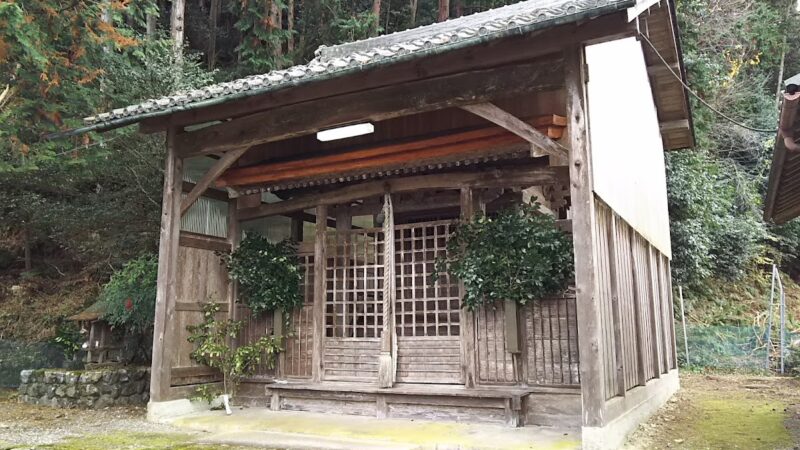
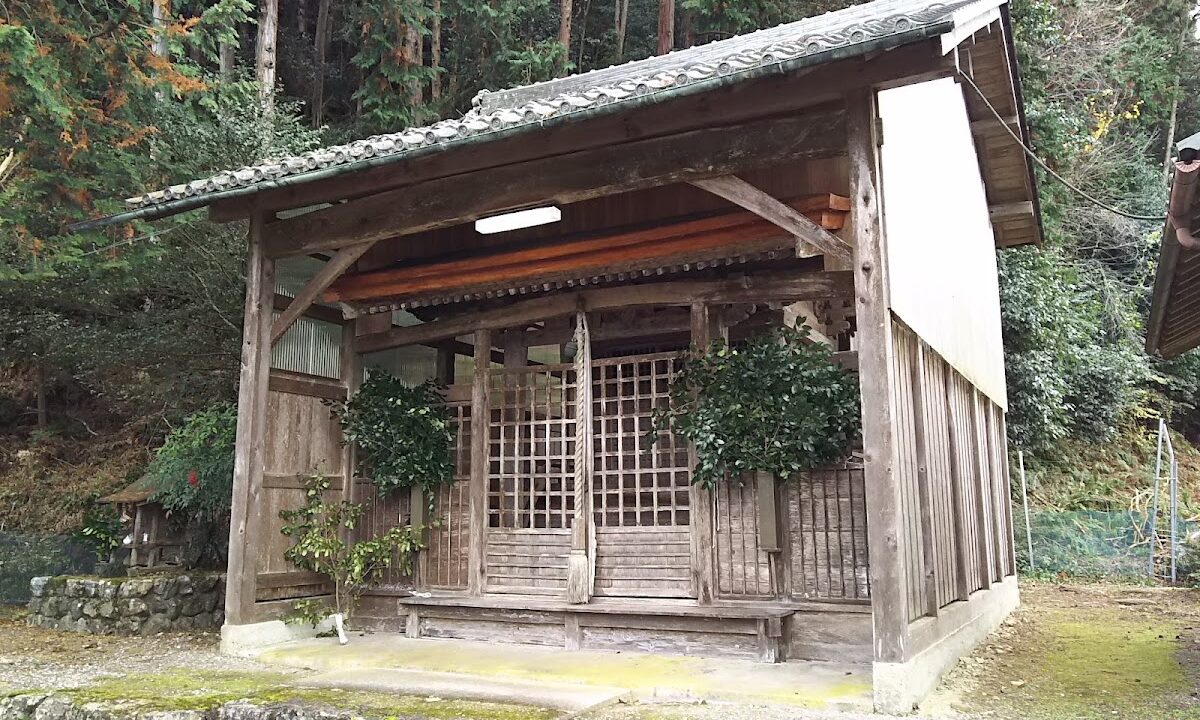
The main hall, the heart of the shrine, is the most sacred place where the enshrined deity resides. Kyoto shrine architecture maintains traditional styles while reflecting the unique characteristics of each shrine.
The worship hall is where worshippers offer their prayers, bowing towards the main hall from here. Many Kyoto shrines feature carvings of dragons and phoenixes on the ceiling of the worship hall. For example, the worship hall ceiling of Takio Shrine boasts a magnificent dragon carving, so impressive that a legend says it “goes to drink water every night.”
Torii Gate and Approach
The torii gate, the entrance to the shrine, serves as a boundary separating the sacred realm from the secular world. Various forms of torii gates can be seen at Kyoto shrines, including vermilion-painted and stone torii gates.
Walking along the approach to a shrine is a precious time to purify your heart and prepare to approach the gods. The approaches to Kyoto shrines harmonize with the surrounding nature and townscape, allowing you to enjoy the beauty of each season.
Subsidiary Shrines and Auxiliary Shrines
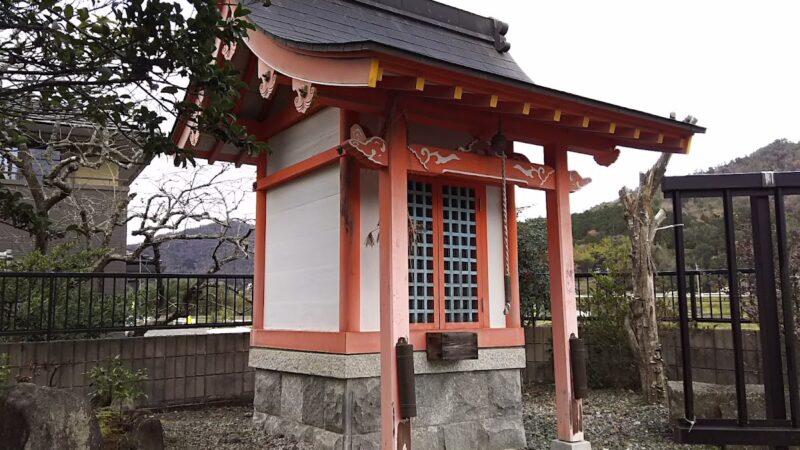
Many shrines have subsidiary shrines and auxiliary shrines dedicated to gods other than the main deity. These are worshipped by those seeking specific blessings, and it is believed that visiting them along with the main shrine will allow you to receive even greater divine blessings.
Water Basin
The water basin, where you purify your mind and body before worship, is an important part of shrine worship. By purifying your hands and mouth with the correct etiquette, you can face the gods with a pure heart.
Access Information
Address and Location
When planning a visit to Takeo Shrine, it is important to confirm the exact address and location beforehand. There are many shrines in Kyoto Prefecture, and some have similar names, so caution is necessary.
Access by Public Transportation
Access by Train
Public transportation such as JR, Keihan Railway, Hankyu Railway, and subways are convenient for visiting shrines in Kyoto City. For example:
- Takio Shrine is approximately a 5-minute walk from JR Tofukuji Station or Keihan Railway Tofukuji Station.
- Takenobu Inari Shrine is approximately a 5-minute walk from Hankyu Kyoto Main Line Omiya Station.
Checking the walking time and route from the nearest station in advance will allow for a smoother visit.
Access by Bus
Kyoto City buses operate throughout the city, making access to shrines convenient. Many shrines are within walking distance of bus stops, allowing you to combine a visit with sightseeing.
Access by Car
Parking Information
Parking is often limited at shrines in Kyoto City, so using public transportation is recommended. If visiting by car, it is recommended to check the availability of parking and nearby coin parking lots in advance.
Tips for Setting Your Car Navigation System
Entering the official name and address of the shrine accurately will ensure you arrive at your destination safely.
Manners and Etiquette for Visiting a Shrine
Basic Etiquette for Visiting a Shrine
There are traditional customs for visiting a shrine. Following the correct etiquette allows you to approach the deities with greater sincerity.
How to Pass Through a Torii Gate
When passing through a torii gate, bow before entering. Since the center of the path is considered the path of the gods, it is polite to walk along the side.
Procedure for Washing Hands
- Take the ladle with your right hand and wash your left hand.
- Switch the ladle to your left hand and wash your right hand.
- Switch the ladle back to your right hand, receive water in your left hand, and rinse your mouth.
- Wash your left hand again.
- Stand the ladle upright, wash the handle, and return it to its original position.
Procedure for Bowing
The general “two bows, two claps, one bow” procedure:
- Place your offering in the offering box.
- Ring the bell if there is one.
- Bow deeply twice.
- Clap your hands twice at chest height.
- Offer your prayer.
- Bow deeply once.
Attire for Visiting a Shrine
There are no specific dress code requirements, but it is desirable to wear clothing that reflects the sacred nature of the place. Avoid revealing or overly flashy clothing, and aim for clean and presentable attire.
Photography Etiquette
Photography is generally permitted on shrine grounds, but it may be prohibited inside the main hall or in certain areas. Please follow the signs and be considerate of other visitors.
Annual Events and Festivals
Major Festivals
Kyoto shrines hold various festivals throughout the year.
Annual Festival
This is the most important festival at a shrine, held on the day to honor the enshrined deity.
Monthly Festival
These are festivals held on fixed days each month and are the daily rituals of the shrine.
Seasonal Events
Hatsumode (January)
This is the most important event to welcome the new year and pray for safety and peace throughout the year. Kyoto shrines are bustling with Hatsumode visitors.
Setsubun Festival (February)
This is a festival to ward off evil and invite good fortune, including bean-throwing.
Summer Purification Ceremony (June)
This is a Shinto ritual to purify oneself of the impurities accumulated over the past six months and pray for good health and protection from illness for the remaining half of the year.
Autumn Grand Festival (Autumn)
This is a festival to give thanks for the harvest and to offer offerings to the gods.
Goshuin Information
What is a Goshuin?
A Goshuin is a seal and calligraphy given as proof of visiting a shrine. In recent years, collecting Goshuin has become popular, and many visitors bring their Goshuin notebooks when visiting shrines.
How to Receive a Goshuin (Shrine/Temple Stamp)
- First, complete your prayers.
- Request a Goshuin at the shrine office or reception area.
- Hand over your Goshuincho (stamp book) (specify the page you want to open).
- Pay the offering fee (usually 300-500 yen).
- Receive your Goshuin.
About Goshuincho (Stamp Books)
It is generally considered good manners to keep shrine and temple stamps in separate Goshuincho. Many shrines in Kyoto offer their own original Goshuincho, which are recommended as souvenirs.
Nearby Tourist Attractions
Major Shrines in Kyoto City
When visiting Takeo Shrine, visiting other nearby shrines will make your Kyoto sightseeing even more fulfilling.
Fushimi Inari Taisha
The head shrine of approximately 30,000 Inari shrines nationwide, famous for its thousands of torii gates. It offers blessings for business prosperity and abundant harvests.
Kifune Shrine
A shrine dedicated to the god of water, popular as a power spot for matchmaking. Located in the northern part of Kyoto, slightly away from the city center.
Yasaka Shrine
One of Kyoto’s representative shrines, known for the Gion Festival. Offers various blessings including protection from evil, matchmaking, and business prosperity.
Attractions around Higashiyama Ward
Higashiyama Ward is home to many historical buildings and temples.
Kiyomizu-dera Temple
A representative temple of Kyoto, offering panoramic views of Kyoto city from its Kiyomizu Stage.
Kodai-ji Temple
Founded by Kita-no-Mandokoro, the wife of Toyotomi Hideyoshi, it is famous for its beautiful garden.
Kennin-ji Temple
Kyoto’s oldest Zen temple, housing cultural treasures such as a replica of the Fujin Raijin-zu Byobu (Wind God and Thunder God Folding Screen).
Attractions around Nakagyo Ward
Nijo Castle
A castle built by Tokugawa Ieyasu, registered as a World Heritage Site. The magnificent screen paintings and gardens are a highlight.
Nishiki Market
This shopping street, known as “Kyoto’s Kitchen,” offers a glimpse into Kyoto’s food culture.
Tips for Visiting Kyoto Shrines
Efficient Visiting Routes
Since there are numerous shrines in Kyoto City, it’s efficient to visit them in groups by area.
Higashiyama Area
You can visit Kiyomizu-dera Temple, Yasaka Shrine, Takio Shrine, and others on foot.
Rakuchu Area
This route covers shrines in the city center and north, such as Shimogamo Shrine and Kamigamo Shrine.
Arashiyama Area
This area features shrines in the naturally rich western part of Kyoto, such as Matsuo Taisha Shrine and Nonomiya Shrine.
Seasonal Highlights
Spring (March-May)
The cherry blossom season beautifully adorns the shrine grounds. Many spring festivals are also held during this time.
Summer (June-August)
Beautiful with fresh greenery, and events such as the Natsukoshi no Oharae (summer purification ceremony) take place. The Gion Festival, one of Kyoto’s three major festivals, is also held in July.
Autumn (September-November)
The autumn foliage season is here, making Kyoto its most beautiful time. Many autumn festivals are also held.
Winter (December-February)
Events mainly revolve around the New Year, such as Hatsumode (first shrine visit of the year) and Setsubun Festival. There are relatively few tourists, allowing for peaceful worship.
Accommodation Information
When sightseeing in Kyoto, choosing accommodation appropriate to the area will allow for more efficient sightseeing.
Around Kyoto Station
Convenient transportation and easy access to various parts of Kyoto. A wide variety of hotels are available.
Gion/Higashiyama Area
An area where you can enjoy the traditional Kyoto atmosphere, with a range of accommodations from luxury ryokans to affordable hotels.
Arashiyama Area
Enjoy a resort-like atmosphere in a quiet environment surrounded by nature. ## The Charm of Takeo Shrine and its Value as a Power Spot
Charm as a Hidden Gem
Kyoto boasts numerous famous tourist temples and shrines, but smaller, locally rooted shrines also possess a unique charm. Local shrines like Takeo Shrine are less crowded with tourists, making them hidden gems for quiet worship.
Aspects as a Power Spot
Kyoto’s shrines are attracting attention as “power spots,” overflowing with the energy of the earth and nature, offering healing and vitality. Shrines are considered sacred places where mind and body are purified, and it’s believed that simply visiting brings good fortune.
Kyoto, in particular, has long been a center of Japanese spiritual culture, attracting the prayers and faith of many people. Shrines situated in this land are believed to possess spiritual power cultivated over a long history.
Connections to the Community
Takeo Shrine, as the local guardian shrine, is deeply intertwined with the lives of the local people. It also plays a role in strengthening community bonds through local festivals and events. Visiting these community-based shrines allows for a deeper understanding of the lives and beliefs of the people of Kyoto.
Understanding Kyoto’s Shrine Culture
Differences Between Shrines and Temples
Kyoto has both shrines and temples, but they are distinct religious institutions.
Shrine
A Shinto institution, dedicated to the ancient gods of Japan. It has a torii gate and is staffed by Shinto priests.
Temple
A Buddhist institution, dedicated to Buddha. It has a sanmon gate and is staffed by Buddhist monks.
Characteristics of Kyoto’s Shrines
Kyoto’s shrines have a history of over 1200 years since the relocation of the capital to Heian-kyo, making them central to Japanese shrine culture.
Historical Value
Many shrines have a long history dating back to the Heian period and house important cultural properties and national treasures.
Architectural Beauty
While preserving traditional shrine architectural styles, they reflect Kyoto’s unique aesthetic sensibilities.
Festival Culture
Besides Kyoto’s three major festivals—the Aoi Festival, Gion Festival, and Jidai Festival—each shrine has its own unique festival traditions.
Guardian Deity and Local Deity Faith
Guardian Deity
A deity who protects a specific region, worshipped by the people living in that region (parishioners).
Local Deity
A deity who protects the land where one is born, considered a lifelong guardian deity.
Takeo Shrine is also deeply revered as a local guardian deity by its parishioners.
Mindset for Worship
Significance of Shrine Visits
Shrine visits are not merely for sightseeing or making requests. They are also an opportunity to express gratitude to the gods and reflect on oneself.
A Heart of Gratitude
Be grateful for daily peace and health, and convey that feeling to the gods.
A Humble Attitude
Be humble in the presence of the gods and reflect on one’s own shortcomings.
A Positive Resolve
I renew my resolve to live a better life.
How to Make a Wish
When making a wish at a shrine, it’s important to pray not with selfish desires, but with a determination to strive for it.
- Mentally state your name and address.
- Express your gratitude for everyday blessings.
- Pray for your specific wish.
- Vow to strive for its realization.
Summary: How to Enjoy Visiting Takeo Shrine
Takeo Shrine, a historical shrine located in Kyoto Prefecture, has long been a place of worship for the local people. While Kyoto boasts many famous shrines, local shrines also possess their own unique charm and value.
When visiting, be sure to observe proper etiquette and manners, and cherish your gratitude to the gods. Combining your visit with nearby tourist spots and other shrines will make for a more fulfilling Kyoto sightseeing experience.
Visiting Kyoto’s shrines is a valuable opportunity to experience traditional Japanese culture and spirituality. Discover the profound charm of Kyoto through your visit to Takeo Shrine.
The Kinki region, especially Kyoto, is an area where shrine culture remains strong. By using public transportation and exploring on foot, you can experience the cityscape and the way of life of its people. With plenty of accommodation options available, we recommend taking your time to enjoy a leisurely shrine tour.
We hope your visit to Takeo Shrine will be a memorable experience.