Complete Guide to Inari Shrines: A Thorough Explanation of History, Deities, Worship Methods, and Famous Shrines Nationwide
Inari shrines are said to number around 30,000 throughout Japan, making them the most familiar type of shrine to Japanese people. Known for their diverse divine blessings, including business prosperity, abundant harvests, and family safety, this guide provides a detailed explanation of “O-Inari-san,” from its history and worship methods to famous Inari shrines across the country.
What is an Inari Shrine?
An Inari shrine is a general term for shrines that enshrine Inari Okami as their main deity. The head shrine is Fushimi Inari Taisha in Kyoto, which has attracted the faith of people for over 1300 years since its founding in 711 AD.
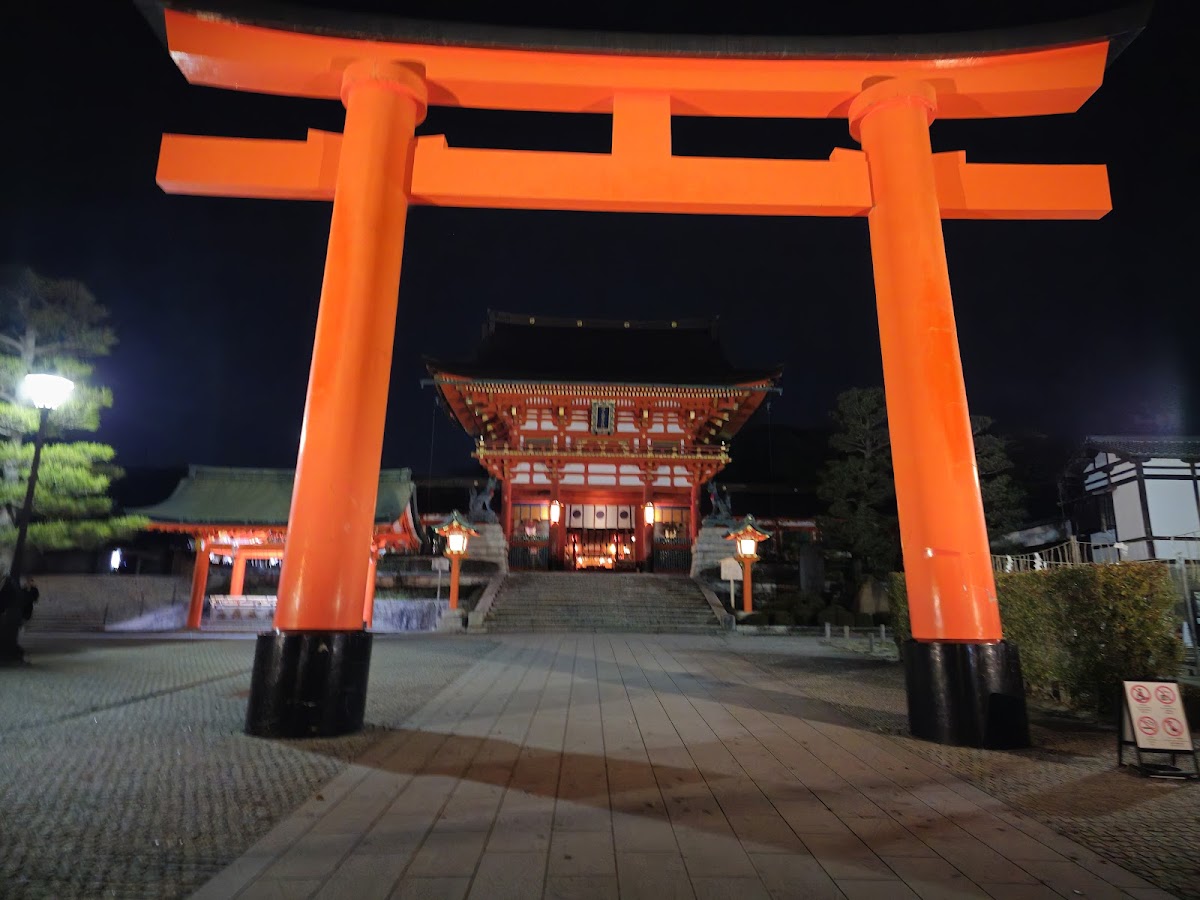
The most distinctive features of an Inari shrine are its vermilion torii gates and fox statues. Foxes are considered messengers of Inari Okami, and stone statues of foxes are almost always found within the shrine grounds. These foxes hold various objects in their mouths, such as keys, jewels, or rice stalks, each with its own meaning. Inari shrines, spread throughout Japan, are revered by people of all ages and genders, and are located in all regions, from urban to rural areas.
History and Origins of Inari Worship
Ancient Origins
The origins of Inari worship date back to the Nara period. It is believed to have begun on the first day of the Horse in February, 711 (Wado 4), when Inari Okami was enshrined on Mount Inari (Fushimi) in Kyoto. Initially, Inari was worshipped as a god of agriculture, especially rice cultivation.
There are several theories about the origin of the name “Inari,” but the most plausible is that it comes from the meaning of “rice growing.” In ancient Japan, an agricultural nation centered on rice cultivation, the belief in praying for a bountiful harvest was directly linked to people’s lives.
Development in the Middle Ages
From the Kamakura period to the Muromachi period, Inari worship developed significantly. During this period, local powerful families and samurai began establishing Inari shrines in their territories to pray for prosperity. Many Inari shrines, such as Takayama Inari Shrine, were founded by powerful families like the Ando clan.
Prosperity in the Edo Period
In the Edo period, Inari worship spread even further. In 1734 (Kyoho 19), new Inari shrines were established in various locations, such as Chayamachi Inari Shrine, which received a divided spirit from Fushimi Inari Taisha.
Furthermore, legends related to the Ako Incident remain. At Takayama Inari Shrine, there is an anecdote that when the Ako Domain was abolished in 1701 (Genroku 14), a samurai named Terasaka Sangoro carried the sacred object of Inari Okami, which had been enshrined in Ako Castle, to Tsugaru.
With the development of commerce, Inari-sama became widely worshipped as a god of business prosperity, and was especially revered among merchants and craftsmen.
Developments in the Modern Era
Even after the Meiji era, Inari worship did not decline; rather, it continued to spread throughout Japan. In 1884 (Meiji 17), Fushimi Inari Shrine was founded in Sapporo, and along with the development of Hokkaido, Inari worship spread northward.
Even today, Inari shrines are enshrined in companies, shopping districts, and on the grounds of private homes, and are passed down as a faith deeply rooted in the lives of Japanese people.
Deities and Divine Virtues
What is Inari Okami?
The deity enshrined at Inari shrines is Inari Okami. At Fushimi Inari Taisha, Ukanomitama Okami is the main deity, and Sadahiko Okami, Omiyanome Okami, Tanaka Okami, and the Four Great Gods are enshrined as secondary deities. Ukanomitama-no-Okami is the god of grain and has been revered since ancient times as the god who presides over food, the source of life. “Uka” means grain, especially rice, clearly indicating its character as an agricultural god.
Diverse Divine Virtues
Inari-no-Okami is worshipped as a god who protects and nurtures all industries through its “virtue of creation and growth.” Specific divine virtues include the following:
Abundant Harvest: Due to its original character as an agricultural god, it is revered as a god that brings abundant harvests.
Business Prosperity: This divine virtue has been particularly emphasized since the Edo period, and people pray for the prosperity of various businesses, including commerce and industry, visit the shrine.
Family Safety and Business Prosperity: Many families worship this god as a protector of peace in the home and the development of the family business.
Industrial Development: As a god who protects the development of all industries, it is revered by business owners and others.
Fulfillment of All Wishes: As the great ancestor of clothing, food, and shelter, Inari Okami is considered a deity who grants people’s various wishes.
Healthy Mind and Body: Inari Okami is also believed to bestow health and peace of mind.
Traffic Safety: In modern times, Inari Okami is widely worshipped for its divine protection of traffic safety.
These divine virtues demonstrate that Inari Okami is a deity who protects all aspects of life, and therefore attracts worshippers from a wide range of people.
How to Visit and Manners at Inari Shrines
Basic Worship Etiquette
The method of visiting an Inari shrine is basically the same as other shrines:
- Bow Before Passing Through the Torii Gate: As a sign of respect when entering the sacred area, bow before the torii gate.
- Purify at the Water Basin: Purify your left hand, right hand, and mouth in that order, and finally your left hand.
- How to walk along the approach to the shrine: The center of the approach is considered the path of the gods, so it is preferable to walk along the sides.
- Worship at the main hall: The basic method is two bows, two claps, and one bow. Place your offering in the offering box, ring the bell, bow deeply twice, clap twice, silently recite your wish, and finally bow once.
Elements unique to Inari shrines
Senbon Torii: Fushimi Inari Taisha and Takayama Inari Shrine, among others, have “Senbon Torii,” a row of countless torii gates donated by worshippers. It is believed that wishes will come true by passing through these gates, and it is customary for those whose wishes have been granted to donate a torii gate as a token of gratitude.
Hatsuumasai: Held on the first Day of the Horse in February, Hatsuumasai is one of the most important festivals at Inari shrines. It commemorates the day when Inari Okami was enshrined, and attracts many worshippers. At Mabashi Inari Shrine, a mochi-making ceremony is held during the Hatsuumasai festival, preserving the traditional ritual of pounding mochi rice cakes while singing a mochi-making song passed down among the parishioners.
Respect for Foxes: The fox statues on the shrine grounds are divine messengers, not the gods themselves. However, it is important to treat them with respect.
Prayers and Amulets
Many Inari shrines offer individual prayers. They cater to various prayers, such as business prosperity, family safety, and traffic safety. Reservations may be required, so it is recommended to check with each shrine.
Various amulets and talismans are available, allowing you to choose according to your purpose. Many amulets unique to Inari shrines are available, such as those for business prosperity and traffic safety.
Goshuin (Shrine Seals)
In recent years, the number of visitors collecting goshuin has increased. While you can receive goshuin at Inari shrines, they are not merely commemorative stamps, but rather tokens of worship given by the shrine. Be sure to pray respectfully before receiving your goshuin. ## Introduction to Major Inari Shrines Nationwide
Fushimi Inari Taisha (Kyoto Prefecture)
This is the head shrine of approximately 30,000 Inari shrines nationwide. With a history of over 1300 years since its founding in 711, it is world-famous for its thousands of vermilion torii gates. The entire Inari Mountain is considered sacred ground, and countless torii gates are dedicated along the path leading to the summit.
It is also very popular with foreign tourists and is known as one of Kyoto’s representative tourist spots. It boasts one of the highest numbers of New Year’s visitors in the Kinki region.
Takayama Inari Shrine (Aomori Prefecture)
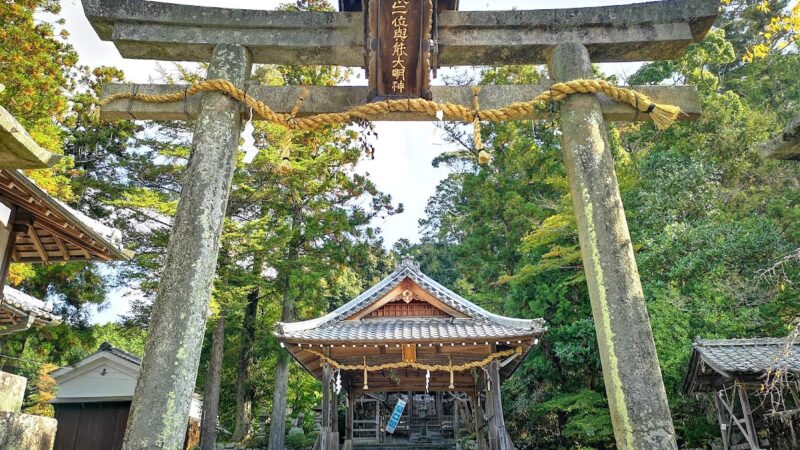
Located in Tsugaru City, Aomori Prefecture, Takayama Inari Shrine is a power spot known for its thousands of torii gates and beautiful Japanese garden. It is said to have been founded by the Ando clan, a powerful family that ruled this area from the Kamakura to Muromachi periods.
During the Edo period, this shrine had a history related to the Akō Domain, and a legend remains that the sacred object of Inari Ōkami, originally enshrined within Akō Castle, wandered to this location.
More than 200 torii gates line the shrine grounds, and the sight of them arranged along the undulating terrain is breathtaking.
Genkurō Inari Shrine (Nara Prefecture)
Located in Yamato-Kōriyama City, Nara Prefecture, Genkurō Inari Shrine is sometimes counted as one of Japan’s three great Inari shrines. It enshrines Genkurō the fox, a character from the Kabuki play “Yoshitsune Senbonzakura,” and is a shrine deeply revered by those in the performing arts.
It is said to have been founded by Toyotomi Hidenaga as the guardian shrine of Kōriyama Castle, and is even mentioned in the children’s song, “Let’s play, Genkurō-san of Yamato.” Famous Kabuki actors such as Ichikawa Ennosuke and Nakamura Kankurō have also visited the shrine.
Chayamachi Inari Shrine (Okayama Prefecture)
Located in Chayamachi, Kurashiki City, Okayama Prefecture, this Inari shrine was founded in 1734 (Kyoho 19) with a divided spirit from Fushimi Inari Taisha. The Chayamachi area was once a sea area known as “Kibi no Anaumi,” but it was reclaimed in the early modern period. The shrine was established on land donated by Lord Togawa, the local lord.
As the guardian deity of the region, the shrine holds various festivals and rituals, centering on its three major festivals, praying for national peace and the prosperity of its parishioners.
Mabashi Inari Shrine (Tokyo)
Located in Suginami Ward, Tokyo, Mabashi Inari Shrine is known for its mochi-making ceremony during the Hatsuumasai festival. The traditional ritual involves pounding mochi while singing a mochi-making song passed down among the parishioners, offering red and white celebratory mochi to the gods, and then distributing them to worshippers.
The large portable shrine exhibited at the Tokyo Peace Exposition in Ueno in 1922 (Taisho 11) was crafted by the master craftsman Akiyama Sangoro and is a valuable cultural asset showcasing the high level of skill of the Taisho period.
Shintoku Inari Shrine (Tokyo)
Established in 1676 (Enpo 4) and rebuilt in 2018 (Heisei 30), Shintoku Inari Shrine is known for its divine blessings of business prosperity, family success, physical and mental well-being, traffic safety, and abundant harvests.
With Fushimi Inari Taisha as its head shrine, it is revered by the local people as a great deity that bestows abundance and happiness.
Shusse Inari Shrine (Kyoto Prefecture)
Located in Sakyo-ku, Kyoto City, Shusse Inari Shrine, as its name suggests, is known for its divine blessings of career advancement and good fortune. Various events are held throughout the year, attracting many worshippers.
Fukushima Inari Shrine (Fukushima Prefecture)
Located in Fukushima City, Fukushima Prefecture, Fukushima Inari Shrine is a central shrine in the region, holding various festivals and religious ceremonies throughout the year.
Fushimi Inari Shrine (Hokkaido)
Located in Sapporo City, Hokkaido, Fushimi Inari Shrine was founded in 1884 (Meiji 17) by the first generation Shigeo Nomura, who enshrined a divided deity from Fushimi Inari Taisha in Kyoto.
Initially located in Minami 5-jo Higashi 1-chome, Sapporo Ward, it is now located in the Fushimi area and is a central figure in Inari worship in Hokkaido.
Festivals and Annual Events of Inari Shrines
Various festivals and religious ceremonies are held at Inari shrines throughout the year.
Hatsuumasai Festival (First Horse Day of February)
The most important festival at Inari shrines is the Hatsuumasai Festival. Held on the first Day of the Horse in February, this festival commemorates the day Inari Okami (the deity of rice and rice) took up residence on Mount Inari. The day is bustling with many worshippers, who visit to pray for business prosperity and family safety.
Some shrines hold mochi-making ceremonies or special rituals, making it an important opportunity to preserve local traditional culture.
Annual Grand Festival
Each Inari shrine holds its annual grand festival once a year. While the timing varies by shrine, it is often a grand festival involving the entire community, with events such as a portable shrine procession and performances.
Harvest Festival (November 23rd)
The Harvest Festival, a celebration of gratitude for a bountiful harvest, is an important festival demonstrating Inari Okami’s role as an agricultural deity. The year’s harvest is offered to the gods, and prayers of gratitude are offered.
Monthly Festival
The monthly festival, held regularly each month, prays for national peace and the prosperity of parishioners and worshippers.
Through these festivals, Inari shrines deepen community ties and play a role in passing on traditional culture to future generations.
Inari Shrines and Modern Society
Urbanization and Inari Faith
Even amidst the ongoing urbanization of modern times, Inari faith continues to thrive. Many Inari shrines are enshrined in urban spaces, such as on the rooftops of office buildings, in corners of shopping streets, and on company premises.
In particular, commercial facilities and companies often invite Inari shrines to seek the divine blessings of business prosperity.
Value as a Tourism Resource
The Senbon Torii (thousand torii gates) of Fushimi Inari Taisha consistently ranks high among Japanese tourist spots chosen by foreign visitors. Its photogenic scenery is popular with younger generations, and this traditional place of worship functions as a modern tourist resource.
Takayama Inari Shrine, for example, is attracting attention as a power spot, drawing many worshippers from far away.
Core of Local Communities
Local Inari shrines play a central role in local communities as the guardian deity of the area. Festivals bring together local residents, creating a space for intergenerational exchange.
In today’s society, characterized by a declining birthrate and an aging population, the community-building role of shrines is receiving renewed attention.
Practical Information for Visiting Inari Shrines
Checking Transportation Access
When visiting an Inari shrine, it’s important to check transportation access in advance. Shrines in urban areas are easily accessible by public transport, but those in suburbs or rural areas may require a private car.
Detailed transportation information is often available on each shrine’s official website, so be sure to check beforehand.
Visiting Hours
Many Inari shrines are open for worship during the day, but the shrine office is usually open from 9:00 AM to 5:00 PM. If you wish to receive prayers or amulets, you must visit during these hours.
Clothing and Belongings
There are no specific dress code requirements, but it’s advisable to dress appropriately for a sacred place. If receiving prayers, slightly more formal attire is appropriate.
When visiting the Senbon Torii (thousand torii gates), we recommend wearing comfortable shoes. During the summer months, the sun is strong, so don’t forget to bring a hat, parasol, and water.
Photography Etiquette
Photography is generally permitted within the shrine grounds, but there are areas and situations where photography is prohibited, such as inside the main hall or during religious ceremonies. Please follow the signs and be considerate of other visitors.
Towards the Future of Inari Faith
With a history spanning over 1300 years, Inari faith has evolved with the times while maintaining its essence. The emphasis on divine virtues has shifted from an agricultural deity to a commerce deity, and in modern times, Inari is revered as the guardian deity of all industries.
In today’s society, characterized by a declining birthrate, an aging population, and increasing urbanization, the role that Inari shrines must play is also changing. Inari faith will be passed down to future generations by balancing the preservation of traditional beliefs with the needs of modern society.
Inari shrines throughout Japan are also undertaking educational initiatives such as lectures titled “The Origins of Inari Faith – Towards the Future,” reaffirming the significance of the faith and continuing efforts to pass it on to future generations.
Summary
With over 30,000 Inari shrines nationwide, they are the most deeply intertwined shrines in Japanese life. The faith in Inari Okami, who bestows diverse divine blessings such as abundant harvests, business prosperity, and family safety, boasts a history of over 1300 years and continues to attract unwavering reverence today.
With its distinctive landscape of vermilion torii gates and fox statues, traditional festivals including the Hatsuumasai (First Horse Day Festival), and its role as a core of local communities, Inari shrines possess multifaceted value and are an important component of Japanese culture.
From the head shrine, Fushimi Inari Taisha, to the local guardian shrines rooted in each region, each Inari shrine has its own unique history and tradition. If you have the opportunity, why not visit a nearby Inari shrine and experience its history and divine blessings? Through visiting shrines and temples, you can experience Japan’s traditional culture and spirituality.