Complete Guide to Kamo Shrines: History, Deities, and Major Kamo Shrines Nationwide
What are Kamo Shrines?
Kamo Shrines (kamo jinja) are a general term for shrines that have “Kamo” or “Kamo” in their name. They exist in large numbers throughout Japan, and the majority were established by inviting deities from the Kamo Shrines of Kyoto, namely Kamo Wakeikazuchi Shrine (Kamigamo Shrine) and Kamo Mioya Shrine (Shimogamo Shrine). The faith originating from the ancient Kamo clan spread throughout Japan from the Heian period onward.
Kamo Shrines have not only served as guardian deities of their respective regions, but have also played a cultural role in transmitting Kyoto’s elegant culture and religious rituals to various parts of the country. Even today, many Kamo Shrines continue to preserve traditional festivals and religious rituals that have been passed down since the Heian period.
Origins and Historical Background of Kamo Shrine
The Beginning of the Kamo Clan and Kamo Faith
The origins of Kamo Shrine can be traced back to the Kamo no Agatanushi clan, a powerful local family in ancient Japan. The Kamo clan was based in Yamashiro Province (present-day Kyoto Prefecture) and had deep ties to agriculture and the worship of thunder gods. Thunder, in particular, was revered as a source of rain necessary for rice cultivation, leading to the development of the worship of Kamo Wakeikazuchi no Okami.
Kamo Shrines in Kyoto: Their Role as the Main Shrine
There are two main Kamo Shrines in Kyoto. Kamo Wakeikazuchi Shrine (Kamigamo Shrine) enshrines Kamo Wakeikazuchi no Okami, and its current location is said to have been constructed during the reign of Emperor Tenmu (678 AD). On the other hand, Kamo Mioya Shrine (Shimogamo Shrine) enshrines Kamo Taketsunumi no Mikoto and Tamayorihime no Mikoto, and the two shrines enshrine deities who are related as parent and child.
These Kamo shrines in Kyoto received the reverence of the imperial court after the relocation of the capital to Heian-kyo (794 AD) and came to occupy an important position as national guardian deities. In particular, the Aoi Matsuri (Kamo Matsuri), held on May 15th, is still celebrated grandly today as one of Kyoto’s three major festivals.
Spread and Expansion Nationwide
From the Heian period to the Kamakura period, with the development of the manorial system, the sacred territories of Kyoto’s Kamo shrines spread throughout Japan. Many of these manors had shrines built to enshrine a divided spirit of the main Kamo shrine, and this is the main reason why Kamo shrines spread throughout the country.
For example, Shimomura Kamo Shrine in Imizu City, Toyama Prefecture, was founded in 1066 (the second year of the Jiryaku era of Emperor Go-Reizei) as the main shrine of Kuragaki-sho, a territory of the Kamo Mioya Shrine (Shimogamo Shrine) in Kyoto. The Kyoto culture of the Heian period was preserved there, and many valuable Shinto rituals are still passed down today.
Deities enshrined at Kamo Shrines
The main deities enshrined at Kamo Shrines are as follows:
Kamo Wakeikazuchi no Okami
A thunder god, believed to offer protection against misfortune, disaster, and victory. The principal deity of Kamigamo Shrine, and enshrined at many Kamo Shrines. “Wakeikazuchi” means “to divide thunder,” meaning a god with the power to control thunder at will.
Kamo Taketsunumi no Mikoto
One of the principal deities of Shimogamo Shrine, and considered the ancestral deity of the Kamo clan. Worshipped as a god of guidance and victory, she is believed to offer blessings for protection against misfortune, warding off evil, matchmaking, and safe childbirth.
Tamayorihime-no-Mikoto
She is the daughter of Kamo-Taketsunomi-no-Mikoto and the mother of Kamo-Wakeikazuchi-no-Okami. Enshrined at Shimogamo Shrine, she is widely worshipped as the goddess of matchmaking, safe childbirth, and child-rearing.
These deities are revered as beings who bring rain and thunder, which are crucial in agricultural societies, and also serve as the tutelary deities of the Kamo clan.
Major Kamo Shrines Nationwide
Numerous Kamo shrines exist throughout Japan. Here, we introduce Kamo shrines of particular historical and cultural importance.
Shimomura Kamo Shrine (Imizu City, Toyama Prefecture)
Located in the central part of Kamo, Imizu City, Toyama Prefecture, Shimomura Kamo Shrine was founded in 1066 (Jiryaku 2) as the main shrine of Kuragaki-sho, a territory of the Kamo Mioya Shrine (Shimogamo Shrine) in Kyoto. It retains a strong influence of Kyoto culture from the Heian period and continues to preserve many traditional Shinto rituals.
Main Festivals and Events:
- New Year’s Celebration Festival (January 1st): A Shinto ritual celebrating the New Year
- Kamo Festival (May 4th): A grand spring festival, a large-scale celebration involving the entire community
- Rice Planting Festival (First day of the Rabbit in June): A traditional Shinto ritual praying for a bountiful harvest
- Children’s Dance (September 4th): Kagura dance performed by children
The shrine grounds also house subsidiary shrines such as Kibune Shrine, Ninkai Shrine, and Inaho Shrine.
Kamo Shrine (Hannan City, Osaka Prefecture)
Located in Hakozaku, Hannan City, Kamo Shrine is about 400m south of Hakozaku Station along the Hamakaido Road. Surrounded by ancient trees, it’s a tranquil shrine cherished by the local community.
Kamo Shrine (Nagano City, Nagano Prefecture)
Located in Nishinagano, Nagano City, Kamo Shrine is known as one of the seven shrines of Zenkoji Temple. It has a deep connection with Zenkoji Daihongan, and the head priest of Daihongan visits during the autumn festival. It’s a shrine with a unique form of worship linked to Zenkoji faith.
Anshi Inari Shrine & Kamo Shrine (Himeji City, Hyogo Prefecture)
Located in Anshi-sho, Harima Province, this shrine houses both Anshi Inari Shrine and Kamo Shrine within the same grounds. Within the grounds are Shinmei Shrine, Ogasawara Shrine, Kotohira Shrine, and Benten Shrine in Shin-ike Pond, showcasing a fusion of multiple faiths. ### Kamo Shrine (Wakayama Prefecture)
Kamo Shrine in Wakayama Prefecture is said to have been established around 562 AD (the 23rd year of Emperor Kinmei’s reign) when a man named Osasune invited the two great deities of Kyoto’s Kamo district and enshrined them at a place called Hanabuchi, on the border between Shimomura and Umeda. It is one of the oldest shrines in Japan.
Kamo Shrine (Odawara City, Kanagawa Prefecture)
It is said to have been established approximately 900 years ago at 708 Kamomiya. A legend remains that in 1192 AD (Kenkyu 3), Minamoto no Yoritomo dedicated a sacred horse to pray for the safe delivery of his wife, Masako. It is a shrine with a valuable history that shows its connection to the Kamakura Shogunate.
Kamo Shrine (Sendai City, Miyagi Prefecture)
Located in Izumi Ward, Sendai City, Kamo Shrine was relocated from Shiogama in 1696 (Genroku 9) and enshrined as “Mioya Shrine.” A carving of a hen adorns the rainbow beam of the shrine building, indicating the spread of Kamo worship in the Tohoku region.
Kamo Shrine (Sado City, Niigata Prefecture)
It is said that Kamo Shrine was founded in 1109 (Tenjin 2) when Minamoto no Yoshitsuna (Kamo Jiro) was exiled to Sado Island. A divided spirit of Kamo Shrine in Yamashiro Province, Kyoto, where Yoshitsuna underwent his coming-of-age ceremony, was invited to be enshrined there. A Noh stage is located within the shrine grounds, demonstrating its deep connection to Sado’s Noh culture.
Festivals and Rituals of Kamo Shrine
Kamo Shrine holds various festivals and rituals throughout the year. Many of these maintain traditional forms dating back to the Heian period and hold significant value as part of Japan’s cultural heritage.
Kamo Festival (Spring Festival)
This is a major spring festival held around May at many Kamo shrines. It corresponds to Kyoto’s Aoi Festival (May 15th), and each Kamo shrine holds festivals that reflect local characteristics. At Shimomura Kamo Shrine, the Kamo Festival is held on May 4th, featuring a portable shrine procession and Kagura (sacred dance) performances.
Rice Planting Festival
This is a Shinto ritual praying for a bountiful rice harvest, often held on the first day of the Rabbit in June. The ritual involves performing the actions of rice planting before the gods to pray for a good harvest. It strongly reflects the character of Kamo-no-kami as a god of agriculture.
Children’s Dance
This is a Shinto ritual in which children perform Kagura, often offered at the annual festival in September. It is an elegant dance that retains traces of the Heian period court culture, and is sometimes protected as a local intangible cultural property. At Shimomura Kamo Shrine, a children’s dance is performed on September 4th.
Yabusame (mounted archery) and Horse Racing
Some Kamo Shrines also preserve rituals involving horses. Some shrines have an ancient poem that describes the magnificent Yabusame: “Amidst the murmur of the crowd, the bamboo arrow is shot, its sound echoing to the heavens.”
Cultural Value of Kamo Shrines
Transmission of Heian Culture
Kamo Shrines have played a vital role in transmitting Heian period Kyoto culture to the provinces. Many cultural elements, such as the forms of rituals, festival customs, Kagura (sacred music and dance), and Bugaku (court dance), were transmitted from Kyoto to Kamo Shrines throughout the region and have been preserved to this day.
Center of Local Communities
Kamo Shrines throughout the region have functioned not only as places of worship but also as centers of local communities. Festivals provide opportunities for people from the region to gather together, fostering intergenerational exchange.
Architectural and Artistic Value
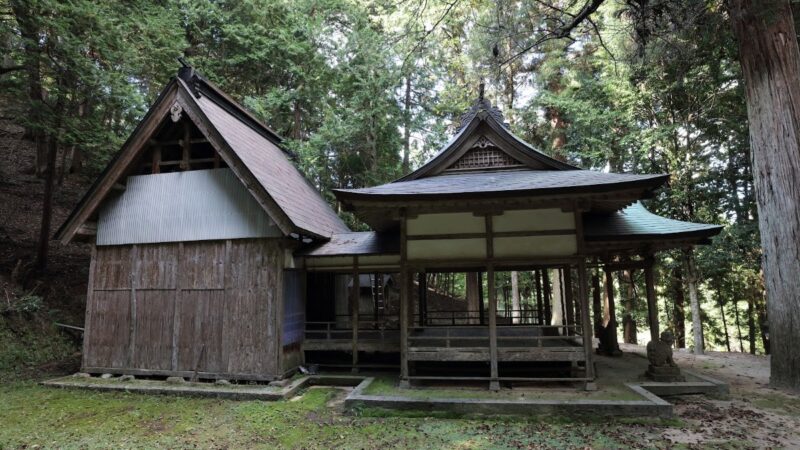
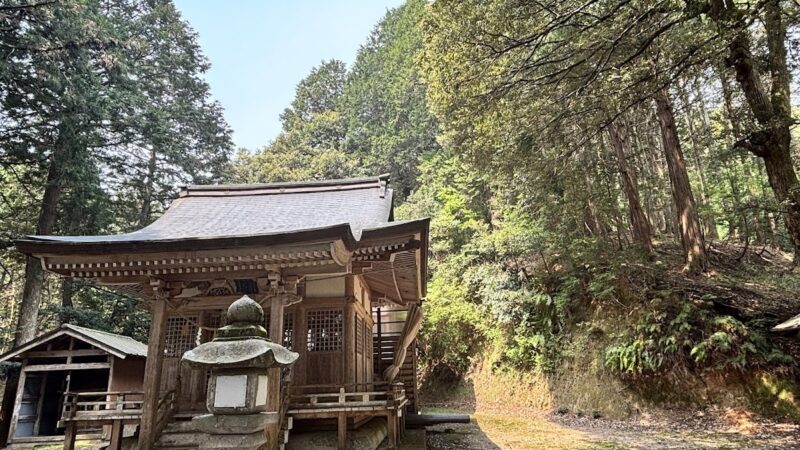
Many of the Kamo Shrine’s buildings are valuable cultural assets that convey the region’s traditional architectural style. Sculptures, paintings, and crafts have also been dedicated, making them important resources for understanding the region’s art history.
Etiquette and Manners for Visiting Kamo Shrine
Basic Worship Etiquette
- Bow before passing through the torii gate: As a sign of respect before entering the sacred area, bow before the torii gate.
- Purify yourself at the water basin: Purify your left hand, then your right hand, then your mouth.
- Avoid walking in the center of the path: The center is considered the path of the gods.
- Worship at the main hall: The basic procedure is two bows, two claps, and one bow.
Precautions during Festivals
During festivals, the shrine is crowded with many worshippers. Please respect the religious ceremonies of the local people and only take photographs within permitted areas. Especially during sacred ceremonies, silence is required, and consideration must be given to avoiding disrupting the religious service.
Access and Visiting Information for Kamo Shrines
Since Kamo Shrines exist throughout Japan, it is important to check the location of the shrine you wish to visit in advance. Many Kamo Shrines have official websites that contain information such as announcements of festivals and events, access information, and telephone numbers.
Things to Check Before Visiting
- Festival Schedule: Check the dates of major festivals, and if possible, visit on a festival day to experience the shrine’s culture more deeply.
- Access Method: Check whether public transportation is available and whether there is parking.
- Visiting Hours: Visiting hours may vary depending on the shrine.
- Special Events: It is also a good idea to check information such as the issuance of Goshuin (shrine stamps) and special prayers.
Kamo Shrines and Modern Society
Efforts to Protect Cultural Properties
Many Kamo Shrines strive to protect traditional religious ceremonies and cultural properties. From the Showa to the Heisei era, restoration work on the shrine buildings and research on cultural properties progressed, leading to a renewed recognition of its historical value.
Connection to Regional Development
Kamo Shrine’s festivals are also attracting attention as a regional tourist resource. Efforts to balance the preservation of traditional culture with regional development are underway in various locations.
Transmission of Faith
Even today, faith in Kamo Shrine remains deeply rooted in the lives of local people. The custom of visiting the shrine at life’s milestones, such as New Year’s visits, Shichi-Go-San (a traditional rite of passage for children), and exorcisms, continues, demonstrating the transmission of faith across generations.
Summary
Kamo Shrine is a group of shrines that originated from the Kamigamo Shrine and Shimogamo Shrine in Kyoto and spread throughout Japan. The faith, which originated with the ancient Kamo clan, spread throughout the country from the Heian period onward, along with the manorial system, and developed uniquely in each region.
The enshrined deity, who embodies the characteristics of both a thunder god and an agricultural god, is believed to bestow a variety of blessings, including protection from evil, abundant harvests, matchmaking, and safe childbirth. Furthermore, the shrines play a cultural role in preserving the Kyoto culture of the Heian period, and the rituals and festivals held at Kamo Shrines throughout Japan are considered valuable intangible cultural heritage.
Visiting Kamo Shrines scattered across Japan allows one to experience the depth of Japanese history, culture, and faith. While each shrine has its own distinct characteristics, the network of Kamo Shrines, united by a shared faith, is a prime example of the diversity and universality of Japanese shrine worship.
Through shrine visits, Kamo Shrines offer us many opportunities to connect with traditional Japanese culture, find peace of mind, and learn about local history and culture.