Zenrinji Temple Complete Guide: From Kyoto’s Eikan-do to Mitaka, a Thorough Explanation of History, Highlights, and Access
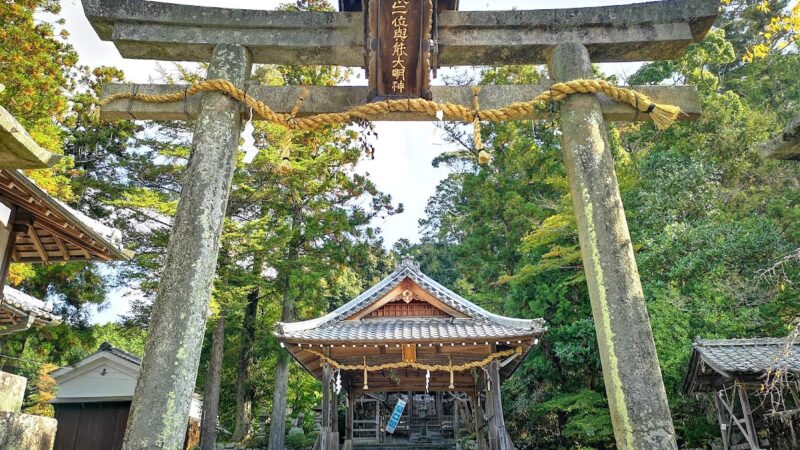
While there are temples named Zenrinji throughout Japan, the most famous is the head temple of the Jodo-shu Seizan Zenrinji sect located in Eikan-do-cho, Sakyo-ku, Kyoto City. It has long been affectionately known as “Eikan-do of the Autumn Leaves,” attracting many visitors as a famous spot for viewing autumn foliage. This article provides a detailed explanation of Zenrinji Temples in Kyoto (Eikan-do), as well as those in Mitaka City, Tokyo, and Yokohama City.
What is Zenrinji Temple (Eikan-do)?: Basic Information and Overview
Zenrinji Temple, officially called “Shoju Raigo-san Zenrinji,” is the head temple of the Jodo-shu Seizan Zenrinji sect, located in Sakyo-ku, Kyoto City. It is commonly known as “Eikando,” and its principal image is a famous Amida Buddha statue known as “Mikaeri Amida” (Looking Back Amida).
Location and Access
Location: 48 Eikando-cho, Sakyo-ku, Kyoto City
Access:
- Approximately 15 minutes on foot from Keage Station on the Kyoto Municipal Subway Tozai Line
- Approximately 3 minutes on foot from the Nanzenji/Eikando-michi bus stop
- Approximately 40 minutes by Kyoto City Bus Route 5 from JR Kyoto Station
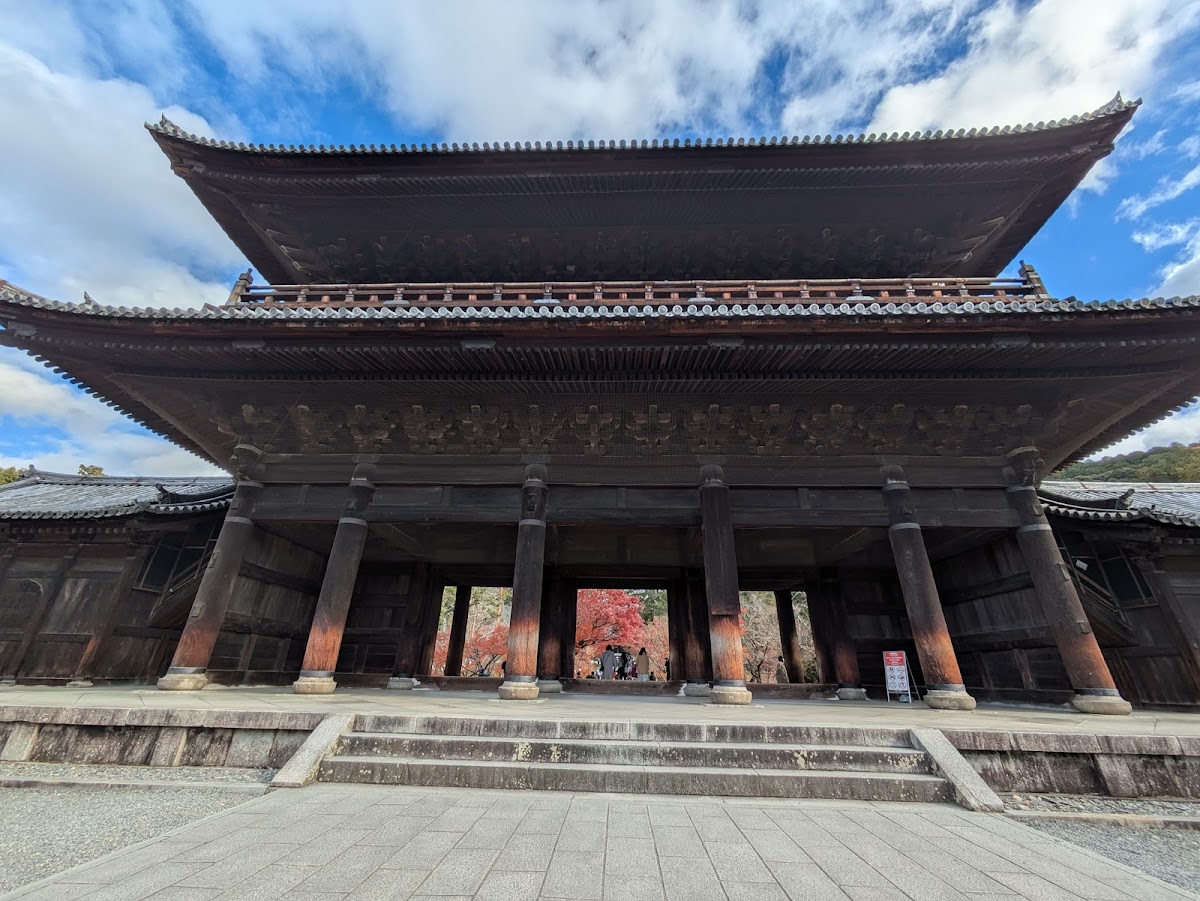
The temple grounds are located north of Nanzenji Temple and close to the Philosopher’s Path. It is currently one of Kyoto’s leading tourist spots, attracting many visitors.
Visiting Information
Visiting hours and fees vary depending on the season. Since admission fees fluctuate between the regular season and the autumn foliage season, it is recommended to check the latest information on the official website before visiting. The temple grounds are vast, with many buildings scattered throughout, including the main hall, pagoda, founder’s hall, and Shakado hall.
The History of Zenrin-ji Temple: From Founding to the Present
Founding and the Era as a Shingon Esoteric Buddhism Training Center
The history of Zenrin-ji Temple dates back to the early Heian period. In 853 (Ninju 3), Shinsho Sozu (797-873), a senior disciple of Kobo Daishi Kukai, acquired the mountain villa of Fujiwara no Sekio and converted it into a temple.
In 863 (Jogan 5), Emperor Seiwa bestowed upon it the title of “Zenrin-ji” (定額寺), officially recognizing it as a formal temple. Initially, it functioned as a training center for Shingon Esoteric Buddhism, a place for esoteric Buddhist practice. For approximately 220 years, from the founding abbot Shinsho Sozu to the 6th abbot, it maintained its history as a Shingon Buddhist temple.
The Transformation of Zenrin-ji Temple into a Pure Land Buddhist Training Center with Abbot Eikan
The most important turning point in the history of Zenrin-ji Temple was the era of Abbot Eikan (1033-1111), who entered the temple as the 7th head priest in 1072.
Initially, Eikan studied Shingon Esoteric Buddhism, but eventually he became deeply devoted to Pure Land Buddhism and transformed Zenrin-ji Temple into a training center centered on the practice of nembutsu (recitation of Amida Buddha’s name). Eikan was also an accomplished scholar and left behind many writings. He was also enthusiastic about social work, establishing a pharmacy called Yakuoin to provide relief for the sick.
Many people came to Zenrin-ji Temple, drawn by Eikan’s virtues, and it has since become affectionately known as “Eikan-do.” Even today, the fact that it is better known as “Eikan-do” than its official name, “Zenrin-ji Temple,” speaks to the great influence of Abbot Eikan.
Transition to the Jodo-shu Seizan Branch
From the Kamakura period onward, Zenrin-ji Temple developed as a temple following the Jodo-shu (Pure Land) sect. In particular, during the time of the monk Jōhen Sōzu, it became affiliated with the Seizan branch, and currently serves as the head temple of the Jodo-shu Seizan Zenrin-ji branch, with numerous branch temples throughout Japan.
History from the Early Modern Period Onward
During the Edo period, it flourished under the protection of the shogunate, and many temple buildings were constructed. However, due to the anti-Buddhist movement after the Meiji Restoration and several fires, many buildings were lost. Most of the current buildings were rebuilt from the late Edo period to the Meiji era.
Principal Image: The Looking-Back Amida: Eikan-dō’s Greatest Highlight
Origin of the Looking-Back Amida
The Amida Buddha statue, the principal image of Zenrin-ji Temple, is widely known as the “Looking-Back Amida.” The most distinctive feature of this statue is its extremely rare posture for a Buddhist statue: its face is turned diagonally to the left and slightly backward.
This unique posture is associated with a legend about the monk Eikan. Early in the morning of February 15th, 1082 (Eikyu 1), while Eikan was performing the gyodo (a Buddhist practice of walking around a Buddha statue) in the main hall, the Amida Buddha statue suddenly descended from the altar and began walking in front of him. Startled, Eikan stopped, and the Amida Buddha turned around and said, “Eikan, you are late.” It is said that the statue that remains today is the “Looking Back Amida,” depicting the Buddha in that moment.
Characteristics of the Amida Buddha Statue
The Looking Back Amida is a wooden standing statue approximately 77 centimeters tall, estimated to be from the late Heian period. Unlike typical Amida Buddha statues that face forward, this statue has its head turned approximately 45 degrees to the left and slightly behind, looking back with a compassionate expression.
This posture is interpreted as symbolizing the compassion of Amida Buddha, who “never abandons all sentient beings and always cares for them,” and has captured the hearts of many visitors. It is designated as a National Important Cultural Property.
Highlights of the Temple Grounds: Buildings and Gardens
Zenrin-ji Temple boasts an area of approximately 10,000 tsubo (about 33,000 square meters), with numerous temple buildings and beautiful gardens.
Main Hall (Amida Hall)
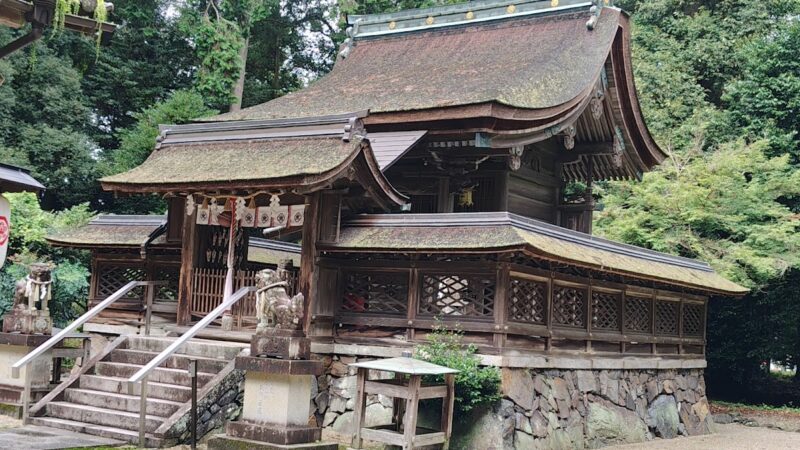
The Main Hall is the central building of Zenrin-ji Temple and houses the “Looking Back Amida” statue. The current Main Hall was rebuilt in the late Edo period, and its interior is adorned with vibrant, colorful decorations. From the Main Hall, one can enjoy a panoramic view of the temple grounds and gardens, especially during the autumn foliage season, where the scenery is breathtaking.
Tahōtō Pagoda
The Tahōtō pagoda, standing on a hill within the temple grounds, is a symbolic presence of Zenrin-ji Temple. From this pagoda, one can overlook the city of Kyoto, and its appearance surrounded by autumn leaves is a representative landscape of Eikan-dō Temple. The area around the pagoda is particularly beautiful with autumn foliage and is a popular photo spot.
Kaisando Hall
This hall enshrines Shinsho Sozu, the temple’s founder, and also houses a statue of Eikan Risshi. Portraits of successive head priests are also kept inside, making it a place where you can feel the history of Zenrinji Temple.
Shakado Hall
This hall enshrines Shakyamuni Buddha as its principal image, and its tranquil atmosphere is impressive. The surrounding area is also beautiful with autumn foliage, allowing for a peaceful visit.
Garden and Autumn Foliage
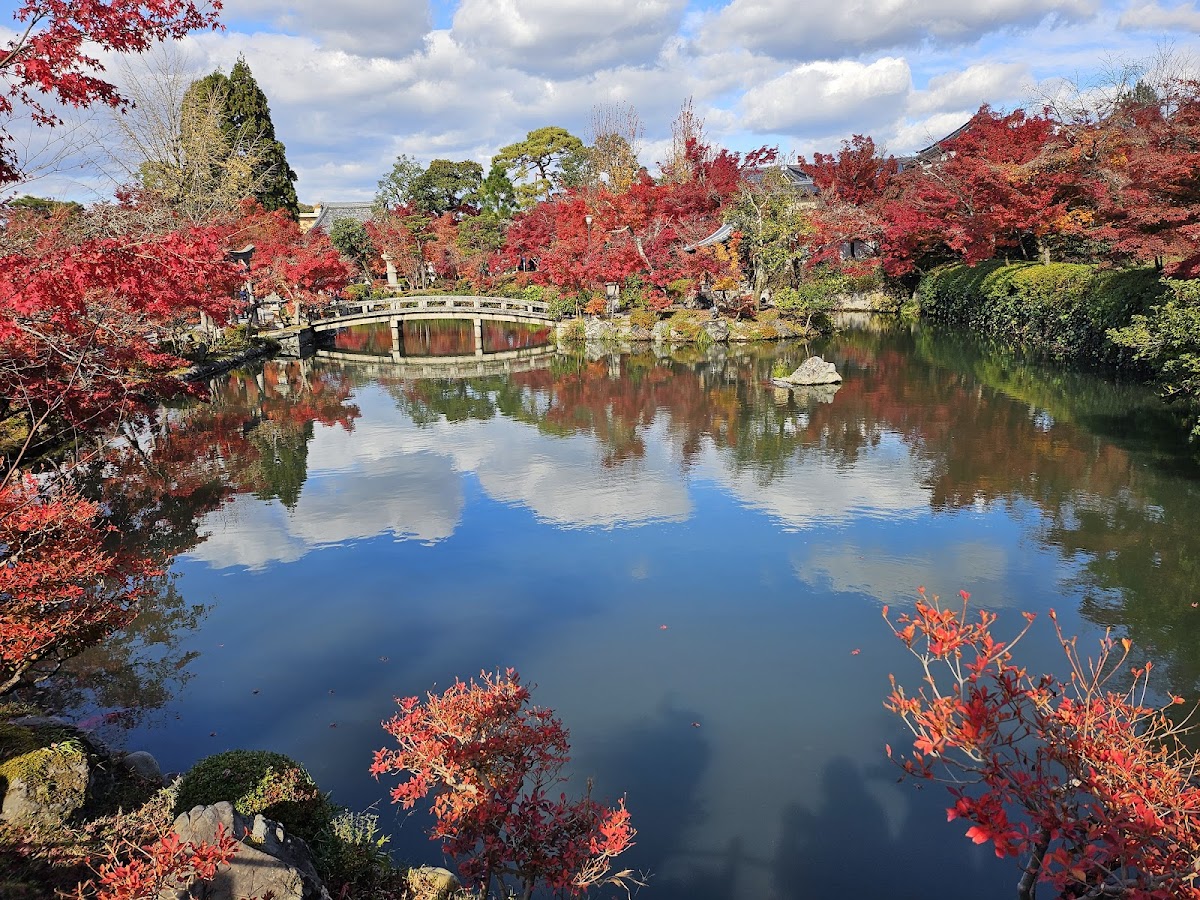
Zenrinji Temple’s garden is a pond-centered strolling garden, with approximately 3,000 maple trees planted throughout the grounds. As sung in an old poem, “Eikan-do in autumn is known for its maple leaves,” it has been known as a famous spot for autumn foliage since the Heian period.
The best time to see the autumn leaves is usually from mid- to late November. During this time, special nighttime viewings are held, allowing visitors to enjoy the fantastical scenery illuminated by lights. Maple leaves, dyed in red and yellow, adorn the temple grounds, and the area around the pagoda and the pond are particularly known as scenic spots.
Cultural Properties: A Treasure Trove of National Treasures and Important Cultural Properties
Zenrinji Temple houses many valuable cultural properties.
National Treasures
- Amida Buddha Crossing the Mountains (Yamagoe Amida-zu): A masterpiece of Buddhist painting from the Kamakura period, depicting Amida Buddha descending over the mountains to welcome the deceased.
Important Cultural Properties
- Wooden Standing Amida Buddha Statue (Mikaeri Amida): The principal image mentioned above.
- Colored Silk Painting of Amida Buddha and Twenty-Five Bodhisattvas Welcoming the Deceased
- Colored Silk Painting of Amida Buddha Crossing the Mountains (multiple versions exist)
- Numerous other Buddhist paintings, calligraphy, and ancient documents.
Some of these cultural properties are sometimes displayed at temple treasure exhibitions.
The Seven Wonders of Eikan-do Temple: Legends and Anecdotes
Zenrin-ji Temple has a legend known as the “Seven Wonders of Eikan-do Temple.”
- The Looking-Back Amida: The origin of the aforementioned principal image.
- Garyu-ro (Sleeping Dragon Corridor): The stepped corridor leading to the founder’s hall resembles a reclining dragon.
- The Three-Pronged Pine: A rare pine tree with needles arranged in sets of three.
- Hiden-ume: The legend of a plum tree said to have been planted by Eikan.
- Iwagaki Momiji: The legend of a maple tree growing from a stone wall.
- Mokugyo-gaeru: The story of a frog that croaks in time with the sound of a mokugyo (wooden fish drum).
- Hiyoke-no-Amida: The legend of an Amida statue that protected the temple from fire.
These seven wonders are stories that have been passed down through the long history of Zenrin-ji Temple, further enhancing the temple’s appeal.
Annual Events and Special Viewings
Zenrinji Temple holds various events throughout the year.
- January: Shusho-e (New Year’s Buddhist service)
- February 15th: Nirvana Ceremony
- Spring: Spring Temple Treasure Exhibition
- Autumn: Autumn Temple Treasure Exhibition, Autumn Leaves Illumination (November)
- December 31st: New Year’s Eve Bell Ringing
Especially during the autumn foliage season, many visitors come, and the special nighttime viewing offers a different, more magical atmosphere than during the day.
Zenrinji Temple in Mitaka City: Graves of Osamu Dazai and Mori Ogai
There is a temple named Zenrinji not only in Kyoto, but also in Mitaka City, Tokyo. This is a temple of the Obaku sect, and its mountain name is Reizenzan.
History and Overview
Mitaka’s Zenrinji Temple was built in 1699 (Genroku 12) on the site of its predecessor temple, which was destroyed by a typhoon. It was established by Zen Master Kenshu Genyo of the Obaku sect, who resided in Ishihara, Honjo, Edo. It is located south of Mitaka Station, almost in the center of Mitaka City, near the Tamagawa Aqueduct.
The Graves of Osamu Dazai and Mori Ogai
Mitaka’s Zenrinji Temple became widely known because it houses the grave of the literary giant Osamu Dazai. On June 13, 1948 (Showa 23), Dazai committed suicide by drowning in the Tamagawa Aqueduct. His body was discovered on June 19th, coincidentally his birthday.
Dazai’s grave was built opposite the grave of Mori Ogai, which was originally located in a different temple. This was realized at Dazai’s request, as he greatly respected Ogai. Even today, many Dazai fans visit his grave, and especially many people gather on June 19th, the anniversary of his death (Sakurambo-ki).
Access and Visitor Information
Location: 4-18-20 Shimorenjaku, Mitaka City, Tokyo
Access: Approximately 12 minutes on foot from the South Exit of Mitaka Station on the JR Chuo and Sobu Lines
Zenrinji Temple in Mitaka is still an active temple, and funerals and memorial services are held there. Information such as a guide to the temple grounds and event schedules is provided on the official website.
Zenrinji Temple in Kanazawa Ward, Yokohama City: History from the Kamakura Period
There is also a temple named Zenrinji in Kamariya, Kanazawa Ward, Yokohama City. This is a temple of the Kenchoji branch of the Rinzai school, and its mountain name is Chikuganzan.
History
This Zenrin-ji Temple was founded in 1493 (Meiō 2) during the Muromachi period by Ashikaga Shigeuji, the first Koga Kubo (governor of Koga Province), to commemorate his father, Mochiuji, with Nōzan Jugei Zenji as its founding abbot.
Ashikaga Mochiuji was the fourth Kanto Kubo, based in Kamakura, but was driven to suicide due to conflict with the Muromachi Shogunate. His son, Shigeuji, built this temple to pray for his father’s soul.
Current Situation
Zenrin-ji Temple in Yokohama continues to be a historical temple in Kanazawa Ward, actively contributing to the local community. Ancient stone structures remain on the temple grounds, conveying the history of the Kamakura and Muromachi periods.
Points to Note When Visiting Zenrinji Temple
When Visiting Eikan-do Temple in Kyoto
- Best Season: November, with its autumn leaves, is the most popular time, but May, with its fresh greenery, and April, with its cherry blossoms, are also beautiful.
- Avoiding Crowds: The autumn foliage season is extremely crowded, so early mornings or evenings on weekdays are recommended.
- Time Required: Approximately 1.5 to 2 hours for a thorough visit.
- Nearby Attractions: Can be combined with other famous spots in the Higashiyama area, such as Nanzenji Temple, the Philosopher’s Path, and Ginkakuji Temple.
When Visiting Zenrinji Temple in Mitaka
- Purpose: A pilgrimage site for fans of Osamu Dazai and Mori Ogai.
- Manners: As it is both an active temple and a cemetery, respectful and quiet worship is necessary.
- Nearby: The Mitaka City Yamamoto Yuzo Memorial Museum and Inokashira Park are also nearby.
Zenrinji School and Jodo-shu Seizan School
Kyoto’s Zenrinji Temple, as the head temple of the Jodo-shu Seizan Zenrinji School, has formed its own distinct sect.
Lineage of the Seizan School
The Jodo-shu Seizan School is a lineage founded by Shoku Shonin, a disciple of Honen Shonin. Shoku was known as “Seizan Shonin” because of his activities at Zenpoji Temple in Kyoto’s Seizan district, and the school that inherited his teachings became the Seizan School.
The Seizan School is further divided into three branches: the Seizan Jodo School, the Jodo-shu Seizan Fukakusa School, and the Jodo-shu Seizan Zenrinji School, with the Zenrinji School being one of them.
Characteristics of the Zenrinji School
The Zenrinji School, centered around its head temple Zenrinji, has approximately 400 temples throughout Japan. While emphasizing practical application centered on Nembutsu (recitation of Amida Buddha’s name), it also inherits the tradition of scholarly research dating back to the time of Eikan Risshi.
Summary: The Charm and Value of Zenrinji Temples
Temples named Zenrinji have functioned as centers of faith and culture, each possessing a different history and characteristics depending on the region.
Kyoto’s Zenrinji (Eikan-do) boasts a history of nearly 1200 years and is a temple with multifaceted charm, including its unique principal image, the “Looking Back Amida,” the beauty of its autumn foliage (known as “Eikan-do of the Maple Leaves”), and its abundant cultural assets. Its history of transforming from a Shingon Esoteric Buddhism training ground to a Pure Land Buddhist training ground represents an important aspect of Japanese Buddhist history.
Mitaka’s Zenrinji holds special significance for literature lovers as it is the burial place of two literary giants, Osamu Dazai and Mori Ogai. As a temple of the Obaku sect, it has a history dating back to the Edo period.
Yokohama’s Zenrinji has a history intertwined with the political history of the Kanto region during the Muromachi period and is valuable as a regional historical heritage site.
Each of these Zen temples forms an important part of Japanese history, culture, religion, and literature, offering visitors diverse experiences and learning opportunities. Eikan-do Temple in Kyoto, in particular, with its beauty throughout the seasons and profound history, is one of Kyoto’s representative temples and will undoubtedly continue to fascinate many people.
When visiting Zen temples, understanding the unique history and cultural background of each temple will lead to a deeper experience. It is important to visit them with respect, not merely as tourist destinations, but as places of faith and culture cultivated over a long history.