About Motoise Geku Toyouke Daijingu Shrine
Motoise Geku Toyouke Daijingu is a shrine located in Oe-cho, Fukuchiyama City, Kyoto Prefecture. It is considered the original shrine of the Outer Shrine of Ise Grand Shrine (Toyouke Daijingu), and enshrines Toyouke-no-Okami, the deity who presides over food and grains, as its principal deity.
Deities and Benefits
Main Deity
- Toyouke-no-Okami (Toyouke-hime-no-Kami)
- Goddess of food, grains, and industry
- A deity enshrined at the Outer Shrine of Ise Grand Shrine as Miketsukami, the deity who oversees the meals of Amaterasu-Omikami
Main Benefits
- Industrial Prosperity and Business Success – Prayers for business development as the guardian deity of food and industry
- Abundant Harvest and Bountiful Crop – Protection of primary industries such as agriculture and fishing
- Family Safety and Food Safety – Peace and tranquility in daily meals and life
- Protection of Clothing, Food, and Shelter – Stability and prosperity in all aspects of life
History and Origin
Founding Legend
The founding of Toyouke-no-Okami Shrine is said to date back to the time of Emperor Sujin, the 10th emperor (around 97 BC). It is said that when Amaterasu Omikami was moved from Tanba Province to Kasasagi Village in Yamato Province, Toyouke Omikami was also enshrined in this location, marking the beginning of the shrine’s existence.
Relocation to Ise
Later, in the 22nd year of Emperor Yuryaku’s reign (around 478 AD), according to a divine oracle from Amaterasu Omikami, Toyouke Omikami was moved to Ise Province (present-day Ise City, Mie Prefecture) and enshrined as the Outer Shrine of Ise Grand Shrine. Because of this history, this shrine is known as “Moto-Ise Geku” (Original Outer Shrine of Ise).
One of the Three Original Ise Shrines
Toyouke Daijingu Shrine, along with the nearby Moto-Ise Naiku Kōtaijinja and Ama-no-Iwato Shrine, constitutes the “Three Original Ise Shrines,” and it has been customary since ancient times to visit them before making a pilgrimage to Ise Grand Shrine.
Highlights of the Shrine Grounds
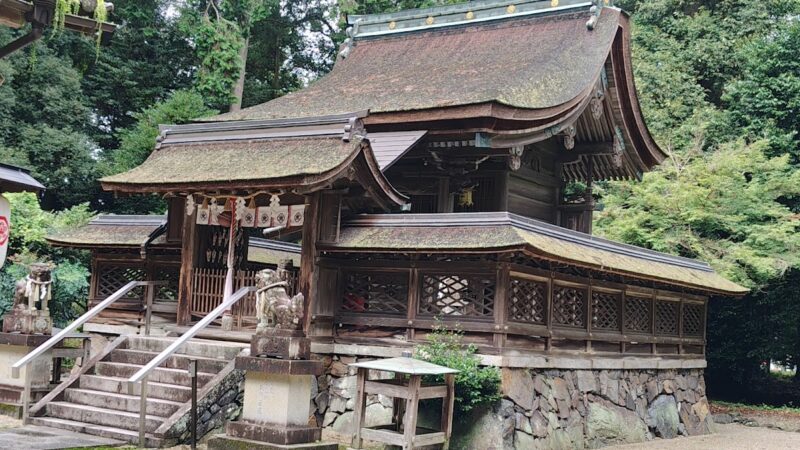
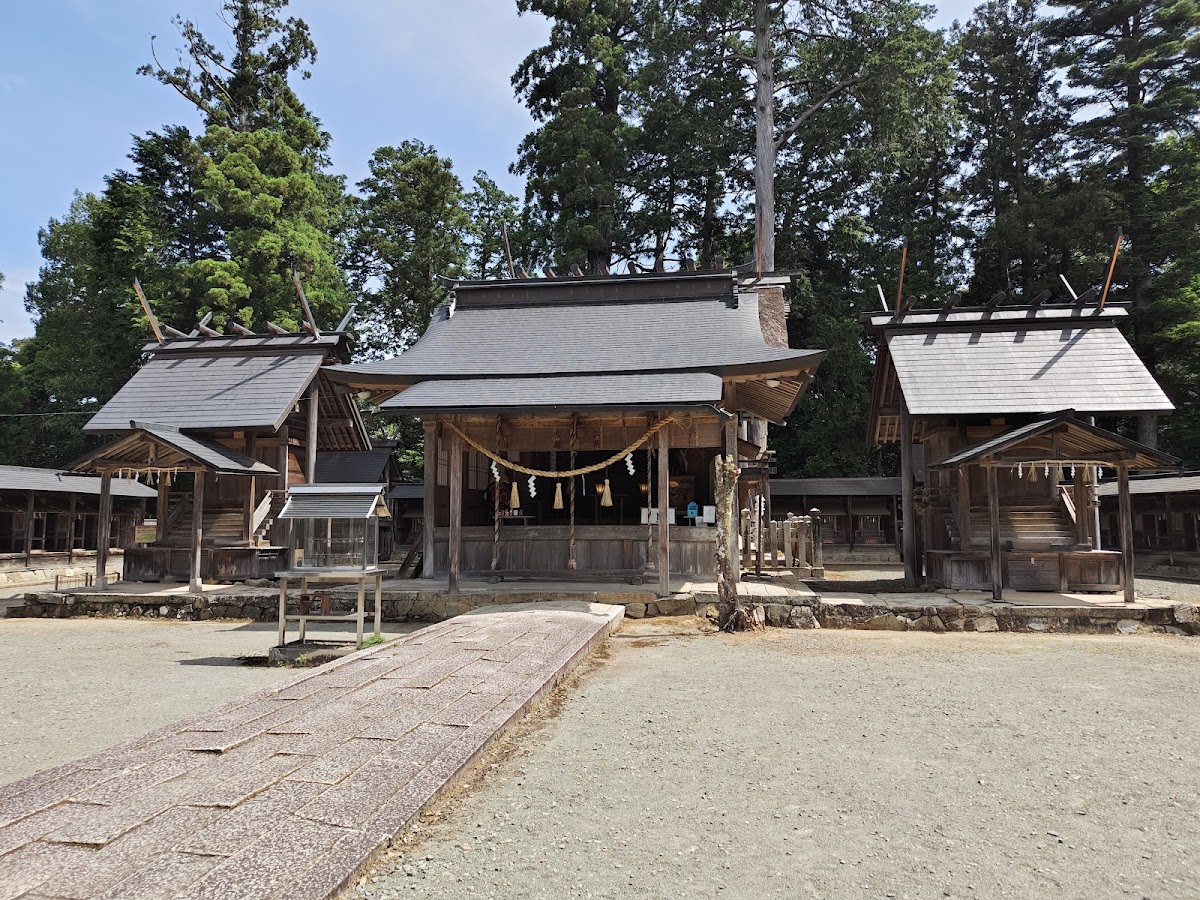
Main Hall and Shrine Architecture
The main hall adopts the same Shinmei-zukuri style as Ise Grand Shrine. It is characterized by its cypress bark roof and the simple beauty of its unpainted wood construction. Following the example of Ise Grand Shrine’s Shikinen Sengu (periodic rebuilding), it was once regularly rebuilt.
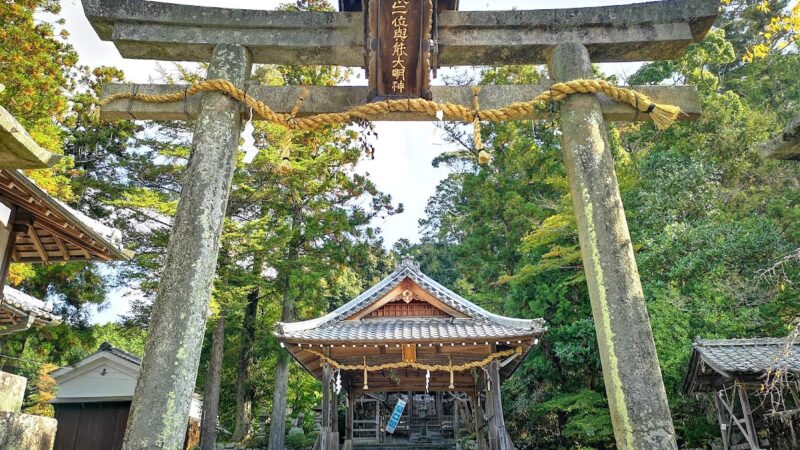
Black Wood Torii Gate
At the entrance to the shrine grounds stands a black wood torii gate, made from logs with the bark left intact. This is considered the oldest form of shrine architecture and is a valuable relic that conveys the primitive form of faith.
Dragon Lantern Cedar
Within the shrine grounds stands the “Dragon Lantern Cedar,” a gigantic sacred cedar tree said to be approximately 2000 years old. A legend remains that a mysterious light lit from its branches at night, symbolizing the mystical nature of the sacred area.
Points to Note When Visiting
Etiquette for Visiting
- Bow at the Torii Gate – Bow before passing through the black wooden torii gate.
- Purify at the Water Basin – Purify in the following order: left hand → right hand → mouth → handle of left hand.
- Two Bows, Two Claps, One Bow at the Main Shrine – Worship respectfully in front of the Shinto-style main shrine.
- Visit the Subsidiary Shrines – It is believed that visiting the subsidiary shrines will increase your good fortune.
Recommended Visiting Times
- Early Morning (7:00-9:00) – You can worship quietly in the refreshing air.
- Morning – There are fewer tourists, allowing you to stroll around the shrine grounds at your leisure.
- Autumn Foliage Season – The autumn leaves on the grounds are beautiful, deepening the sacred atmosphere.
Points to Note When Visiting
- The interior of the main shrine is usually closed to the public, so worship is conducted from the outside.
- Photography is permitted within the temple grounds, but please refrain from taking photos directly in front of the main hall.
- Please refrain from loud conversations, as this is a sacred and tranquil area.
Annual Events
- January 1st – Saitansai (New Year’s Festival)
- February 17th – Kinensai (Spring Grand Festival praying for a bountiful harvest)
- April 18th – Reitaisai (Most important annual festival)
- November 23rd – Niinamesai (Autumn Grand Festival giving thanks for the harvest)
Access Information
Access by Train and Bus
- From Kyoto Tango Railway Oe Station
- Take the city bus bound for “Oeyama no Ie,” get off at “Naiku-mae,” and walk for about 5 minutes.
- Approximately 10 minutes by taxi.
- From JR Fukuchiyama Station
- Take the Kyoto Kotsu bus bound for “Oeyama no Ie” (approximately 40 minutes), get off at “Naiku-mae” bus stop, and walk for approximately 5 minutes.
Access by Car
- Approximately 15 minutes from Maizuru-Oe IC on the Kyoto Jukan Expressway
- Approximately 30 minutes from Fukuchiyama IC on the Maizuru-Wakasa Expressway
- Parking: Free parking available (approximately 30 regular cars)
Nearby Tourist Attractions
- Moto-Ise Naiku Kōdaijinja – Approximately 10 minutes on foot, the original shrine dedicated to Amaterasu Ōmikami
- Ama-no-Iwato Shrine – Approximately 15 minutes on foot from Kōdaijinja Shrine, a recreation of the setting of mythology
- Oeyama – A sacred mountain famous for the legend of demon slaying
- Fukuchiyama Castle – A castle built by Akechi Mitsuhide
Basic Information
| Item | Content |
|——|——|
| Official Name | Toyouke Daijinja |
| Location | 60 Amadauchi, Oe-cho, Fukuchiyama City, Kyoto Prefecture |
| Phone Number | 0773-56-1560 |
| Visiting Hours | Grounds are freely accessible (Shrine office is open 9:00-17:00) |
| Admission Fee | Free |
| Goshuin (Shrine Seal) | Available (Available at the shrine office) |
| Official Website | Motoise Sansha Official |
Summary
Motoise Geku Toyouke Daijingu is an ancient shrine with a history of over 2000 years, serving as the origin of the Outer Shrine of Ise Grand Shrine. The worship of Toyouke-no-Okami, who presides over food and industry, continues to attract many worshippers praying for industrial prosperity and business success.
The shrine’s architecture, including the black wooden torii gate and the Shinmei-zukuri style main hall, is a valuable reminder of ancient forms of worship. Be sure to visit it as part of a pilgrimage to the Motoise Sansha. Spending time in a tranquil, sacred mountain area to offer prayers of gratitude to the guardian deities of Japan’s food culture and industry will be a precious and purifying experience for the soul.