Myokoji Temple Complete Guide: A Thorough Explanation of the History and Highlights of Myokoji Temples in Kyoto and Across Japan
Introduction
There are several temples named Myokoji throughout Japan. Each belongs to a different sect, possesses its own unique history and cultural assets, and has been preserved as a center of local faith to this day. This article will provide a detailed explanation of Myokoji temples throughout Japan, focusing on the Rinzai sect Kenninji branch Myokoji Temple in Ukyo-ku, Kyoto City, as well as temples in Koga City, Ibaraki Prefecture, Yachiyo City, Chiba Prefecture, Shinagawa and Edogawa wards in Tokyo, Niigata City, and other locations, covering their history, highlights within the temple grounds, cultural assets, and transportation access.
Myokoji Temple in Kyoto: An Ancient Temple of the Rinzai sect Kenninji branch
History and Founding
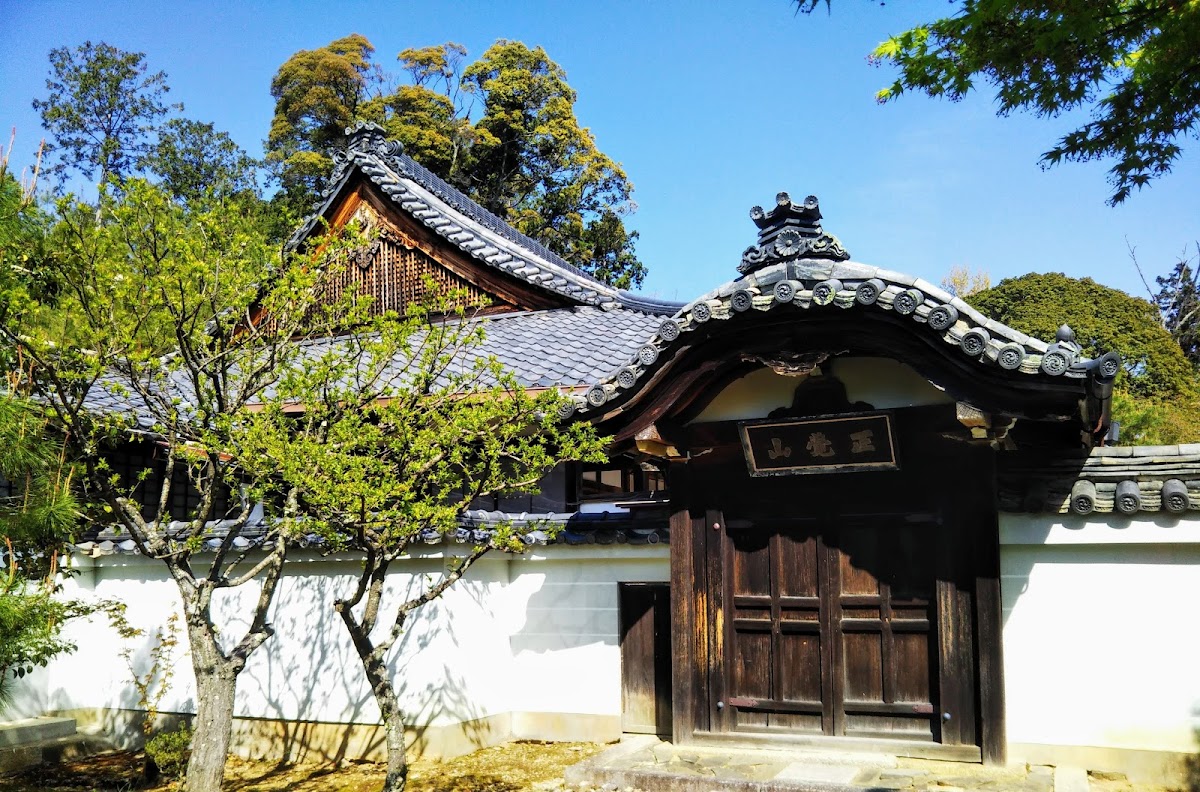
Myokoji Temple, located in Utano-Kaminotani-cho, Ukyo-ku, Kyoto City, Kyoto Prefecture, is a temple belonging to the Rinzai sect Kenninji branch. The temple’s mountain name is Shōkakuzan, and its principal image is a statue of Shakyamuni Buddha. The founder was Kazan’in Morotsugu, and the first abbot was Shinchi Kakushin, also known as Hōtō Kokushi, a highly respected Buddhist monk.
Myōkōji Temple’s founding dates back to the Kamakura period. Shinchi Kakushin traveled to Song Dynasty China, underwent Zen training, and returned to Japan, making significant contributions to the development of the Rinzai school of Zen Buddhism. With the patronage of Kazan’in Morotsugu, the temple was built on a scenic spot on the slopes of Murakami Mountain.
Temple Rank and Kyoto’s Ten Temples
Myōkōji Temple is a renowned temple counted among Kyoto’s Ten Temples. Kyoto’s Ten Temples refer to the second-highest ranked temples in the Zen temple ranking system established by the Muromachi Shogunate, representing a group of important temples second only to the Five Mountains. This temple rank indicates that Myoko-ji Temple held an important position within the Zen Buddhist community in Kyoto.
During the Edo period, with the support of the wealthy merchant, Itoya Koki, the temple grounds were improved and the temple buildings were rebuilt. Many of the important structures that remain today were completed during this period.
Highlights of the Temple Grounds
Main Hall and Abbot’s Quarters
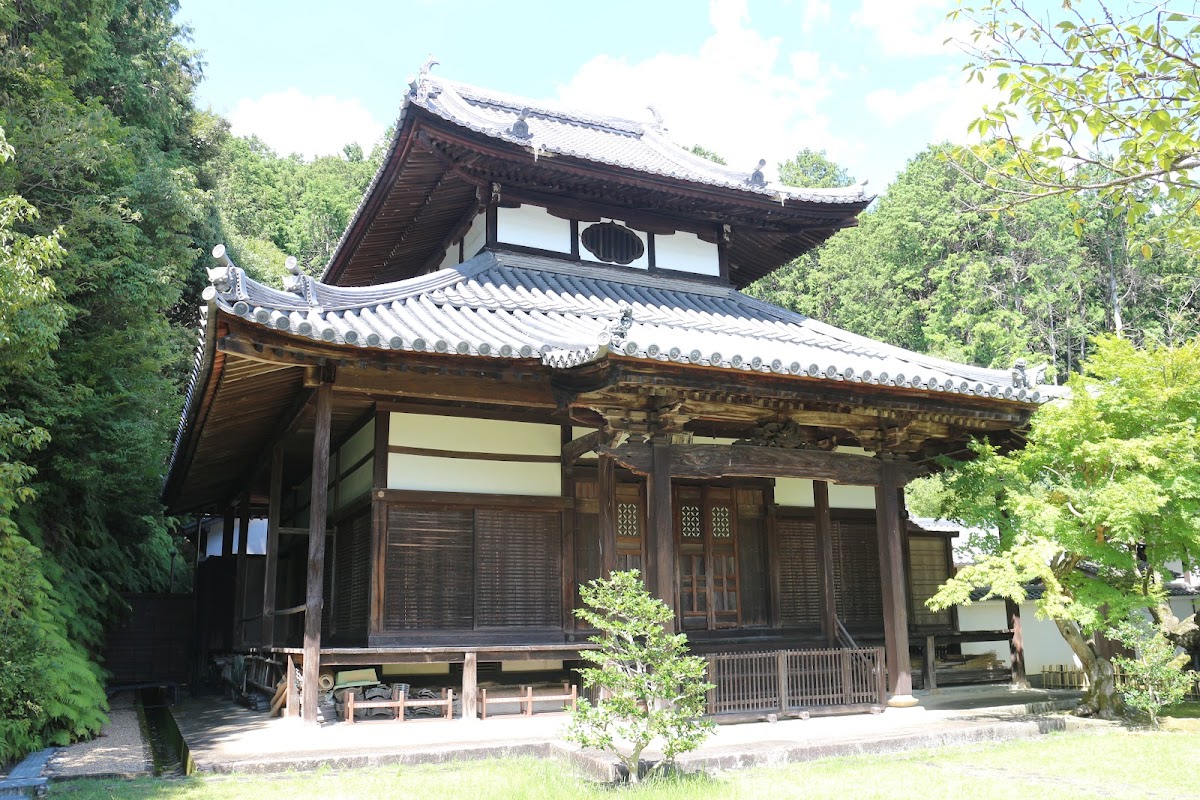
Myoko-ji Temple’s main hall was rebuilt during the Edo period and houses a statue of Shakyamuni Buddha as its principal image. The hall exudes a simple yet solemn atmosphere characteristic of Zen temples, quietly welcoming visitors.
The abbot’s quarters are designated as a tangible cultural property by Kyoto City and retain many characteristics of Edo-period Zen architecture. The building incorporates the Shoin-zukuri style, and its harmony with the fusuma paintings and garden is remarkable.
Path to Emperor Murakami’s Mausoleum
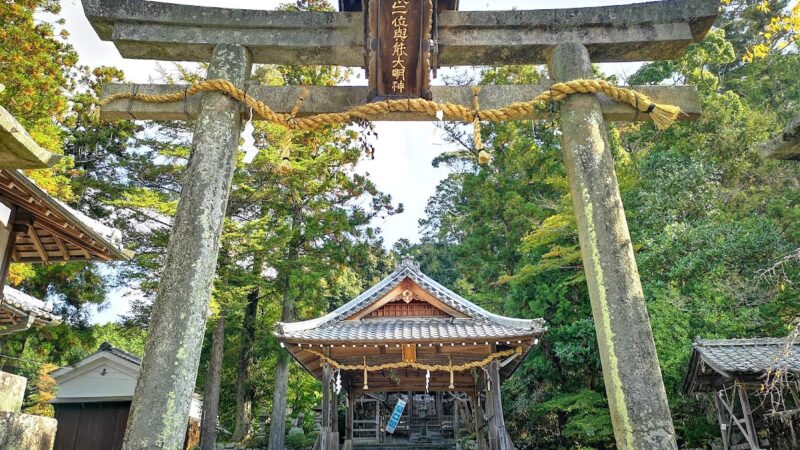
A path to Emperor Murakami’s mausoleum continues from the side of Myoko-ji Temple grounds. This path, starting from beside Fukuoji Shrine, the starting point of the Shuzan Kaido road, ascends Murakami Mountain, passes through Myokoji Temple, and leads to the Emperor’s Mausoleum. It is known as a historical pilgrimage route. Emperor Murakami was an emperor of the mid-Heian period, a renowned ruler known for his love of culture and encouragement of learning during the “Tenryaku Era.”
Cultural Properties
Myokoji Temple houses numerous valuable cultural properties, including important cultural properties and Kyoto City designated tangible cultural properties. Of particular note are the following:
- Hojo: Kyoto City designated tangible cultural property. A valuable building that preserves the architectural style of the Edo period.
- Buddhist Statues and Paintings: Includes the principal image of Shakyamuni Buddha, as well as Buddhist paintings by successive artists.
- Ancient Documents: Documents from the medieval to early modern periods that tell the history of the temple.
Anecdotes and Legends
Records indicate that the Three Sacred Treasures were temporarily enshrined here during the Heisei era. This is an important event demonstrating the deep connection with the Imperial family and speaks to the high status of Myoko-ji Temple.
Furthermore, there is a record that in the Edo period, Uchida Kōki, a wealthy merchant of the silk industry, donated the Shita-ma (a building where administrative and miscellaneous tasks of the temple were handled), which is an interesting historical fact for understanding the relationship between Kyoto merchants and temples at that time.
Access
Access to Myoko-ji Temple in Ukyo-ku, Kyoto City
- By Train/Bus: Get off at the “Fukuōji” bus stop on the Kyoto City Bus, then walk for about 15 minutes (uphill).
- Nearest Station: Approximately 20 minutes on foot from “Utano” Station on the Keifuku Electric Railway Arashiyama Line.
- By Car: Approximately 40 minutes from the Kyoto Minami Interchange on the Meishin Expressway. Parking is limited, so the use of public transportation is recommended.
- Address: Utano Kaminotani-cho, Ukyo-ku, Kyoto City, Kyoto Prefecture
Myoko-ji Temple in Koga City, Ibaraki Prefecture: An ancient temple of the Nichiren sect
History and Founder
Myoko-ji Temple, located in Koga City, Ibaraki Prefecture, is a temple belonging to the Nichiren sect. It is said to have been founded in Kenji 1 (1275) during the late Kamakura period by Chiba Ajari Nichiin.
Although it was originally located elsewhere, it was moved to its current location during the Keicho era (1596-1615). This period was the early Edo period, and it is thought that the layout of temples was re-evaluated as the castle town of Koga Castle was being developed.
Position in Koga
Koga City flourished as a castle town of the Koga Domain throughout the Edo period. Myokoji Temple has long been a central temple of Nichiren Buddhism in this region, attracting the faith of local residents. Even today, it plays a vital role in conveying the history of the area as an important cultural asset of Koga City.
Access
Access to Myokoji Temple in Koga City
- By Train: Walk or take a taxi from Koga Station on the JR Utsunomiya Line
- By Car: Approximately 20 minutes from the Kuki IC or Tatebayashi IC on the Tohoku Expressway
Myokoji Temple in Yachiyo City, Chiba Prefecture: Kichijoten, one of the Eight Gods of Fortune of Yachiyo
Overview and Features
Myokoji Temple in Yachiyo City, Chiba Prefecture, is a temple belonging to the Nichiren sect, and its mountain name is Jōhōzan. The principal image is a wooden statue of Shakyamuni Buddha, and Kichijoten, one of the Eight Gods of Fortune of Yachiyo, is enshrined in the back left of the main hall.
What are the Eight Gods of Fortune of Yachiyo?
The Eight Gods of Fortune of Yachiyo are a religious deity worshipped at eight temples and shrines within Yachiyo City. Kichijoten, enshrined at Myoko-ji Temple, is worshipped as a goddess who brings beauty, happiness, and prosperity, attracting many visitors.
Cultural Assets
Myoko-ji Temple houses two wooden mandalas and two statues of Nichiren Shonin. These are important objects of worship for a Nichiren Buddhist temple and valuable cultural assets that tell the story of the temple’s history.
Access
Access to Myokoji Temple in Yachiyo City
- By Train: Take a bus or taxi from the nearest station on the Toyo Rapid Railway Line or Keisei Main Line.
- By Car: Accessible via the Keiyo Expressway or Higashi-Kanto Expressway.
Myokoji Temple in Mobara City, Chiba Prefecture: Santaisan Myokoji Temple
History and Merger History
Myokoji Temple in Mobara City, Chiba Prefecture, belongs to the Nichiren sect and its mountain name is Santaisan. This temple has a noteworthy history.
In 1884 (Meiji 17), the 69th head priest of Mobara-ji Temple, Jinbo Nichijun (Ichikaiin Nichijun), merged three temples: Myogyo-ji, Shozen-ji, and Enkyo-ji, and renamed them Santaisan. The former name of Mobara-ji Temple, “Myokoji,” was then adopted as the temple’s name.
Myoko-ji Temple in the Modern Era
In 2014 (Heisei 26), the temple underwent renovations and restorations, and continues to function as a center of local faith. As a rare temple with a history of temple mergers during the Meiji era, it occupies an important position in the religious history of Mobara City.
Myoko-ji Temple in Shinagawa Ward, Tokyo: A Nichiren Shoshu Temple
History and Relocation
Myoko-ji Temple, located in Shinagawa Ward, Tokyo, is a temple belonging to the Nichiren Shoshu sect. Its mountain name is Koshōzan.
It was established in 1616 (Genna 2) in Ukishima Village, Suntō District, Suruga Province (near present-day Numazu City, Shizuoka Prefecture). The founder was Nichishō, the 15th head priest of Taiseki-ji Temple of Nichiren Shoshu. Later, in 1895 (Meiji 28), it relocated to its current location in Shinagawa Ward, where it remains today.
Characteristics of Nichiren Shoshu
Nichiren Shoshu is a Buddhist sect founded by Nichiren, with Taiseki-ji Temple as its head temple. Myoko-ji Temple in Shinagawa Ward is an important Nichiren Shoshu temple in Tokyo, supporting the religious lives of its followers.
Myoko-ji Temple in Niigata City, Niigata Prefecture: The Three Mantras of Kakudahama
History and Relationship with Nichiren
Myoko-ji Temple, located in Kakudahama, Nishikan-ku, Niigata City, Niigata Prefecture, is a temple belonging to the Nichiren sect, with the mountain name Kakuda-san. Its former head temple was Honkoku-ji Temple (Rokujo-monryu), and it belongs to the Tenshi Hōen (Tento-kai) lineage.
There is a legend that in 1271, Nichiren Shonin, on his way to exile on Sado Island via Teradomari, visited this area, and it is known as the “Three Mantras of Kakudahama,” stemming from this event.
The Three Sutras of Kakudahama
The Three Sutras of Kakudahama refer to a form of Nichiren Buddhist faith passed down in this region, and Myoko-ji Temple is one of the central temples associated with it. The faith of chanting the sutra in remembrance of Nichiren Shonin continues to this day.
Myoko-ji Temple in Edogawa Ward, Tokyo: A Nichiren Buddhist Temple in Kasai
History and the Shichimen-den Hall
Myoko-ji Temple, located in Edogawa, Edogawa Ward, Tokyo, is a temple belonging to the Nichiren sect. It was founded during the Genki era (1570-1573) by Nichino (died 1585). Its former head temple was Myosho-ji Temple.
Within the temple grounds is the Shichimen-den Hall, which enshrines a statue of Shichimen Tennyo (Seven-Faced Goddess) said to have been pulled up by a fisherman off the coast of Kasai. The legend surrounding this statue is an interesting resource for understanding the folk beliefs of Edogawa Ward.
The Kasai Region in the Edo Period
During the Edo period, the Kasai region was a rural area near Edo (present-day Tokyo), and fishing was also a thriving industry. Myoko-ji Temple has served as a center of faith for the local residents, walking hand-in-hand with the community from the Edo period to the present day.
Common Characteristics of Myoko-ji Temples Nationwide
Diversity of Sects
Looking at Myoko-ji temples throughout Japan, we can see that they span multiple sects, including the Rinzai sect’s Kennin-ji branch, the Nichiren sect, and the Nichiren Shoshu sect. This is thought to be because the name “Myoko” is a universal term in Buddhism representing “wonderful light,” that is, the light of Buddha’s wisdom.
Centers of Regional Faith
Each Myoko-ji temple has functioned as an important center of faith in its respective region. Myoko-ji Temple in Kyoto, as a center of Zen Buddhist culture, and the various Myoko-ji temples of the Nichiren sect, as centers of worship, are deeply rooted in their local communities.
Preservation of Cultural Properties
Many Myokoji temples house and manage important cultural properties and locally designated cultural properties. These temples are not merely places of worship, but play a crucial role in passing on Japanese history and culture to future generations.
Precautions When Visiting
General Manners
When visiting Myokoji temples, please note the following:
- Attire: Avoid overly casual clothing and wear appropriate attire.
- Photography: Photography is often permitted within the temple grounds, but it may be prohibited inside the main hall, so always check beforehand.
- Quietness: Temples are places of training and prayer. Refrain from loud conversations and pray quietly.
- Offerings: When visiting, offering a donation or monetary offering helps support the maintenance and management of the temple.
Importance of Prior Confirmation
Especially for temples located on mountainsides, such as Myokoji in Kyoto, it is recommended to check in advance regarding visiting hours and whether visits are permitted. Also, special public viewings of cultural properties may be for a limited time only, so please check the latest information before visiting.
Nearby Facilities and Sightseeing
Kyoto – Myokoji Temple Area
The following sightseeing spots are located around Myokoji Temple in Kyoto:
- Fukuoji Shrine: A shrine located at the starting point of the Shuzan Kaido road
- Emperor Murakami’s Mausoleum: A historical mausoleum connected to Myokoji Temple by a pilgrimage route
- Ninna-ji Temple: The head temple of the Omuro branch of Shingon Buddhism, registered as a World Heritage Site (approximately 10 minutes by car)
- Ryoan-ji Temple: A World Heritage temple famous for its rock garden (approximately 15 minutes by car)
Koga – Myokoji Temple Area
The following spots can be visited around Myokoji Temple in Koga City:
- Koga Castle Ruins: The site of the castle of the Koga Shogun
- Koga Historical Museum: A facility where you can learn about the history and culture of Koga
- Koga General Park: A park famous for its peach blossoms
Events and Annual Festivals
Main Events of Nichiren Buddhist Temples
Myoko-ji Temple, belonging to the Nichiren Buddhist sect, holds the following annual events:
- Oeshiki: A memorial service held around the anniversary of Nichiren Shonin’s death (October 13th)
- Setsubun-e: A memorial service held around February 3rd
- Obon Memorial Service: A memorial service during the Obon period in August
- Higan-e: A memorial service centered around the spring and autumn equinoxes
Events of Rinzai Buddhist Temples
Myoko-ji Temple, of the Rinzai Buddhist Kennin-ji sect in Kyoto, holds events unique to Zen Buddhist temples.
- Rohatsu Sesshin: A Zen meditation retreat held from December 1st to 8th.
- Kaisanki: A memorial service held on the anniversary of the death of the temple’s founder, Hōtō Kokushi.
Origin and Meaning of the Name Myōkōji
Buddhist Meaning of “Myōkō”
The word “Myōkō” in Buddhism represents “wonderful light,” that is, the light of the Buddha’s wisdom and compassion. The Lotus Sutra features Myōkō Bodhisattva, who is said to have been the teacher of Manjushri Bodhisattva in a past life.
Many Buddhist temples adopt the name “Myōkōji” because of the profound Buddhist meaning and the desire for enlightenment in their faith.
Uniqueness of Each Temple
While sharing the same name “Myōkōji,” each temple possesses its own unique history, sect, and cultural assets. This is a good example of how Japanese Buddhism has developed in diverse ways in different regions.
Summary
Temples bearing the name Myokoji are scattered throughout Japan, each playing an important role in conveying the history and culture of its region. Myokoji of the Rinzai sect, Kenninji branch, in Kyoto, is one of Kyoto’s Ten Great Zen Temples, embodying the essence of Zen culture. Nichiren sect Myokoji temples in Koga, Yachiyo, Mobara, Niigata, and Edogawa, among others, have supported the faith of local residents as centers of chanting the title of the Lotus Sutra.
Visiting these temples allows for a deep understanding of the diversity of Japanese Buddhism and the history of faith in each region. Touching cultural artifacts preserved over long histories in the tranquil atmosphere of the temple grounds, and reflecting on the faith of our ancestors, will be a valuable experience for us living in the modern age.
When visiting, learning about the historical background and cultural artifacts of each temple beforehand and visiting with respect will lead to a deeper understanding and greater appreciation. We sincerely hope that the “wonderful light” embodied in the name Myokoji will continue to illuminate the hearts of those who visit.