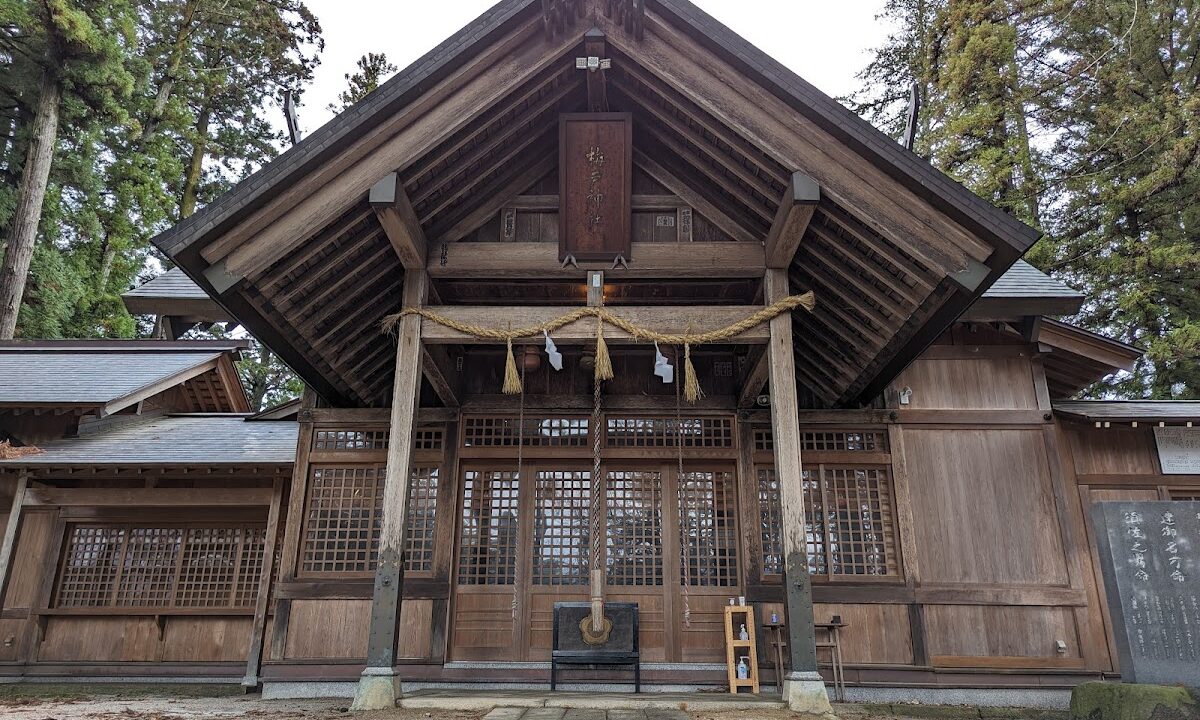
Umeto Shrine (Iijima Town, Nagano Prefecture) Complete Guide | History, Deities, Festival Lion Dance, and Access Information
Umeto Shrine, located in Iijima Town, Kamiina District, Nagano Prefecture, is a historical shrine said to have been founded during the reign of Emperor Nintoku. Situated near Iijima Station, its grounds, surrounded by a dense forest, continue to welcome many worshippers as a center of local faith. It is also known for its festival lion dance, which has been performed since the mid-Edo period, and plays an important role as a regional cultural heritage.
History and Origins of Umeto Shrine
Founding and Ancient Origins
The founding of Umeto Shrine is said to date back to the reign of Emperor Nintoku (late 4th to early 5th century). This period corresponds to the middle of the Kofun period, a time when centralization was progressing and the influence of the imperial court began to extend to the provinces. The fact that a shrine was established in Iijima, located at a transportation hub in the Ina Valley, speaks to the importance of this region.
History and Origins of Umeto Shrine
Founding and Ancient Origins
The founding of Umeto Shrine is said to date back to the reign of Emperor Nintoku (late 4th to early 5th century). This period corresponds to the middle of the Kofun period, a time when centralization was progressing and the influence of the imperial court began to extend to the provinces. The establishment of a shrine in Iijima, located at a transportation hub in the Ina Valley, speaks to the importance of this region. While detailed records of its founding are not available, the shrine has long been revered as the local tutelary deity and a place where people pray for abundant harvests and peace in the region.
Development during the Momoyama Period
Umedo Shrine experienced significant development during the Momoyama period (late 16th century). During this time, Iijima flourished as the center of Ina and functioned as an important post town. As a transportation hub connecting the Nakasendo and Sanshu Kaido roads, it saw a constant flow of travelers and merchants, leading to economic and cultural development.
Against this backdrop, Umedo Shrine gained reverence from local residents and travelers as the guardian deity of the post town. It is believed that the number of worshippers praying for business prosperity and safe travels increased, and the shrine’s status rose as a result.
Relationship with the Iijima Jinya during the Edo Period
With the arrival of the Edo period, a new development occurred in the history of Umedo Shrine. The Iijima Jinya magistrate’s office was established in Iijima, and the region came under the direct control of the shogunate. The Iijima Jinya (fortified residence) functioned as an important administrative center in the Ina Valley, and officials, including the local magistrate, were stationed there.
The officials of the Jinya held deep faith in Umedo Shrine and made numerous donations. They supported the shrine in various ways, including the repair of the shrine buildings, the maintenance of festivals, and the improvement of the shrine grounds. Through these donations, Umedo Shrine’s buildings and grounds were improved throughout the Edo period, shaping its present-day appearance.
The close relationship between the Jinya and the shrine demonstrates the importance of shrines in the local community at the time. It reveals one aspect of Edo-period governance: the protection of shrines by the rulers to ensure regional stability and development.
Changes After the Meiji Restoration
Following the Meiji Restoration, the separation of Shinto and Buddhism and the abolition of the feudal domains led to a period of significant transformation for Japanese shrines. Umedo Shrine was no exception, and its positioning within the modern shrine ranking system became crucial. However, the faith of the local people remained unchanged, and it continued to be revered as the tutelary deity.
Even as the eras of Showa, Heisei, and Reiwa have changed, Umedo Shrine has continued to play a central role in the local community. The maintenance of traditional festivals and the preservation of the shrine grounds are the result of dedicated efforts by local residents.
Deities and Divine Virtues
The deities enshrined at Umedo Shrine have a strong character as local tutelary deities, and have been worshipped since ancient times as gods protecting the land. Generally, tutelary deities are considered gods that protect people born in that land throughout their lives, and are revered as lifelong guardian deities.
Divine Virtues
Umedo Shrine is believed to possess the following divine virtues:
- Abundant Harvest: Since the time when agriculture was the primary industry, it has been worshipped as a place to pray for a bountiful harvest.
- Business Prosperity: As the guardian deity of a post town, it has a history of watching over the development of commerce.
- Regional Peace and Security: As the local tutelary deity, it protects the peace and safety of the entire region.
- Family Safety: It is a beloved place where local residents pray for the happiness and safety of their families.
- Traffic Safety: Located at a key transportation hub, it is also a place where people pray for safe travels.
Traditional Festival Lion Dance
Cultural Heritage Dating Back to the Mid-Edo Period
One of the most distinctive features of Umedo Shrine is the festival lion dance, which has continued since the mid-Edo period. This traditional performing art is dedicated at the autumn festival and is preserved as an important intangible cultural heritage of the region.
The Yatai Shishimai (festival lion dance) has a unique form in which the lion dance is performed on a decorated float. This tradition, believed to have begun in the mid-Edo period, boasts a history of nearly 300 years and has been passed down to the present day through the efforts of local people.
Characteristics and Significance of the Lion Dance
The Yatai Shishimai has the following characteristics:
- Float Decoration: The elaborately carved and decorated floats are a testament to the craftsmanship of Edo-period artisans.
- Lion Dance: The brave and elegant lion dance has the meaning of warding off evil spirits and praying for a bountiful harvest.
- Community Unity: The bonds of the local community are strengthened through the preparation and execution of the festival.
- Intergenerational Transmission: Techniques are passed down to younger generations, preserving the traditional culture.
The lion dance is not merely a performance; it has religious significance as an offering to the gods and embodies the history and identity of the region. The annual festival performances also play a role in fostering local pride and community spirit among residents.
Autumn Grand Festival
The autumn grand festival, where the Yatai Shishimai (float lion dance) is performed, is the most important festival among Umedo Shrine’s annual events. Local residents participate in the preparations, and the day is bustling with many worshippers and spectators.
During the festival, after the solemn Shinto rituals are performed, the Yatai Shishimai is offered. The sight of the lions dancing to the sounds of flutes and drums is breathtaking and captivates the audience. Through the festival, the history and culture of the region are surely passed down to the next generation.
Highlights of the Shrine Grounds
Thick Shrine Grove
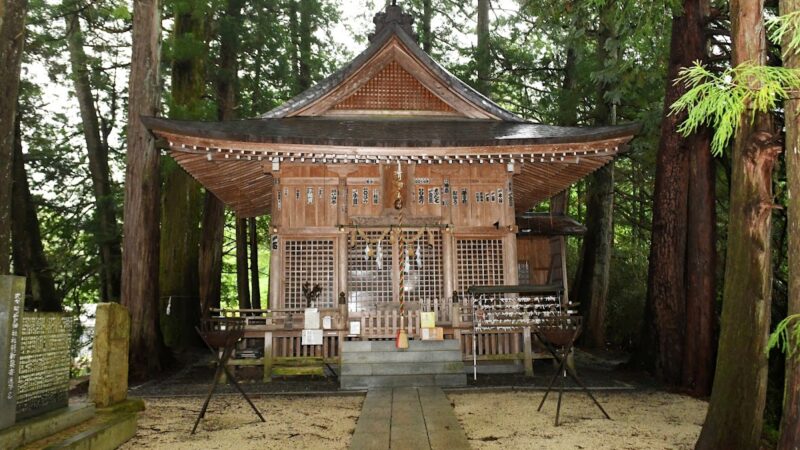
The grounds of Umedo Shrine are surrounded by a thick shrine grove. A shrine grove is a forest surrounding a shrine, a natural forest that has been protected as a sacred area since ancient times. The sacred grove of Umedo Shrine boasts a rich ecosystem formed over many years, making it a valuable natural environment for the region.
Various trees grow within the grove, allowing visitors to experience the changing seasons. From the fresh green of spring, the deep green of summer, the vibrant autumn foliage, to the tranquility of winter, the grove displays different expressions with each season, offering visitors healing and peace.
Shrine Buildings and Grounds
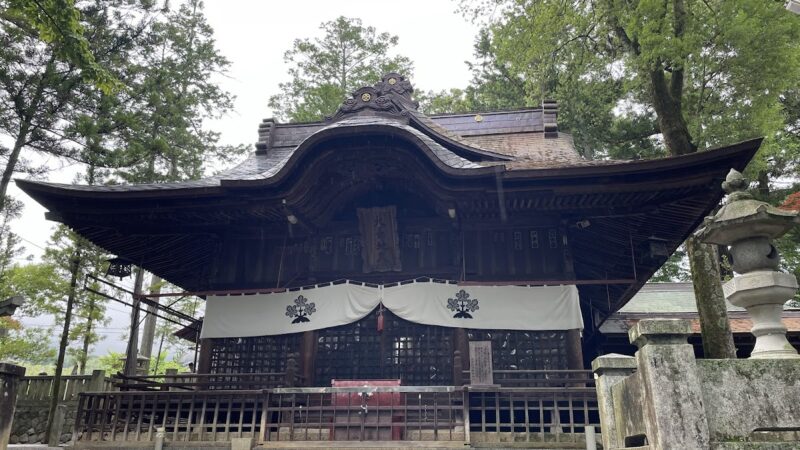
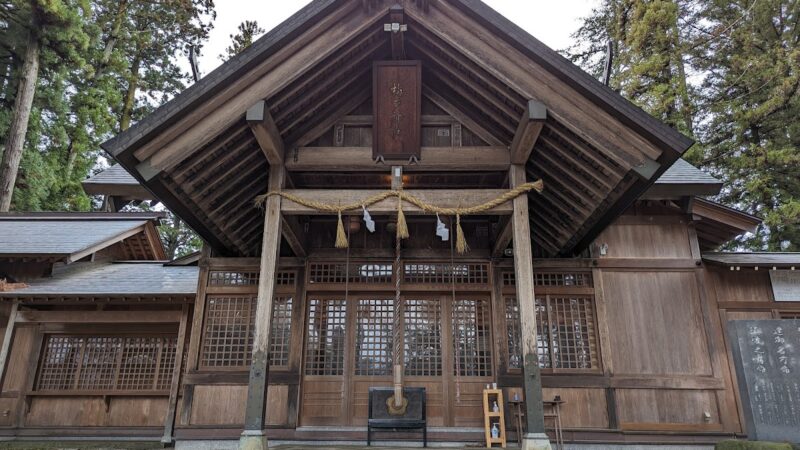
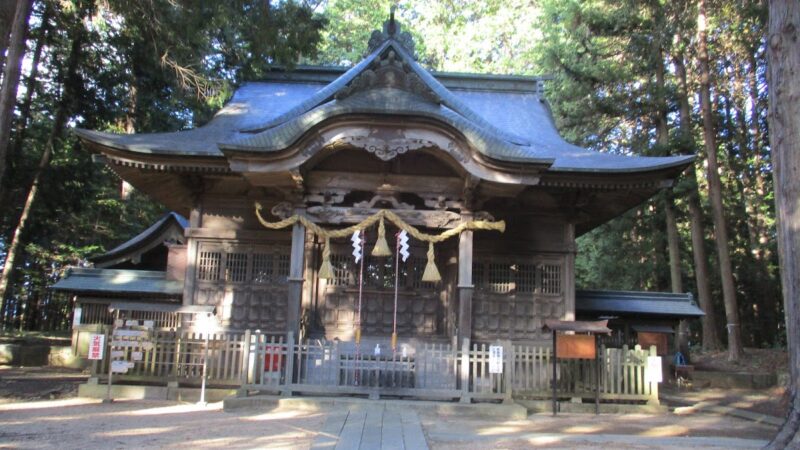
The shrine buildings of Umedo Shrine have a history dating back to the Edo period and have been maintained through the faith and donations of the local people. The basic components of shrine architecture, such as the main hall, worship hall, and torii gate, are all present, allowing visitors to experience the atmosphere of a traditional shrine.
The grounds also feature a purification fountain, lanterns, and guardian lion-dogs, welcoming visitors. Some of these facilities and offerings may have been donated during the Edo period by officials of the Iijima Jinya (fortified residence) or influential local figures, giving them historical value.
A Serene Place of Worship
Despite its relatively accessible location near Iijima Station, the grounds of Umedo Shrine are enveloped in a serene atmosphere. A dense forest forms a boundary with the outside world, creating a special space befitting a sacred area.
Even in today’s increasingly urbanized world, the preservation of such a sacred space is precious. It is a place where one can escape the hustle and bustle of everyday life and worship in peace, cherished not only by local residents but also by visitors from afar.
The History of Umedo Shrine and Iijima Town
A Transportation Hub in the Ina Valley
Iijima Town is located in the central part of the Ina Valley and has flourished as a transportation hub since ancient times. The Ina Valley, stretching north and south, was one of the important routes connecting the Nakasendo and Tokaido roads, and was a point where many highways intersected.
The area of Iijima, where Umedo Shrine is located, was situated at this transportation junction and developed as a post town. As a place where travelers and merchants passed through and goods and information gathered, it became the center of the region’s economy and culture.
Historical Significance of Iijima Jinya
Established during the Edo period, the Iijima Jinya played a crucial role as the shogunate’s administrative base in the Ina Valley. As a magistrate’s office, it was responsible for administrative duties such as tax collection, lawsuit resolution, and maintaining public order, and it oversaw a wide range of villages.
The existence of the Jinya brought political and economic importance to the town of Iijima. Officials and merchants gathered there, and the town further developed. The fact that Umedo Shrine received deep faith and donations from Jinya officials indicates that the shrine was a central presence in the local community.
Iijima Town and Umedo Shrine in Modern Times
Since the Meiji era, Iijima Town has developed as an agricultural-based region, even while being affected by the wave of modernization. Sericulture and fruit cultivation flourished, supporting the local economy.
Even amidst these changes, Umedo Shrine has continued to exist as a spiritual pillar of the community. Through festivals and annual events, shrines have maintained community bonds and contributed to the preservation of traditional culture. Even today, shrines are cherished as symbols of local identity.
Etiquette for Visiting a Shrine and Annual Events
Basic Etiquette for Visiting a Shrine
When visiting Umedo Shrine, it is advisable to observe the following basic etiquette:
- Bow at the Torii Gate: Bow before entering the shrine grounds.
- Walking the Path: Walk along the edge of the path, as the center is considered the path of the gods.
- Water Purification Etiquette: Purify your hands at the water basin in the order of left hand, right hand, and mouth.
- Worship at the Main Hall: Worship using the two bows, two claps, and one bow ritual.
- Bow Upon Exit: When leaving the shrine grounds, turn around and bow after passing through the torii gate.
Annual Events
Umedo Shrine holds various festivals and events throughout the year:
- New Year’s Day Festival: Welcome the new year and pray for peace throughout the year.
- Spring Festival: A prayer for a bountiful harvest as spring arrives.
- Summer Purification Ceremony: A prayer for good health and protection from illness, cleansing away the impurities accumulated over the past six months.
- Autumn Grand Festival: The most important festival, featuring a traditional lion dance performance.
- Shichi-Go-San Festival: A celebration of children’s growth and prayers for their continued well-being.
- Year-End Purification Ceremony: A prayer for the cleansing of the year’s impurities, preparing for the New Year.
These events contribute to the rhythm of life for the local community and provide an opportunity to feel the changing seasons.
Access Information
Location
Address: 2434 Kaminoyama, Iijima-machi, Kamiina-gun, Nagano Prefecture
Access by Train
- Approximately 5 minutes on foot from JR Iida Line “Iijima Station”
- Iijima Station is a major station where express trains also stop, making access convenient.
- Accessible from both Nagoya and Nagano.
Access by Car
- Approximately 15 minutes from Chuo Expressway “Komagane IC”
- Approximately 20 minutes from Chuo Expressway “Matsukawa IC”
- Accessible from National Route 153.
- Parking may be available on the shrine grounds or nearby, but congestion is expected during festivals.
Nearby Tourist Attractions
When visiting Umedo Shrine, we recommend also visiting other tourist attractions in Iijima-machi and the Ina Valley:
- Senjinzuka Park: Known as a famous cherry blossom viewing spot, it is bustling with many cherry blossom viewers in spring.
- Yodagiri Park: A comprehensive park where you can enjoy outdoor activities.
- Central Alps: You can enjoy magnificent views of the Central Alps from Iijima Town.
- Michi-no-Eki Tagiri-no-Sato: You can purchase local agricultural products and specialty goods.
The Charm of Visiting Umedo Shrine
A Space Where You Can Feel History
The greatest charm of Umedo Shrine is that you can feel firsthand the long history that has continued since the reign of Emperor Nintoku. Memories of various eras are etched into the shrine grounds, including a history of faith spanning over 1500 years, the prosperity of the post town during the Momoyama period, and its relationship with the Iijima Jinya (fortified residence) during the Edo period.
From the ancient trees in the shrine grove and the appearance of the shrine buildings, you can feel the weight of faith that has been passed down through the ages. For history buffs, it will be a valuable place to learn about local history.
Inheritance of Traditional Culture
The Yatai Shishimai (float lion dance), which has continued since the mid-Edo period, is a cultural asset unique to Umedo Shrine. Witnessing the lion dance performed at the autumn festival allows you to truly appreciate the beauty of the region’s traditional culture.
The traditional performing arts, preserved by generations of local people, are not merely tourist attractions, but a living culture that continues to thrive. Experiencing the efforts and passion behind its preservation will be a valuable experience for visitors.
Harmony with Nature
The shrine grounds, surrounded by a dense forest, offer a space where you can feel harmony with nature. Even in today’s increasingly urbanized world, the shrine’s forest contributes to the conservation of biodiversity and serves as a hub for regional environmental preservation.
Visiting the shrine while experiencing the changing seasons will refresh your mind and body. Listening to the sounds of nature in the quiet grounds and finding peace of mind is a precious experience rarely found in daily life.
Interaction with the Local Community
Umedo Shrine is deeply cherished by the local people. Participating in festivals and events allows you to feel the warmth and unity of the local community.
Because it’s a small, local shrine, visitors and locals feel close and can receive warm hospitality. It offers a more intimate and heartwarming experience than large, urban shrines.
Notes and Manners for Visiting
Clothing and Items
While no special attire is required for visiting a shrine, it’s desirable to dress appropriately, mindful of entering a sacred area. Especially during festivals and formal visits, avoid overly casual clothing.
We recommend wearing comfortable shoes. Since the shrine grounds are surrounded by nature, insect repellent may be useful depending on the season.
Photography
Photography is generally permitted on the shrine grounds, but it’s best to refrain from taking photos during religious ceremonies and festivals, or obtain permission beforehand. Please be considerate of other visitors.
Always obtain permission before taking photos inside the shrine buildings or of Shinto priests.
Maintaining Silence
The shrine grounds are a sacred place. Refrain from loud conversations and noisy behavior, and worship quietly. Especially when other worshippers are offering prayers, consideration should be given to avoiding disturbing them.
Regarding Pets
Pet policies vary from shrine to shrine. When visiting Umedo Shrine, please check in advance or follow the signs on the grounds. Even if pets are permitted, please keep them on a leash and fulfill your responsibilities as a pet owner, such as cleaning up after them.
Summary: The Value and Significance of Umedo Shrine
Umedo Shrine in Iijima Town, Nagano Prefecture, is a shrine with many attractions, including a long history dating back to ancient times, a traditional lion dance performed on a portable shrine since the mid-Edo period, and a sacred space surrounded by a dense forest.
With a history dating back to the reign of Emperor Nintoku, its role as the guardian deity of a post town during the Momoyama period, and its deep connection to the Iijima Jinya (fortified residence) during the Edo period, it is a shrine closely intertwined with the history of the region and is still cherished by the local people.
The continuation of the traditional lion dance on a portable shrine is an important activity that protects the cultural identity of the region. The traditions passed down through generations strengthen the bonds of the local community and foster pride in their hometown.
Its convenient location, within walking distance of Iijima Station, is another attractive feature. When you visit the Ina Valley, be sure to stop by Umedo Shrine and experience its history, culture, and tranquil atmosphere.
Preserved through the faith and efforts of the local people, Umedo Shrine will continue to be cherished by many as a spiritual pillar of the region, connecting the past, present, and future.