Complete Guide to Kiribayashi Hachiman Shrine (Nagano Prefecture): History, Deities, Access, and Goshuin Information
Kiribayashi Hachiman Shrine, located in Nagano Prefecture, is a valuable shrine that conveys the history and culture of the region to the present day. This article provides a detailed introduction to Kiribayashi Hachiman Shrine, including its history, enshrined deities, highlights of the grounds, visiting information, and access methods.
About Kiribayashi Hachiman Shrine
Kiribayashi Hachiman Shrine is one of the Hachiman shrines located in Nagano Prefecture, and is a historical shrine that has attracted the faith of local residents. While there are many shrines dedicated to Hachiman throughout Japan, each has cultivated its own unique history and culture in its respective region.
About Hachiman Faith
Hachiman faith is one of the representative Shinto beliefs in Japan. Hachiman, with Emperor Ojin as its principal deity, has been revered since ancient times as a god of military fortune and a god of national protection. From the Heian period onward, Hachiman worship spread throughout samurai society as the tutelary deity of the Minamoto clan, and during the Kamakura period, Hachiman shrines were established throughout Japan.
Nagano Prefecture was a base for the Shinano Minamoto clan during the medieval period, and Hachiman worship is deeply rooted in this region. It is believed that Kiribayashi Hachiman Shrine, within this historical context, has been revered as a guardian deity of the region.
History and Origins of Kiribayashi Hachiman Shrine
Founding History
The founding period of Kiribayashi Hachiman Shrine is estimated based on local oral traditions and records. Like many local Hachiman shrines, it is thought to have been established during the medieval to early modern period by influential local figures or residents.
Many Hachiman shrines in Nagano Prefecture were built in various locations from the Kamakura to Muromachi periods, along with the advancement of the samurai class. It is highly probable that Kiribayashi Hachiman Shrine was also founded during this period, along with regional development and the formation of settlements.
Connection to the Region
Kiribayashi Hachiman Shrine has a deep connection to the place name “Kiribayashi.” The place name Kiribayashi is said to originate from the fact that many paulownia trees once grew in this area. Paulownia wood has long been prized as a high-quality timber, used for chests of drawers and musical instruments.
The shrine has served as a spiritual center for local residents, a place for prayers for abundant harvests, family safety, and protection from evil. The festivals held throughout the year play an important role in strengthening community bonds.
Changes Since the Modern Era
Many shrines underwent significant changes due to the Meiji-era separation of Shinto and Buddhism. It is presumed that Kiribayashi Hachiman Shrine also underwent a reorganization of its rank and improvements to its grounds during this period.
During the Showa period, after enduring the difficult times of war, it was maintained and managed by local residents during the post-war reconstruction. Even today, it is carefully preserved by local parishioners and devotees.
Deities and Divine Virtues
Main Deity: Emperor Ōjin (Homudawake no Mikoto)
The main deity of Kiribayashi Hachiman Shrine is Emperor Ōjin, also known as Homudawake no Mikoto, and is known as Hachiman-sama. Emperor Ōjin was the 15th Emperor of Japan and a historical figure who is said to have contributed to the introduction of continental culture and the strengthening of national power.
Enshrined Deities
Many Hachiman shrines enshrine Emperor Ōjin along with his mother, Empress Jingū, and Himegami. It is possible that these deities are also enshrined at Kiribayashi Hachiman Shrine.
Divine Virtues (Benefits)
Hachiman is believed to possess the following divine virtues:
- Long-lasting Military Fortune and Good Luck in Competitions: Due to his nature as a god of war, he is prayed to for success in competitions and contests.
- Protection from Misfortune and Bringing Good Fortune: He wards off misfortune and brings good fortune.
- Family Safety: He protects the safety and happiness of the family.
- Business Prosperity: He promotes the development of businesses and the flourishing of trade.
- Prosperity of Descendants: He prays for many children and their healthy growth.
- National Security: He prays for peace and stability in the local community.
Highlights of the Shrine Grounds
Shrine Architecture
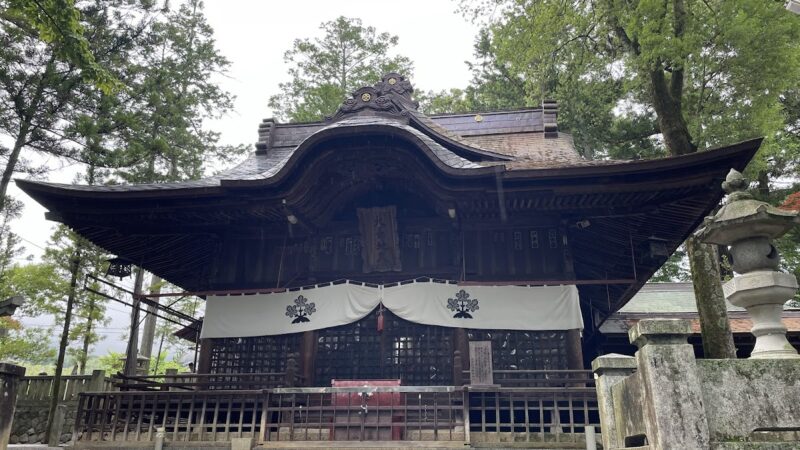
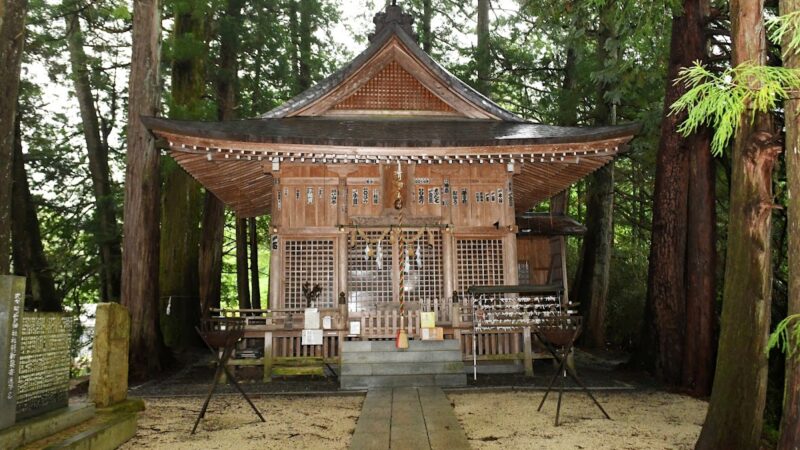
The shrine buildings of Kiribayashi Hachiman Shrine are thought to exhibit a typical architectural style for local Hachiman shrines. Composed of a main hall and a worship hall, the structure is adapted to the local climate and environment.
Shrine architecture in Nagano Prefecture is characterized by steep roof slopes and deep eaves, designed to cope with the heavy snowfall environment.
Natural Environment of the Shrine Grounds
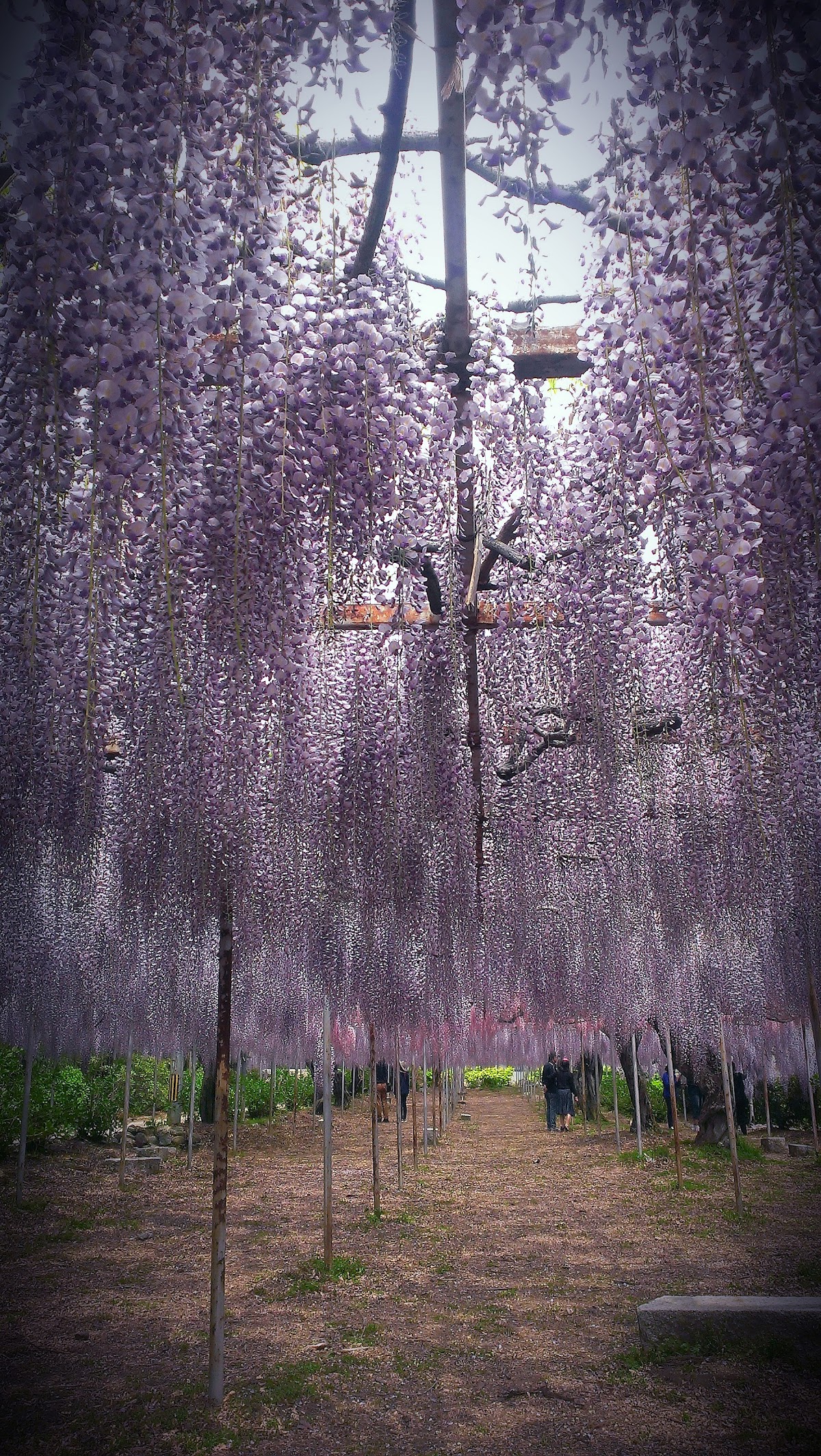
The shrine grounds often feature sacred trees and seasonal flowers, allowing visitors to enjoy the beauty of nature throughout the seasons. In particular, given the place name Kiribayashi (Paulownia Grove), it’s possible that paulownia trees are planted there.
In spring, cherry blossoms; in summer, fresh greenery; in autumn, vibrant autumn leaves; and in winter, snowscapes—the rich natural beauty unique to Shinshu welcomes visitors.
Stone Structures and Cultural Assets
Stone structures such as guardian lion-dogs, stone lanterns, and purification fountains are placed within the shrine grounds. These offerings often bear the names and dates of donors, providing clues to the history of the region.
Annual Events and Festivals
Grand Festival
Kiribayashi Hachiman Shrine holds various festivals throughout the year. The most important festival is the Grand Festival, which at many Hachiman shrines is held around the 15th of the 8th month of the lunar calendar (currently around the 15th of September).
During the annual festival, the entire community participates in the festivities, with events such as a portable shrine procession, devotional performances, and numerous food stalls.
New Year’s Events
- New Year’s Day Festival: Prayers for happiness and peace in the new year
- Dondo-yaki: A traditional event where New Year’s decorations and old amulets are burned
Other Annual Events
- Setsubun Festival: Exorcising evil spirits through bean-throwing
- Spring Festival: Celebrating the arrival of spring and praying for a bountiful harvest
- Autumn Festival: Offering thanks for the harvest
- Shichi-Go-San Festival: Celebrating the growth of children
Goshuin (Shrine Seal) Information
Regarding the Issuance of Goshuin
The issuance of Goshuin at Kiribayashi Hachiman Shrine varies depending on the size of the shrine and whether or not there are resident priests. Smaller shrines may not always offer them.
If you wish to receive a Goshuin (temple/shrine stamp), we recommend contacting the shrine in advance or checking with the local representative or parishioners.
Manners for Receiving a Goshuin (Shrine/Temple Stamp)
- Complete your prayers first: A Goshuin is proof of your visit, so always pray first.
- Prepare your Goshuincho (stamp book): Prepare a dedicated Goshuincho.
- Request politely: Request with respect to the Shinto priest.
- Prepare the offering: Generally around 300-500 yen (please have the exact amount).
- Wait quietly: Wait quietly while the Goshuin is being written.
Etiquette for Worship
Basic Worship Method
Here are some basic manners for visiting a shrine:
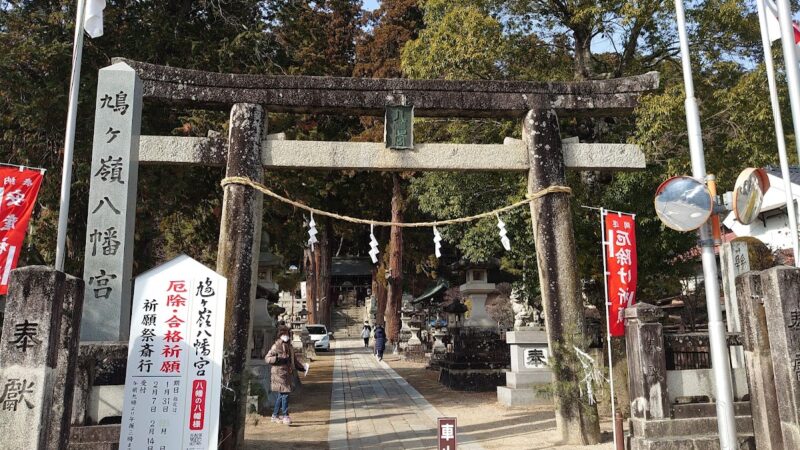
- Bow before passing through the torii gate: This is a greeting before entering the sacred area.
- Walk along the edge of the path: The center is considered the path for the gods.
- Purify yourself at the water basin:
- Hold the ladle in your right hand and purify your left hand.
- Switch the ladle to your left hand and purify your right hand.
- Hold the ladle in your right hand again, receive water in your left hand, and rinse your mouth.
- Cleanse your left hand again.
- Cleanse the handle of the ladle by holding it upright.
- Etiquette in front of the main hall:
- Quietly place your offering in the offering box.
- Ring the bell if there is one.
- Bow twice, clap twice, and bow once.
- Pray with all your heart.
- Bow upon leaving: After passing through the torii gate, turn around and bow once.
Access Information
Location
For the exact location of Kiribayashi Hachiman Shrine, you need to check the specific city or town within Nagano Prefecture. Since there may be multiple places named Kiribayashi in Nagano Prefecture, it is important to confirm the exact address before visiting.
Access by Public Transportation
Access to local shrines in Nagano Prefecture generally involves the following routes:
- By Train: To the nearest JR or private railway station
- By Bus: From the station, take a community bus or regular bus route
- On Foot: Walk from the bus stop
For local shrines, public transportation is often limited, so it is recommended to check the timetable in advance.
Access by Car
Access by car is often the most convenient:
- Use local roads from the nearest interchange
- Utilize car navigation or smartphone map apps
- In winter, be careful of snow and ice, and use snow tires
Parking
For small shrines, there may not be a dedicated parking lot. Temporary parking may be provided during festivals, so it’s a good idea to check in advance.
Nearby Tourist Attractions
Attractions of Nagano Prefecture
When visiting Kiribayashi Hachiman Shrine, combining your visit with a tour of nearby tourist attractions will make your trip even more fulfilling. Nagano Prefecture is a region with diverse attractions, including abundant nature, historical buildings, hot springs, and delicious cuisine.
Nature and Scenic Spots
- Japanese Alps: The majestic mountains of the Northern, Central, and Southern Alps
- Highland Resorts: Kamikochi, Hakuba, Karuizawa, etc.
- Lakes and Marshes: Lake Suwa, Lake Nojiri, etc.
Historical and Cultural Facilities
- Zenkoji Temple: A representative temple of Nagano City
- Matsumoto Castle: A famous castle designated as a National Treasure
- Ueda Castle: The ruins of a castle associated with the Sanada clan
Hot Spring Resorts
- Nozawa Onsen: A famous spot for skiing and hot springs
- Shirahone Onsen: Characterized by its milky white waters
- Shibu Onsen: Enjoy visiting nine public baths
Hachiman Faith in Nagano Prefecture
Shinano Province and Hachiman God
Nagano Prefecture (formerly Shinano Province) was a region where Hachiman faith flourished from ancient times to the Middle Ages. The Hachiman deity has a particularly deep connection to the Minamoto clan, with members of the Shinano Minamoto clan establishing Hachiman shrines throughout the region.
Major Hachiman Shrines
Numerous Hachiman shrines are located within Nagano Prefecture:
- Wakamiya Hachimangu (Nagano City)
- Fukashi Shrine (Matsumoto City): The main guardian shrine of the former Matsumoto Castle town
- Suwa Grand Shrine: While not dedicated to Hachiman, it is important as the Ichinomiya (first-ranked shrine) of Shinano Province.
Regional Characteristics
Nagano Prefecture has a vast area, and its culture and forms of belief vary by region. Each of the four regions—Northern Shinano, Eastern Shinano, Central Shinano, and Southern Shinano—has developed its own unique form of Hachiman worship.
Points to Note When Visiting
Attire and Manners
- Appropriate Attire: As this is a sacred place, please dress in clean and respectful clothing.
- Respect: Please refrain from speaking loudly within the temple grounds and remain quiet.
- Photography Manners: Please refrain from taking photos in areas where photography is prohibited.
- Smoking and Eating: Please refrain from smoking and drinking outside of designated areas.
Seasonal Precautions
- Spring and Autumn: These are relatively easy seasons to visit, but please be aware of the temperature difference between morning and evening.
- Summer: Even at high altitudes, the sun is strong, so please take precautions against heatstroke.
- Winter: Please be very careful of snow and ice, and take thorough precautions against the cold.
Weather Precautions
Nagano Prefecture has many mountainous areas, and the weather is unpredictable. Especially in mountainous areas, it is recommended to carry rain gear and warm clothing to prepare for sudden weather changes.
Regional Culture and Traditions
Shinshu Festival Culture
Nagano Prefecture has its own unique festival culture, passed down through generations in each region. These festivals range from large-scale events like the Onbashira Festival (Suwa Grand Shrine) to small, community-based festivals, exhibiting diverse forms.
The festival of Kiribayashi Hachiman Shrine is also considered to reflect the region’s history and traditions, and is an important cultural event for the local community.
Folk Performing Arts
Nagano Prefecture has a variety of folk performing arts, including lion dances, Kagura (sacred dance), and Taidai Kagura (grand dance). These are often performed at shrine festivals and are important elements in shaping the region’s cultural identity.
Shrine Maintenance and Community Initiatives
Ujiko System
Kiribayashi Hachiman Shrine is supported by its local ujiko (parishioners). Ujiko are local residents who believe in the shrine’s guardian deity and cooperate in its maintenance and management.
The ujiko organization is responsible for various shrine activities, including festival management, cleaning the shrine grounds, and repairing the shrine buildings. ### Depopulation and Challenges for Shrines
In recent years, due to depopulation and aging populations in rural areas, maintaining shrines has become increasingly difficult in many cases. They face various challenges, including a decline in parishioners, a shortage of Shinto priests, and the deterioration of buildings.
However, various initiatives are being undertaken to protect the history and culture of the region:
- Integration and Consolidation of Shrines: Consolidating multiple small shrines
- Volunteer Activities: Cleaning activities by supporters from outside the region, etc.
- Cultural Property Designation: Protection of historically valuable buildings and festivals
- Tourism Resource Development: Revitalization linked to regional development
Faith and Modern Society
The Modern Significance of Shrines
In modern society, shrines play a role beyond mere religious facilities:
- Spiritual Sanctuary: A place to escape the hustle and bustle of daily life and find peace of mind
- Core of the Local Community: A place where people gather and interact
- Cultural Transmission: Passing on traditional events and performing arts to the next generation
- Preservation of the Natural Environment: Protecting the ecosystem as a guardian forest
Younger Generations and Shrines
In recent years, interest in shrines among younger generations has been increasing, driven by trends such as the popularity of collecting Goshuin (shrine stamps) and visiting power spots. Information dissemination on social media has also brought attention to previously unknown local shrines.
Local shrines like Kiribayashi Hachiman Shrine have the potential to be passed down to future generations through these new forms of faith and interest.
Summary
Kiribayashi Hachiman Shrine is a community-based shrine nurtured by the rich nature and history of Nagano Prefecture. While preserving the tradition of Hachiman faith, it plays a vital role as a spiritual pillar for the local community.
Through a visit, you can experience traditional Japanese culture and local history, and find peace of mind. When you visit Nagano Prefecture, please be sure to visit Kiribayashi Hachiman Shrine.
Shrine visits are an experience with a deeper meaning than mere sightseeing. As we clasp our hands together in the quiet grounds and reflect on the history of faith preserved and passed down by our ancestors, we can feel the important bond connecting the past, present, and future.
We hope that Kiribayashi Hachiman Shrine will continue to be loved and protected by the local people. And may peace of mind and happiness be brought to all who visit.