Complete Guide to Yatsurugi Shrines: A Thorough Explanation of the History, Deities, and Blessings of Yatsurugi Shrines Nationwide
Yatsurugi Shrines (八剱神社) are historical shrines located throughout Japan, known by various spellings such as “八剣,” “八劔,” and “八劍.” This article provides a detailed explanation of the history, deities, blessings, and visiting information for major Yatsurugi Shrines across the country.
What are Yatsurugi Shrines?: Origin of the Name and Background of Beliefs
The name “Yatsurugi” (八剱) of Yatsurugi Shrines originates from the fact that eight swords are enshrined as the deity or sacred object. The number “eight” has been treated as a sacred number since ancient times, symbolizing multitude and completeness. Swords have been revered as sacred weapons since ancient times, and have been believed to possess spiritual power to ward off evil and protect against disaster.
Across Japan, the shrine is sometimes pronounced “Hakken Jinja” and sometimes “Yatsurugi Jinja,” with the name varying by region. The main deity also differs from shrine to shrine, with many enshrining war gods and heroes such as Susanoo-no-Mikoto, Okuninushi-no-Kami, and Yamato Takeru-no-Mikoto.
Yatsurugi Shrine in Suwa City, Nagano Prefecture: A subsidiary shrine of Suwa Grand Shrine (Upper Shrine)
History and Origins
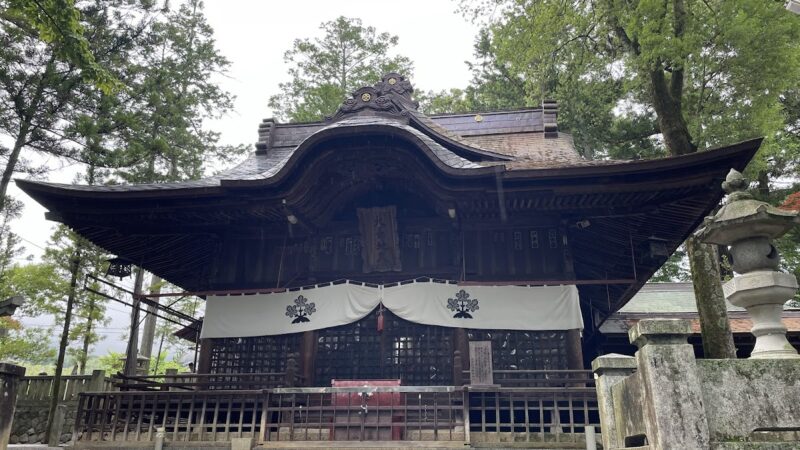
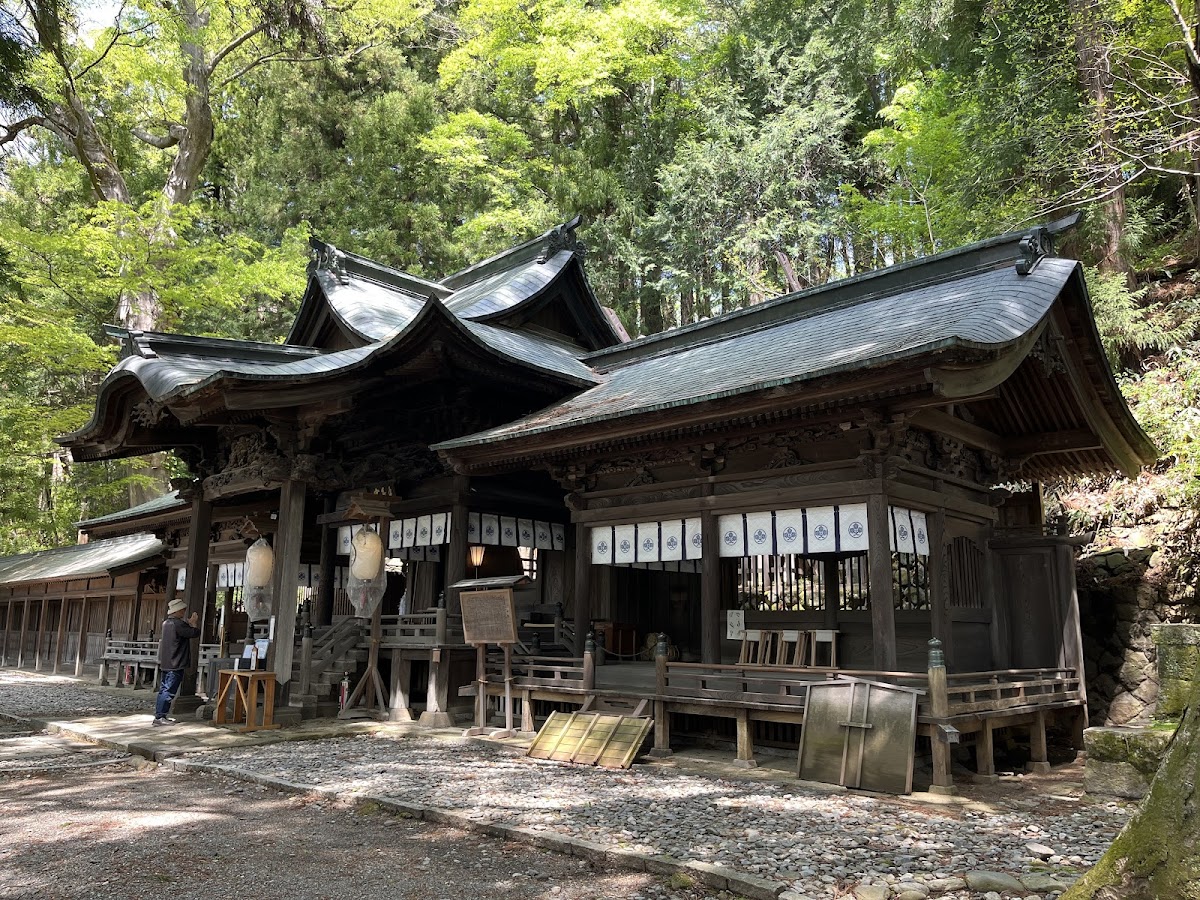
Located in Suwa City, Nagano Prefecture, Yatsurugi Shrine has long been a place of worship as a subsidiary shrine of Suwa Grand Shrine (Upper Shrine). Its former rank was Prefectural Shrine, and it is considered an important shrine in the region. While the exact founding date of this shrine is unclear, it is a valuable example of the ancient religious practices of the Suwa region.
Main Deity and Three Other Deities
At Yatsurugi Shrine in Suwa City, the following three deities are enshrined as the main deities:
- Yachihoko-no-kami: Another name for Okuninushi-no-kami, the god of martial prowess and nation-building.
- Yamato Takeru-no-mikoto: The son of the 12th Emperor Keiko, a heroic god known for his eastern expedition.
- Honda-wake-no-mikoto: The divine name for Emperor Ojin, also known as Hachiman, the god of military fortune.
These three deities all possess divine attributes related to martial prowess and protection from disaster, and are believed to bring powerful protection to worshippers.
Connection to the Suwa Lake Crossing Ceremony
In the Suwa region, during winter, Lake Suwa freezes completely, and a natural phenomenon called “Omiwatari” (divine crossing) occurs, where the ice cracks and rises in ridges. This phenomenon is deeply connected to the rituals of Suwa Grand Shrine, and Yatsurugi Shrine plays an important role as part of the faith sphere of this region. Even today, it remains a central figure in shrine worship in the Suwa region, attracting many worshippers.
Yatsurugi Shrine in Gamagori City, Aichi Prefecture: God of Protection from Disaster
Characteristics and History of the Shrine
Yatsurugi Shrine, located in Gamagori City, Aichi Prefecture, is cherished locally as the “god of protection from disaster.” It is said that this shrine was founded in 793 AD (Enryaku 12), the year before the relocation of the capital to Heian-kyo, by a powerful local clan (Yamada no Muraji) who ruled the area. It is an ancient shrine with a history of over 1200 years, and the current shrine building was relocated and rebuilt in later times.
About Prayers and Offerings
Yatsurugi Shrine in Gamagori City accepts various prayers throughout the year. The shrine offers prayers for a variety of purposes, including traffic safety, family safety, business prosperity, and protection from evil. The offering fee varies depending on the prayer. Advance inquiries and reservations are sometimes recommended, so it’s advisable to check with the shrine before visiting.
Local Events and Stamp Rally
At Yatsurugi Shrine in Gamagori City, a stamp rally event is held, visiting local shrines. Starting at Yatsurugi Shrine, participants collect stamps from shrines in each district, and upon completion, submitting the completed rally to Yatsurugi Shrine will earn them a commemorative amulet. This initiative has been well-received as an opportunity to widely introduce the local shrine culture.
Yatsurugi Hachiman Shrine in Kisarazu City, Chiba Prefecture: The Largest Portable Shrine in the Kanto Region
Legends of Yatsurugi Village
Yatsurugi Hachiman Shrine, located in Kisarazu City, Chiba Prefecture, is a central shrine in a region long known as “Yatsurugi Village.” According to shrine tradition, in ancient times this area was called Yatsurugi no Sato (Yatsurugi Village), the god of this village was revered as Yatsurugi no Kami (Yatsurugi God), and the priests who served this god were called Yatsurugi.
Legend of Yamato Takeru’s Eastern Expedition
The history of Yatsurugi Hachiman Shrine includes a legend concerning Yamato Takeru’s eastern expedition. When Yamato Takeru was on his eastern expedition, he attempted to cross to this area from Sagami by boat, but a storm raged due to the wrath of the sea god, nearly capsizing his vessel. To save him from this crisis, Ototachibana-hime no Mikoto, who was accompanying him, threw herself into the sea to appease the sea god.
Kanto’s Largest Portable Shrine and Cultural Assets
The most distinctive feature of Yatsurugi Hachiman Shrine is its gigantic portable shrine, known as “Kanto’s largest portable shrine.” This portable shrine is a source of local pride, and during festivals, it is carried through the town by many bearers. The shrine also preserves other valuable cultural artifacts, preserving the history and culture of the region.
Annual Festivals and Shichi-Go-San Ceremony
At Yatsurugi Hachiman Shrine, various festivals are held throughout the year:
- Saitansai: A festival to welcome the New Year
- Setsubunsai: A ritual to ward off evil spirits, including bean-throwing
- Goreisai: The shrine’s most important annual event
- Senshi Kireisai: A festival to commemorate those who died in war in the region
- Shichi-Go-San Ceremony: A visit to celebrate the growth of children
- Oharai-shiki: A Shinto ritual performed every six months to purify sins and impurities
In particular, the Shichi-Go-San ceremony attracts many families every year, who visit to pray for the healthy growth of their children.
Sacred Water and Shrine Grounds
Sacred water springs forth within the grounds of Yatsurugi Hachiman Shrine, and worshippers can receive this pure water. The grounds are lush with greenery, providing an environment where worshippers can experience the changing seasons.
Yatsurugi Shrine on Sakushima Island, Nishio City, Aichi Prefecture: The Unique “Yōkakō Festival”
A Legendary Shrine with 1000 Years of History
Yatsurugi Shrine, located on Sakushima Island in Isshiki-cho, Nishio City, Aichi Prefecture, is an ancient shrine with a long history of over 1000 years. Despite its unique location on a remote island, it remains a cherished center of faith for the islanders.
The Unique “Yōkakō Festival”
Yatsurugi Shrine on Sakushima Island is known for its unique festival, the “Yōkakō Festival.” This festival has been passed down as a regional tradition and is an important religious ceremony symbolizing the island’s culture. The details of the festival are based on unique local traditions and have characteristics not found elsewhere.
Main Shrine in the Edo Period
The current main shrine was rebuilt at the beginning of the Edo period and is a building of high historical value. The autumn grand festival is also held in this main shrine, and the entire island is enveloped in a festive atmosphere.
Deities and Blessings of Yatsurugi Shrine
Main Deities
The main deities enshrined at Yatsurugi Shrines throughout Japan include the following:
- Susanoo-no-Mikoto: A brave god who defeated Yamata-no-Orochi. Benefits include protection from evil, disaster, and matchmaking.
- Okuninushi-no-Kami: God of nation-building. Benefits include matchmaking, business prosperity, and abundant harvests.
- Yamato Takeru-no-Mikoto: A heroic god known for his eastern expedition. Benefits include lasting military fortune, victory, and safe travel.
- Honda-wake no Mikoto: Known as Hachiman-jin. Benefits for military success, victory, and career advancement
Expected Benefits
Main benefits you can expect at Yatsurugi Shrine:
- Protection from disaster and evil: Exorcism of evil spirits through the spiritual power of the sword
- Long-lasting military success and victory: Improved luck in battle through the worship of the war god
- Traffic safety: Protection for safe travels
- Family safety: Peace and health of the family
- Business prosperity: Development and prosperity of business
- Matchmaking: Protection for finding a good partner
How to visit and the etiquette of Yatsurugi Shrine
Basic etiquette for visiting
Basic etiquette when visiting Yatsurugi Shrine:
- Bow before passing through the torii gate: Etiquette before entering the sacred area
- Purify yourself at the water basin: Purify your left hand, right hand, and mouth in that order, and finally purify your left hand
- Walk along the edge of the approach to the shrine: The center is the path for the gods.
- Bow before the main hall: Two bows, two claps, and one bow is the basic form.
- Bow upon leaving: Turn around and bow before leaving the torii gate.
Receiving a Prayer
If you wish to receive a prayer, it is recommended to contact the shrine in advance. Confirm the type of prayer, the offering fee, reception hours, and whether a reservation is required. Especially during busy periods such as Shichi-Go-San (a traditional Japanese rite of passage for children) and the New Year, there may be waiting times.
About Goshuin (Shrine Seals)
Many Yatsurugi Shrines offer Goshuin. Bring your Goshuincho (stamp book) and receive it at the shrine office after your visit. The offering fee varies depending on the shrine, but is generally around 300 to 500 yen. Goshuin are proof of your visit and should be treated with respect as sacred items, not like a stamp rally.
Annual Events and Festivals of Yatsurugi Shrine
Major Annual Festivals
Main annual festivals held at Yatsurugi Shrine:
New Year’s Day
- Saidansai (January 1st): A festival celebrating the New Year
- Hatsumōde (First Shrine Visit of the Year): Many worshippers visit the shrine
Spring
- Setsubun Festival (around February 3rd): Exorcism of evil spirits through bean-throwing
- Spring Annual Festival: A festival celebrating the arrival of spring
Autumn
- Autumn Annual Festival: The most important festival of the shrine
- Goreisai (Grand Festival): A grand event including a portable shrine procession
Year-End
- Ōharae-shiki (June and December): A Shinto ritual to purify sins and impurities accumulated over the past six months
- Joya-sai (New Year’s Eve Festival): A festival marking the end of the year
Shichi-Go-San Ceremony: Timing and Information
Shichi-Go-San is a traditional event celebrating the growth of children aged 3, 5, and 7. While the official date is November 15th, many families nowadays visit the shrine primarily on weekends from October to November. Yatsurugi Shrine accepts Shichi-Go-San prayers and also provides a space for commemorative photos.
Access and Visiting Information for Yatsurugi Shrine
Yatsurugi Shrine in Suwa City
Location: Suwa City, Nagano Prefecture
Access: Take a bus or taxi from Kami-Suwa Station on the JR Chuo Main Line
Parking: Visitor parking available
Yatsurugi Shrine in Gamagori City
Location: Gamagori City, Aichi Prefecture
Access: Take a bus or taxi from Gamagori Station on the JR Tokaido Main Line
Inquiries: Check the official website for the latest information
Yatsurugi Hachiman Shrine in Kisarazu City
Location: Kisarazu City, Chiba Prefecture
Access: Take a bus or taxi from Kisarazu Station on the JR Uchibo Line
Parking: Visitor parking available
Yatsurugi Shrine on Sakushima Island
Location: Sakushima Island, Isshiki-cho, Nishio City, Aichi Prefecture
Access: Approximately 20 minutes by ferry from Isshiki Port to Sakushima Island, then a short walk around the island
Notes: As it is an outlying island, please check the ferry schedule in advance.
Cultural Assets and Highlights of Yatsurugi Shrine
Buildings
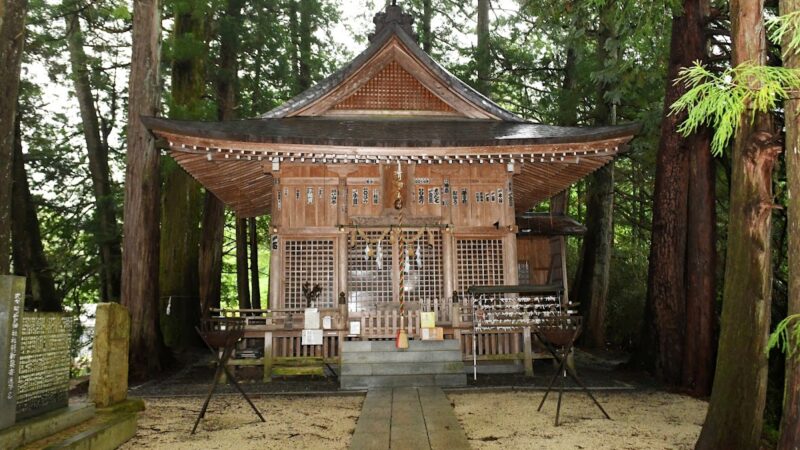
Many Yatsurugi Shrines retain buildings of high historical value. The main hall, worship hall, and torii gate are valuable cultural assets that convey the architectural styles of their respective eras. In particular, shrine buildings constructed before the Edo period are important resources for understanding the architectural techniques and forms of faith of that time.
Portable Shrines and Festival Equipment
Including the largest portable shrine in the Kanto region at Yatsurugi Hachiman Shrine, each shrine preserves magnificent portable shrines. These portable shrines are works of art that showcase the finest skills of local craftsmen, and they captivate many people during festivals.
Sacred Trees and Nature
Many shrines have sacred trees hundreds of years old towering over their grounds, creating a sacred atmosphere. These giant trees are living witnesses that have watched over the history of the region and are cherished as objects of nature worship.
Yatsurugi Shrine and the Local Community
Center of Local Faith
Yatsurugi Shrine is not merely a religious facility; it has functioned as the center of the local community. Through festivals and annual events, it deepens the bonds between residents and plays a role in passing on traditional culture to future generations.
Outreach Ceremonies and Various Prayers
Many Yatsurugi Shrines also conduct outreach ceremonies. Priests travel to the site to perform ceremonies related to life milestones and construction, such as ground-breaking ceremonies, roof-raising ceremonies, and house purification ceremonies. This further strengthens the connection between the shrine and the local residents.
Role in Modern Times
Even in the Reiwa era, Yatsurugi Shrine plays an important role as a spiritual pillar of the region. This shrine is cherished by many as a place to visit at life’s milestones, such as New Year’s Day, Shichi-Go-San (a traditional rite of passage for children), and for exorcism, as well as a place to pray for daily peace and tranquility.
Points to Note and Manners When Visiting Yatsurugi Shrine
Attire
While no special attire is required for regular visits, formal attire is preferred when receiving prayers. Avoid extremely casual clothing such as sandals and shorts.
Photography Manners
Photography is generally permitted within the shrine grounds, but photography inside the main hall or during festivals may be prohibited. Please check the shrine’s rules before taking photos and be considerate of other visitors.
Visiting Hours
Most shrines recommend visiting during the daytime. Shrine office hours are generally from 9:00 AM to 5:00 PM, but these vary by shrine. It is recommended to check in advance if you wish to receive prayers or a Goshuin (shrine stamp).
Summary: The Charm and Legacy of Yatsurugi Shrine
Yatsurugi Shrine is a historical and traditional shrine located throughout Japan. While each shrine in its respective region—such as Suwa City, Gamagori City, Kisarazu City, and Sakushima Island—possesses its own unique history and characteristics, it attracts people’s faith for its common blessings of protection from disaster and lasting military fortune.
Some shrines boast a history of over 1000 years, having walked hand-in-hand with the local people throughout that long period. Even today, various festivals are held throughout the year, playing an important role as the center of the local community.
When visiting, understanding the history and enshrined deities of each shrine, and observing appropriate etiquette and manners, will lead to a deeper pilgrimage experience. We recommend a quiet and peaceful visit, feeling the miraculous divine power of Yatsurugi Shrine.
For the latest festival schedules and details of prayers at each shrine, please check the official website or contact them directly. Planning your visit accordingly will ensure a more fulfilling experience. I hope that the long history and traditions of Yatsurugi Shrine will continue to be preserved and passed down together with the local community.