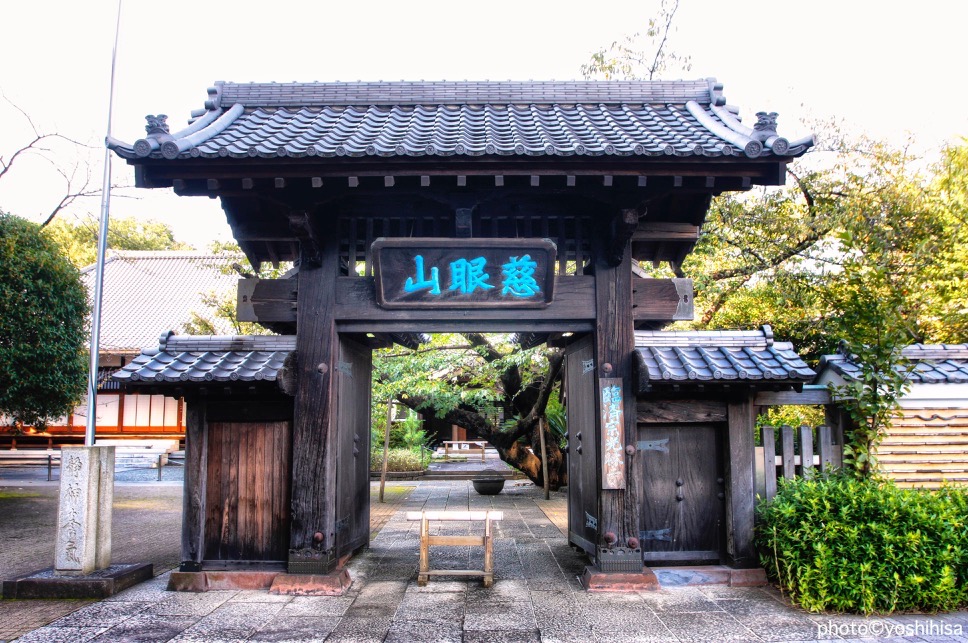
Complete Guide to Korinji Temples: A Thorough Explanation of the History, Grounds, and Access Information of Korinji Temples Nationwide
The name Korinji Temple exists in multiple locations throughout Japan. Each possesses its own unique history and cultural assets, and has played an important role as a center of local faith. This article provides a detailed explanation of the history, grounds, cultural assets, and access methods for the particularly well-known Korinji temples in Minato Ward, Tokyo; Hanamaki City, Iwate Prefecture; Imabari City, Ehime Prefecture; and Nagano City, Nagano Prefecture.
Table of Contents
- What is Korinji Temple?: Temples of the Same Name Scattered Across Japan
- Korinji Temple in Minami-Azabu, Minato-ku, Tokyo: An Ancient Temple of the Myoshinji School of the Rinzai Sect
- Korinji Temple in Hanamaki City, Iwate Prefecture: A Famous Temple of the Jishu Sect and its Connection to Ippen Shonin
- Korinji Temple in Imabari City, Ehime Prefecture: A Pilgrimage Site of the Shikoku Pilgrimage
- Korinji Temple in Nagano City, Nagano Prefecture: A Jodo Sect Temple
- Korinji Temples in Other Regions
- Points to Note and Manners for Visiting Korinji Temples
What is Korinji Temple?: Temples of the Same Name Scattered Across Japan
The temple name “Korinji” is an auspicious name combining “light” (the compassion and wisdom of Buddha) and “forest” (a place where many practitioners gather) in Buddhist teachings, and has been adopted throughout Japan. Each Korinji Temple belongs to a different sect and has its own unique history and characteristics.
Major temples with the name “Korinji” include a Rinzai sect Myoshinji school temple in Minato-ku, Tokyo; a Jishu sect temple in Hanamaki City, Iwate Prefecture; a Koyasan Shingon sect temple in Imabari City, Ehime Prefecture; and a Jodo sect temple in Nagano City, Nagano Prefecture. Each temple plays an important role in protecting local cultural assets and preserving traditional events.
Korinji Temple in Minami-Azabu, Minato-ku, Tokyo: An ancient temple of the Rinzai sect Myoshinji school
History and Founding Circumstances
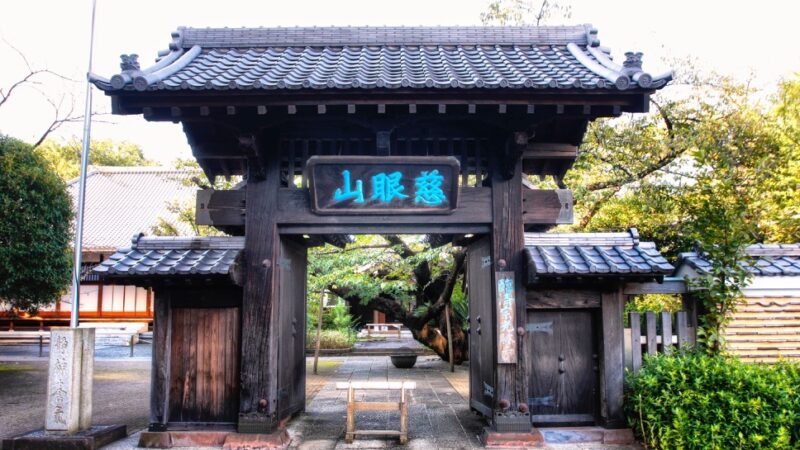
Korinji Temple, located in Minami-Azabu, Minato-ku, Tokyo, is a Rinzai sect Myoshinji school temple officially known as “Jigenzan Korin Zenji.” It was founded in October of Enpo 6 (1678) in Azabu Ichibei-cho by Bankei Yotaku, a leading Zen monk of the Edo period.
The founder was Kyogoku Bichu-no-kami Takatoyo, the lord of the Marugame domain, who invited Bankei Kokushi to be the founding abbot. Bankei Eitaku is known as a high-ranking monk who expounded “Fushō Zen” (non-birth Zen), and he was widely respected for conveying the complex teachings of Zen to the common people in simple terms. Even after Bankei Kokushi’s death in 1693, his teachings were passed down at Kōrin-ji Temple.
In May 1694, the temple relocated to its current location in Minami-Azabu. This relocation was part of Edo’s urban planning, and for over 300 years since, it has functioned as a center of faith in this location.
Features and Highlights of the Temple Grounds
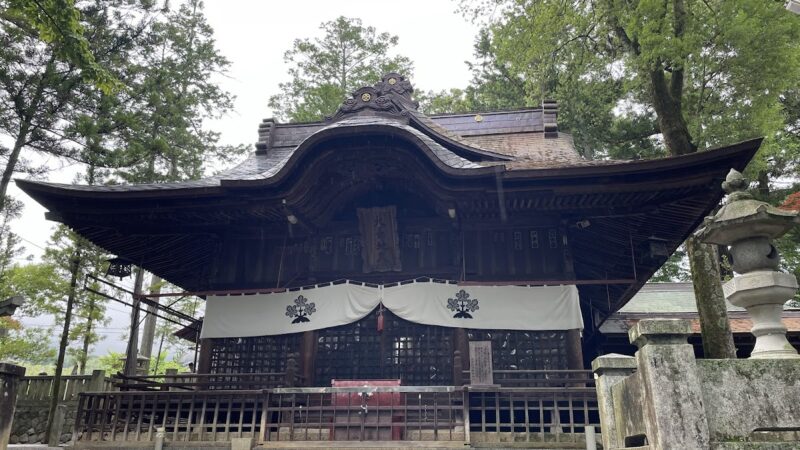
Despite being in the heart of the city, Kōrin-ji Temple maintains a tranquil atmosphere. Passing through the main gate, one is greeted by a simple yet dignified space characteristic of a Zen temple. The main hall retains the architectural style of the Edo period and also functions as a training hall for the Rinzai sect.
Within the temple grounds is a Zen garden, where the stone arrangements and plantings express the spirit of Zen. The garden, where one can enjoy the changing seasons, is a healing space that allows one to forget the hustle and bustle of the city.
Graves of Famous People
The cemetery of Korinji Temple contains numerous graves of famous people from the Edo period to the Meiji period. There are also graves of daimyo and hatamoto (high-ranking samurai), and historically valuable stone structures are preserved.
Of particular note is the grave of Henry Heusken, a Dutchman who served as an interpreter for Townsend Harris, the American Consul General during the late Edo period. Heusken, who arrived in Japan with Harris in Shimoda in 1856, played a crucial role in important aspects of U.S.-Japan diplomacy, but was assassinated in Azabu in 1861 by anti-foreign ronin (masterless samurai). His grave is an important historical site that tells the story of the history of exchange between Japan and the Netherlands.
Access Information
Location: 4-11-25 Minami-Azabu, Minato-ku, Tokyo
Nearest Station:
- Approximately 7 minutes on foot from Hiroo Station on the Tokyo Metro Hibiya Line
- Approximately 3 minutes on foot from the Aiiku Hospital bus stop (Toei Bus)
Visiting Hours: Grounds are freely accessible (prior contact required for entry into the main hall)
Parking: Due to limited space, use of public transportation is recommended.
Korinji Temple in Hanamaki City, Iwate Prefecture: A Famous Temple of the Jishu Sect and its Connection to Ippen Shonin
History and its Relationship to Ippen Shonin
Korinji Temple, located in Ishidoriya, Hanamaki City, Iwate Prefecture, is a Jishu sect temple known as “Jishu Rinchozan Korinji.” The Jishu sect was founded in the mid-Kamakura period by Ippen Shonin (1239-1289) and is known for its “Odori Nenbutsu,” a form of dance performed while chanting “Namu Amida Butsu.”
Korinji Temple, a historic temple associated with Ippen Shonin, was one of the centers of Jishu Buddhism in the Tohoku region. Ippen Shonin traveled throughout Japan, spreading the teachings of Nembutsu, and his footsteps extended to the Tohoku region, with Korinji Temple serving as a base for his missionary activities.
Traces of an Ancient Castle and the Temple Grounds
The most distinctive feature of Korinji Temple is the lingering traces of an ancient castle within its grounds. This site is believed to have once been the location of a medieval castle, and remnants of earthworks and moats remain in the temple’s topography. This unique landscape, where the temple and castle are integrated, is a valuable historical site that tells the story of the Tohoku region’s medieval history.
The garden, said to have been created in 1721 (Kyoho 6), boasts a harmonious and beautiful landscape. This garden, with a history of approximately 300 years, displays different expressions throughout the seasons, attracting many visitors, especially during the cherry blossom season in spring and the autumn foliage season.
Cultural Properties: Amida Buddha Statue and Toyosawa Dainembutsu Kenbu (Great Buddhist Sword Dance)
The Amida Buddha statue, the principal image of Korinji Temple, is designated as a cultural property by Hanamaki City. This statue is estimated to have been created between the Kamakura and Muromachi periods and is a valuable cultural property representing Buddhist art in the Tohoku region. Its serene expression and graceful form express the spirituality of the Jishu sect’s Nembutsu faith.
Further noteworthy is the “Toyosawa Dainembutsu Kenbu,” which developed from Korinji Temple’s Betsuji Nenbutsu (special time Nembutsu). Betsuji Nenbutsu is a practice of intensively chanting the Nembutsu for a certain period, but at Korinji Temple, elements of sword dance were added, developing into a unique folk performing art.
The Toyosawa Dainembutsu Kenbu is designated as an intangible cultural property of Hanamaki City and has been passed down by local people to this day. This spirited dance, performed while chanting Buddhist prayers and wielding swords, carries the meaning of offering prayers for the deceased and warding off evil, and is dedicated during festivals and memorial services. This traditional performing art is highly regarded academically as a unique cultural phenomenon that fuses the Buddhist faith of the Tohoku region with samurai culture.
Access Information
Location: Koji, Ishidoriya-cho, Hanamaki City, Iwate Prefecture
Nearest Station: Approximately 10 minutes by car from Ishidoriya Station on the JR Tohoku Main Line
Visiting Hours: 9:00-17:00 (may vary depending on the season)
Parking: Visitor parking available on the temple grounds
Inquiries: Latest information can be found on the official website (https://www.hanamaki-kourinji.jp/)
Korinji Temple, Imabari City, Ehime Prefecture: A Temple on the Shikoku Pilgrimage
History and Sect
Korinji Temple, located in Hatadera, Tamagawa-cho, Imabari City, Ehime Prefecture, is a Shingon Buddhist temple of the Koyasan sect, officially known as “Mani-san Korinji.” Its principal image is Fudo Myoo, and it retains a strong tradition of Shugendo (mountain asceticism) as a Shingon Buddhist temple.
Korinji Temple is the 41st temple on the New Shikoku Mandala Pilgrimage and the 20th temple on the Shikoku Thirty-Six Fudo Myoo Pilgrimage, attracting the faith of pilgrims. While the Shikoku Eighty-Eight Temple Pilgrimage, associated with Kobo Daishi Kukai, is well-known, many other pilgrimage sites exist in the Shikoku region, and Korinji Temple is one of the important ones.
Temple Grounds and Fudo Myoo Worship
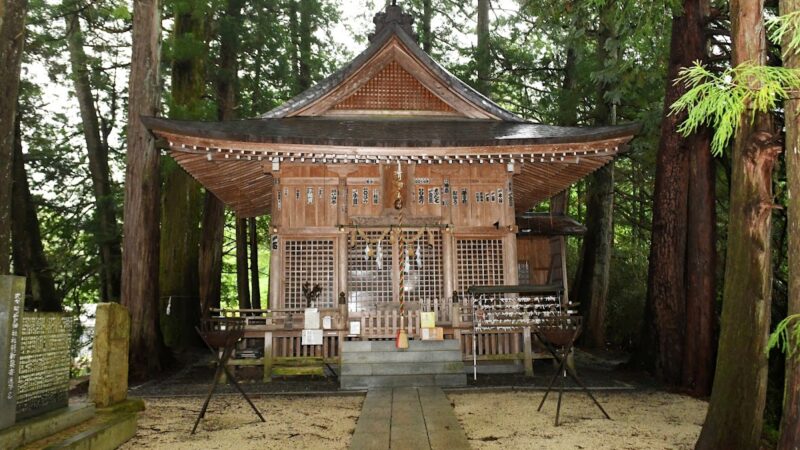
Located on the slopes of Mount Mani, Korinji Temple possesses an atmosphere of a sacred site where mountain worship and esoteric Buddhism are intertwined. Within the temple grounds, in addition to the main hall enshrining Fudo Myoo, there are facilities for ascetic training.
Fudo Myoo is one of the Myoo (Wisdom Kings) in esoteric Buddhism, symbolizing the fire of wisdom that burns away worldly desires. The statue of Fudo Myoo at Korinji Temple is deeply revered by local people as an object of prayer for protection against misfortune and for business prosperity.
As a Base for Pilgrimage
The New Shikoku Mandala Pilgrimage is a separate pilgrimage route from the Shikoku 88 Temple Pilgrimage. Because it can be completed in a relatively short time, it is popular among local believers. Korinji Temple is located midway along this route, serving as a resting and prayer site for pilgrims.
The Shikoku 36 Fudo Myoo Pilgrimage is a pilgrimage route visiting temples where Fudo Myoo is the principal deity, representing a more specialized form of worship. Korinji Temple also offers Goshuin (temple stamps), and many visitors come to commemorate their pilgrimage.
Access Information
Location: Hatadera, Tamagawa-cho, Imabari City, Ehime Prefecture
Nearest Station: Approximately 30 minutes by car from JR Yosan Line “Imabari Station”
Visiting Hours: Open all day (Temple office: 8:00-17:00)
Parking: Parking available for visitors on the temple grounds
Notes: Since the path is uphill, comfortable walking shoes are recommended.
Korinji Temple, Nagano City, Nagano Prefecture: A Jodo Sect Temple
History and Location
Korinji Temple, located in Shinonoi Komatsubara, Nagano City, Nagano Prefecture, is a Jodo Sect temple. The Jodo Sect is a sect founded by Honen Shonin (1133-1212), which teaches that one can attain rebirth in Amida Buddha’s Pure Land by chanting “Namu Amida Butsu.”
Nagano City is a region with a thriving Buddhist culture centered around Zenkoji Temple, and Korinji Temple has played a vital role in this, attracting the faith of the local community. The Shinonoi district is a historic area along the Chikuma River, and has flourished as a transportation hub since ancient times.
Characteristics of the Temple Grounds and as a Jodo Sect Temple
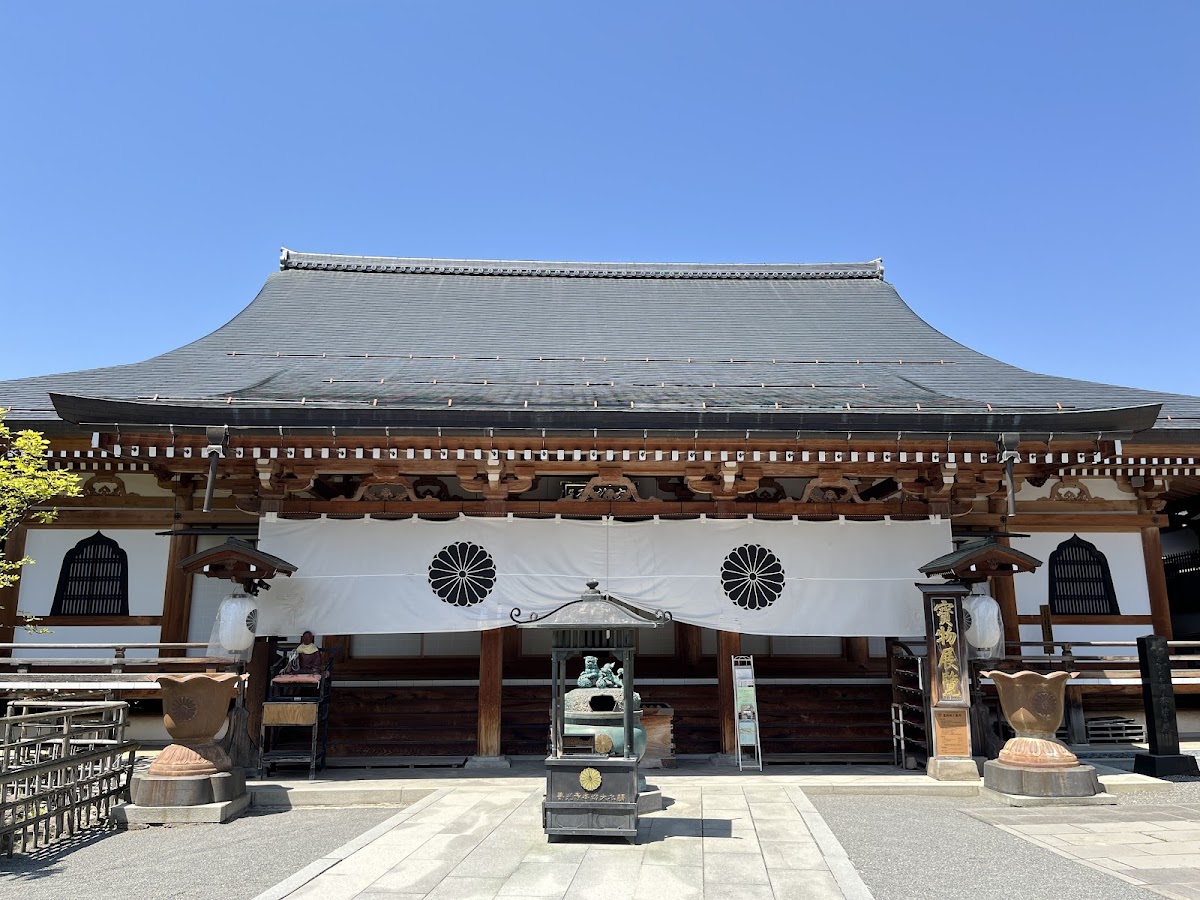
Korinji Temple’s grounds possess an open and welcoming atmosphere typical of a Jodo Sect temple. The main hall houses a statue of Amida Buddha, where daily services and memorial services are held.
As a Jodo Sect temple, Korinji Temple continues to uphold the sect’s traditional events, such as Nembutsu services and memorial services for Honen Shonin. Furthermore, as a local temple serving parishioners, it plays an important role as a venue for funerals, memorial services, and ancestral worship.
Access Information
Location: 2329 Komatsubara, Shinonoi, Nagano City, Nagano Prefecture
Nearest Station: Approximately 10 minutes by car from Shinonoi Station on the Shinano Railway
Visiting Hours: Grounds are freely accessible (prior contact required for the main hall)
Parking: Available
Inquiries: Prior contact is recommended before visiting
Other Korinji Temples
There are several other temples named “Korinji” throughout Japan besides the one mentioned above. They are scattered throughout various regions, including Nara, Shizuoka, and Fukuoka prefectures, each possessing unique characteristics that reflect the history and culture of its region.
Korinji Temples in Nara Prefecture
There is also a Korinji Temple in Nara Prefecture, registered in the Nara Prefecture Historical and Cultural Resources Database “Ikasu Nara.” It is positioned as a temple that has supported local faith within the historical context of the ancient capital of Nara.
Similarities and Differences Among Korinji Temples in Various Regions
What all Korinji temples across Japan have in common is that their temple names combine the auspicious Buddhist characters “Hikari” (光) and “Rin” (林). However, their sects, founding dates, principal images, cultural properties, and regional roles vary considerably.
- Diversity of Sects: Temples of various sects, including Rinzai, Jishu, Koyasan Shingon, and Jodo, bear the name “Korinji.”
- Regional Characteristics: Each Korinji is deeply connected to the history and culture of its respective region.
- Cultural Assets: Each temple preserves and passes down its own unique cultural assets and traditional events.
Points to Note and Manners for Visiting Korinji Temples
Preparation Before Visiting
When visiting Korinji temples, we recommend checking the following points in advance:
- Opening Hours: Visiting hours vary depending on the temple.
- Event Schedule: General visits may be restricted on days with memorial services or special events.
- Access: Public transportation may be limited, especially for temples in mountainous areas.
- Parking Availability: Parking may be limited at temples in urban areas.
Etiquette for Visiting Buddhist Temples
Please observe basic etiquette when visiting Buddhist temples:
- Attire: Dress modestly and cleanly.
- Photography: Photography is often permitted on the temple grounds, but permission must be obtained before photographing the interior of the main hall or Buddha statues.
- Quietness: Be quiet on the temple grounds and avoid disturbing other visitors.
- Offering: When receiving a Goshuin (temple stamp), offer an appropriate offering (usually 300-500 yen).
- Smoking and Eating: Refrain from smoking and eating outside designated areas.
Differences in Worship Methods by Sect
Each Korinji temple belongs to a different sect, so there are slight differences in worship methods:
- Zen Buddhism (Rinzai Sect): Joining hands in prayer and bowing are basic. You may have the opportunity to participate in a Zen meditation session.
- Jishu Sect: Traditionally, worship involves chanting the Nembutsu (Buddhist invocation).
- Shingon Sect: Chant the mantra “Namu Daishi Henjo Kongo.”
- Jodo Sect: Chant the Nembutsu “Namu Amida Butsu.”
However, general worshippers are welcome to worship in accordance with their own beliefs.
About Goshuin (Temple Seals)
Many Korinji temples offer Goshuin. Goshuin are not merely commemorative stamps, but rather cherished symbols of a connection with Buddha. Bring your Goshuincho (stamp book) and respectfully request one.
At Korinji temples that are part of a pilgrimage route (such as those in Imabari City), special Goshuin are issued for the pilgrimage route. If you are visiting multiple pilgrimage sites, it is advisable to prepare a Goshuincho for each site.
Seasonal Highlights
You can enjoy different charms depending on the season you visit Korinji Temple:
- Spring: The temple grounds are beautifully adorned with cherry blossoms (especially Korinji Temple in Hanamaki City, Iwate Prefecture)
- Summer: The fresh greenery is beautiful, and you can find peace of mind in the cool temple grounds.
- Autumn: The autumn leaves are magnificent, and it is the most beautiful season for the garden scenery.
- Winter: The tranquil temple grounds amidst the snowy landscape evoke the spirit of Zen (Korinji Temple in Minato Ward, Tokyo)
Summary: The Diversity and Cultural Value of Korinji Temple
Temples bearing the name “Korinji” are scattered throughout Japan, each possessing its own unique history and culture. The Rinzai sect Myoshinji temple in Minato Ward, Tokyo, embodies the history of Zen culture and international exchange during the Edo period; the Jishu temple in Hanamaki City, Iwate Prefecture, represents the Nembutsu faith of Ippen Shonin and the folk performing arts of Tohoku; the Koyasan Shingon temple in Imabari City, Ehime Prefecture, represents the sacred site culture of Shikoku; and the Jodo sect temple in Nagano City, Nagano Prefecture, embodies its role as a local parishioner temple.
Visiting these Korinji temples offers a valuable opportunity to understand the diversity of Japanese Buddhist culture. While experiencing the differences in sect, regional characteristics, and historical backgrounds, one can connect with the faith and culture that each temple has preserved and passed down.
When visiting, researching the history and cultural assets of each temple beforehand and visiting with respect will lead to a deeper understanding and appreciation. These temples, sharing the common name of Korinji, each possessing its own unique charm, symbolize the richness of Japanese Buddhist culture.
A journey visiting Korinji temples throughout Japan will be a meaningful pilgrimage, allowing you to experience the diversity of Japanese history, culture, and faith.