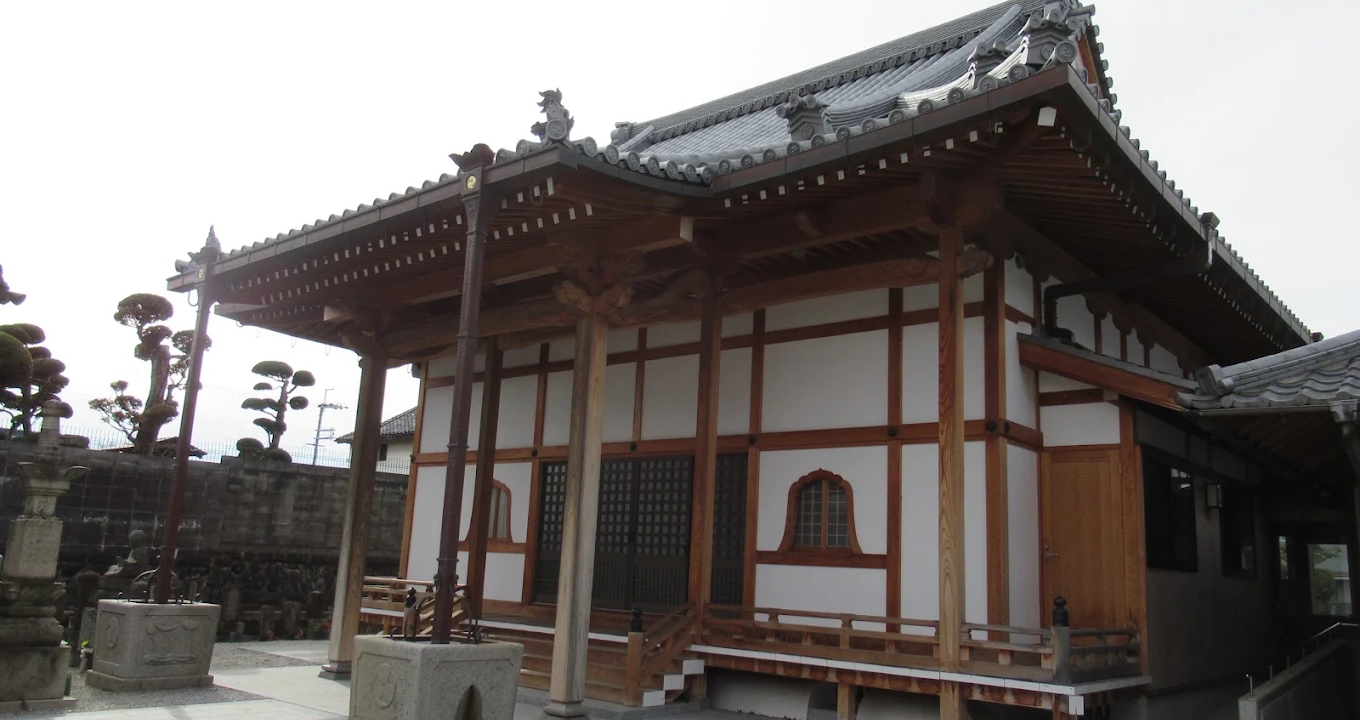
Kokubunji Temple (Kashihara City, Nara Prefecture) Complete Guide | History, Cultural Properties, and Access Information
Kokubunji Temple, located in Yagi-cho 2-chome, Kashihara City, Nara Prefecture, is a Jodo sect temple said to have the tradition of being the Yamato Kokubunji Temple of the Tenpyo era. Its formal name is Shomanzan Manpoin, and it houses numerous valuable cultural properties, including important cultural properties created during the Heian period. This article provides a detailed introduction to the charm of this ancient temple, covering its history, cultural properties, and visiting information.
Basic Information about Kokubunji Temple
Kokubunji Temple is a Jodo sect temple located in Yagi-cho 2-chome, Kashihara City, Nara Prefecture, and its formal name is Shomanzan Manpoin Kokubunji. Despite its convenient location within walking distance of Kintetsu Yamato-Yagi Station, it is a tranquil temple nestled in a quiet residential area.
Temple Overview
- Sect: Jodo-shu (Pure Land Buddhism)
- Mountain Name: Katsumanzan
- Temple Name: Manpoin
- Principal Image: Seated Amida Buddha statue (Heian period)
- Location: 2-chome, Yagi-cho, Kashihara City, Nara Prefecture
- Phone Number: 0744-22-3030
The principal image, a seated Amida Buddha statue, is believed to be a work from the Heian period, and on either side are seated Kannon Bodhisattva and Seishi Bodhisattva statues. These Buddhist statues are highly regarded as excellent examples of Heian period Buddhist art.
History of Kokubunji Temple and Legends from the Tenpyo Period
Legend as Yamato Kokubunji Temple
According to the Kashihara City History, there is a legend that this temple was the Yamato Kokubunji Temple established by imperial decree of Emperor Shomu during the Tenpyo period. Emperor Shomu ordered the construction of provincial temples (Kokubunji) and nunneries (Kokubun-niji) throughout Japan in 741 AD, but there are several theories regarding the location of the Kokubunji of Yamato Province.
Currently, Todai-ji Temple in Nara City is generally considered the Yamato Kokubunji (the main Kokubunji), but there is a strong local tradition that the Kokubunji in Kashihara City was the Yamato Kokubunji during the Tenpyo period. It is said that Hokke-ji Temple, considered the Kokubun-niji, was located nearby, and records indicate that the two temples competed in terms of the size of their temple buildings.
Transition from the Medieval to the Early Modern Period
Although the Kokubunji is believed to have been founded during the Tenpyo period, it underwent several transformations throughout its history. During the medieval period, it was affected by war, and its current form as a Jodo sect temple is thought to have been rebuilt in later times.
During the Edo period, it functioned as a center of local faith and developed into a temple with many parishioners. The temple grounds and layout established during this period form the foundation of the current Kokubunji Temple.
Modern and Contemporary History
While the impact of the anti-Buddhist movement during the Meiji era was relatively minor, the maintenance and management of the temple faced various challenges from the Showa to the Heisei period. In particular, the main hall deteriorated significantly during the Heisei era, requiring large-scale restoration work.
Currently, a storage facility has been established to protect valuable cultural properties, ensuring their preservation in an appropriate environment. With the cooperation of local residents and Kashihara City, efforts are being made to pass on this historic temple to future generations.
Cultural Properties of Kokubunji Temple
Important Cultural Property: Wooden Eleven-Headed Kannon Standing Statue
The most important cultural property owned by Kokubunji Temple is the wooden Eleven-Headed Kannon Standing Statue, designated as a National Important Cultural Property. This statue is believed to be a work from the Heian period and is characterized by its elegant form and exquisite carving techniques.
The Eleven-Headed Kannon Standing Statue depicts Kannon Bodhisattva with eleven faces on its head, symbolizing compassion and the relief of all sentient beings from their various sufferings. It is a valuable work demonstrating the high level of technical skill in Buddhist sculpture during the Heian period and is highly regarded in art history.
Currently, to maintain its condition, this Eleven-Headed Kannon Standing Statue is usually housed in a storage facility, and public viewing is limited. Many worshippers and art lovers visit during special public viewings.
Main Image: Seated Amida Buddha Statue and Two Attendants
The seated Amida Buddha statue, the main image enshrined in the main hall, is also a valuable Buddhist statue believed to be a work from the Heian period. Amida Buddha is the principal deity of the Western Pure Land and is worshipped as the principal image of the Jodo sect.
Flanking the main image are seated Kannon Bodhisattva statues and seated Seishi Bodhisattva statues, forming the Amida Triad. These Buddhist statues are characterized by their gentle and elegant expressions, influenced by the Jocho style of the Heian period, and speak to the high level of Buddhist art at that time.
Other Temple Treasures
Besides the main Buddhist statues mentioned above, Kokubunji Temple houses many other temple treasures, including Buddhist paintings and scriptures from the Edo period, and ancient documents that tell the history of the temple. These cultural properties are important resources for studying the history of Kashihara City.
Highlights of the Main Hall and Temple Grounds
Architecture of the Main Hall
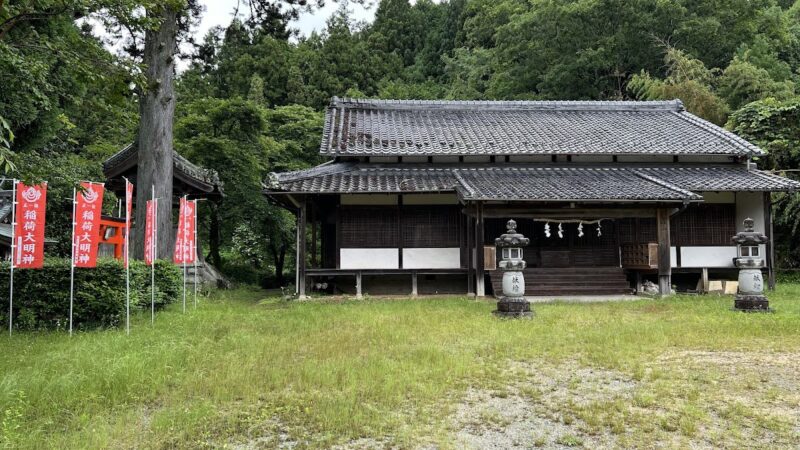
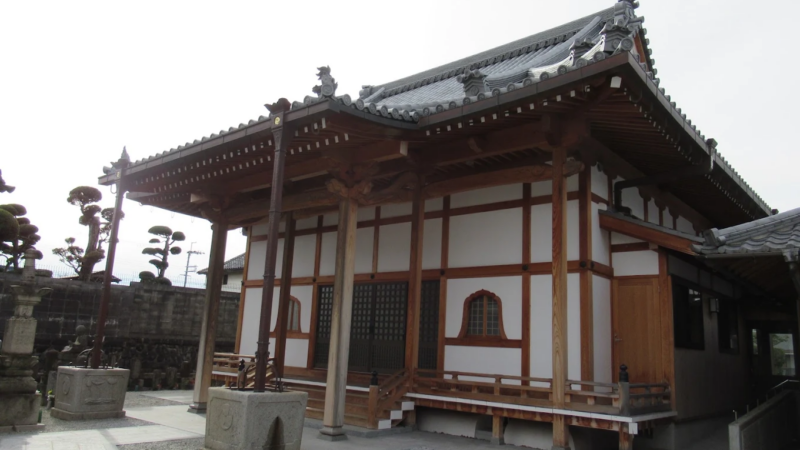
The current main hall is estimated to have been built between the late Edo period and the Meiji period. It has been destroyed by fire in the past, and the existing building is a reconstruction. Extensive restoration work was carried out during the Heisei era to preserve the building and improve its safety.
The main hall has a traditional Japanese architectural style, exhibiting a simple yet dignified appearance. Inside, the principal image, the Amida Triad, is enshrined, creating a solemn atmosphere.
Atmosphere of the Temple Grounds
Despite its urban location, Kokubunji Temple maintains a tranquil atmosphere. Ancient trees are planted throughout the grounds, displaying different appearances with each season. Particularly beautiful scenery can be enjoyed during the cherry blossom season in spring and the autumn foliage season.
While situated in a residential area, stepping onto the temple grounds feels like stepping back into a tranquil oasis, where time seems to slow down.
Storage Facility
To properly preserve valuable cultural artifacts, including the important cultural property, the Eleven-Headed Kannon Standing Statue, a modern storage facility has been installed on the temple grounds. This storage facility boasts meticulous temperature and humidity control and is equipped with the latest facilities to prevent the deterioration of cultural artifacts.
The storage facility is usually closed to the public, but during special openings, opportunities to appreciate the cultural artifacts with explanations from experts are sometimes provided.
Visiting Information and Access
Visiting Hours and Viewing Times
While Kokubunji Temple is generally open to the public, prior contact may be required to view the interior of the main hall or important cultural properties. In particular, important cultural properties such as the Eleven-Headed Kannon statue are usually not open to the public and cannot be viewed except during special exhibition periods.
Those wishing to visit are advised to contact the temple (Tel: 0744-22-3030) in advance to confirm viewing availability and times.
Access Information
Access by Train
- Approximately 10 minutes on foot from Yamato-Yagi Station on the Kintetsu Osaka Line/Kashihara Line
- Head northwest from the station, passing through the residential area of Yagi-cho to reach the temple.
Access by Car
- Approximately 20 minutes from Koriyama IC on the Nishi-Meihan Expressway
- Approximately 15 minutes from Katsuragi IC on the Minami-Hanna Expressway
- Parking: Limited space available on the temple grounds (prior confirmation required)
Address
2-chome, Yagi-cho, Kashihara City, Nara Prefecture 634-0078
Nearby Tourist Attractions
Around Kokubunji Temple, there are many tourist attractions where you can experience the history of Kashihara City.
Kashihara Shrine
A shrine dedicated to Emperor Jimmu, the first emperor of Japan, and a representative tourist attraction of Kashihara City. It is approximately 10 minutes by car from Kokubunji Temple.
Imai-cho
This is an important preservation district for traditional buildings, where the townscape of the Edo period is preserved. It is accessible in about 15 minutes on foot from Kokubunji Temple.
Fujiwara Palace Site
This is the site of Fujiwara-kyo, Japan’s first full-fledged capital city, and has been developed into a vast historical park. It is also known as a beautiful spot for seasonal flowers.
Kashihara City Tourism Exchange Center “Kashihara Navi Plaza”
This is a tourist information facility located in front of Kintetsu Yamato-Yagi Station, where you can obtain tourist information about Kashihara City. They can also guide you on how to get to Kokubunji Temple.
Relationship between Kashihara City and Kokubunji Temple
The Role of Kokubunji Temple in the Region
Kashihara City is a historically important region where Fujiwara-kyo, Japan’s first capital city, was located. Many ancient shrines and temples are scattered throughout the city, and Kokubunji Temple is one of them, playing an important role in the transmission of the region’s history and culture.
Kashihara City is actively involved in the preservation of the cultural properties of Kokubunji Temple, and it is positioned as a tourist resource for the city. Kokubunji Temple is featured on the official Kashihara City website and tourism information sites, providing information to tourists visiting the city.
Cultural Property Preservation and Regional Development
Kashihara City is working on regional development through the preservation and utilization of cultural properties within the city, including Kokubunji Temple. Support is provided for the appropriate preservation and management of cultural properties, and efforts are made to promote their use as tourist resources.
In particular, regarding the Eleven-Headed Kannon Standing Statue, a designated Important Cultural Property, regular surveys of its preservation condition and support for necessary restoration work are provided, ensuring its reliable transmission to future generations.
Kokubunji Temple Research and Academic Value
The Yamato Kokubunji Temple Controversy of the Tenpyo Period
There is academic debate as to whether Kashihara City’s Kokubunji Temple was the Yamato Kokubunji Temple of the Tenpyo period. While Todai-ji Temple is generally considered the Yamato Kokubun-ji (the main provincial temple), the Kokubun-ji Temple in Kashihara City retains local traditions and historical materials, making it an interesting topic among researchers.
The Kashihara City History states that “this temple was established as the Yamato Kokubun-ji during the Tenpyo era, and there was a Kokubun-niji (nunnery) called Hokke-ji nearby, with the two competing in terms of temple buildings and structures.” Archaeological and historical research into the veracity and background of this tradition continues.
Art Historical Value of Heian Period Buddhist Statues
The seated Amida Buddha statue and the important cultural property, the Eleven-Headed Kannon standing statue, housed at the Kokubun-ji Temple, are important works for studying Heian period Buddhist sculpture. These statues exhibit stylistic characteristics from the mid-to-late Heian period and are valuable resources for understanding the spread of Buddhist art to the provinces and the level of technology at that time.
The Eleven-Headed Kannon Standing Statue, in particular, is often cited in art history textbooks and research books as a quintessential example of Heian period wooden Buddhist sculpture due to its elegant form and excellent state of preservation.
Faith and Events at Kokubunji Temple
Activities as a Jodo Sect Temple
Kokubunji Temple, as a Jodo sect temple, conducts religious activities centered on the faith of Amida Buddha. The Jodo sect, founded by Honen Shonin, preaches the teaching of attaining rebirth in the Pure Land by chanting “Namu Amida Butsu.”
Regular memorial services and chanting gatherings are held at Kokubunji Temple, serving as a center of faith for parishioners and local residents.
Annual Events
Kokubunji Temple holds memorial services in accordance with major Buddhist events. Many worshippers visit, especially during the spring equinox, Obon (Buddhist festival), and autumn equinox.
In addition, although not on a regular basis, special public viewings of important cultural properties are sometimes held, offering an opportunity to see the Eleven-Headed Kannon Standing Statue, which is not normally on public display. Information on special public viewings may be announced at the Kashihara City Tourism Exchange Center or on the city’s tourism information website.
Points to Note When Visiting Kokubunji Temple
Manners for Visiting
Kokubunji Temple is a religious facility and a place of worship for its parishioners. When visiting, please observe the following manners:
- Be quiet on the temple grounds and refrain from loud conversations.
- Take photographs only in designated areas.
- Obtain permission in advance to view the interior of the main hall.
- Be considerate and avoid disturbing religious ceremonies.
Regarding Viewing Cultural Properties
Temple treasures, including the Eleven-Headed Kannon Standing Statue, which is an important cultural property, are usually not open to the public. Information on special public viewings can be found on the Kashihara City tourism information website or by contacting the temple.
Please refrain from approaching storage facilities without permission or making strong demands to view cultural artifacts that are not open to the public. Proper environmental management is necessary for the preservation of cultural artifacts, and frequent public access can lead to deterioration.
Contact Information
For inquiries regarding visits and viewings, please contact the following:
Kokubunji Temple
Phone: 0744-22-3030
Kashihara City Tourism Exchange Center “Kashihara Navi Plaza”
Location: In front of Kintetsu Yamato-Yagi Station
Provides tourist information and inquiries about the Kashihara City area.
Kashihara City Tourism Policy Division
Location: 1-1 Higashi-Takeda-cho, Kashihara City, Nara Prefecture (Recycle Plaza “Recycle-kan Kashihara”)
Phone: 0744-21-1115
Summary
Kokubunji Temple in Yagi-cho, Kashihara City, Nara Prefecture, is a historic Jodo sect temple with a tradition dating back to the Yamato Kokubunji Temple of the Tenpyo era. It houses valuable cultural assets, including a wooden standing statue of the Eleven-Headed Kannon (an Important Cultural Property) and a seated statue of Amida Buddha from the Heian period, making it an important presence that conveys the history and culture of Kashihara City to the present day.
Located within easy walking distance of Kintetsu Yamato-Yagi Station, Kokubunji Temple offers a tranquil setting where you can feel the breath of history. When visiting Kashihara City, be sure to stop by. However, please note that prior confirmation may be required for viewing cultural properties, so we recommend planning your visit carefully.
Besides Kokubunji Temple, Kashihara City boasts many other historical tourist spots, including Kashihara Shrine, Imai-cho, and the Fujiwara Palace ruins. Visiting these together will make for a fulfilling trip where you can experience Japan’s history from ancient to early modern times.