Zuikain Temple (Nara Prefecture) Complete Guide | History, Highlights, and Access Information
Nara Prefecture is known as one of Japan’s leading ancient capitals, and numerous temples preserve its history. Among them, Zuikain Temple, with its tranquil atmosphere and deep history, offers peace of mind to visitors. This article provides a detailed introduction to Zuikain Temple, including its history, highlights within the grounds, visiting information, and access methods.
What is Zuikain Temple?
Zuikain Temple is a Buddhist temple located in Nara Prefecture. The name “Zuika” (瑞花) embodies the meaning of an auspicious flower, a flower symbolizing good fortune, conveying the temple’s status and historical significance.
While Nara Prefecture boasts many famous temples such as Todaiji and Kofukuji, relatively quiet temples like Zuikain Temple also play an important role in supporting Nara’s Buddhist culture. As a place of faith rooted in the community, it has served as a spiritual haven for many people throughout its long history.
Temple Sect and Principal Image
We recommend checking the sect and principal image of Zuikain Temple before your visit. Japanese Buddhist temples belong to different sects, and the principal images enshrined vary. Understanding the principal image will deepen the meaning of your visit.
History of Zuikain Temple
Origin of Founding
Details regarding the founding period and founder of Zuikain Temple are preserved in local historical documents and temple records. Many temples in Nara Prefecture were founded during the Nara and Heian periods, playing a crucial role in the process of Buddhism taking root in Japan.
Zuikain Temple also originated within that historical context and has a history of attracting the faith of local people. The architectural style and style of the Buddhist statues from the time of its founding offer a glimpse into the culture and aesthetics of that era.
Historical Changes
Throughout its long history, Zuikain Temple has also experienced numerous changes. Many temples have a history of repeated damage and reconstruction due to wars, fires, and natural disasters.
During the Edo period, the temple system was established, and the establishment of the danka (parishioner) system stabilized temple management. Many temples faced hardship during the anti-Buddhist movement after the Meiji Restoration, but many survived thanks to the support of local people.
Zuikain Temple also overcame these turbulent times and continues to uphold its religious traditions to this day.
Progress Since the Modern Era
Since the Meiji era, Japanese temples have sought new roles amidst the wave of modernization. Their importance has been recognized not only as religious facilities, but also as centers of local communities and for the protection of cultural properties.
Zuikain Temple has also maintained its ties with the local community while adapting its role to the times. Even today, it continues to interact with local people through annual events and memorial services.
Highlights of the Temple Grounds
Main Hall
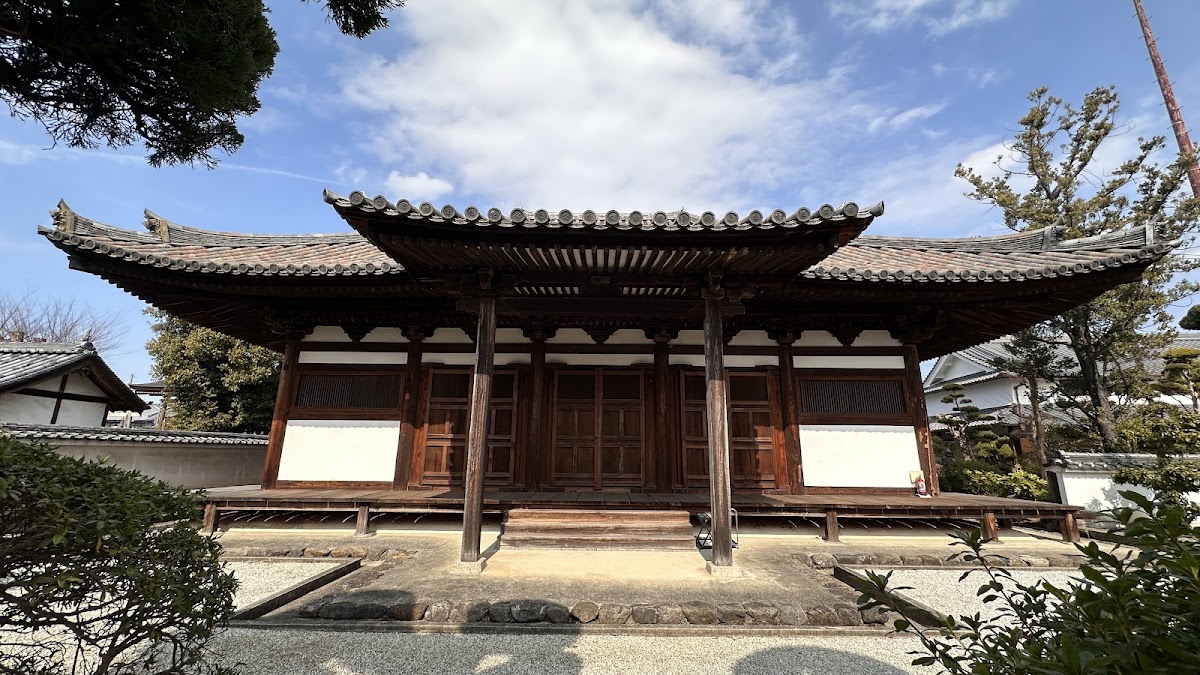
The main hall of Zuikain Temple is the central building of the temple. The principal image is enshrined here, and worshippers offer their prayers. The architectural style and decorations reflect the characteristics of the era in which it was built, and are considered to have high architectural historical value.
The solemn atmosphere inside the main hall deeply moves visitors. The time spent reflecting on oneself in silence will be a valuable experience in today’s busy life.
Gardens
Many Japanese temples have beautiful gardens, and Zuikain is no exception. Japanese gardens come in various styles, including dry landscape gardens reflecting Zen philosophy and pond gardens where you can enjoy seasonal flowers.
Calming the mind while gazing at the garden is considered part of Zen practice. The arrangement of stones, the selection of plants, the flow of water—everything has meaning, allowing you to feel a deep spirituality.
Buddhist Statues and Cultural Properties
Zuikain may house Buddhist statues and cultural properties of high historical value. Nara Prefecture is known as a treasure trove of Buddhist art, and many national treasures and important cultural properties are preserved in temples within the prefecture.
The facial expressions, postures, and drapery of Buddhist statues reflect the styles of the era in which they were created. The ability to see the different aesthetic sensibilities of each period—Asuka, Hakuhō, and Tenpyō—is a unique charm of Nara’s temples.
Seasonal Scenery
The grounds of Zuikain Temple display different expressions with each season.
Spring sees cherry blossoms and plum blossoms in full bloom, creating a sense of new life. The Hanamatsuri (Buddha’s Birthday) ceremony, held beneath the blossoms, is an important event celebrating the birth of Buddha.
Summer sees lush greenery covering the grounds, and the sound of cicadas fills the air. During the Obon period, many people visit to pay respects to their ancestors.
Autumn sees the temple grounds adorned with autumn leaves, marking the most beautiful season. Nara Prefecture is particularly famous for its autumn foliage, attracting many tourists.
Winter sees the snow-covered grounds enveloped in silence, displaying a dignified beauty. Visiting a temple in the cold weather is an even more solemn and dignified experience.
Annual Events and Memorial Services
Main Annual Events
Japanese temples hold various events throughout the year. These events are important opportunities to practice Buddhist teachings and deepen ties with the local community.
Shushō-e: The first memorial service of the new year, praying for peace throughout the year.
Nehan-e: A memorial service commemorating the passing of Shakyamuni Buddha. Often held around February 15th.
Higan-e: A memorial service for ancestors, mainly held around the spring and autumn equinoxes.
Urabon-e: A memorial service for ancestors held during the Obon period, the time when the most people visit temples.
Segaki-e (Feeding of Hungry Ghosts Ceremony): This is a Buddhist service to commemorate spirits that have fallen into the realm of hungry ghosts.
Special Services
In addition to the general annual events listed above, Zuikain Temple may also hold special services unique to the temple. These may include events related to the temple’s history or principal deity, such as the founder’s memorial service or the auspicious days of specific Buddhas.
When planning your visit, it is recommended to contact the temple in advance to confirm the dates of any special services.
About Goshuin (Temple Seals)
What are Goshuin?
Goshuin are seals and calligraphic inscriptions given as proof of visiting a temple or shrine. In recent years, collecting goshuin has become a popular hobby, and more people are visiting temples and shrines with dedicated goshuin notebooks.
Goshuin are not merely stamp rallies; they are proof of worship and a way to forge a connection with Buddha or Shinto deities. It is important to receive them with gratitude after a respectful visit.
Goshuin (Temple Seal) of Zuikain Temple
It is recommended to check in advance whether Zuikain Temple offers Goshuin. If they do, the Goshuin will have the temple name, the name of the principal deity, and the date written in ink, and the temple’s seal will be stamped on it.
The calligraphy style and design of the seal vary from temple to temple, each having its own unique character. Zuikain Temple’s Goshuin will likely also be unique, reflecting the temple’s history and characteristics.
Manners When Receiving a Goshuin
When receiving a Goshuin, please observe the following manners:
- Pray First: Always pray at the main hall before receiving a Goshuin.
- Prepare a Goshuincho (Stamp Book): Please prepare a dedicated Goshuincho. It is considered disrespectful to use a notebook or memo pad.
- Prepare an Offering: Goshuin are not sold; they are given as an offering. Generally, the going rate is around 300 to 500 yen.
- Request politely: Politely request, “May I have a Goshuin (temple/shrine stamp)?”
- Wait quietly: Each stamp is handwritten. Wait quietly.
- Express gratitude: After receiving it, say “Thank you.”
Etiquette for Visiting a Temple
Basic Etiquette for Visiting a Temple
There are basic etiquette rules for visiting a temple. Note that these differ from those of a shrine.
- Bow at the main gate: When entering a temple, bow at the main gate before entering the grounds.
- Purify yourself at the water basin: If there is a water basin, purify your hands and mouth.
- Pray and bow in front of the main hall: Quietly put your hands together in front of the main hall and pray sincerely.
- Offering Money: If there is an offering box, quietly place your offering in it.
- Praying Hands: Bring your hands together in front of your chest and offer your prayer. Do not clap your hands as you would at a Shinto shrine.
- Bow: After finishing your prayer, bow deeply.
Clothing and Belongings
There are no strict dress code requirements for visiting temples, but modest attire is desirable. Avoid revealing or overly flashy clothing.
The following items are useful to bring:
- Goshuincho (if you wish to receive a Goshuin stamp)
- Prayer Beads (if you have one)
- Offering Money (having small change ready will make things smoother)
- Camera (for recording in areas where photography is permitted)
Photography Etiquette
Rules regarding photography on temple grounds vary from temple to temple. Generally, photography of the temple grounds is permitted, but photography inside the main hall and of Buddhist statues is often prohibited.
Always check before taking photos and refrain from taking pictures in prohibited areas. It is also important to be considerate of other visitors.
Access Information
Location
Zuikain Temple is located in Nara Prefecture. For the exact address, it is recommended to check official information or map services before visiting.
Nara Prefecture is located south of Kyoto Prefecture and is easily accessible from Osaka. As the ancient capital of Nara, it is a UNESCO World Heritage Site and attracts many tourists from both Japan and abroad.
Access by Public Transportation
Temples in Nara Prefecture can be accessed using public transportation.
Access by Train:
- Kintetsu Nara Station or JR Nara Station are the main stations in Nara City.
- From the station, you can reach the temple by bus or on foot.
Access by Bus:
- Nara Kotsu buses connect various locations in the city.
- Tourist buses also operate to major temples.
Specific routes and timetables can be found on the Nara Kotsu official website or various transfer information services.
Access by Car
If you are visiting by car, the following expressways are available:
- Dai-ni Hanna Expressway: From the Osaka area
- Keinawa Expressway: From the Kyoto/Wakayama area
- Nishi-Meihan Expressway: From the Osaka/Nagoya area
Many roads in Nara City are narrow, and traffic congestion can occur during peak tourist seasons. It is recommended to plan your trip with ample time.
Parking Information
It is necessary to check in advance whether the temple has its own parking lot. If there is no parking lot or if it is full, you will need to use nearby coin-operated parking lots.
There are several paid parking lots around Nara Park, from which you can reach the various temples on foot or by bus.
Nearby Tourist Attractions
When visiting Zuikain Temple, we recommend also visiting other nearby tourist attractions.
Todai-ji Temple: A representative temple of Nara, its Great Buddha Hall is one of the world’s largest wooden structures.
Kofuku-ji Temple: The head temple of the Hosso sect, famous for its five-story pagoda.
Kasuga Taisha Shrine: A World Heritage site shrine with beautiful vermilion buildings.
Nara Park: A vast park home to approximately 1,200 deer, where feeding them deer crackers is a popular activity.
Nara National Museum: Boasts a rich collection centered on Buddhist art.
By visiting these tourist attractions, you can deeply appreciate the history and culture of Nara.
Visiting Hours and Admission Fees
Visiting Hours
Generally, temples are open from sunrise to sunset, but specific hours vary by temple. Many temples are open from 9:00 AM to around 4:00 PM or 5:00 PM.
Since sunset times change with the seasons, visiting hours may also vary. It is recommended to check before visiting.
Admission Fees
Some temples require an admission fee. This is often charged for viewing the interior of the main hall or special cultural artifacts.
The general admission fee is around 300 to 600 yen. Additional fees may apply for special viewings or visits to treasure halls.
Closed Days
Many temples are open year-round, but there may be days when they are closed for religious services, events, or repairs. Especially during the New Year period and on days with special events, the usual procedures may differ.
If you wish to visit without any restrictions, it is recommended to contact the temple in advance.
Experiences at Zuikain Temple
Zen Meditation and Sutra Copying Experience
Many temples offer Zen meditation and sutra copying experience programs for the general public. These are valuable opportunities to experience a part of Buddhist practice.
Zen Meditation Experience:
Zen meditation is a fundamental practice of Zen Buddhism, involving sitting with correct posture and calming the mind. Many programs are suitable for beginners, and you will receive careful instruction from a monk.
Sutra Copying Experience:
This practice involves copying scriptures such as the Heart Sutra with a brush. By writing each character with care, the mind becomes calm and concentration increases.
Please contact Zuikain Temple directly to confirm whether these experiences are available there.
Temple Lodging Experience
Some temples offer temple lodging (accommodation within the temple). Staying in temple lodging allows you to experience daily temple life more deeply.
You can participate in morning services, enjoy vegetarian meals, and have other valuable experiences that you wouldn’t normally have. It’s gaining attention as a modern form of mindfulness, offering both mental and physical refreshment.
Dharma Talks and Sermons
Temples often hold regular Dharma talks and sermons. These are valuable opportunities to hear from monks about Buddhist teachings and wisdom for life.
Difficult doctrines are explained in an easy-to-understand way, making them accessible even to those unfamiliar with Buddhism.
Buddhist Culture in Nara
Buddhism in the Nara Period
The Nara period (710-794) was a time when Japanese Buddhist culture flourished. During the reign of Emperor Shomu, provincial temples (Kokubunji and Kokubun-niji) were built throughout the country for the protection of the nation, and the Great Buddha was constructed at Todai-ji Temple in Nara.
During this period, Buddhism developed under the protection of the state, and the scholarly Buddhism known as the Six Schools of Nanto (Hosso, Kegon, Ritsu, Sanron, Jojitsu, and Kusha) prospered.
Characteristics of Nara Temples
Nara temples have the following characteristics:
- Treasure Trove of Ancient Architecture: Numerous buildings that convey architectural styles from the Asuka period to the Nara period still exist today.
- Center of Buddhist Art: Many excellent Buddhist statues from the Hakuhō and Tenpyō periods are preserved.
- Tradition of Scholarly Temples: The scholarly tradition of the Six Schools of Nara continues to this day.
- World Heritage Site: Several temples and shrines are registered as a World Heritage Site as part of the “Historic Monuments of Ancient Nara.”
The Role of Temples in Modern Times
In modern society, temples play a role beyond mere religious facilities.
Spiritual Sanctuary: In a stressful society, they serve as a sanctuary for people seeking peace of mind.
Protection of Cultural Properties: They play a role in protecting valuable cultural properties and passing them on to future generations.
Community Center: Serving as a venue for local events and gatherings, it supports community cohesion.
Tourism Resource: It welcomes tourists from both within Japan and internationally, serving as a gateway for showcasing Japanese culture.
Educational Space: It provides a place to learn Buddhist teachings and traditional Japanese culture.
Notes for Visitors
Manners on the Temple Grounds
Temples are sacred places. Please observe the following manners when visiting:
- Maintain Silence: Refrain from speaking loudly or making noise.
- No Smoking or Eating: Refrain from smoking or eating outside designated areas.
- Take Your Trash Home: Always take your trash home to keep the temple grounds clean.
- Do Not Enter Restricted Areas: Do not enter areas marked as “No Entry.”
- Consideration for Other Visitors: Be considerate of other visitors.
Visiting with Children
When visiting a temple with children, please keep the following points in mind:
- Explain beforehand: Explain to your children that temples are places for quiet worship.
- Prevent running around: Ensure children do not run around or shout within the temple grounds.
- Prevent touching valuable cultural artifacts: Supervise children to prevent them from touching Buddhist statues or buildings.
- Breastfeeding/diaper changing facilities: It’s reassuring to check in advance whether such facilities are available.
Bringing Pets
Many temples prohibit pets. This is due to the sacred nature of the place, consideration for other visitors, and the preservation of cultural properties.
If you bring a pet, check with the temple beforehand. Even if permitted, keep them on a leash and ensure they do not disturb other visitors.
Recommended Time to Visit Zuikain Temple
Spring Visit
Spring is the season of new life, and the temple grounds are adorned with flowers. Cherry blossoms, plum blossoms, and camellias bloom, creating a vibrant atmosphere.
Especially during cherry blossom season from late March to early April, the temple is bustling with many worshippers and tourists. Early morning visits are recommended.
Summer Visits
In summer, the greenery is lush, and the temple grounds are enveloped in a cool atmosphere. Visiting amidst the sound of cicadas is an experience that truly captures the essence of Japanese summer.
However, heat protection is essential. Don’t forget to bring a hat, parasol, and plenty of water.
Autumn Visits
Autumn is the season of autumn leaves, making it one of the most suitable times to visit temples. Nara’s autumn foliage is particularly beautiful, attracting many tourists.
The best time to see the autumn leaves is often from mid to late November. However, it gets crowded during this time, so early morning or weekday visits are recommended.
Winter Visits
Winter is a season with fewer visitors, allowing for a quiet and peaceful visit. The temple grounds are especially beautiful on snowy days, enveloped in a magical atmosphere.
Be sure to dress warmly and enjoy your visit in the crisp, clean air. The temple gets crowded during the New Year’s holiday period, so avoiding that time will allow for a more peaceful visit.
Gourmet Information Around Zuikain Temple
Nara’s Local Cuisine
Nara has its own unique local cuisine. Why not try some after your visit?
Kaki-no-ha Sushi: Pressed sushi with mackerel or salmon on vinegared rice, wrapped in persimmon leaves. One of Nara’s representative local dishes.
Nara-zuke: Pickles made by pickling white melon and other vegetables in sake lees. A famous Nara specialty.
Chagayu: Rice porridge cooked with tea. A traditional Nara breakfast. It has a refreshing taste.
Miwa Somen: Somen noodles made in the Miwa region of Sakurai City, Nara Prefecture, are considered one of Japan’s three most famous somen noodles.
Shojin Ryori (Vegetarian Buddhist Cuisine)
Near temples, you can sometimes find restaurants serving Shojin Ryori. Shojin Ryori is a type of cuisine that uses no meat or fish, instead relying on vegetables, tofu, and yuba (tofu skin), and is based on Buddhist teachings.
The delicate seasoning that brings out the flavor of the ingredients and the beautiful presentation are truly works of art. It’s a dining experience that cleanses both mind and body.
Cafes and Coffee Shops
Nara City has many cafes renovated from old houses and tranquil coffee shops that match the atmosphere of the temples. Enjoying a cup of tea after visiting a temple is highly recommended.
You can enjoy local menus such as matcha and Japanese sweets sets, or desserts made with Nara’s local specialties.
Planning a Visit to Zuikain Temple
Day Trip Plan
Nara is within day-trip distance from Osaka and Kyoto. Here’s an example of a day trip plan for efficient sightseeing:
Morning:
- 9:00 Arrive at Nara Station
- 9:30 Visit Zuikain Temple
- 11:00 Visit nearby temples
Afternoon:
- 12:00 Lunch (Enjoy local Nara cuisine)
- 13:30 Stroll through Nara Park
- 15:00 Visit Todai-ji Temple or Kofuku-ji Temple
- 17:00 Depart from Nara Station
Overnight/Two-Day Plan
If you have more time, a two-day/one-night trip to explore Nara at a more leisurely pace is also recommended.
Day 1:
- Morning: Visit major temples in Nara City
- Afternoon: Stroll through Nara Park, visit museums
- Evening: Check into hotel or temple lodging
- Night: Enjoy the night view of Nara
Day 2:
- Morning: Leisurely visit temples such as Zuikain Temple
- Afternoon: Purchase souvenirs, relax at a cafe
- Evening: Return home
Sightseeing Routes
Nara Prefecture has many temples, and sightseeing routes visiting multiple temples are popular.
Nara City Route: Todai-ji Temple → Kofuku-ji Temple → Kasuga Taisha Shrine → Zuikain Temple, etc.
Nishinokyo Route: Yakushi-ji Temple → Toshodai-ji Temple, etc.
Ikaruga Route: Horyu-ji Temple → Hoki-ji Temple, etc.
Plan your own route according to your purpose and interests.
Frequently Asked Questions
How long does it take to visit?
The time required for a visit to Zuikain Temple varies depending on the size of the grounds and the number of points of interest, but generally, you should allow 30 minutes to 1 hour. If you plan to explore the grounds thoroughly and participate in activities such as sutra copying or Zen meditation, you will need more time.
Is it accessible for wheelchair users?
Accessibility varies from temple to temple. Older temples often have many steps, making wheelchair access difficult. It is recommended to inquire with the temple in advance to confirm the availability of accessibility facilities.
Is foreign language support available?
Nara is an international tourist destination, so major temples often have English brochures and information boards. However, not all temples offer this, so it’s a good idea to prepare a translation app if needed.
Can I visit on a rainy day?
Visiting is possible even on rainy days. In fact, the temple grounds, wet with rain, have a unique atmosphere and offer a good opportunity for quiet worship. However, the ground can be slippery, so caution is advised. Prepare an umbrella, raincoat, and non-slip shoes.
Summary
Zuikain Temple is a temple where you can experience the rich Buddhist culture of Nara Prefecture. The time spent calming your mind in the tranquil grounds and reflecting on history will be a valuable experience in today’s busy life.
This article has provided detailed information necessary for visiting Zuikain Temple, including its history, highlights, etiquette for worship, and access methods. Using this information as a guide, please visit Zuikain Temple and experience the deep history and culture of Nara.
Nara has many other wonderful temples besides Zuikain Temple. If time permits, it would be enjoyable to visit several temples and compare their individual characteristics and charms.
Temple visits are not merely sightseeing; they are also an opportunity to reflect on yourself and calm your mind. Spending time away from your busy daily life in the quiet grounds may bring new insights to your heart.
We sincerely hope you have a wonderful experience at Zuikain Temple.