Joganji Temple (Nara Prefecture) Complete Guide | History, Benefits, and Access Information for the Temple Associated with Emperor Montoku
Located in Katsuragi City, Nara Prefecture, Joganji Temple is a Jodo sect temple visited by many people seeking blessings for conception and memorial services for miscarried or stillborn babies. It is said to have been founded by the imperial decree of Emperor Montoku and has long been known as a “temple for conception,” visited by couples struggling to conceive. This article provides a detailed overview of Joganji Temple, including its history, benefits, highlights within the temple grounds, and access information.
History and Origin of Joganji Temple
Founded by Gyoki or Emperor Montoku
Two legends remain regarding the founding of Joganji Temple. One is the theory that it was founded by Gyoki, a high-ranking priest of the Nara period, and the other is the theory that it was founded by the imperial decree of Emperor Montoku.
Gyōki was a Buddhist monk who worked on numerous temples and social projects during the Nara period, and Jōganji Temple is counted as one of the temples associated with him. Meanwhile, there is a legend that Emperor Montoku (reigned 850-858), troubled by his inability to conceive children, visited this place and prayed, after which he was blessed with a prince.
Because of this legend, Jōganji Temple has been known as the “temple associated with Emperor Montoku for granting children,” attracting the faith of people praying for children from the Heian period to the present day.
Mountain Name and Sect of Fuseyama Jōganji Temple
Its official name is Fuseyama Jōganji, and it belongs to the Jōdo sect. The principal image is a standing statue of Amida Buddha, the central Buddha of Jōdo faith, who prays for rebirth in the Pure Land.
Although the temple was once destroyed by fire, it was rebuilt and stands in its current form. Despite overcoming numerous difficulties throughout history, the faith in Joganji Temple as a sacred site for fertility has been passed down without interruption.
The Benefits and Faith of Joganji Temple
A Sacred Site for Fertility and Childbearing Prayers
The most distinctive feature of Joganji Temple is its reputation as a sacred site for fertility and childbearing prayers. Following a story involving Emperor Montoku, couples from all over Japan have visited the temple since ancient times, hoping to conceive a child.
Infertility and childbearing prayers are performed on the temple grounds, and visitors can receive careful prayers from specialized monks. Many visitors have reported being blessed with children, and its miraculous powers are widely known.
As a Temple for Mizuko Kuyo (Memorial Services for Stillborn Children)
Along with fertility, Joganji Temple also plays an important role in mizuko kuyo (memorial services for stillborn children). Many people visit to comfort and honor the souls of children who have died for various reasons.
The temple carefully performs memorial services for stillborn children, providing a place of solace for those grieving. As a temple that empathizes with people’s hearts through both prayers for conception and memorial services for miscarried or stillborn babies, Joganji Temple attracts followers from beyond the local area.
Faith in Amida Buddha
The principal image, Amida Buddha, is a Buddha with immeasurable light and lifespan, a symbol of compassion that saves all people. In the Jodo sect, it is taught that by chanting “Namu Amida Butsu,” anyone can attain rebirth in the Pure Land.
The standing statue of Amida Buddha at Joganji Temple is cherished as a presence that warmly welcomes visitors and provides peace of mind.
Highlights of the Temple Grounds
Healing Garden (Stroll Garden)
Completed in 2009, the “Healing Garden” is one of Joganji Temple’s major attractions. This stroll garden is designed for leisurely walks while experiencing the changing seasons.
The garden features a pond, rock formations, and seasonal flowers, creating a tranquil space that soothes the hearts of visitors. It is a beloved place for those seeking prayers for fertility or memorial services for miscarried or stillborn babies, providing a quiet respite after their prayers.
The garden displays different expressions throughout the year: cherry blossoms and fresh greenery in spring, lush greenery in summer, vibrant autumn leaves, and the serene beauty of winter. Each visit offers new discoveries.
Main Hall and Standing Amida Buddha Statue
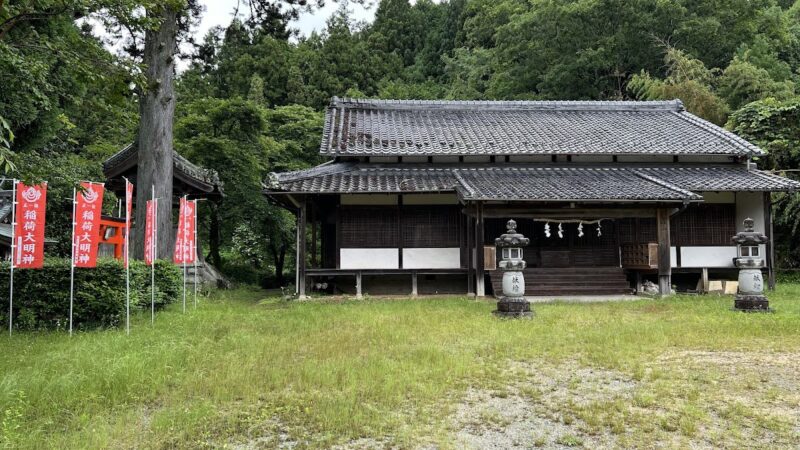
The main hall of Joganji Temple houses the principal image, a standing statue of Amida Buddha. The solemn atmosphere allows for peaceful prayer and heartfelt devotion.
Regular services and prayers are held in the main hall. Those wishing to pray for fertility can arrange for individual prayers by contacting the temple in advance.
Tranquil Atmosphere of the Temple Grounds
Joganji Temple is located in a naturally rich environment on the outskirts of Katsuragi City. Its quiet location, far from the hustle and bustle of urban areas, provides a peaceful environment for worship. The temple grounds are meticulously clean and have a warm, welcoming atmosphere for visitors. There is also a parking lot with space for approximately 30 cars, making it easily accessible by car.
Basic Information about Joganji Temple
Location and Contact Information
- Official Name: Fuseyama Joganji Temple
- Address: 1170 Teraguchi, Katsuragi City, Nara Prefecture 639-2135
- Phone Number: 0745-69-5601
- IP Phone: 050-3385-2827
- FAX: 0745-69-9058
- Sect: Jodo-shu (Pure Land Buddhism)
- Principal Image: Standing statue of Amida Buddha
Visiting Hours and Reception
- Reception Hours: 8:00 AM to 5:00 PM
- Visiting Hours: Open all year round
- Admission Fee: Generally free (Prayers and other services require separate donations)
If you wish to request prayers for fertility or memorial services for miscarried or stillborn babies, it is recommended to contact the temple by phone in advance. The monks will provide courteous service.
Parking
The temple grounds have a free parking lot with approximately 30 spaces. Because it’s easily accessible by car, many visitors come from far away.
Access Methods
Access by Train
The nearest station is Kintetsu Shinjo Station on the Kintetsu Gosho Line.
- Walking from Kintetsu Shinjo Station: Approximately 30-34 minutes
- Taxi from Kintetsu Shinjo Station: Approximately 7 minutes
While walking is a bit of a distance, you can enjoy a stroll while admiring the peaceful rural scenery. If you’re short on time or have a lot of luggage, taking a taxi is convenient.
Access by Car
Access by car is the most convenient.
- From the Minami-Hanna Expressway “Katsuragi Interchange”: Approximately 2 minutes
- From the Nishi-Meihan Expressway “Kashiba Interchange”: Approximately 15 minutes
From Nara City, it takes about 40 minutes via National Route 24, and from Osaka City, it takes about 1 hour. Entering the address (1170 Teraguchi, Katsuragi City, Nara Prefecture) or phone number into your car navigation system will ensure a smooth arrival.
Recommended Tourist Spots Around Joganji Temple
Taimadera Temple
Located about 10 minutes by car from Joganji Temple, Taimadera Temple is an ancient temple founded during the Nara period, and is a valuable temple with the national treasure East and West Pagodas still standing. It is known for the Taima Mandala and is also famous for its peonies.
Mount Katsuragi
Mount Katsuragi, the symbol of Katsuragi City, is a mountain with an elevation of 959 meters, and you can reach the summit by ropeway. In spring, the vast azalea fields are magnificent, creating a breathtaking spectacle often described as “a million azaleas at a glance.”
Sekkoji Temple
Sekkoji Temple, known for its peonies and tree peonies, is also located about 15 minutes by car from Joganji Temple. In spring and autumn, the temple grounds are adorned with colorful flowers, making it a popular spot for photography enthusiasts.
Katsuragi City Historical Museum
The Katsuragi City Historical Museum, where you can learn about the history and culture of the Katsuragi region, exhibits the region’s development from ancient times to the present day. Visiting before or after your visit to Joganji Temple will deepen your understanding of the region.
Etiquette and Manners for Visiting Joganji Temple
Basic Etiquette for Visiting
- Bow at the Temple Gate: Before entering the temple grounds, bow at the temple gate.
- Purify yourself at the water basin: If there is a water basin, purify your hands and mouth before praying.
- Pray at the main hall: Pray with your hands clasped together in front of the main hall and offer your prayers with sincerity.
- Remain quiet: Remain quiet on the temple grounds and be considerate of other worshippers.
Precautions when praying for a child
Prayers for a child and memorial services for miscarried or stillborn babies are very delicate matters. If you wish to have a prayer performed, make a reservation by phone in advance and follow the instructions of the monk.
Regarding the amount of the offering, check directly with the temple or prepare based on the general amount. It is important to offer it with heartfelt gratitude.
Regarding photography
Photography of the temple grounds, such as the healing garden, is often permitted, but please check in advance regarding photography inside the main hall or of Buddha statues. Also, be considerate of the privacy of other worshippers and take care not to include people in your photos.
Annual Events at Joganji Temple
Joganji Temple holds various Buddhist services and events throughout the year.
Main Annual Events
- New Year’s Day: Shusho-e (New Year’s Buddhist Service)
- Spring: Spring Equinox Service
- Summer: Obon Festival
- Autumn: Autumn Equinox Service
- Year-End: New Year’s Eve Bell Ringing
For dates of special events, we recommend checking the official website or calling the temple.
Frequently Asked Questions about Joganji Temple
Q1: How much is the entrance fee to Joganji Temple?
Basic admission to the temple grounds is free. However, if you wish to have special prayers such as prayers for fertility or memorial services for miscarried or stillborn babies, an offering is required. Please contact the temple directly for the amount.
Q2: Can I have a prayer for fertility without a reservation?
While walk-in visits are possible, if you wish to receive prayers from a monk, it is recommended to make a reservation in advance by phone (0745-69-5601). It can get particularly crowded on weekends and holidays.
Q3: Does Joganji Temple have lodging (shukubo)?
Joganji Temple itself does not have lodging, but there are inns and hotels in the surrounding area. Accommodation is scattered throughout Katsuragi City and the neighboring cities of Kashihara and Gose.
Q4: Is it accessible for wheelchair users?
There may be steps on the route from the parking lot to the main hall. If you wish to visit in a wheelchair, it is recommended to contact the temple in advance to confirm.
Q5: Can I bring my pet to the temple?
Generally, temples often request that visitors refrain from bringing pets out of consideration for other worshippers. Please inquire with the temple in advance for details.
Q6: Can I get a Goshuin (temple stamp)?
Please contact Joganji Temple directly to inquire about the availability of Goshuin (temple stamps). Bringing your Goshuincho (stamp book) and visiting during reception hours is recommended.
Seasonal Ways to Enjoy Visiting Joganji Temple
Spring (March-May)
Spring is beautiful with its fresh greenery, and cherry blossoms and various other flowers bloom in the tranquil garden. It’s the perfect season for a leisurely stroll in the warm climate.
Summer (June-August)
Summer brings lush greenery, and the garden trees appear vibrant. Visiting in the cool early morning or evening hours is recommended.
Autumn (September-November)
Autumn is the season of autumn leaves. The colorful trees in the tranquil garden are beautiful, and you can spend a peaceful time in the quiet temple grounds.
Winter (December-February)
Winter is a season with fewer visitors, allowing for quiet and heartfelt prayer. You can pray with a sincere heart in the crisp, clear air. ## Joganji Temple and Other Temples in Nara Prefecture for Fertility
Besides Joganji Temple, Nara Prefecture has other temples and shrines known for prayers for fertility and safe childbirth.
Obitoke-dera Temple
Obitoke-dera Temple, located in Nara City, is a temple famous for prayers for safe childbirth. It has deep ties to the Imperial family and is visited by many pregnant women.
Koyasu Jizo-ji Temple
Koyasu Jizo-ji Temple, located in Kashihara City, is also known as a sacred site for fertility and safe childbirth.
Visiting these temples together will make for a more profound pilgrimage of prayer.
Model Sightseeing Course for the Katsuragi Area Including a Visit to Joganji Temple
Example Day Trip Course
Morning: Visit Joganji Temple for prayers for fertility and a stroll through its healing gardens (1.5 hours)
↓
Lunch: Local cuisine in Katsuragi City or the Taima area
↓
Afternoon: Visit Taima-dera Temple (1 hour)
↓
Afternoon: Flower viewing at Sekkoji Temple (1 hour)
↓
Evening: Enjoy the sunset view from the Katsuragi Mountain Ropeway
This course allows you to fully enjoy the charm of the Katsuragi area, centered around Joganji Temple, in one day.
Summary: Joganji Temple is a place of peace of mind and where wishes are fulfilled
Located in Katsuragi City, Nara Prefecture, Joganji Temple has been a temple associated with Emperor Montoku for fertility, and has received people’s wishes for over a thousand years. It is a temple that warmly welcomes all people, whether those praying for fertility, those wishing for memorial services for miscarried or stillborn babies, or simply those seeking peace of mind.
With its beautiful, tranquil gardens, solemn main hall, and heartfelt prayers, Joganji Temple offers an environment where you can escape the hustle and bustle of modern society and find peace of mind.
It’s easily accessible; just a few minutes by car from the Minami-Hanna Expressway, or a short taxi ride from Kintetsu Shinjo Station. The surrounding area boasts many attractive tourist spots, such as Taima-dera Temple and Mount Katsuragi, making it a place you can leisurely explore in a single day.
Joganji Temple is highly recommended not only for those seeking to conceive or pray for the repose of a miscarried or stillborn child, but also for anyone wishing to visit a hidden gem of Nara. The time spent praying in the quiet temple grounds, offering heartfelt wishes, will surely bring deep peace to your heart.
Contact Joganji Temple:
Phone: 0745-69-5601
Reception Hours: 8:00 AM – 5:00 PM (Open year-round)
When traveling to Katsuragi City, Nara Prefecture, please be sure to visit Joganji Temple.