Complete Guide to Sakurai-ji Temple (Gojo City, Nara Prefecture) | History, Highlights, and Access Information
Located in Gojo City, Nara Prefecture, Sakurai-ji Temple is a historical temple deeply rooted in the region. This article provides detailed information you should know before visiting, including the historical background of Sakurai-ji Temple, highlights within the temple grounds, visiting information, and access methods.
About Sakurai-ji Temple
Sakurai-ji Temple is a Buddhist temple located in Gojo City, Nara Prefecture, and has been cherished for many years as a center of local faith. Gojo City has flourished as a transportation hub since ancient times, and Sakurai-ji Temple is an important temple that has played a part in that history.
Basic Temple Information
Sakurai-ji Temple stands in a tranquil environment and is visited not only by locals but also by worshippers interested in history and Buddhist culture. The temple’s name, “Sakurai,” is said to originate from the fact that many cherry trees were once planted in this area.
History of Sakurai-ji Temple
Origin of Founding
Information regarding the founding of Sakurai-ji Temple is based on local traditions and records. From the Nara period to the Heian period, many temples were built in this region, and Buddhist culture flourished. Sakurai-ji Temple is believed to have been established within this context.
Transition from the Medieval to the Early Modern Period
During the medieval period, the area around Gojo City was sometimes caught up in the turmoil of the Nanboku-cho period and the wars of the Sengoku period, but Sakurai-ji Temple survived, supported by the faith of the local people. During the Edo period, the temple was improved, forming the foundation for the temple as it exists today.
Progress Since the Modern Period
Although there was a period affected by the anti-Buddhist movement after the Meiji Restoration, Sakurai-ji Temple was protected by the deep faith of the local residents. Even today, it is carefully maintained as a local cultural asset and place of worship.
Sakurai-ji Temple’s Sect and Principal Image
Affiliated Sect
The sect of Sakurai-ji Temple is closely related to the local Buddhist history. Temples in Nara Prefecture belong to various sects, such as Shingon Buddhism, Jodo Buddhism, and Soto Zen Buddhism, and Sakurai-ji Temple is thought to belong to one of these.
Principal Image
The principal image, the central object of worship for temples, is an important Buddhist statue. Sakurai-ji Temple’s principal image may be a Buddha corresponding to the local religious practices, such as Amida Buddha, Yakushi Buddha, or Kannon Bodhisattva.
Highlights of the Temple Grounds
Main Hall
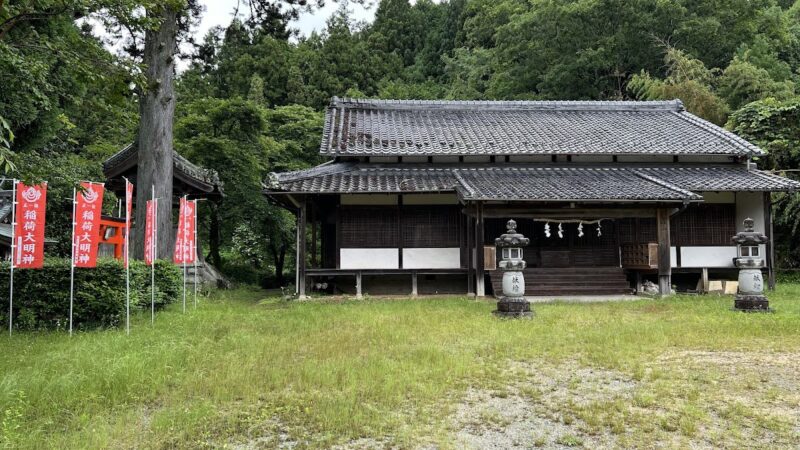
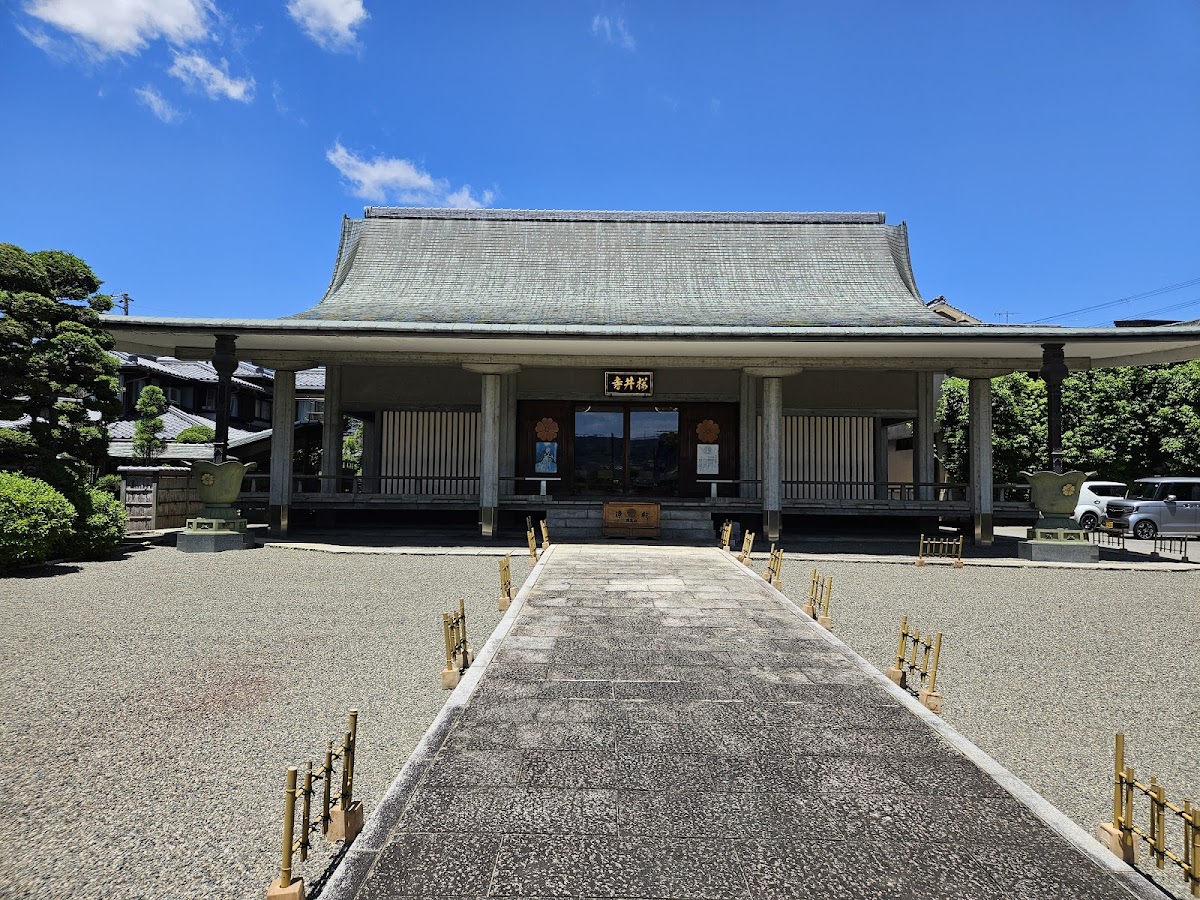
The main hall of Sakurai-ji Temple is the central building of the temple. Visitors can offer prayers here, bowing to the principal image in quiet contemplation. The architectural style and decorations reflect the characteristics of the era in which it was built.
Natural Environment of the Temple Grounds
The grounds of Sakurai-ji Temple offer the opportunity to enjoy the beauty of nature throughout the four seasons. In spring, cherry blossoms bloom; in summer, the greenery deepens; and in autumn, the autumn leaves color the temple grounds. The tranquil atmosphere of winter also brings peace of mind to visitors.
Stone Buddhas and Stone Pagodas
Within the temple grounds, you may find stone Buddhas and stone pagodas that evoke a sense of history. These are valuable cultural assets that tell the story of the region’s religious history, conveying messages from the past to visitors.
Annual Events and Memorial Services
Major Annual Events
At Sakurai-ji Temple, various Buddhist events are held throughout the year. Traditional Buddhist events such as the New Year’s Shushō-e (New Year’s service), the spring and autumn equinox services, and the Obon (Buddhist festival) Segaki memorial service are held together with the local community.
Connections with the Community
These events are not merely religious ceremonies; they are important opportunities to deepen the bonds of the local community. They function as a place where parishioners and local residents gather to pray for ancestral remembrance and the peace and prosperity of the community.
About Goshuin (Temple Seals)
Issuance of Goshuin
In recent years, collecting goshuin has become a popular pastime during temple and shrine visits. Sakurai-ji Temple may also issue goshuin. It is recommended to confirm by phone before visiting.
Preparing Your Goshuincho (Stamp Book)
When receiving a goshuin, please bring your goshuincho. Some temples may sell their own goshuincho. Remember that goshuin are proof of your visit, not merely a stamp rally, and receive them with respect.
Access Information
Location
Sakurai-ji Temple is located in Gojo City, Nara Prefecture. Gojo City is located in the southwestern part of Nara Prefecture, near the border with Wakayama Prefecture.
Access by Public Transportation
By Train:
- The nearest station is Gojo Station on the JR Wakayama Line.
- It is convenient to take a bus or taxi from the station.
- If walking, please check the distance and travel time in advance.
By Bus:
- Local bus routes such as the Gojo City Community Bus may be available.
- Since the number of services may be limited, it is recommended to check the timetable in advance.
Access by Car
Route from Major Roads:
- The Gojo Kita IC or Gojo IC on the Keina-Wa Expressway are convenient.
- Access is possible from major national highways such as National Route 24 and National Route 168.
- Please enter the address or temple name into your car navigation system and search.
Parking:
- There may be parking spaces on the temple grounds or nearby.
- It is recommended to check in advance whether there is parking available for visitors.
Nearby Tourist Attractions
Historical Sites in Gojo City
When visiting Sakurai-ji Temple, why not also visit other tourist attractions in Gojo City?
Gojo Shinmachi:
This is an important traditional building preservation district where the townscape of the Edo period remains. Old merchant houses and townhouses line the streets, allowing you to enjoy an atmosphere that feels like stepping back in time.
Eizanji Temple:
This ancient temple is known for its National Treasure, the Octagonal Hall, and you can see valuable architecture from the Nara period.
Yoshino River:
The Yoshino River, which flows through Gojo City, is a spot where you can enjoy beautiful natural scenery. You can enjoy strolling along the river and the seasonal scenery.
Nearby Natural Spots
Mt. Kongo:
Located on the border of Nara and Osaka prefectures, Mt. Kongo is a popular spot for hiking and mountain climbing.
Yoshino Mountain Area:
Yoshino Mountain, world-famous for its cherry blossoms, is also accessible from Gojo City.
Manners and Etiquette for Visiting Temples
Basic Manners for Visiting Temples
When visiting temples, please observe the following basic manners.
Attire:
- Avoid overly revealing clothing and dress modestly when visiting a temple.
- It is polite to remove hats and sunglasses before entering the main hall.
Behavior on Temple Grounds:
- Be quiet and avoid speaking loudly or running around.
- Take photographs only in designated areas.
- Photography may be prohibited inside the main hall or of Buddha statues.
Etiquette for Visiting a Temple
Offering Money:
- Place your offering quietly into the offering box.
- It is polite to gently place the money rather than throwing it in.
Praying with Hands Clasped:
- Clasp your hands together, bow, and pray sincerely.
- Unlike Shinto shrines, clapping your hands is not done at Buddhist temples.
History and Culture of Gojo City
Origins of Gojo City
Gojo City has flourished as a transportation hub since ancient times. Located at an important point connecting Yamato and Kii, it also utilized the Yoshino River for water transport.
Historical Sites of the Nanboku-cho Period
Gojo City was one of the important bases of the Southern Court during the Nanboku-cho period. Historical sites related to Emperor Go-Daigo and Kusunoki Masashige are scattered throughout the area, making it an interesting region for history buffs.
Traditional Industries and Culture
Gojo City has a rich agricultural tradition, including persimmon cultivation, and other traditional industries. Local festivals and folk customs are also carefully preserved.
Points to Note When Visiting
Visiting Hours
Temples have designated visiting hours. Generally, visiting hours are during daylight hours, but specific times vary by temple. It is best to avoid visiting early in the morning or after sunset.
Things Recommended to Check in Advance
- Time and Method of Obtaining Goshuin (Temple Seals)
- Availability and Hours of Parking
- Dates of Special Viewings and Events
- Admission Fee
It is recommended to check this information by phone or on the website before visiting.
Seasonal Precautions
Spring/Autumn:
These are pleasant seasons, but the number of visitors may increase during the tourist season.
Summer:
Prepare for the heat by bringing a hat and plenty of water. However, remember to remove your hat while on the temple grounds.
Winter:
Take thorough precautions against the cold. Since the temple grounds are outdoors, bring warm clothing.
The Charm of Sakurai-ji Temple
A Space of Serene Prayer
The greatest charm of Sakurai-ji Temple is that it offers a quiet space for prayer, far removed from the hustle and bustle of everyday life. You can calm your mind and have time to reflect on yourself.
A History Rooted in the Community
Having walked hand in hand with the community throughout its long history, Sakurai-ji Temple is an integral part of Gojo City’s cultural identity. By visiting, you can experience the history and culture of the region.
Beauty in Every Season
The nature on the temple grounds shows different expressions in each of the four seasons. There are new discoveries to be made with each visit, making seasonal visits enjoyable.
Summary
Sakurai-ji Temple, located in Gojo City, Nara Prefecture, is a temple steeped in history and tradition. Long cherished as a center of local faith, this temple offers a tranquil space for prayer and the beauty of nature throughout the seasons.
When visiting Gojo City, be sure to stop by Sakurai-ji Temple. You can quietly offer your prayers in its historic grounds and escape the hustle and bustle of everyday life. There are also many other attractions nearby, such as Gojo Shinmachi and Eizan-ji Temple.
When visiting, it is important to observe basic manners and show respect to the temple. Check the visiting hours and access methods in advance to ensure a fulfilling visit.
We hope your visit to Sakurai-ji Temple will be a memorable experience. Please enjoy your journey through the rich history and culture of Gojo City, Nara Prefecture.