Anraku-ji Temple (Gose City, Nara Prefecture) Complete Guide | Detailed Explanation of the Important Cultural Property Stupa and History
Anraku-ji Temple, located in Inashuku, Gose City, Nara Prefecture, is a Shingon Buddhist temple of the Koyasan sect that possesses a valuable stupa designated as an Important Cultural Property. This ancient temple, which once flourished as a Hossō sect temple, is said to have been built on the site of Katsuragi-dera Temple and is attracting attention as a valuable cultural heritage site that preserves the architectural style of the Kamakura period.
This article comprehensively explains everything you need to know before visiting Anraku-ji Temple, including its history, the characteristics of the important cultural property stupa, highlights of the temple grounds, and access information.
History and Origins of Anraku-ji Temple
Relationship with Katsuragi-dera Temple and Background of its Founding
While the exact founding date of Anraku-ji Temple is unclear, it is believed that an ancient temple called Katsuragi-dera Temple once existed on this site. According to the Katsuragi-dera Temple Chronicle, this area was a region where Buddhist culture flourished from ancient times, and Anraku-ji Temple was built to carry on that tradition.
History and Origins of Anraku-ji Temple
Relationship with Katsuragi-dera Temple and Background of its Founding
While the exact founding date of Anraku-ji Temple is not clearly recorded, it is believed that an ancient temple called Katsuragi-dera Temple once existed on this site. According to the Katsuragi-dera Temple Chronicle, this area was a region where Buddhist culture flourished from ancient times, and Anraku-ji Temple was built to carry on that tradition. Located at the foot of Mount Katsuragi, Anraku-ji Temple is deeply intertwined with the faith in the Katsuragi mountain range, known as a sacred site for Shugendo (mountain asceticism), and has developed within a unique religious and cultural sphere where mountain worship and Buddhism are fused.
Transition from Hosso Sect to Koyasan Shingon Sect
Anraku-ji Temple is said to have originally been founded as a temple of the Hosso sect. The Hosso sect was one of the six sects of Nara Buddhism that flourished around Kofuku-ji Temple during the Nara period, and is an academic sect based on Yogacara thought.
However, with the passage of time, the sect changed, and it now belongs to the Koyasan Shingon sect. This sectarian shift is thought to be closely related to the rise and fall of temples from the medieval to the early modern period, and is an important historical fact that illustrates the changes in Buddhist faith in the region.
Mountain Name and Principal Image
Anraku-ji Temple’s mountain name is “Katsuragi-san,” reflecting the faith in Mount Katsuragi, a sacred mountain in the region, as reflected in the temple’s name. The principal image enshrined here is the Eleven-Faced Kannon, and as the center of Kannon worship, which seeks to relieve the suffering of all sentient beings, it has long attracted the fervent devotion of the local people.
The Eleven-Faced Kannon, with its eleven faces, is a symbol of compassion, watching over all directions and saving all people. The principal image of Anraku-ji Temple has played an important role as a center of Kannon worship in this region.
Characteristics of the Important Cultural Property “Anraku-ji Pagoda (Dainichi-do)”
A rare building with only the first story of a three-story pagoda remaining
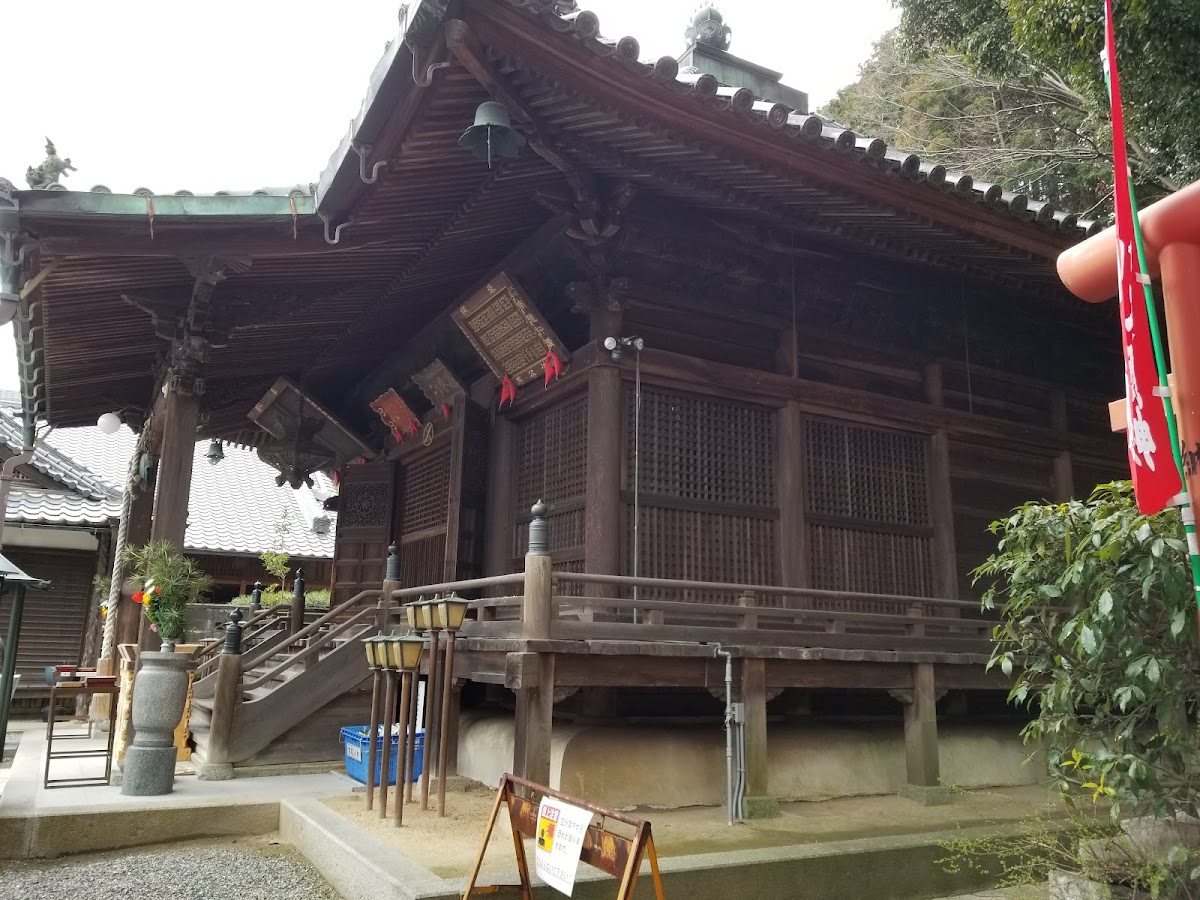
The greatest highlight of Anraku-ji Temple is the building called the “Pagoda,” located on a hill within the temple grounds. This structure, now also called the “Dainichi-do,” was originally built as a three-story pagoda.
However, during the Enpo era (1673-1681), the upper story was severely damaged, so the second and third stories and the nine-ring finial were dismantled, and only the first story remained, resulting in a very unusual history of reconstruction. In other words, only the first floor of the three-story pagoda is visible today, making it an extremely rare architectural structure nationwide.
Late Kamakura Period Architectural Style
The Anrakuji pagoda is believed to have been built in the late Kamakura period, and its architectural style exhibits many characteristics of that era. As a valuable example preserving the first-story structure of a medieval three-story pagoda, it holds high historical value in architecture.
Kamakura period architecture possesses a unique style, combining the elegance of the Heian period with the strength of samurai culture, and the Anrakuji pagoda strongly reflects this era. It is also an important resource for understanding the level of architectural technology at the time, including the detailed design and the processing techniques of the structural materials.
Value of Designation as an Important Cultural Property
The Anrakuji Temple pagoda is designated as a National Important Cultural Property, and its cultural value lies in the following points:
- Architectural Historical Value: A rare example of a three-story pagoda from the late Kamakura period that still retains its first story structure.
- Technical Value: An exquisite structure demonstrating the high level of wooden construction technology of the time.
- Historical Value: A unique historical context of renovation during the Enpo era.
- Regional Value: A representative example of medieval Buddhist architecture in the Katsuragi region.
This pagoda is noteworthy as a unique case in architectural history, where the unfortunate event of the loss of the upper story of the three-story pagoda resulted in the preservation of the first story structure, leaving a valuable cultural heritage for future generations.
Highlights and Buildings on the Temple Grounds
Main Hall and the Principal Image, Eleven-Faced Kannon
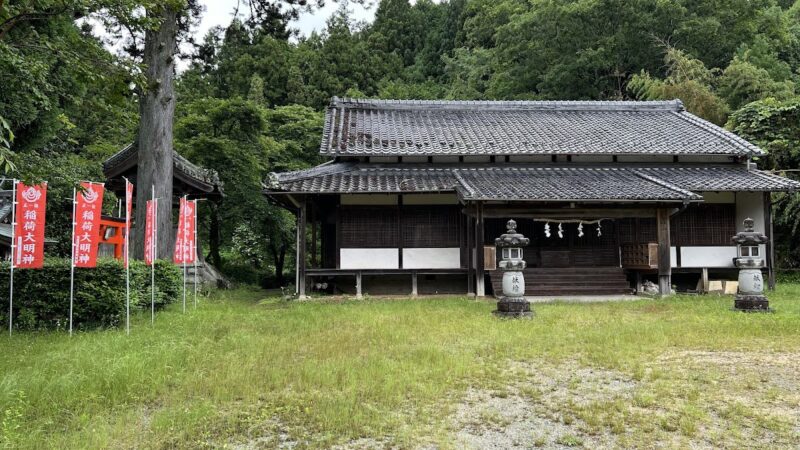
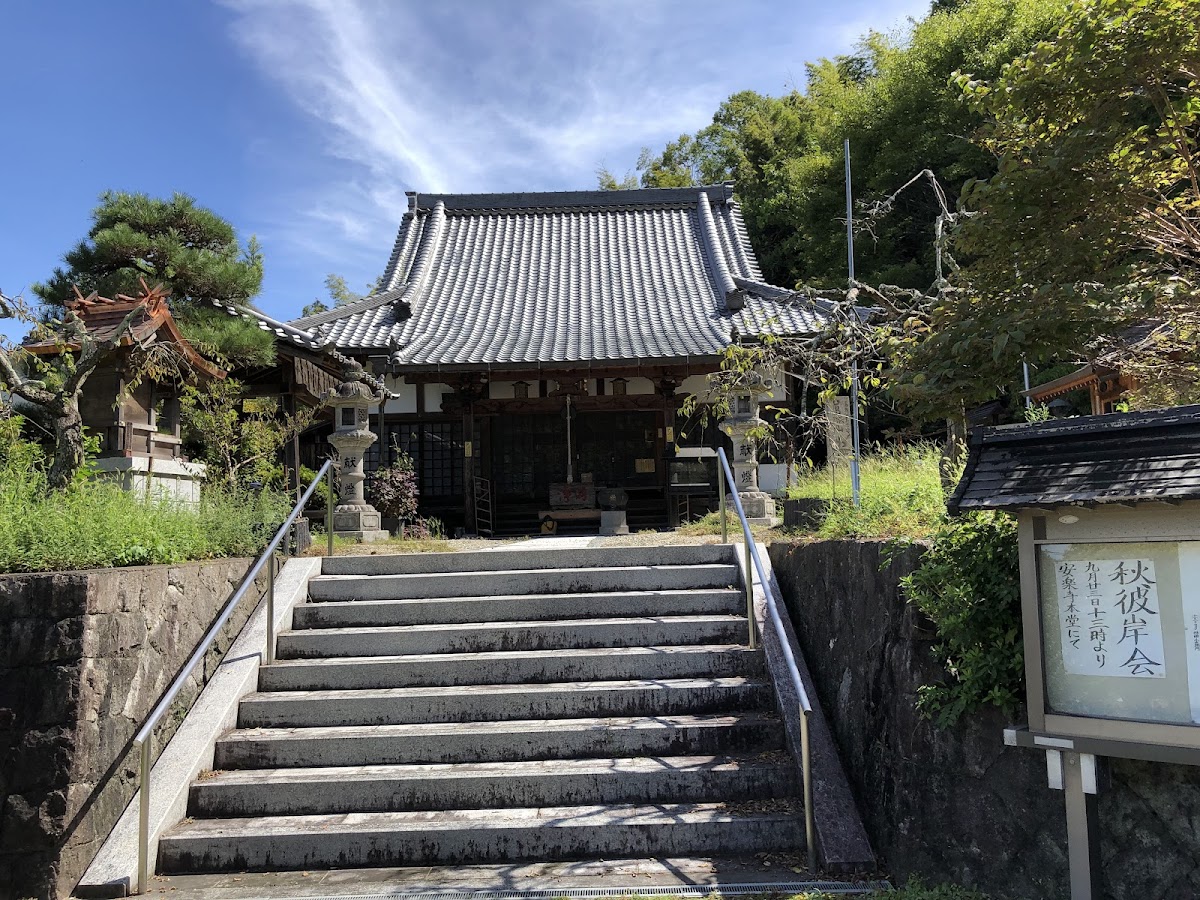
The main hall of Anrakuji Temple is located in the center of the current temple grounds. The principal image, the Eleven-Faced Kannon, is enshrined here, quietly welcoming visitors. The main hall is about a 5-minute walk from the stupa (Dainichi-do), and it still retains traces of the original temple layout.
While the architectural style of the main hall is a later reconstruction, the inner sanctuary preserves ancient Buddhist implements and decorations, telling the story of the temple’s long history.
The Path to the Stupa (Dainichi-do)
The stupa within the temple grounds is located on a hill slightly away from the main hall. This arrangement evokes the temple’s former vast grounds. Walking along the path leading to the hill allows you to experience a medieval religious space in a tranquil atmosphere.
From the area around the stupa, you can see the townscape of Gose City and the mountains of the Katsuragi mountain range, offering a view that makes you understand why this area has been considered a sacred site since ancient times.
The Natural Environment of the Temple Grounds
Anraku-ji Temple’s grounds are located in the gentle hilly area of the southern part of the Nara Basin, blessed with nature that changes with the seasons. In spring, cherry blossoms adorn the temple grounds; in early summer, fresh greenery; and in autumn, vibrant autumn leaves, allowing visitors to experience the changing seasons.
One of Anrakuji Temple’s greatest charms is the opportunity to appreciate the harmony between the history of this ancient temple and nature in a tranquil setting.
Basic Information and Access
Location and Contact Information
Address: 1084 Inashuku, Gose City, Nara Prefecture 639-2258
Phone Number: 0745-67-0154
Sect: Koyasan Shingon Buddhism
Mountain Name: Katsuragi-san
Principal Image: Eleven-faced Kannon
Chief Priest: Hiromine Oi
Access by Public Transportation
Nearest Station: Kintetsu Gose Line “Katsura Station”
- Approximately 11-15 minutes on foot from Katsurara Station (approx. 925m)
- Exit the station and head northeast towards the Inashuku area.
- There are few signs along the way, so it is recommended to check a map beforehand.
About the Kintetsu Gose Line:
Katsura Station is a station on the Kintetsu Gose Line, located on the line heading from Kashihara-jingumae Station towards Gose Station. From the Osaka area, it’s convenient to take the Kintetsu Minami-Osaka Line or Gosho Line from Osaka-Abenobashi Station.
Access by Car
If using the expressway:
- Approximately 10 minutes by car from the Gosho IC on the Keina-Wa Expressway
- After exiting the Gosho IC, proceed towards National Route 24 and head towards the Inajuku area.
Parking: There is no dedicated parking lot, so we recommend using public transportation. If visiting by car, you will need to use nearby paid parking lots or public parking lots in Gosho City and walk from there.
Visiting Hours and Admission Fee
Visiting Hours: Grounds are freely accessible (however, viewing the interior of the stupa is usually not open to the public)
Admission Fee: Free (exterior only)
Restrooms: Available
*Regarding viewing the interior of the stupa, which is an important cultural property, it is usually not open to the public except during special public viewings. We recommend contacting the temple directly before visiting.
Nearby Tourist Attractions and Points of Interest
Katsuragi Ancient Road and Ancient Ruins
Gose City, where Anraku-ji Temple is located, is a region rich in historical heritage from ancient to medieval times. In particular, numerous ancient shrines, temples, and ruins are scattered along the historical road known as the “Katsuragi Ancient Road.”
- Takakamo Shrine: An ancient shrine considered the head shrine of all Kamo (Kamo) shrines nationwide.
- Hitokotonushi Shrine: A shrine known for its belief in granting single wishes.
- Kuhonji Temple: A temple famous for its thousand stone Buddha statues.
Hiking along the Katsuragi Ancient Road, visiting these historical sites, is a popular course for history enthusiasts.
Mount Katsuragi and Nature Walks
Mount Katsuragi (elevation 959m), also known as Mount Yamato Katsuragi, is famous for its azaleas in spring and pampas grass in autumn. The Katsuragi Mountain Ropeway provides easy access to near the summit, allowing visitors to enjoy the views and nature.
A sightseeing plan that combines a visit to Anrakuji Temple with hiking or climbing Mt. Katsuragi is also recommended.
Historical and Cultural Facilities in Gose City
- Gose-machi: A historical townscape that retains the streetscape of the Edo period
- Katsuragi City Historical Museum: A facility where you can learn about the history and culture of the Katsuragi region
By combining visits to these facilities, you can gain a deeper understanding of the history and culture of Gose City.
Inquiries and Visiting Etiquette
Precautions When Visiting
Anrakuji Temple is located in a quiet residential area. Please observe the following points when visiting the temple:
- Maintain silence: Please pray quietly within the temple grounds and be considerate of the nearby residents.
- Photography: You may photograph the exterior of the buildings, but permission is required to photograph the interior or the main image of Buddha.
- Take your trash home: There are no trash cans on the temple grounds, so please take your trash with you.
- Restricted areas: Please refrain from entering areas other than those designated.
Special Viewings and Events
Anrakuji Temple holds specific Buddhist services and events throughout the year. Special viewings of the interior of the stupa, a designated Important Cultural Property, are sometimes held. Please contact the temple in advance for details.
Contact Information: 0745-67-0154
Significance of Anrakuji Temple as a Cultural Property
Value in Medieval Architecture Research
The Anrakuji Temple stupa is an extremely important resource in the study of medieval three-story pagodas. While complete three-story pagodas exist in various locations, examples where only the first story is preserved are extremely rare, allowing for detailed study of the architectural structure.
In particular, it is attracting attention from architectural historians as a valuable example that allows direct observation of late Kamakura period wooden construction techniques, structural elements, and shaft processing techniques.
Role as a Regional Cultural Heritage
Anraku-ji Temple in Gose City is not merely a temple, but a symbol of the region’s history and culture. Inheriting the traditions of Katsuragi-ji Temple, and transitioning from the Hossō sect to the Koyasan Shingon sect, its history of preserving Buddhist culture in this area is an important element of the region’s identity.
The stupa, a designated Important Cultural Property, is carefully preserved as a cultural heritage of Gose City and as a representative example of Buddhist architecture in southern Nara Prefecture, representing a source of regional pride.
Efforts toward Preservation and Transmission
Continuous maintenance is essential for the preservation of the wooden stupa. Efforts to pass on the cultural property to future generations are ongoing, including regular inspections, necessary repairs, and disaster prevention measures.
Local residents, cultural heritage preservation groups, and the government are cooperating to protect this precious cultural heritage, and Anrakuji Temple is a prime example of such community-wide cultural heritage preservation.
Best Season and How to Enjoy
Seasonal Charms
Spring (March-May): In the season of fresh greenery, the trees in the temple grounds bud, creating an atmosphere full of vitality. You can enjoy the beautiful silhouette of the stupas in the spring sunshine.
Summer (June-August): The lush green temple grounds are cool and refreshing, allowing for a peaceful and tranquil visit. However, be sure to take precautions against heatstroke.
Autumn (September-November): In the season of autumn leaves, the temple grounds are ablaze with color, and the harmony between the ancient architecture and nature is at its most beautiful. This is the perfect season to visit in conjunction with a stroll along the Katsuragi Ancient Road.
Winter (December-February): In the crisp, clear air, the quietly standing stupa exudes a solemn atmosphere. With fewer visitors, it’s a season for leisurely worship.
Recommended Visiting Plans
Half-Day Course: Arrive at Katsuragi Station → Visit Anraku-ji Temple (approx. 1 hour) → Stroll along the Katsuragi Ancient Road → Visit Takakamo Shrine or Hitokotonushi Shrine
Full-Day Course: Morning: Visit Anraku-ji Temple → Hike along the Katsuragi Ancient Road
Afternoon: Climb Mt. Katsuragi or take the ropeway → Stroll through Gose town
As you can see, a plan starting from Anraku-ji Temple to fully enjoy the history, culture, and nature of Gose City is highly recommended.
Summary
Anraku-ji Temple, located in Inashuku, Gose City, Nara Prefecture, is an ancient temple of the Koyasan Shingon sect, possessing a stupa (Dainichi-do) designated as an Important Cultural Property. This rare structure, with only the first story of a three-story pagoda built in the late Kamakura period still standing, is highly valued as a precious historical document in the history of medieval architecture.
Inheriting the traditions of Katsuragi-dera Temple, and having transitioned from the Hossō sect to the Kōyasan Shingon sect, it has maintained its principal image, the Eleven-Faced Kannon, and has been preserved as a center of local faith to this day, illustrating the diversity and continuity of Japanese Buddhist culture.
Its convenient access, approximately a 15-minute walk from Katsuragi Station, and its combination with the surrounding tourist resources such as the Katsuragi Ancient Road and Mount Katsuragi, makes it an attractive destination not only for history buffs but also for hikers who enjoy nature.
Spending time in the tranquil temple grounds, contemplating the important cultural property stupa and its unique history, will be a precious experience that allows you to forget the hustle and bustle of modern life. When visiting Gose City, be sure to visit Anraku-ji Temple and experience the rich history and culture that this region has nurtured.