Complete Guide to Ishii-dera Temple (Nara Prefecture) | The Charm of Japan’s Oldest Stone Buddha and the Hakuhō Period
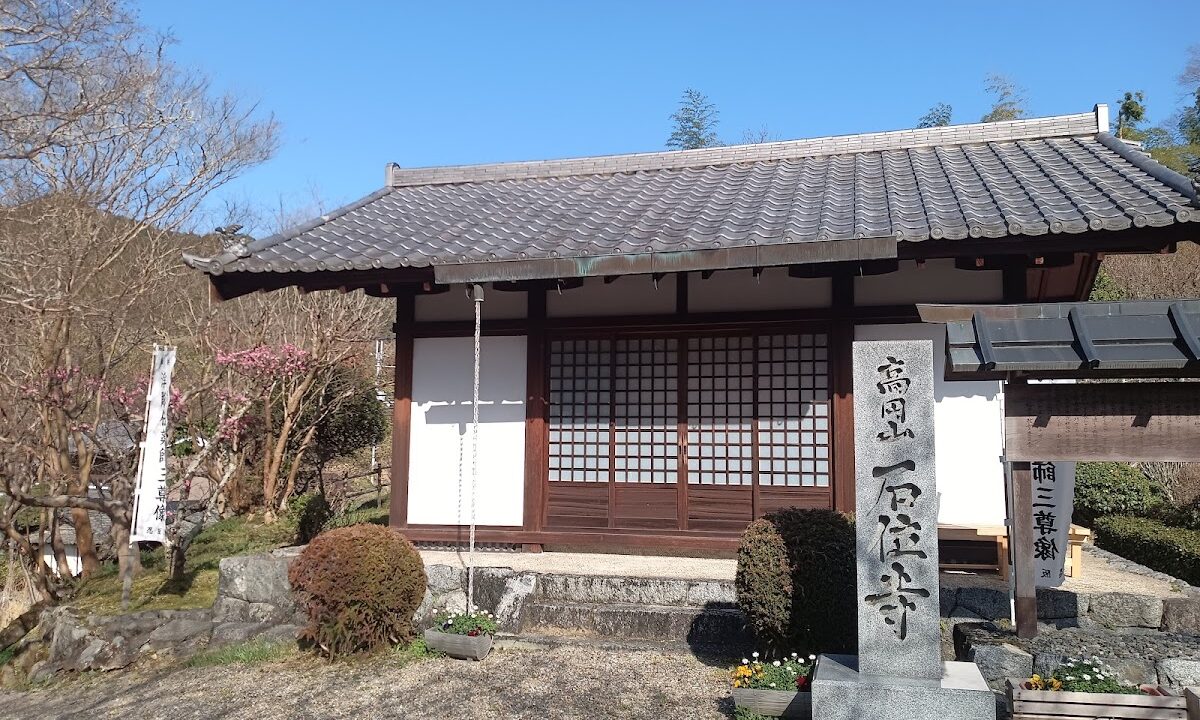
Ishii-dera Temple, nestled on a hill in the Otsusaka (or Ossaka) settlement of Sakurai City, Nara Prefecture, is a small temple housing what is said to be Japan’s oldest stone Buddha. The stone relief of the Yakushi Triad, designated as an Important Cultural Property, was created approximately 1300 years ago during the Hakuhō period. Its beauty is so remarkable that the renowned author Yasunari Kawabata described it as having “a gentle, warm feeling, perhaps like a beautiful young girl.” This article provides a detailed explanation of Ishii-dera Temple’s history, highlights, access methods, and visiting information.
About Ishii-dera Temple | History and Overview
Origins and History of Ishii-dera Temple
While the origins of Ishii-dera Temple are unclear, the stone relief of the Yakushi Triad currently enshrined in the main hall dates back to the Hakuhō period (late 7th to early 8th century), suggesting a history of at least 1300 years.
In 1689 (Genroku 2), the main hall (Yakushi-dō) is said to have been built with the support of Ōoka Tadataka, the father of Ōoka Tadasuke (a renowned magistrate of the Edo shogunate) and then serving as the Nara magistrate. This fact indicates that Ishii-dera Temple was recognized as an important temple even during the Edo period.
Current Status as an Unresident Temple
Ishii-dera Temple once espoused the Yūzū Nenbutsu sect, but is currently an unresident temple without a head priest. However, it is carefully maintained by local parishioners and residents, making it a temple that embodies the power of local communities protecting Japanese cultural properties.
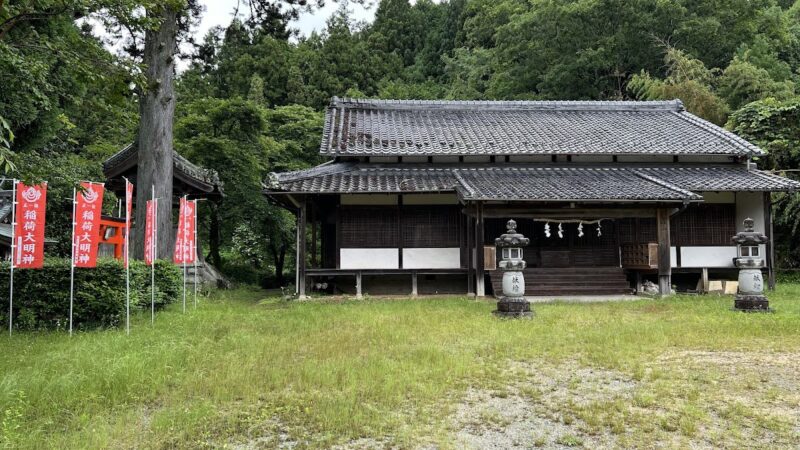
Although it is a small temple consisting only of a main hall and a storage building constructed in 1977, despite its size, it occupies an extremely important position in the history of Japanese Buddhist art.
The Charm of the Oldest Stone Buddha in Japan | The Stone Relief of the Yakushi Triad
A Precious Stone Buddha Designated as an Important Cultural Property
The greatest highlight of Ishii-ji Temple is the “Stone Relief of the Yakushi Triad,” housed in the storage building behind the main hall. This stone Buddha is designated as an Important Cultural Property and is known as the oldest three-figure stone Buddha in Japan.
Characteristics and Dimensions of the Stone Buddha
The stone relief sculpture of the Yakushi Triad has the following characteristics:
- Dimensions: Height 118cm, Width 125cm, Thickness approximately 34cm
- Material: Triangular sandstone with rounded corners
- Technique: Semi-relief carving
- Composition: A triad form with a Buddha-like figure believed to be Yakushi Nyorai in the center, flanked by two attendant figures.
The three Buddhas are carved in relief on a rounded triangular stone slab, with the central figure seated (sitting on a chair) and wearing a canopy above their heads. The technique of tilting the chair or lotus pedestal forward is characteristic of the “embossed Buddha style” popular during the Hakuhō period, and strongly reflects the features of Buddhist art of that time.
The Beauty Praised by Yasunari Kawabata
Yasunari Kawabata, a Nobel Prize-winning author, described this stone Buddha as having “a gentle, warm quality, perhaps reminiscent of a beautiful young girl.” The soft and elegant expression characteristic of the Hakuhō period continues to captivate the hearts of viewers even after more than 1300 years.
The Story of the Stone Buddha’s Discovery
This precious stone Buddha is said to have once been placed in a garden. In 1916 (Taisho 5), its value was recognized by architectural historian Dr. Sadao Sekino, and since then, it has been highly valued academically.
In 1977 (Showa 52), a storage facility was built to properly preserve this valuable cultural artifact, and it remains so to this day. Although small, the storage facility plays a crucial role in protecting the stone Buddha from the elements and passing it on to future generations.
Buddhist Art of the Hakuhō Period and Ishii-dera Temple
What is the Hakuhō Period?
The Hakuhō period refers to the period from the late 7th to the early 8th century, between the Asuka and Nara periods. This era saw significant development in Japanese Buddhist art, characterized by its elegant and refined style.
The stone relief sculpture of the Yakushi Triad at Ishii-dera Temple strongly reflects the characteristics of Hakuhō period Buddhist art, making it a valuable legacy that conveys the high level of skill and aesthetic sensibility of the time to the present day.
Techniques for Creating Stone Buddhas
The technique of depicting the three Buddhas in semi-relief on triangular sandstone demonstrates the high level of stonemasonry at the time. Particularly noteworthy is the technique of tilting the chair and lotus pedestal forward, achieving a three-dimensional expression with depth.
This “embossed Buddha style” creates the effect of the Buddha statue appearing to float from the flat stone, demonstrating ingenuity in maximizing expressive power within limited materials.
Location and Access to Ishii-dera Temple
Basic Information
- Location: 870 Oshisaka, Sakurai City, Nara Prefecture 633-0005
- Pronunciation: Ishii-dera
- Sect: Unoccupied (formerly Yuzu Nembutsu Sect)
- Parking: Available (approx. 4 cars)
Access by Train and Bus
Ishii-dera Temple is located in the Oshisaka settlement of Sakurai City. The following routes are convenient when using public transportation:
- From Kintetsu Osaka Line “Sakurai Station”:
- Approximately 10 minutes by taxi
- If using a bus, use the Sakurai City Community Bus, etc.
- From Kintetsu Osaka Line “Daifuku Station”:
- Approximately 30 minutes on foot (there is an uphill slope to a hilltop)
The Oshisaka settlement is located on a hilltop, offering excellent views of Sakurai city and the surrounding mountains.
Access by Car
- From Tenri IC on the Meihan Expressway: Approximately 20 minutes
- From Tenri IC on the Nishi-Meihan Expressway: Approximately 25 minutes
There is parking space for about 4 cars, but as it is a small temple, please consider using nearby paid parking lots during busy times.
Visiting Information and Reservation Method
Visiting Hours and Fees
- Visiting Hours: 10:00 AM – 4:00 PM
- Admission Fee: 300 yen (for viewing the stone Buddha statues)
- Closed Days: Irregular (advance reservation required)
Reservation Method (Important)
As of August 16, 2021, advance reservations are required to visit Ishii-ji Temple. This is because it is an uninhabited temple and is not always open to the public.
Reservation Contact:
- Sakurai City Tourism Association
- Phone Number: 0744-42-7530
- Reservation Method: Reservations can be made via the reservation form on the Sakurai City Tourism Association website or by phone.
Please be sure to make a reservation in advance, as you may not be able to visit without one. Especially during holidays and tourist seasons, reservations may be concentrated, so we recommend making a reservation well in advance.
Notes on Visiting
- Photography may be prohibited inside the storage area. Please check in advance.
- The stone Buddha statues are valuable cultural assets. Please be careful not to touch them or use flash photography.
- This temple is managed by local residents. Please visit quietly and be considerate of the surrounding environment.
Attractions and Recommended Spots Around Ishii-dera Temple
The Charm of Oshisaka Village
Oshisaka Village, where Ishii-dera Temple is located, is situated on a hill overlooking the Nara Basin and is a region with a long history. The village retains old houses, creating a tranquil landscape. The view from Ishii-dera Temple is magnificent, especially at sunset, when you can watch the sun sinking into the Nara Basin.
Nearby Historical Spots
Obara-dera Temple Ruins
Located about 10 minutes by car from Ishii-dera Temple, the Obara-dera Temple Ruins are the remains of an ancient temple that existed from the Hakuhō period to the Nara period. Remains from the same period as the stone Buddha statues at Ishii-dera Temple are still there, making it an important historical site for understanding Buddhist culture of the Hakuhō period.
Tanzan Shrine
Tanzan Shrine, a representative tourist spot in Sakurai City, is about 20 minutes by car from Ishii-dera Temple. It is a shrine dedicated to Fujiwara no Kamatari and is also known as a famous spot for autumn foliage. Many important cultural properties remain, including the thirteen-story pagoda and the main hall.
Hase-dera Temple
Hase-dera Temple, known as the “Temple of Flowers,” is about a 15-minute drive from Ishii-dera Temple. It’s a famous spot for peonies and autumn leaves, and its principal image, the Eleven-Headed Kannon Bodhisattva statue, is designated a National Treasure.
Gourmet & Souvenir Information
Sakurai City is known as the birthplace of “Miwa Somen” noodles. It’s recommended to enjoy authentic somen in the Miwa area before or after visiting Ishii-dera Temple. Also, around Sakurai Station, there are shops selling local specialties and traditional Nara sweets.
How to Enjoy Visiting Ishii-dera Temple
How to Enjoy for History Fans
The stone relief of the Yakushi Triad at Ishii-dera Temple occupies an extremely important position in the history of Japanese Buddhist art. Those interested in Buddhist art of the Hakuhō period will gain a deeper understanding by reading related books or learning about Hakuhō period Buddhist statues at the Nara National Museum beforehand.
For Photography Enthusiasts
The view from the hilltop in the Oshisaka settlement is ideal for photography. The morning and evening light is particularly beautiful, allowing you to capture impressive scenes of the Nara Basin. However, please confirm permission beforehand if you wish to photograph the stone Buddha statues inside the storage building.
For Those Seeking Quiet Time
Ishii-dera Temple is a quiet temple, not commercialized for tourism. Away from the hustle and bustle, spending time with the stone Buddha statues, which have a history of over 1300 years, will be a precious and calming experience. We recommend taking your time to appreciate the tranquility unique to an uninhabited temple.
The Cultural Value of Ishii-dera Temple
Significance of Designation as an Important Cultural Property
The stone relief sculpture of the Yakushi Triad is designated as an Important Cultural Property for the following reasons:
- One of the oldest stone Buddhas in Japan: One of the oldest existing stone Buddhas in Japan.
- Hakuhō Period Style: Strongly retains the characteristics of Buddhist art from the Hakuhō period.
- Technical Value: Demonstrates advanced stonemasonry techniques, such as the semi-relief carving method and the forward-leaning lotus pedestal.
- Artistic Value: The elegant and warm expression embodies the aesthetic sensibilities of Japanese Buddhist art.
Cultural Property Protection by the Community
Although Ishii-dera Temple is uninhabited, it is carefully protected by local parishioners and residents of the surrounding area. This is a good example of how cultural property protection in Japan is supported not only by the government but also by local communities.
When visiting, it is important to show respect for these local efforts and observe proper etiquette during your visit.
Summary of Points to Remember When Visiting Ishii-dera Temple
Preparation Before Your Visit
- Must Make a Reservation in Advance: Make a reservation through the Sakurai City Tourism Association (0744-42-7530) or via the website.
- Check Access: If using public transportation, check bus schedules and walking routes in advance.
- Check the Weather: As it is located on a hill, be careful of your footing in rainy weather.
- Prepare for the Admission Fee: Prepare 300 yen (cash).
Precautions During Your Visit
- Avoid visiting in large groups as it is a small temple.
- Be quiet as the surrounding area is residential.
- Parking is limited, so please use it considerately.
- Please follow the rules inside the storage facility to protect cultural properties.
Recommended Time to Visit
Ishii-dera Temple is open to visitors throughout the year, but the following times are especially recommended:
- Spring (March-May): The season of fresh greenery, and the nature of the Oshisaka settlement is beautiful.
- Autumn (October-November): The season of autumn leaves, when the surrounding mountains are ablaze with color.
- Weekdays: Easier to make reservations than on weekends, allowing for a quieter visit.
Sekii-dera Temple and Sakurai City Tourism
Historical Background of Sakurai City
Sakurai City was one of the centers of ancient Japan and a historical stage appearing in the *Nihon Shoki* and *Kojiki*. It is said to be the birthplace of the Yamato court, and numerous burial mounds, ruins, and temples and shrines are scattered throughout the area.
Among these, Sekii-dera Temple holds an important position among Sakurai City’s cultural properties as a valuable example of Buddhist culture from the Hakuhō period.
Combining with Sakurai City Sightseeing
When visiting Ishii-dera Temple, combining it with other sightseeing spots in Sakurai City will make your trip more fulfilling:
One-Day Sample Itinerary:
- Morning: Visit Hase-dera Temple
- Lunch: Lunch at a famous Miwa Somen noodle restaurant
- Afternoon: Visit Ishii-dera Temple (reservations required)
- Evening: Visit Tanzan Shrine
In this way, you can experience the history and culture of Nara from ancient to medieval times in one day.
Summary | The Charm and Significance of Visiting Ishii-dera Temple
Ishii-dera Temple is a small temple in Sakurai City, Nara Prefecture, that houses the oldest known stone relief of the Yakushi Triad in Japan. Although it is an uninhabited temple, it is carefully preserved by the local people, passing down its history of over 1300 years to the present day.
The elegant Buddhist art of the Hakuhō period, the warm expression praised by Yasunari Kawabata, and the tranquil environment of the Oshisaka settlement—all of these enhance the value of visiting Ishii-dera Temple.
While advance reservations are required for visits, this treasure trove of Japanese cultural heritage is well worth the effort. When visiting Nara, be sure to add Ishii-dera Temple to your list of places to visit. An invaluable experience awaits you, where you can connect with the faith and aesthetic sensibilities of people from 1300 years ago in a tranquil setting.
Access Information: 870 Oshisaka, Sakurai City, Nara Prefecture 633-0005
Reservations and Inquiries: Sakurai City Tourism Association 0744-42-7530
Visiting Hours: 10:00 AM – 4:00 PM (Reservations required)
Admission Fee: 300 yen