Complete Guide to Dainichi-ji Temples: A Thorough Explanation of Dainichi-ji Temples Across Japan, from the Shikoku Pilgrimage to Mount Yoshino
There are several temples named Dainichi-ji throughout Japan. Most belong to the Shingon sect and worship Dainichi Nyorai, the supreme Buddha of Esoteric Buddhism, as their principal deity or important object of worship. This article provides a detailed explanation of Dainichi-ji temples in various locations, including the particularly famous 4th temple of the Shikoku 88 Temple Pilgrimage (Itano District, Tokushima Prefecture), the 13th temple (Tokushima City, Tokushima Prefecture), the ancient temple on Mount Yoshino in Nara Prefecture, and Dainichi-ji in Chiba City, covering their history, highlights within the temple grounds, and access information.
What is Dainichi-ji Temple?: Origin of the Name and Esoteric Buddhist Beliefs
The name “Dainichi-ji” originates from Dainichi Nyorai (Mahāvairocana Buddha), the supreme Buddha in Esoteric Buddhism. Dainichi Nyorai is the first of the Five Buddhas of the Vajradhatu Mandala in Esoteric Buddhism and is considered to embody the very truth of the universe. Because Kobo Daishi Kukai, the founder of the Shingon sect, perceived the presence of Dainichi Nyorai (Vairocana Buddha) in various locations and spread his faith, Dainichi-ji temples were built throughout Japan.
In particular, in Shikoku, two Dainichi-ji temples are included in the 88 sacred sites tracing the footsteps of Kobo Daishi, and they occupy an important position in the pilgrimage culture. Furthermore, Dainichi-ji temple on Mount Yoshino, a sacred site of Shugendo (mountain asceticism), is highly valued for its historical significance as the oldest temple on Mount Yoshino.
Shikoku 88 Sacred Sites, Temple No. 4: Kuroganzan Henjoin Dainichi-ji (Itano District, Tokushima Prefecture)
History and Origin
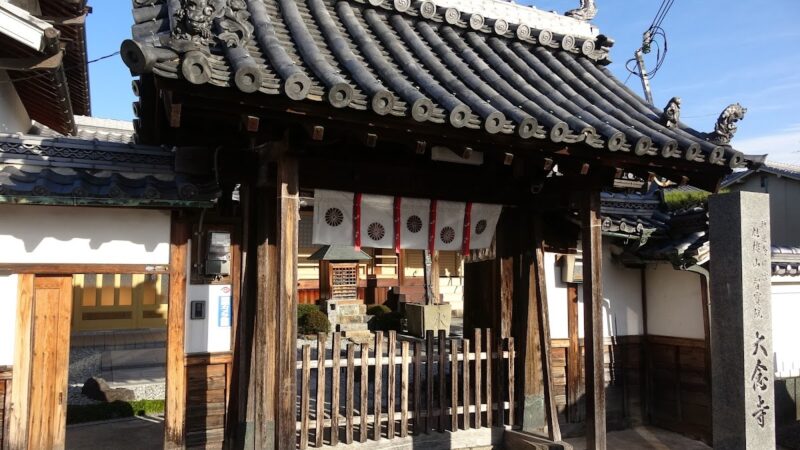
Located in Kurotani, Itano-cho, Itano-gun, Tokushima Prefecture, Temple No. 4, Dainichi-ji, is said to have been founded in 815 (Kōnin 6) by Kobo Daishi Kukai. The temple’s name, Dainichi-ji, originates from the legend that Kukai, while training in this area, received a vision of Dainichi Nyorai (Vairocana Buddha) and, with a spirit of reverence and reverence, carved a 1.8-inch (approximately 5.5 cm) statue of Dainichi Nyorai.
The temple’s mountain name, “Kokuganzan,” derives from the black, rocky appearance of the mountain in this region, and its sub-temple name, “Henjo-in,” is derived from “Henjo Kongo,” another name for Dainichi Nyorai. Since its founding, it has welcomed many pilgrims as an important temple located in the early stages of the Shikoku Pilgrimage.
Highlights of the Temple Grounds
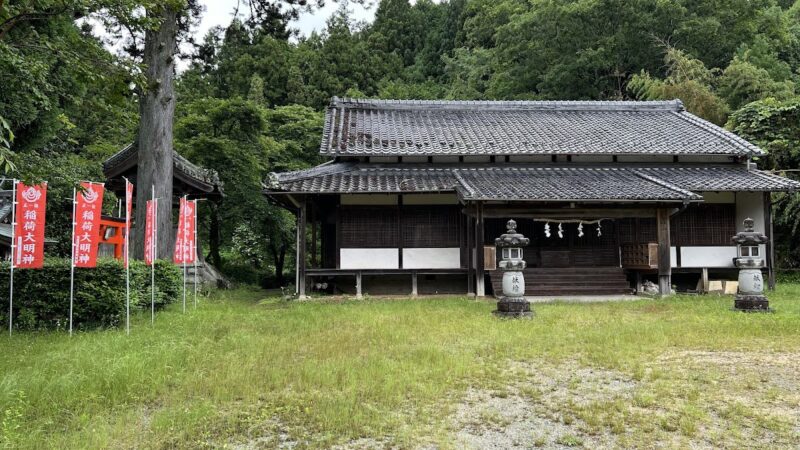
The grounds of Dainichi-ji, the fourth temple on the pilgrimage, are enveloped in a tranquil atmosphere. The main hall houses a statue of Dainichi Nyorai, said to have been carved by Kobo Daishi, and is strictly guarded as a hidden Buddha image. In the Daishi-do (Great Master Hall), pilgrims can pray to a statue of Kobo Daishi, and many pray for the safety of their pilgrimage.
The temple grounds are lined with ancient trees said to be hundreds of years old, allowing visitors to experience the changing seasons. The grounds are particularly beautiful during the cherry blossom season in spring and the autumn foliage season. Furthermore, pilgrims can receive a Goshuin (temple stamp) at the temple office, which is cherished as a record of their pilgrimage.
Location and Access Information
Location: 28 Inai, Kurotani, Itano-cho, Itano-gun, Tokushima Prefecture 779-0113
Phone: 088-672-1225
Opening Hours: 8:00 AM – 5:00 PM
Parking: 20 regular cars, 5 minibuses/large buses (free)
Temple Lodging: None
Access:
- Approximately 30 minutes on foot or 5 minutes by taxi from JR Kotoku Line “Itano Station”
- Approximately 15 minutes by car from Tokushima Expressway “Aizumi IC”
- Approximately 2.5 km, 40 minutes on foot from Temple No. 3 “Kinzenji”
- Approximately 1.5 km, 25 minutes on foot from Temple No. 5 “Jizoji”
Shikoku 88 Temple Pilgrimage, Temple No. 13: Oguriyama Hanazoin Dainichiji (Tokushima City, Tokushima Prefecture)
History and Establishment
Located in Ichinomiya-cho, Tokushima City, Tokushima Prefecture, Dainichi-ji Temple, the 13th temple on the Shikoku Pilgrimage, is said to have been founded in 815 AD by Kobo Daishi Kukai after receiving a divine message from Dainichi Nyorai (Vairocana Buddha). Its mountain name is “Ogurizan,” its temple name is “Kezouin,” and its principal image is the Eleven-Faced Kannon Bodhisattva.
This temple is not only the 13th temple on the Shikoku 88 Temple Pilgrimage, but also the 5th temple on the Shikoku 33 Kannon Pilgrimage, attracting many worshippers. Belonging to the Daikaku-ji branch of the Shingon sect, it has played an important role as a center of local faith throughout its long history.
Role as the Head Temple of Ichinomiya Shrine
Historically, Dainichi-ji Temple also served as the head temple of Ichinomiya Shrine (the Ichinomiya of Awa Province), located nearby. During the era of syncretism between Shinto and Buddhism, shrines and temples were closely intertwined, and Dainichi-ji Temple was deeply involved in the rituals and management of Ichinomiya Shrine. Even after the Meiji-era separation of Shinto and Buddhism, this historical connection remains etched in the local memory.
Temple Grounds and Cultural Properties
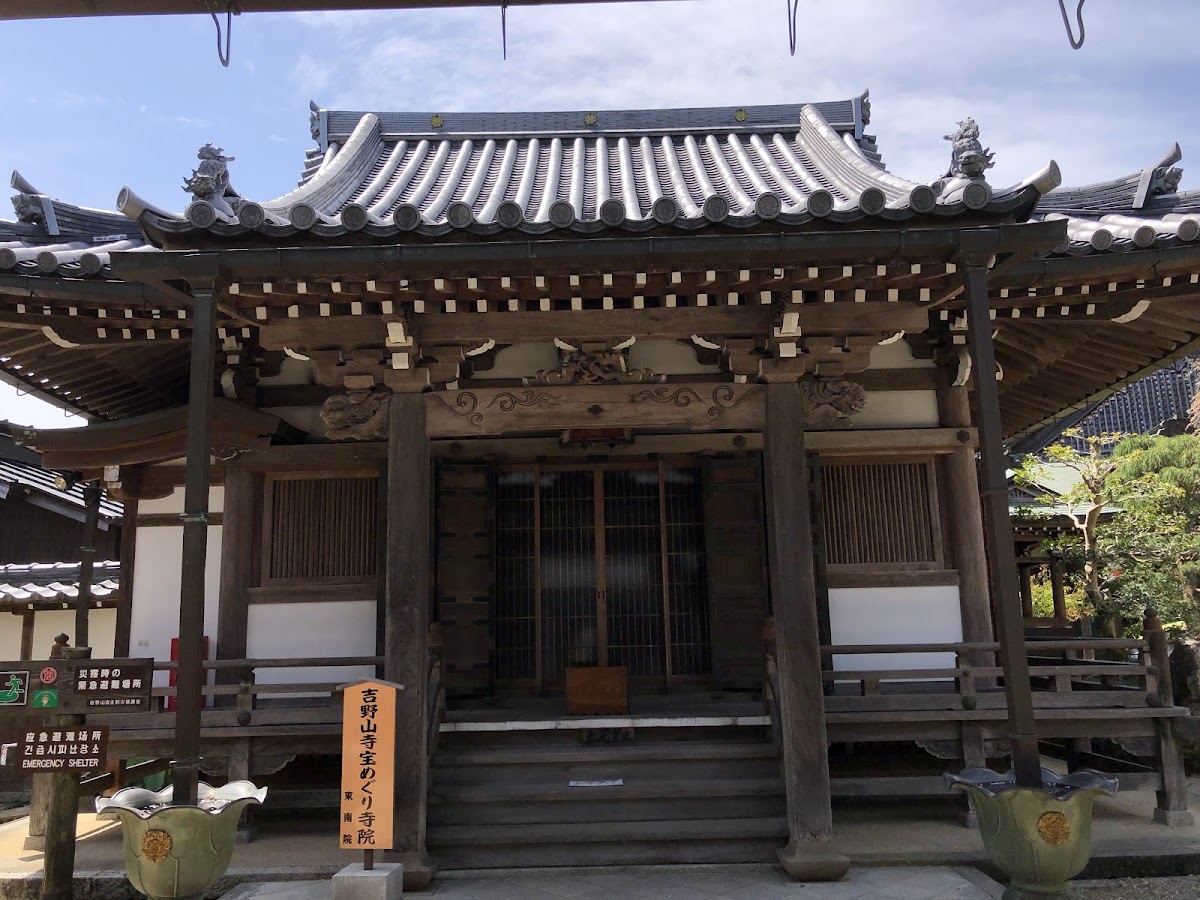
The grounds of Dainichi-ji Temple, the 13th temple on the Shikoku Pilgrimage, include the main hall, the Daishi Hall, a bell tower, and a sutra copying office. The principal image, an eleven-faced Kannon Bodhisattva statue, welcomes worshippers with a compassionate expression and attracts the faith of many.
The atmosphere of the temple grounds is quiet and peaceful, providing a tranquil environment for worship despite its proximity to the city. Furthermore, seasonal flowers adorn the grounds, especially the cherry blossoms in spring and the fresh greenery in early summer, soothing the hearts of visitors.
Location and Access Information
Location: Ichinomiya-cho, Tokushima City, Tokushima Prefecture
Sect: Shingon-shu Daikakuji-ha
Principal Image: Eleven-faced Kannon Bodhisattva
Pilgrimage Site: 13th of the Shikoku 88 Temple Pilgrimage, 5th of the Shikoku 33 Kannon Pilgrimage
Access:
- Approximately 15 minutes on foot from JR Tokushima Line “Fuchu Station”
- Approximately 20 minutes by car from Tokushima Expressway “Tokushima IC”
- Approximately 27 km from the 12th pilgrimage site “Shōzanji”
- Approximately 1 km from the 14th pilgrimage site “Jōrakuji”
Inner Sanctuary and Surrounding Pilgrimage Sites
Dainichiji Temple, the 13th pilgrimage site, also has an inner sanctuary, attracting pilgrims seeking deeper faith. Furthermore, many historical shrines and temples, including Awa no Kuni Ichinomiya Shrine, are scattered throughout the surrounding area, making it a place where you can experience the history and culture of Tokushima City.
Dainichi-ji Temple, Yoshino-san (Yoshino-gun, Nara Prefecture): A World Heritage Site and Ancient Temple
History as the Oldest Temple on Yoshino-san
Located on Yoshino-san in Yoshino-cho, Yoshino-gun, Nara Prefecture, Dainichi-ji Temple is said to be the oldest temple on Yoshino-san. This temple is known as a sacred site associated with Prince Oama (later Emperor Tenmu) and holds an important position in ancient Japanese history.
It is said that Emperor Tenmu hid in this area before raising an army in Yoshino during the Jinshin War (672 AD), and Dainichi-ji Temple is remembered as one of the historical stages of that event. Yoshino-san is registered as a component of the World Heritage Site “Sacred Sites and Pilgrimage Routes in the Kii Mountain Range,” and Dainichi-ji Temple’s historical value is internationally recognized.
Important Cultural Property: Five Wisdom Buddhas of the Fujiwara Period
The greatest highlight of Dainichi-ji Temple on Mount Yoshino is the Five Wisdom Buddhas statue, an Important Cultural Property considered a representative work of the Fujiwara period (mid-Heian period). Centered around Dainichi Nyorai, the Five Wisdom Buddhas are a group of Buddhist statues expressing the cosmology of Esoteric Buddhism, and are a valuable cultural asset that conveys the excellent Buddhist sculpture techniques of that time to the present day.
The Five Wisdom Buddhas refer to the five Buddhas: Dainichi Nyorai, Akshobhya Buddha, Ratnasambhava Buddha, Amitabha Buddha, and Amoghasiddhi Buddha, representing the five Buddhas of the Vajradhatu Mandala of Esoteric Buddhism in three dimensions. These statues are in excellent condition, allowing visitors to appreciate the finest example of Heian period Buddhist art.
Seasons and Visiting Mount Yoshino
Mount Yoshino is known as one of Japan’s leading cherry blossom viewing spots, with approximately 30,000 cherry trees covering the entire mountain in spring. Dainichi-ji Temple is also bustling with tourists and worshippers during the cherry blossom season. Furthermore, amidst the natural beauty of Mount Yoshino, which displays different expressions in each of the four seasons—the fresh greenery of summer, the vibrant autumn foliage, and the snowy landscapes of winter—Dainichi-ji Temple stands quietly.
Mount Yoshino, a sacred site of Shugendo (mountain asceticism), is dotted with many temples, including Kinpusen-ji Temple, and Dainichi-ji Temple plays a vital role in this sacred landscape.
Access and Visiting Information
Location: Yoshinoyama, Yoshino-cho, Yoshino-gun, Nara Prefecture
Cultural Property: Five Wisdom Buddhas Statue (Important Cultural Property)
Access:
- Take the Yoshinoyama Ropeway from Kintetsu Yoshino Line “Yoshino Station” and get off at “Yoshinoyama Station,” then walk for about 20 minutes.
- Within walking distance from the Yoshinoyama Tourist Parking Lot.
- Traffic restrictions are in place during cherry blossom season (late March to mid-April); use of public transportation is recommended.
Dainichi-ji Temple (Chiba City, Chiba Prefecture): An ancient temple associated with the Chiba clan
History and Relationship with the Chiba Clan
Dainichi-ji Temple, located in Todoroki-cho, Inage-ku, Chiba City, Chiba Prefecture, is a temple belonging to the Buzan branch of the Shingon sect. Its mountain name is Abirozan, and its temple name is Mitsujoin; its formal name is “Abirozan Mitsujoin Dainichi-ji.” The principal image is Dainichi Nyorai.
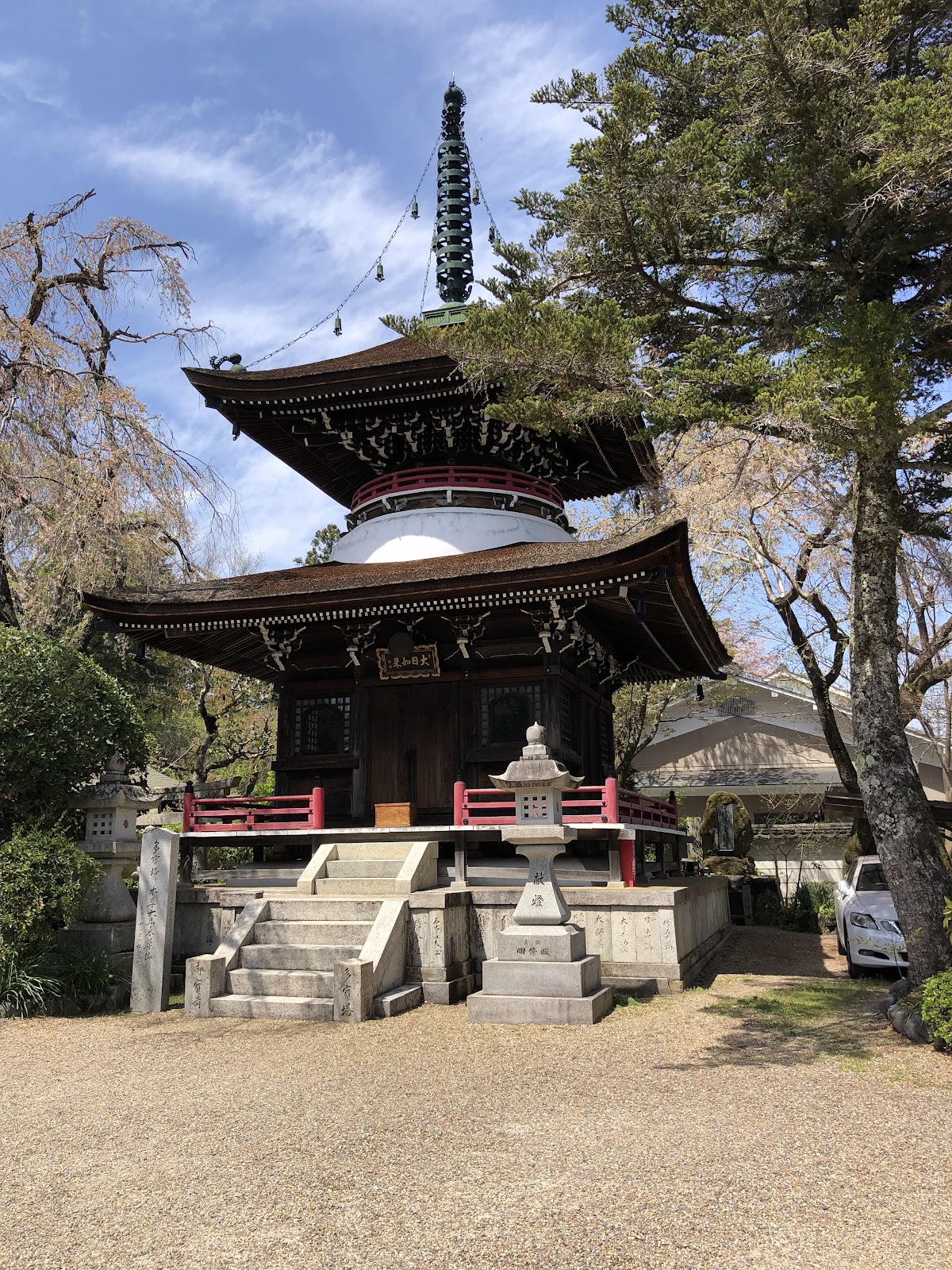
A key feature of this temple is its deep connection to the Chiba clan, a powerful samurai group during the medieval period. Within the temple grounds is a five-tiered pagoda believed to be the tombstone of the 16th head of the Chiba clan, estimated to have been erected between the Kamakura and Muromachi periods. This pagoda is designated as a cultural property of Chiba City and is an important historical relic that tells the story of the Chiba clan’s medieval history.
Temple Grounds and Cultural Properties
Despite being located in an urban area, the grounds of Dainichi-ji Temple in Chiba City maintain a tranquil environment. The main hall houses the principal image of Dainichi Nyorai, making it a center of local faith.
Most noteworthy is the five-tiered pagoda associated with the Chiba clan. The five-tiered pagoda is a memorial tower representing the five elements (earth, water, fire, wind, and void) in esoteric Buddhism, and is an important stone structure demonstrating the faith of medieval samurai. The existence of this pagoda speaks to the significant role the Chiba clan played in the history of Chiba City.
Access and Visiting Information
Location: Todoroki-cho, Inage-ku, Chiba City, Chiba Prefecture
Sect: Shingon-shu Buzan-ha
Mountain Name: Abiro-san
Temple Name: Mitsujo-in
Principal Image: Dainichi Nyorai
Access:
- Approximately 15 minutes on foot from Nishi-Chiba Station on the JR Sobu Line
- Approximately 10 minutes on foot from Sakusabe Station on the Chiba Urban Monorail
- Approximately 12 minutes on foot from Midoridai Station on the Keisei Chiba Line
Other Dainichi-ji Temples
Many other Dainichi-ji temples exist throughout Japan besides the one listed above. These temples have cultivated their own unique history and faith in their respective regions, and play an important role in local culture.
Dainichi-ji temples in each region have their own distinctive characteristics, such as temples that transmit the faith of Dainichi Nyorai as Shingon sect temples, temples associated with historical figures in the region, and temples that house cultural properties.
Guidelines for Visiting Dainichi-ji Temple
Etiquette for Visiting Temples on the Shikoku Pilgrimage
When visiting Dainichi-ji Temple, one of the 88 temples of the Shikoku Pilgrimage, it is important to follow the pilgrimage etiquette.
- Bow at the Temple Gate: Bow with hands clasped together before entering the temple grounds.
- Purification at the Water Basin: Cleanse your hands and mouth.
- Worship at the Main Hall: Place your votive slip, offer a monetary donation, bow with hands clasped together, and chant sutras.
- Worship at the Daishi Hall: Worship with gratitude to Kobo Daishi.
- Receive your temple stamp at the Sutra Office: Receive your temple stamp.
- Bow at the Temple Gate: Turn around and bow with hands clasped together when leaving the temple grounds.
Mindset for General Visits
Even for general visits outside of the pilgrimage, it is important to observe basic temple worship manners. Worship quietly and be considerate so as not to disturb other worshippers or practitioners. Photography is permitted only in designated areas; please refrain from taking pictures in prohibited areas such as inside the main hall.
Dainichi Nyorai Worship and Esoteric Buddhism
Dainichi Nyorai, the origin of the name of Dainichi-ji Temple, is the highest Buddha in Esoteric Buddhism. “Dainichi” means “Great Sun,” and Dainichi Nyorai is considered to embody the very truth of the universe.
In Shingon Buddhism, Dainichi Nyorai is said to permeate the universe and be the source of all existence. The worship of Dainichi Nyorai is central to the teachings of Esoteric Buddhism brought back from China by Kobo Daishi Kukai, and as a result of its spread throughout Japan, Dainichi-ji temples were built in various locations.
Dainichi Nyorai statues are usually depicted wearing a jeweled crown and elaborate ornaments. The mudra (hand gesture) is typically the Chiken-in, which symbolizes the wisdom of enlightenment.
Visiting the Temples Before and After (Shikoku Pilgrimage)
Temples Before and After Temple No. 4, Dainichi-ji
- Temple No. 3, Kinzen-ji: Approximately 2.5 km, about 40 minutes on foot
- Temple No. 4, Dainichi-ji
- Temple No. 5, Jizo-ji: Approximately 1.5 km, about 25 minutes on foot
Temple No. 4 is located early in the pilgrimage route, and you will still have plenty of energy at this stage. The surrounding area is a rural landscape, allowing you to walk in a peaceful atmosphere.
Before and After Temple No. 13, Dainichi-ji
- Temple No. 12, Shōzan-ji: Approximately 27km (One of the most difficult sections of the pilgrimage route)
- Temple No. 13, Dainichi-ji
- Temple No. 14, Jōraku-ji: Approximately 1km, about 15 minutes on foot
Temple No. 13 is located after Shōzan-ji, a notoriously difficult section of the pilgrimage route, and many pilgrims visit with a sense of relief. The next temple, Jōraku-ji, is a short distance away, and the pilgrims will be walking through urban areas.
Nearby Tourist Attractions
Around Itano District, Tokushima Prefecture (Temple No. 4)
- Ryōzenji Temple (Temple No. 1): The starting point of the pilgrimage
- Gokurakuji Temple (Temple No. 2)
- Kinzenji Temple (Temple No. 3)
- Jizōji Temple (Temple No. 5)
- Itano Town Historical and Cultural Park
Around Ichinomiya Town, Tokushima City (Temple No. 13)
- Awa Province Ichinomiya Shrine: A shrine with historical ties to Dainichiji Temple
- Mt. Bizan: A symbolic mountain of Tokushima City
- Tokushima Castle Ruins: Ruins of the castle of the Hachisuka family of the Tokushima Domain
- Jōrakuji Temple (Temple No. 14)
Around Yoshino Mountain (Nara Prefecture)
- Kinpusenji Temple: The head temple of Shugendō
- Yoshimizu Shrine: World Heritage Site, a place associated with Emperor Go-Daigo
- Yoshino Mizuwake Shrine: World Heritage Site
- Nyoirinji Temple: Mausoleum of Emperor Go-Daigo
- Famous Cherry Blossom Spots: Shimo-Senbon, Naka-Senbon, Kami-Senbon, Oku-Senbon
Around Chiba City (Inage Ward)
- Chiba City Museum of Art
- Chiba Castle (Local History Museum)
- Chiba Park
- Chiba Shrine
Best Time and Season for Visiting
Best Season for the Shikoku Pilgrimage
The best time to visit the 88 temples of the Shikoku Pilgrimage is spring (March to May) and autumn (September to November). The weather is mild and easy to walk, and you can enjoy the beauty of nature. The cherry blossom season (late March to early April) and the autumn foliage season (November) are particularly beautiful and popular.
Summer (June to August) is hot and humid, making it easy to lose energy, so adequate hydration and rest are essential. Winter (December to February) is relatively mild in Shikoku, but snow can still fall in mountainous areas, so caution is advised.
Cherry Blossom Season at Yoshino Mountain
If you’re visiting Dainichi-ji Temple at Yoshino Mountain, the cherry blossom season (late March to mid-April) is especially recommended. However, it gets very crowded during this time, so early morning visits, weekday visits, and the use of public transportation are advised.
The autumn foliage season (November) is also beautiful and offers a relatively calm visit. The fresh green season (May to June) and the quiet winter at Yoshino Mountain also have their own unique charms.
Summary: Diversity and Commonalities of Dainichi-ji Temples
Dainichi-ji temples, located throughout Japan, each have different histories and characteristics, yet they are united by the common foundation of Dainichi Nyorai worship. Each Dainichi-ji temple embodies the diversity of Japanese religious culture, encompassing temples that welcome numerous pilgrims as part of the Shikoku Pilgrimage, temples recognized for their historical value as components of World Heritage sites, and temples deeply intertwined with local history.
The teachings of Esoteric Buddhism, transmitted by Kobo Daishi Kukai, have been preserved and passed down at Dainichi-ji temples throughout Japan for over 1200 years. Through pilgrimage, you can experience the depth of Japanese history, culture, and faith.
Those visiting Dainichi-ji temples as part of the Shikoku Pilgrimage should respectfully observe the pilgrimage customs, taking each step thoughtfully. Even tourists will gain a deeper experience by understanding and respecting the history and cultural heritage of each temple.
Visiting a temple bearing the name Dainichi-ji will be a valuable opportunity to experience the profound depths of Japanese religious culture.