Complete Guide to Kinpu Shrine | History and Access Information for the Ancient Shrine in Okusenbon, Yoshino Mountain, a World Heritage Site
Kinpu Shrine is an ancient shrine located in Okusenbon, the innermost part of Yoshino Mountain in Yoshino Town, Yoshino District, Nara Prefecture. It is registered as a component of the World Heritage Site “Sacred Sites and Pilgrimage Routes in the Kii Mountain Range” and is known as a prestigious shrine listed in the Engishiki (ancient Japanese legal code). It enshrines the local deity of Mount Kinpu (the area from Yoshino Mountain to Mount Omine-jogatake) and has been deeply revered since ancient times.
This article comprehensively explains everything you need to know before visiting Kinpu Shrine, including its history, the worship of its enshrined deity, its connection to Minamoto no Yoshitsune, the highlights of the shrine grounds, the scenery throughout the seasons, and access methods.
History and Origins of Kinpu Shrine
A Center of Ancient Mountain Worship
Kinpu Shrine is located near Aonegatake, the innermost peak of Mount Yoshino, and has been worshipped since ancient times as the guardian deity of the entire Kinpu Mountain area. Mount Kinpu refers to a vast sacred area encompassing Mount Yoshino and the area around Mount Omine-jogatake, and Kinpu Shrine has played a crucial role as its guardian deity.
While the exact date of its founding is unclear, the Engishiki Jinmyocho (compiled in 927) lists “Kinpu Shrine, Yoshino District, Yamato Province, Myojin Taisha,” indicating that it already held the status of a Myojin Taisha (a major shrine) recognized by the imperial court before the Heian period. A Myojin Taisha is a particularly sacred shrine that is the subject of the Myojin Festival, a nationally important religious ceremony, demonstrating the importance Kinpu Shrine was held even then.
Deep Connections with Shugendo
Since the Middle Ages, Kinpu Shrine has developed significantly as a sacred site of Shugendo. There is a legend that En no Gyoja (En no Ozunu), considered the founder of Shugendo, trained on Mount Kinpu and received a vision of Kongo Zaō Gongen, making this entire region a fundamental training ground for Shugendo.
The area around Kinpu Shrine functioned as an important training ground for Shugendo, and many Shugendo practitioners underwent rigorous training here. The Shugendo path leading from Mount Yoshino to Mount Ōmine is called the “Ōmine Okugake-michi,” and it remains a sacred path traversed by Shugendo practitioners to this day. Kinpu Shrine was an important base located near its starting point.
World Heritage Registration and its Significance
In 2004, the “Sacred Sites and Pilgrimage Routes in the Kii Mountain Range,” including Kinpu Shrine, was registered as a UNESCO World Heritage Site. This recognition stems from the fact that the three sacred sites of Yoshino-Omine, Kumano Sanzan, and Koyasan, along with the pilgrimage routes connecting them, form a unique cultural landscape where different religions—Shinto, Buddhism, and Shugendo—are fused.
The entire grounds of Kinpu Shrine are a component of the World Heritage Site, and its historical and cultural value is internationally recognized. The tranquil atmosphere of the ancient shrine, integrated with the surrounding nature, is a precious legacy that conveys the essence of Japanese mountain worship.
The Worship of the Deity Enshrined: Kanayamahiko-no-kami
About Kanayamahiko-no-kami
The deity enshrined at Kinpu Shrine is Kanayamahiko-no-kami. This deity appears in the Kojiki and Nihon Shoki, and is considered a child of Izanagi-no-Mikoto and Izanami-no-Mikoto. In mythology, it is said that when Izanami-no-Mikoto gave birth to the god of fire, she fell ill, and one of the gods born from her suffering was Kanayama-biko-no-Kami.
Kanayama-biko-no-Kami is known as the god who presides over mines and metals, and has been particularly revered as the guardian deity of gold mines. The name of the shrine, “Kinpo,” is also said to originate from the fact that this god has been worshipped as a god of gold.
Faith as a Guardian Deity of Life
Kanayama-biko-no-Kami has been revered since ancient times not only as the god of gold mines, but also as a god who prevents the withering and death of living things. The reason why this god has been worshipped as a deity presiding over the seemingly disparate realms of minerals and life is thought to be an understanding of a deity who comprehensively governs the blessings of the earth and the life force.
As the guardian deity of the entire Kinpo Mountain area, and as a protector of the nature and life of the region, he has garnered deep faith from local residents and ascetic practitioners. He was especially important to those involved in agriculture and forestry, as a god who brought abundant harvests. ### The Guardian Deity of Kinpusen
Kinpusen Shrine is positioned as the “Guardian Deity of Kinpusen.” A guardian deity is a god who has resided in a land since ancient times and protects the entire region. As the guardian deity of the vast Kinpusen area, stretching from Yoshino Mountain to Omine-sanjogatake, Kanayama-hiko-no-kami has held a special position.
Even after Kinpusen-ji Temple was founded and Kongo Zaō Gongen was enshrined as its principal deity, Kinpusen Shrine continued to be respected as a guardian deity, maintaining its unique faith throughout the era of Shinto-Buddhist syncretism. Even after the separation of Shinto and Buddhism in the Meiji era, this tradition has been passed down to the present day.
Highlights and Cultural Assets within the Shrine Grounds
Main Hall and Shrine Architecture
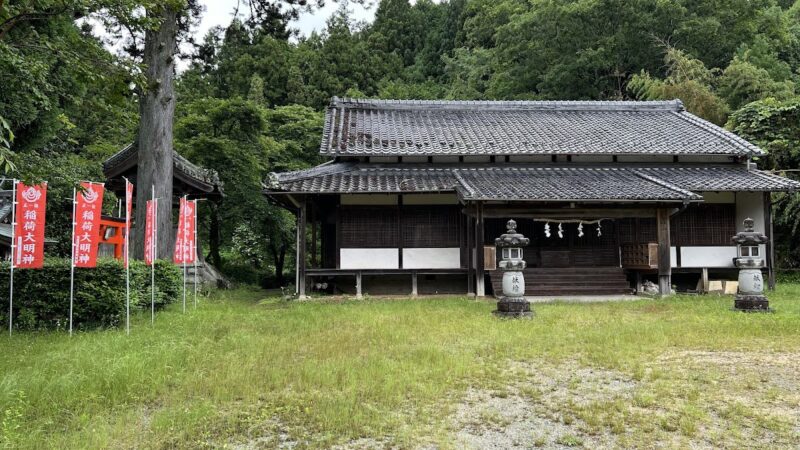
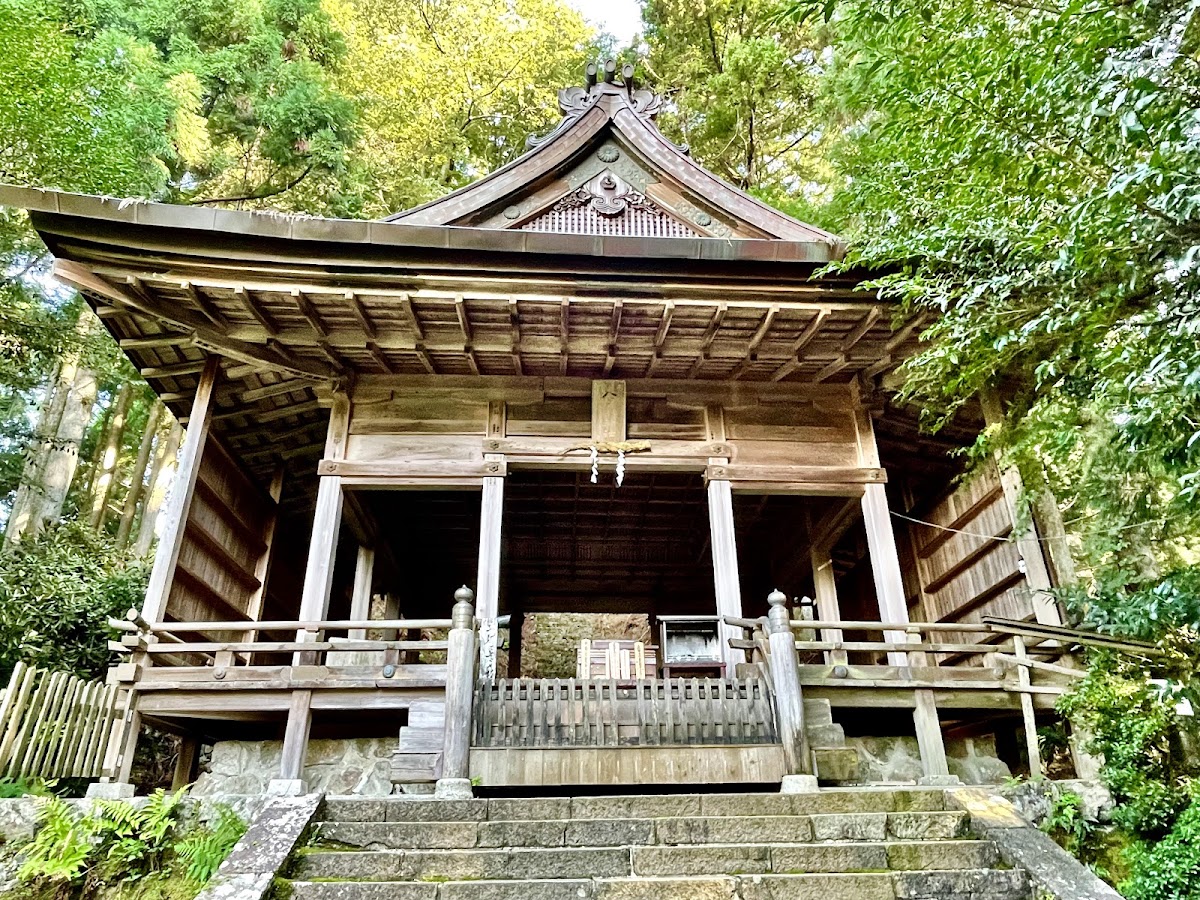
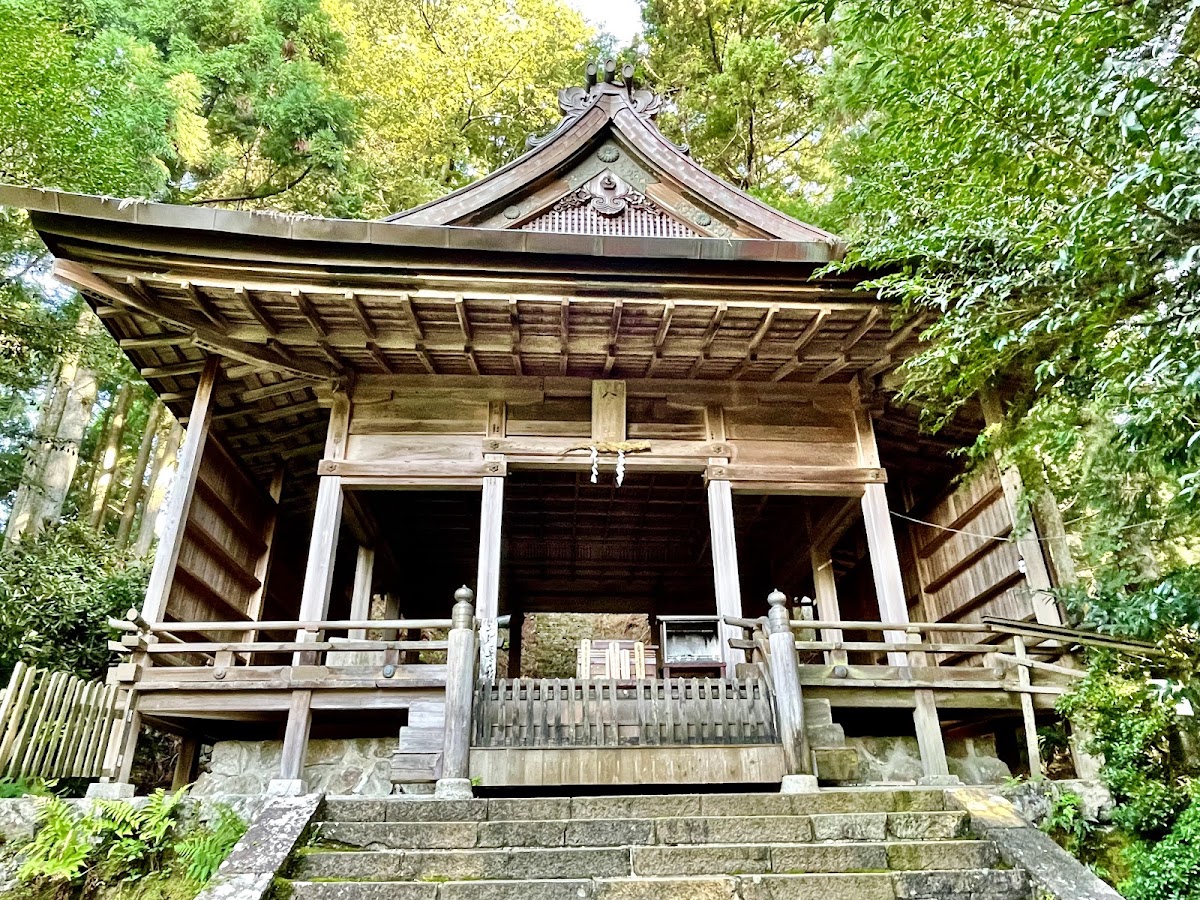
The main hall of Kinpusen Shrine stands in a quiet forest at the very back of Yoshino Mountain. The main shrine is built in the Kasuga style, a simple yet dignified building that harmonizes with the surrounding nature. Located in the secluded Okusenbon area, it receives few visitors, preserving the tranquil atmosphere characteristic of ancient shrines.
Around the shrine stand towering trees, and moss-covered stone steps and walls remain, telling the story of its long history. This entire landscape is a component of the World Heritage site, showcasing a typical example of a Japanese sacred site where man-made structures and nature are integrated.
Yoshitsune’s Hiding Tower (Yoshitsune’s Hideout)
Within the grounds of Kinpu Shrine lies a historical site called “Yoshitsune’s Hiding Tower” or “Yoshitsune’s Hideout.” This name originates from a legend that Minamoto no Yoshitsune hid here when he fled to Mount Yoshino after being pursued by his brother, Yoritomo.
In 1185, after defeating the Taira clan at the Battle of Dan-no-ura, Yoshitsune was driven out of the capital due to his conflict with Yoritomo and hid in Mount Yoshino. Yoshitsune, who was sheltered in the residence of the then-chief priest of Kinpu Shrine, is said to have hidden in the attic and under the floorboards when pursuers approached. There is also a legend of the “Kick-Through Tower,” where he is said to have kicked through the roof to escape.
Even today, places associated with Yoshitsune are preserved within the shrine grounds, allowing visitors to reflect on the tragic escape of this hero of the Genpei War. It’s a must-see spot for history buffs.
Nearby Training Grounds and Sacred Sites
Surrounding Kinpu Shrine are numerous training grounds for Shugendo (mountain asceticism). The area from Okusenbon to Aonegatake is where Shugendo practitioners underwent rigorous training, and traces of this can still be seen today.
In particular, Aonegatake (858m) is the highest peak of Mount Yoshino, and the Shugendo path leading to Mount Omine begins here. After visiting Kinpu Shrine, those confident in their physical abilities are encouraged to extend their trip to Aonegatake. From the mountaintop, you can enjoy a panoramic view of the Yoshino mountains and experience the same scenery that the ascetic monks saw.
Kinpu Shrine in Every Season
Spring: Cherry Blossoms of Okusenbon
Yoshino Mountain is known as one of Japan’s most famous cherry blossom viewing spots, but Okusenbon, where Kinpu Shrine is located, is the last place where the cherry blossoms bloom. The cherry blossom front ascends the mountain from Shimosenbon, Nakasenbon, and Kamisenbon, and finally Okusenbon reaches its peak bloom from mid to late April each year.
The cherry blossoms of Okusenbon are less crowded than those in other areas, making it a charming place to enjoy cherry blossom viewing in peace. Around Kinpu Shrine, mountain cherry trees are scattered throughout the forest, showcasing their natural beauty. It’s the perfect place for those who want to avoid crowds and enjoy the cherry blossoms at their own pace.
Summer: Forest Bathing in Deep Green
In summer, Kinpu Shrine becomes a world of tranquility enveloped in deep green. Due to its high altitude, it is cooler than the lowlands, making it an ideal environment for enjoying forest bathing. In the temple grounds, where only the sounds of cicadas, birdsong, and wind rustling through the trees can be heard, you can refresh both mind and body.
This is also the time of year when Shugendo (mountain asceticism) training takes place, and you may occasionally see mountain ascetics. You will feel the lingering tradition of mountain worship that has continued since ancient times.
Autumn: Spectacular Autumn Foliage
In autumn, the area around Kinpu Shrine captivates visitors with the beauty of its autumn leaves. Every year from late October to early November, maple, Japanese maple, and oak trees change color, and the entire mountain is adorned in the splendor of autumn.
The autumn leaves in Okusenbon are characterized by a quiet enjoyment, similar to the cherry blossom season. The tunnel of autumn leaves adorning the approach to the shrine, the red and yellow leaves covering the temple grounds, and the autumn foliage of the Yoshino mountains viewed from Aonegatake are truly spectacular.
Winter: A Sacred Site Covered in Snow
In winter, Kinpu Shrine sometimes presents a fantastical appearance, covered in snow. Due to its high altitude, snow accumulates more easily than in other areas of Yoshino Mountain, and the shrine buildings standing amidst the pure white snowscape possess a mystical beauty.
In winter, even fewer people visit, allowing you to see the true essence of a “secluded ancient shrine.” However, due to the heavy snow and ice, footing becomes difficult, so adequate equipment and caution are necessary for winter visits.
Access to Kinpu Shrine
Access by Public Transportation
Kinpu Shrine is located in the innermost part of Yoshino Mountain, so access requires a combination of public transportation and walking.
Access by Train:
- Get off at Yoshino Station on the Kintetsu Yoshino Line.
- Take the Yoshinoyama Ropeway from Yoshino Station to Yoshinoyama Station (approx. 3 minutes).
- Walk from Yoshinoyama Station to Kinpu Shrine (approx. 80-90 minutes).
Access by Bus:
- During peak tourist seasons such as cherry blossom season, a bus may operate circulating within Yoshinoyama.
- If you can get to the Okusenbon-guchi bus stop, it’s about a 20-30 minute walk from there to Kinpu Shrine.
- It is recommended to check the bus schedule in advance with the Yoshinoyama Tourist Association or other relevant organizations.
Walking Route
From Yoshinoyama Station to Kinpu Shrine, follow the route below:
- Yoshinoyama Station (Shimo-senbon) → Kinpusen-ji Temple (Naka-senbon) → Yoshimizu Shrine (Naka-senbon)
- Yoshimizu Shrine → Nyoirin-ji Temple (Kami-senbon) → Yoshino Mizuwake Shrine (Kami-senbon)
- Yoshino Mizuwake Shrine → Takagiyama Observatory → Okusenbon Entrance
- Okusenbon Entrance → Kinpu Shrine
The entire route is approximately 4-5 km long and involves continuous uphill climbs, so it’s important to wear comfortable shoes and allow ample time. There are tea houses and restaurants along the way, but the number of shops decreases as you approach Okusenbon.
Access by Car
By Private Car:
- During peak tourist seasons such as cherry blossom season, traffic restrictions are in place on Mt. Yoshino, limiting access for private vehicles.
- Outside of these restrictions, you can use the parking lots within Mt. Yoshino, but you cannot drive to Okusenbon.
- It is common to park your car in the Shimosenbon or Nakasenbon parking lots and access the area on foot from there.
By Taxi:
- You can also take a taxi from Yoshino Station.
- However, whether a taxi can take you to Okusenbon depends on road conditions and the season, so it is necessary to check in advance.
Points to Note When Accessing
- The path to Kinpu Shrine is a mountain trail and can be particularly slippery during rainy weather and winter.
- We recommend wearing comfortable shoes and clothing.
- Bringing drinks for hydration and snacks is recommended.
- Cell phone reception may be weak in some areas, so check a map beforehand.
- Pay attention to your time to ensure you can descend before sunset.
Nearby Attractions and Tourist Spots
Yoshino Mikumari Shrine
This World Heritage site shrine is located on the way to Kinpu Shrine. Pronounced “Mikumari,” it is known as an ancient shrine dedicated to the god who controls the distribution of water. The magnificent shrine buildings, said to have been donated by Toyotomi Hideyoshi, are important cultural properties that preserve the architectural style of the Momoyama period.
It is also worshipped as a god of fertility, and there is a legend that Toyotomi Hideyori was blessed with a child through the protection of this shrine.
Nyoirinji Temple
This temple is known as an imperial temple of Emperor Go-Daigo. The mausoleum of Emperor Go-Daigo, who established the Southern Court in Yoshino during the Nanboku-cho period, is located on the hillside behind the temple. From the temple grounds, you can enjoy a panoramic view of the Yoshino mountains, and the scenery is especially beautiful during the cherry blossom and autumn foliage seasons.
The treasure hall displays items related to Emperor Go-Daigo and materials related to the history of the Southern Court.
Chikurin-in Temple
This temple is said to have been founded by Prince Shotoku and boasts the beautiful “Gunhoen” garden, one of the three most famous gardens in Yamato. It also operates as a temple lodging, offering a peaceful retreat where you can enjoy vegetarian cuisine.
It’s an ideal resting place during a stroll through Yoshino Mountain, and enjoying tea while gazing at the garden is a truly special experience.
Sakuramoto-bo Temple
This is a Shugendo temple, and its name is said to originate from the fact that En no Gyoja practiced asceticism under a cherry tree here. Every April, the “Hanakusen Hoe” Shugendo ritual is held, attracting many mountain ascetics.
Within the temple grounds is a cherry tree said to be over 1000 years old, planted by Emperor Tenmu, allowing visitors to experience the origins of Yoshino Mountain’s cherry blossom worship.
Etiquette and Manners for Visiting Kinpu Shrine
Proper Worship Etiquette
Kinpu Shrine is a Shinto shrine, so please follow basic shrine worship etiquette:
- Bow before passing through the torii gate.
- Avoid walking in the center of the approach (the center is considered the path of the gods).
- If there is a purification fountain, cleanse your hands and mouth.
- At the front of the main hall, worship using the two bows, two claps, and one bow method.
Considerations as a World Heritage Site
Kinpu Shrine is a component of a World Heritage Site and possesses cultural value:
- Do not collect or damage plants or stones on the shrine grounds.
- Please refrain from entering areas other than designated areas.
- Please take all your trash with you.
- Worship quietly and be considerate of other worshippers.
Photography
- Photography is generally permitted on the shrine grounds, but there are areas where photography is prohibited, such as inside the shrine buildings.
- Please follow the signs and instructions of the Shinto priest.
- Please be considerate and avoid including other worshippers in your photos.
- Commercial photography requires prior permission.
Basic Information
Name: Kinpu Shrine
Location: 1651 Yoshinoyama, Yoshino-cho, Yoshino-gun, Nara Prefecture 639-3115
Deity: Kanayamahiko-no-kami
Shrine Rank: Engishiki-listed Grand Shrine, Myojin Taisha, Former Village Shrine
World Heritage Site: Component of “Sacred Sites and Pilgrimage Routes in the Kii Mountain Range”
Visiting Hours: Grounds are freely accessible (Please check the shrine office’s operating hours)
Admission Fee: Free
Parking: None directly next to the shrine (Please use the parking lots within Yoshinoyama)
Inquiries: Yoshino Town Tourism Association 0746-32-1007
Access: Approximately 90 minutes on foot from Yoshino Station on the Kintetsu Yoshino Line, or by ropeway and bus/walking.
Nearby Accommodations
Many visitors to Kinpu Shrine will consider staying in or around Yoshino Mountain.
Accommodations within Yoshino Mountain
Chikurin-in Gunhoen:
A temple operating as a temple lodging, it boasts a beautiful garden and vegetarian cuisine. Enjoy a peaceful time in a historic building.
Yoshino-so Yukawa-ya:
A long-established inn in Yoshino Mountain, renowned for its kaiseki cuisine using Yoshino ingredients. Especially popular during cherry blossom season, early reservations are recommended.
Keisho no Yado Hounkan:
Located in Nakasenbon, Yoshino Mountain, this inn is known for its excellent views. It also has a hot spring, perfect for relaxing and unwinding.
Accommodations in Nearby Areas
Since accommodations within Yoshino Mountain are limited, you may also consider accommodations around Kintetsu Yoshino Station, Kashihara City, or Sakurai City. These areas offer train access to Yoshino Station, expanding your accommodation options.
Summary: The Charm of Kinpu Shrine
Kinpu Shrine is an ancient shrine quietly nestled in the innermost part of Mount Yoshino, a UNESCO World Heritage site. It boasts a long history as a major shrine listed in the Engishiki (an ancient Japanese legal code), its reverence as the guardian deity of Mount Kinpu, its deep connection to Shugendo (mountain asceticism), and its legends surrounding Minamoto no Yoshitsune, making it a shrine with multifaceted appeal.
Located in the remote Okusenbon area, visiting requires time and energy, but this is precisely what preserves its tranquil atmosphere and allows you to truly feel the ancient sacredness. The shrine grounds, integrated with nature that displays different expressions in each season, are a precious place that conveys the essence of Japanese mountain worship.
When visiting Mount Yoshino, don’t just enjoy the hustle and bustle of Shimosenbon and Nakasenbon; be sure to take the time to visit Kinpu Shrine in Okusenbon. There, a special world awaits, far removed from the hustle and bustle of modern life, where ancient Japanese beliefs and nature intertwine.
Through your visit, you will connect with Japan’s spiritual culture, preserved for over a thousand years, and gain peace of mind and renewed vitality. A trip to Kinpu Shrine will be more than just sightseeing; it will be a precious experience that touches the depths of Japanese history and faith.