About Todai-ji Temple
Todai-ji Temple is a head temple of the Kegon sect, established in the mid-8th century (Tenpyo Shoho 4, 752 AD). Built by Emperor Shomu with the wish for national peace and the happiness of the people, it is known for housing one of Japan’s largest bronze Buddha statues (Vairocana Buddha). In 1998, it was registered as a World Heritage Site as part of the “Historic Monuments of Ancient Nara.”
Highlights of the Great Buddha Hall (Kondo)
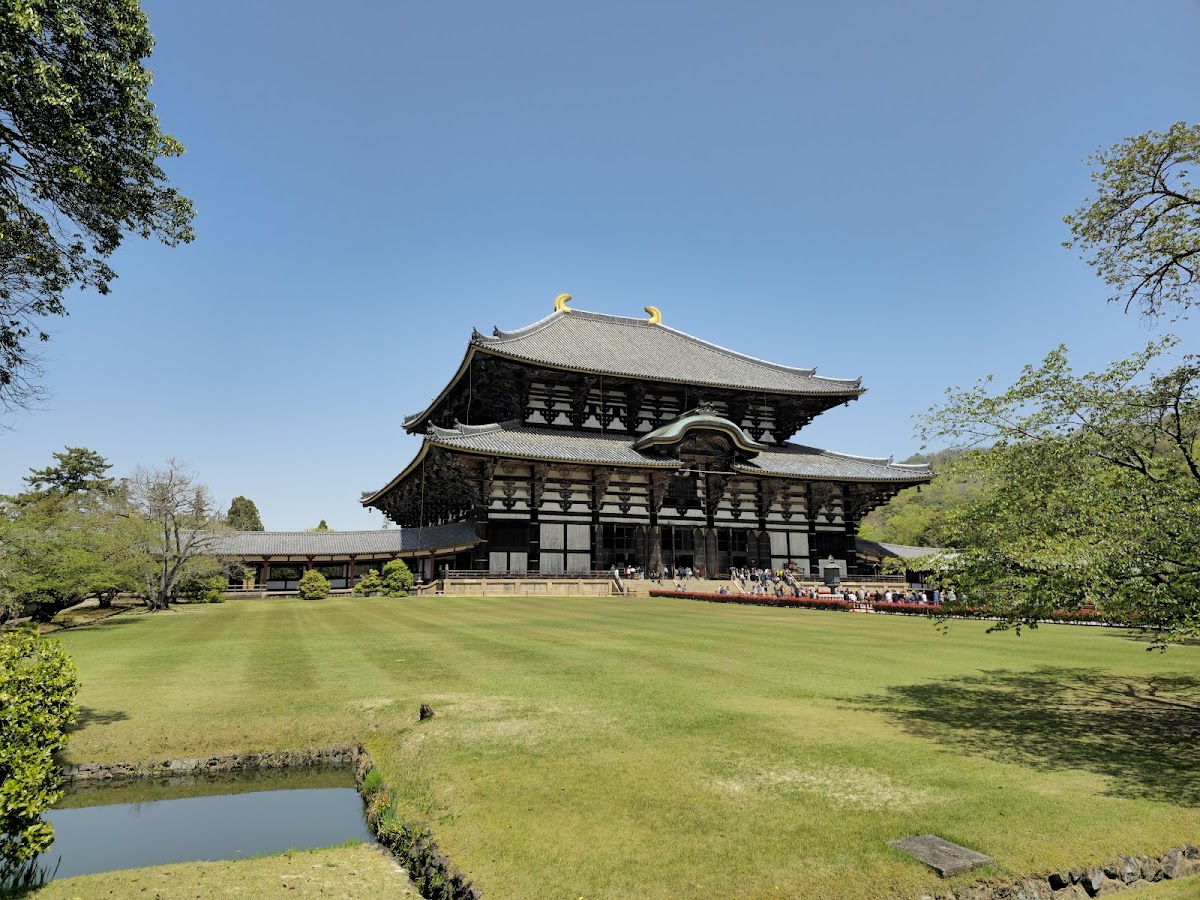
The seated statue of Vairocana Buddha, approximately 15 meters tall and weighing approximately 250 tons, has an awe-inspiring presence. The Great Buddha Hall is one of the world’s largest existing wooden structures, boasting a width of 57 meters, a depth of 50 meters, and a height of 49 meters. At the time of its construction, it was even larger, measuring approximately 86 meters from east to west.
Other Important Cultural Properties
- Nandaimon Gate: A National Treasure rebuilt during the Kamakura period, housing 8.4-meter-tall Kongo Rikishi (Nio) statues.
- Nigatsudo Hall: A National Treasure building famous for the Omizutori (Shunie) ceremony.
- Hokkedo Hall (Sangatsudo Hall): The oldest building at Todai-ji Temple, housing numerous National Treasure Buddhist statues, including the Fuku Kensaku Kannon statue.
- Kaidan-do Hall: A place for receiving Buddhist precepts, guarded by the Four Heavenly Kings statues.
Points to Note During Your Visit
Pillar Crawl Experience
The northeast pillar of the Great Buddha Hall has a hole the same size as the Great Buddha’s nostril (approximately 30cm x 37cm). Crawling through this hole is believed to bring good health and protection from illness, making it especially popular with children.
Visiting Hours and Estimated Time Required
- April-October: 7:30 AM – 5:30 PM
- November-March: 8:00 AM – 5:00 PM
- Estimated Time Required: 30 minutes for the Great Buddha Hall only; 1.5-2 hours for a leisurely tour of the entire grounds.
Admission Fee
- Great Buddha Hall: Adults 600 yen, Elementary school students 300 yen
- Hokke-do Hall/Kaidan-do Hall: 600 yen each (combined ticket available)
Recommended Pilgrimage Route
- Enter through the South Gate and view the Nio statues.
- Visit the Great Buddha Hall and pay your respects to the Vairocana Buddha, and experience passing through the pillar.
- Climb to the Nigatsu-do Hall for a panoramic view of Nara city.
- Admire the National Treasure Buddha statues at the Hokke-do Hall.
- View the Four Heavenly Kings statues at the Kaidan-do Hall.
Benefits
The Vairocana Buddha at Todai-ji Temple is considered the Buddha of “pervasive light” and is believed to bestow the following benefits:
- National peace and security, world peace: The original purpose of its founding
- Good health and protection from illness: The custom of passing through the pillar
- Academic success: The statue of Manjushri Bodhisattva, a symbol of wisdom, is also enshrined there
- Protection from evil and good fortune: Protection through the compassion of the Great Buddha
The Kannon statue at Nigatsu-do Hall is particularly known for its blessings of safe childbirth and fertility, and the “sacred water” used during the Omizutori ceremony is considered highly miraculous.
Access
Access by Train
- Approximately 20 minutes on foot from Kintetsu Nara Station, or 5 minutes by bus, get off at “Todaiji Daibutsu-den/Kasuga Taisha-mae” bus stop and walk 5 minutes.
- Approximately 30 minutes on foot from JR Nara Station, or 10 minutes by bus, get off at “Todaiji Daibutsu-den/Kasuga Taisha-mae” bus stop and walk 5 minutes.
Access by Car
- Approximately 15 minutes from the Horai Interchange on the Daini-Hanna Expressway
- Approximately 20 minutes from the Kizu Interchange on the Keina-Wa Expressway
- Parking: Several parking lots are available nearby, including the Prefectural Noborioji Tourist Parking Lot (275 spaces, 1,000 yen per day).
Best Season for Sightseeing
- Spring (March-May): Cherry blossoms and fresh greenery, Omizutori ceremony (March)
- Autumn (October-November): Beautiful autumn foliage, ideal weather for sightseeing
- Winter (December-February): Fewer tourists, allowing for a peaceful visit.
Nearby Tourist Attractions
- Nara Park: A vast park where you can interact with deer (within walking distance)
- Kasuga Taisha Shrine: An ancient shrine and World Heritage Site (15-minute walk)
- Kofuku-ji Temple: A World Heritage Site famous for its five-story pagoda (10-minute walk)
- Nara National Museum: A treasure trove of Buddhist art (10-minute walk)