Complete Guide to Uchinuma Shrine (Kita-ku, Niigata City, Niigata Prefecture): Valuable Cultural Assets Telling the History of Fukushima Lagoon Development
Uchinuma Shrine, located in Kita-ku, Niigata City, Niigata Prefecture, is a valuable shrine that tells the history of Fukushima Lagoon development during the Edo period. It possesses cultural assets that convey the history of this region’s development and is surrounded by a natural environment that evokes the former appearance of Fukushima Lagoon. This article provides a detailed introduction to Uchinuma Shrine, including its history, cultural assets, access methods, and nearby attractions.
History and Origins of Uchinuma Shrine
The Front Line of Fukushima Lagoon Development
The Uchinuma district of Kita-ku, Niigata City, where Uchinuma Shrine is located, was the front line of Fukushima Lagoon development in the mid-Edo period. At that time, Fukushima Lagoon, the largest lagoon in the prefecture, was far more vast than it is today, with its waters extending to the area around Uchinuma. This area was an important base for large-scale land reclamation projects aimed at expanding farmland in the Niigata Plain.
The Achievements of Pioneer Rokurobei Sawamura
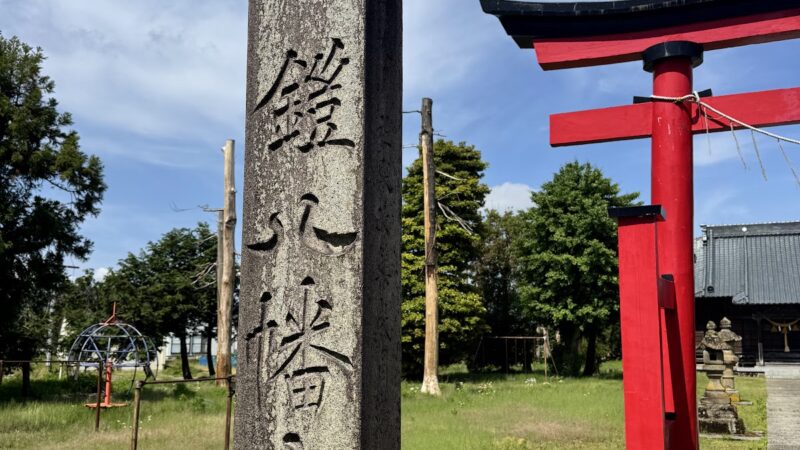
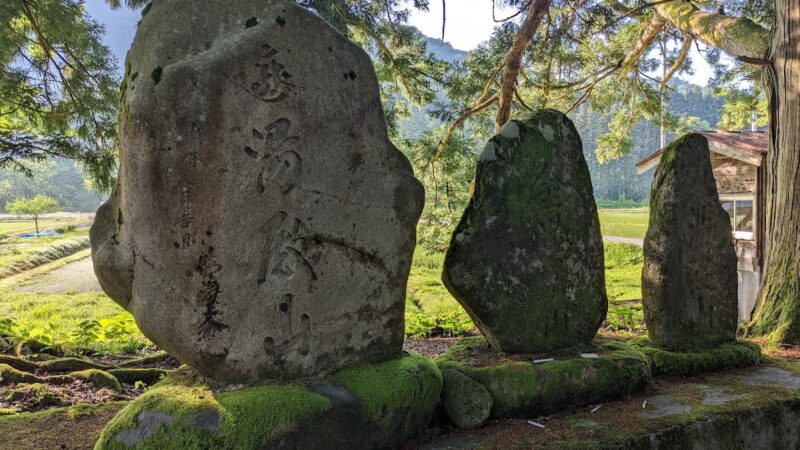
The stone pillar housed in the shrine of Uchinuma Shrine bears an inscription detailing the development history of this area. According to the inscription, Rokurobei Sawamura, the grandson of Tahei Sawamura (who migrated from Omi Province, present-day Shiga Prefecture, to Shibata), developed farmland in this area in 1730 (Kyoho 15).
The Sawamura family, descendants of Omi merchants, undertook this challenging development project under the patronage of the Shibata Domain. Transforming the wetlands around Fukushima Lagoon into farmland was extremely difficult with the technology of the time, but thanks to Rokurobei Sawamura’s efforts, this region was transformed into a fertile granary.
Stone Pillar Designated as a Tangible Cultural Property of Niigata City
Details of the Stone Pillar
The stone pillar housed in the shrine building of Uchinuma Shrine was erected in 1736 (Genbun 1) and measures 13cm (length) x 21cm (width) x 90cm (height). This stone pillar is designated as a tangible cultural property of Niigata City, as it is the oldest document in Niigata City that demonstrates the history of the development of Fukushima Lagoon.
Historical Value
The historical value of this stone pillar is immeasurable. As a primary source that concretely conveys the reality of land development in the Niigata Plain during the Edo period, and as evidence of the movement of people and the transmission of technology from Omi to Shibata, it occupies an extremely important position in regional history research.
The inscription carved on the stone pillar holds meaning beyond mere record-keeping. It is an expression of the pioneers’ hardships and pride, and their strong will to pass on their memories to future generations.
Shrine Building and Grounds
Features of the Shrine Building
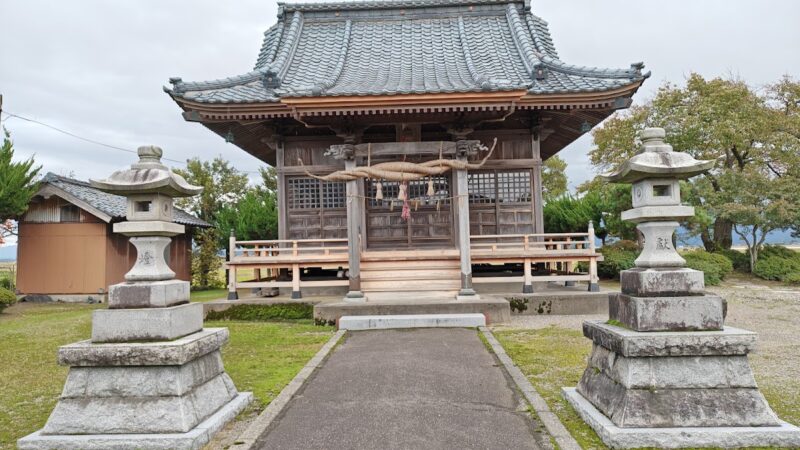
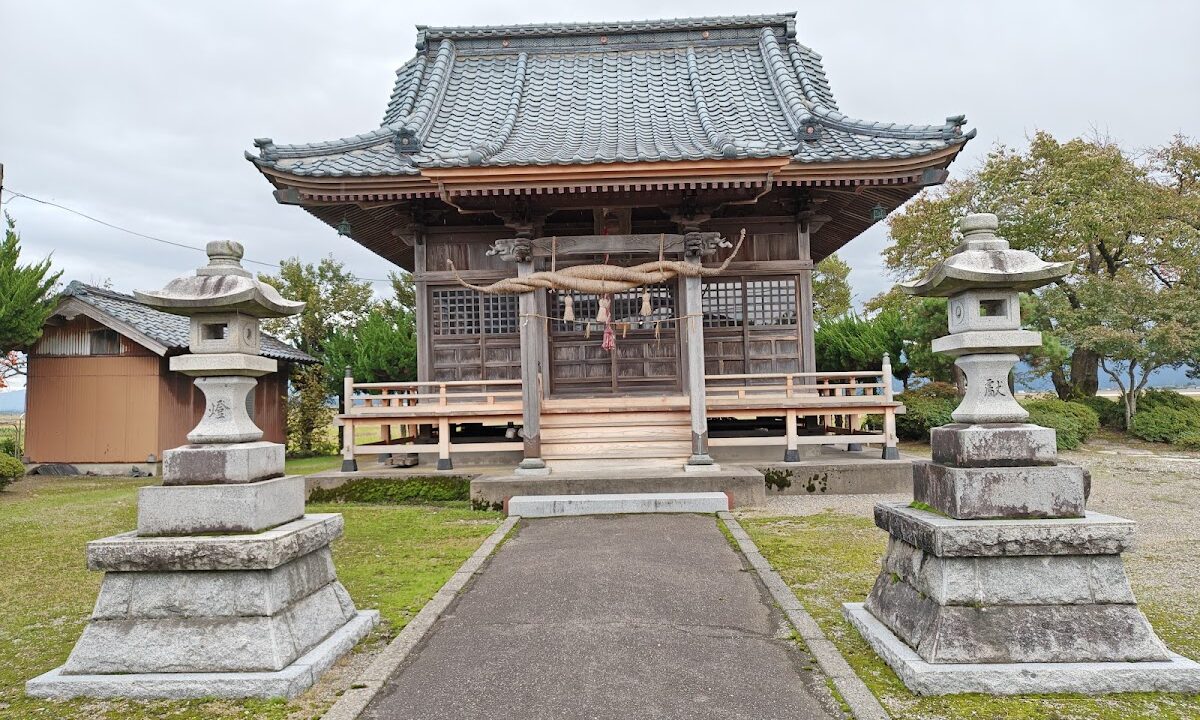
The shrine building of Uchinuma Shrine is typical of a small, local shrine. The wooden main hall, though simple, is carefully maintained, indicating that it is cherished as a place of faith by the local residents.
The aforementioned stone pillar is carefully preserved inside the shrine building, demonstrating that this shrine serves not only as a place of worship but also as a museum-like structure that conveys the history of the region.
Environment of the Shrine Grounds
The shrine grounds are enveloped in a tranquil atmosphere, surrounded by a rural landscape. This land, once part of Fukushima Lagoon, is now fertile farmland, but the natural environment around the shrine retains traces of its former appearance.
Uchinuma Lagoon and the Surrounding Natural Environment
Uchinuma Lagoon Today
Near Uchinuma Shrine, Uchinuma Lagoon, once part of Fukushima Lagoon, still remains. This lagoon is an important body of water that preserves a valuable natural environment in the Niigata Plain, where large-scale land reclamation has progressed.
A Treasure Trove of Ecosystems
The area around Uchinuma Lagoon is known as a habitat for diverse aquatic plants and waterfowl. Similar to Fukushima Lagoon itself, it functions as a stopover point for migratory birds, attracting many birdwatchers in spring and autumn. The reed beds and wetlands are home to insects that have become rare in urban areas, and the area is also used as a site for environmental education.
Landscape Value
Uchinuma Lagoon and the surrounding rural landscape are valuable landscapes that convey the original scenery of the Niigata Plain. Especially at sunset, the colors of the sky reflected on the water are beautiful, making it a popular spot for photography.
Relationship with Fukushima Lagoon
History of Fukushima Lagoon
Fukushima Lagoon was once the largest lagoon in Niigata Prefecture. During the Edo period, it had a vast body of water extending approximately 30 km in circumference, and the Uchinuma area was part of it. Although the area of the lagoon has shrunk considerably due to repeated land reclamation projects by the Shibata Domain and the shogunate, approximately 193 hectares of water remain today.
Historical Background of Development
During the Edo period, in the Niigata Plain, aggressive land reclamation projects were undertaken to meet the increasing food demands accompanying population growth. The reclamation of land around Fukushima Lagoon was one of the largest-scale projects.
The year 1730, indicated by the stone pillar at Uchinuma Shrine, coincides with the Kyoho Reforms, a period when the shogunate was encouraging land reclamation nationwide. Against this policy backdrop, pioneers from Omi merchant families, possessing both technical skills and capital, were invited to Shibata to undertake the challenging land reclamation project.
Modern Fukushima Lagoon
Today, Fukushima Lagoon is an important natural environment, also a candidate site for Ramsar Convention wetland. Niigata City is developing it as “Water Park Fukushima Lagoon,” providing opportunities for nature observation and environmental education through facilities such as View Fukushima Lagoon.
Access Information
Location
Address: Uchinuma, Kita-ku, Niigata City, Niigata Prefecture
Access by Public Transportation
Access to Uchinuma Shrine by public transportation is limited, so advance planning is important.
Nearest Station: JR Hakushin Line “Toyosaka Station”
From Toyosaka Station, you can take a Niigata Kotsu bus or a taxi. Since bus services are limited, it is recommended to check the timetable in advance. A taxi from Toyosaka Station takes approximately 15 minutes.
Access by Car
Access by car is the most convenient.
From Expressways:
- Approximately 10 minutes from the Nihonkai Tohoku Expressway “Toyosaka Niigata Higashi Port IC”
- Approximately 20 minutes from the Niigata Bypass “Keibajo IC”
From Niigata City Center:
Approximately 30 minutes
Parking
There is no large-scale parking lot dedicated to the shrine, but there are several parking spaces around the shrine grounds. When visiting, please be considerate of the surrounding residents. ## Points to Note When Visiting
Precautions When Visiting
Uchinuma Shrine is a small local shrine and does not have a resident priest. The shrine office is not always open, so if you wish to receive a Goshuin (shrine stamp) or prayers, it is recommended that you inquire in advance through the Niigata City Kita Ward Tourism Association or similar.
Best Season for Visiting
The following times are recommended for enjoying Uchinuma Shrine and the surrounding nature:
Spring (April-May): This is the time when preparations for rice planting begin, and the flooded rice paddies create a beautiful landscape. It is also suitable for observing migratory birds.
Autumn (September-October): This is the rice harvest season, and the golden rice stalks are beautiful. Many migratory birds also visit during this time.
Winter (December-February): The shrine also has a charming atmosphere amidst the snow. You can also enjoy observing winter birds.
Photography Tips
The scenery around Uchinuma Shrine is ideal for photography. In particular, compositions combining the shrine building with the surrounding rice fields, and the reflection of the sky on the surface of Uchinuma Lagoon, make for beautiful subjects. However, please avoid trespassing on private property and be considerate of agricultural work.
Nearby Tourist Attractions
Fukushima Lagoon Water Park
Located about 10 minutes by car from Uchinuma Shrine, Fukushima Lagoon is a representative nature observation spot in Niigata. At View Fukushima Lagoon, you can enjoy the entire lagoon from the observation deck and appreciate the changing seasons.
Facility Information:
- Nature Learning Garden
- Yugata Plaza
- View Fukushima Lagoon (Observation Facility)
- Gatarai-tei (Rest Facility)
Niigata City Kita Ward Local History Museum
This facility allows you to learn about the history and culture of Niigata City’s Kita Ward. Exhibits include the development history of the area around Fukushima Lagoon and local folklore materials, allowing for a deeper understanding of the historical background of Uchinuma Shrine.
Historical Walks in the Toyosaka District
The Toyosaka district is dotted with temples, shrines, and historical sites with a history dating back to the Edo period. Visiting these sites in conjunction with Uchiyama Shrine will provide a more comprehensive understanding of the region’s history.
Local Annual Events and Festivals
Annual Grand Festival
Uchiyama Shrine holds its annual grand festival once a year, organized by local residents. Although small in scale, it is an important event that reaffirms the bonds of the local community.
Connection with the Community
Uchiyama Shrine has been carefully preserved by local residents. Cleaning of the grounds and maintenance of the shrine buildings are carried out by local volunteers, demonstrating a continued effort to preserve the region’s traditions and history even amidst urbanization.
Value as a Cultural Property
Cultural Property Protection in Niigata City
The stone pillars of Uchiyama Shrine are officially designated as tangible cultural properties of Niigata City. This is because they are recognized not only for their preservation of old artifacts, but also for their important educational value in passing on the region’s history to future generations.
Importance as Research Material
The stone pillars at Uchinuma Shrine are invaluable primary source material for studying land development, human migration, and technology dissemination in the Niigata Plain during the Edo period. They also provide important clues to understanding the scope of activities of Omi merchants and the development policies of the Shibata Domain.
The Present and Future of the Uchinuma Area
Coexistence of Agriculture and Nature
The Uchinuma area today is a region where fertile farmland and the remaining natural environment coexist. The former reclaimed land has become a high-quality rice-producing area, forming part of Niigata Prefecture’s leading granary.
At the same time, the remaining natural environment, including Uchinuma Lagoon, is finding new value as a place for biodiversity conservation and environmental education.
Expectations for Regional Development
In Kita Ward, Niigata City, efforts are being made to promote tourism centered around Fukushima Lagoon. Uchinuma Shrine, as an important spot that conveys the region’s history, is expected to be incorporated into tourist routes.
The Uchinuma district, where history, nature, and modern agriculture harmonize, is attracting attention as a model case for sustainable community development.
Manners and Precautions When Visiting
Basic Manners
- Silent Worship: Please respect that this is a place of worship for the community and worship quietly.
- Maintaining Cleanliness: Please take your trash with you and keep the grounds clean.
- Consideration for Private Property: Since there are many farmlands and private properties in the surrounding area, please do not trespass without permission.
- Consideration for Agricultural Work: During the busy farming season, extra care must be taken not to interfere with agricultural work.
Photography Manners
Photography is generally permitted, but please note the following points.
- Please refrain from taking photographs inside the shrine.
- Please be considerate of the privacy of local residents.
- Please be considerate of those working in the fields.
- When using a tripod, please ensure it does not obstruct other worshippers.
Historical Lessons Conveyed by Uchinuma Shrine
The Efforts and Wisdom of Our Ancestors
The stone pillars of Uchinuma Shrine convey more than just historical facts. They tell the story of the efforts and wisdom of our ancestors who challenged difficult natural environments and created fertile land.
In Niigata, far from Omi, Sawamura Rokurobei and his companions undertook the difficult task of transforming wetlands into farmland. Without their efforts, the fertile Niigata Plain as it is today would not exist.
Coexistence with the Environment
On the other hand, the natural environment preserved as Uchinuma Lagoon teaches us the importance of wisdom in coexisting with nature without developing everything. It shows us, who live in the present day, that there are blessings to be gained by preserving nature rather than complete development.
Passing on Memory
Uchinuma Shrine and its stone pillars also demonstrate the importance of passing on memories to future generations. The stone pillar erected in 1736, transcending nearly 300 years, still speaks to us of the events of that time.
Recording, preserving, and passing on local history—this is not merely nostalgia for the past, but an act of gaining wisdom and courage to create the future.
Summary: The Significance of Visiting Uchinuma Shrine
Uchinuma Shrine in Kita Ward, Niigata City, may seem like just a small local shrine at first glance. However, the stone pillar housed within its sanctuary is a valuable cultural asset that conveys the grand historical narrative of the development of Fukushima Lagoon during the Edo period.
The record of pioneers who migrated from Shiga Prefecture to Shibata and developed this land in 1730 is an indispensable primary source for understanding the formation of the Niigata Plain. Furthermore, the remaining natural environment of Uchinuma Lagoon evokes the former appearance of Fukushima Lagoon, teaching us the importance of balancing development and conservation.
Access is not exactly convenient, but that’s precisely why it’s worth visiting. Nestled amidst a tranquil rural landscape, this small shrine offers a chance to reflect on the efforts of the ancestors who shaped Niigata’s land. Such a moment will be a precious experience unlike anything you encounter in everyday life.
When visiting Fukushima Lagoon, be sure to also visit Uchinuma Shrine. This shrine, which holds the oldest development records in Niigata City, is sure to bring you new discoveries and inspiring moments.