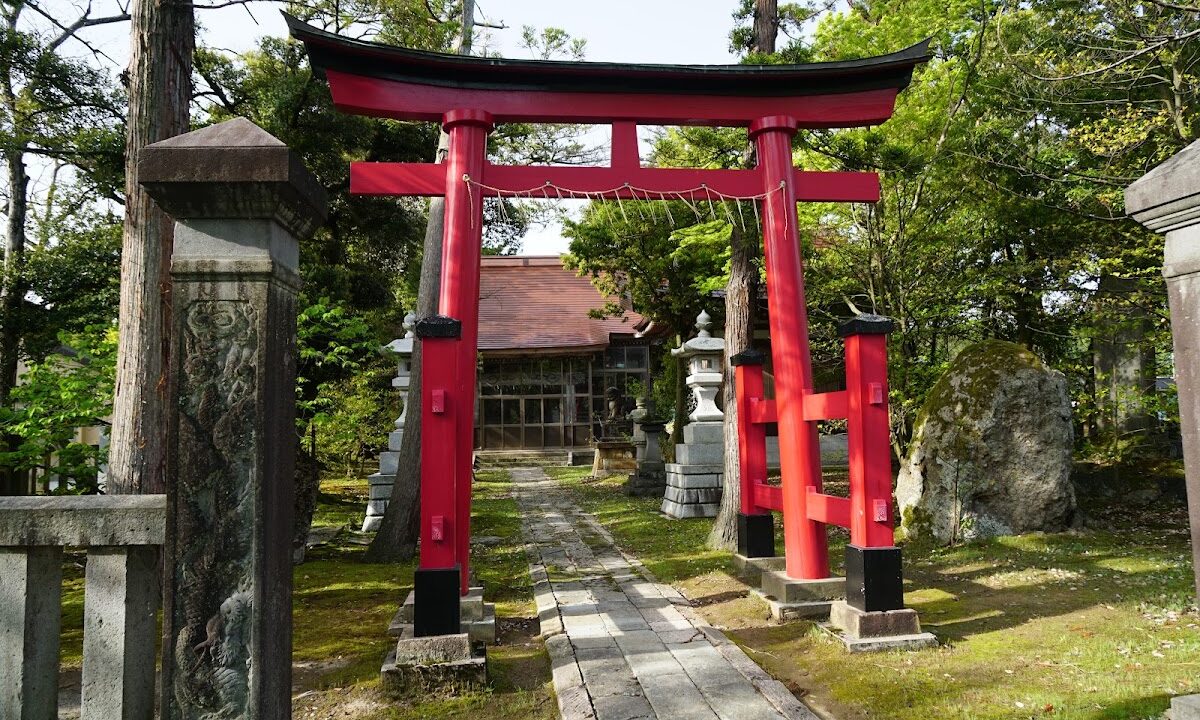
Complete Guide to Tata Shrine (Kashiwazaki City, Niigata Prefecture) | A Thorough Explanation of the Nationally Designated Important Cultural Property Main Hall and History
Tata Shrine, located in Kashiwazaki City, Niigata Prefecture, is known as a valuable cultural asset that preserves shrine architecture from the mid-Muromachi period. The main hall, built in 1519 (Eisho 16), is designated as a National Important Cultural Property and attracts attention from history enthusiasts and those interested in architecture. This article provides a detailed explanation of Tata Shrine’s history, architectural value, highlights, and access information.
Overview and Basic Information of Tata Shrine
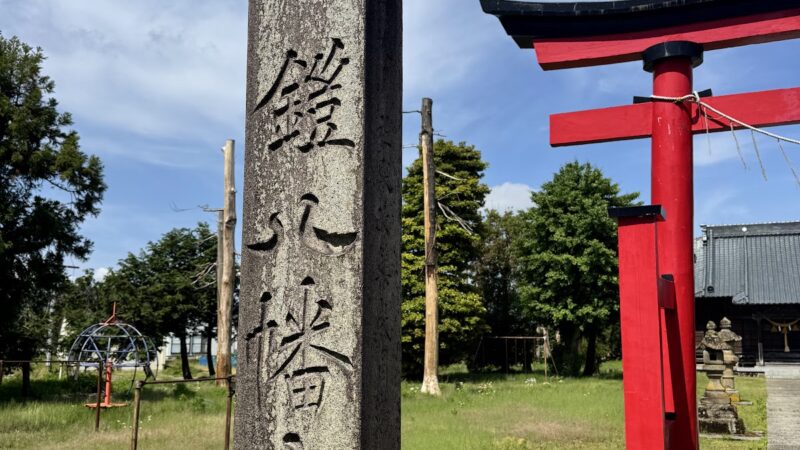
Tata Shrine is a historical shrine located in Sochi, Kashiwazaki City, Niigata Prefecture. It is located approximately 8 km northeast of Kashiwazaki City Hall, southeast of the Sochi traffic light at the intersection of National Route 8 and Prefectural Route 73.
Basic Data
- Location: Sochi, Kashiwazaki City, Niigata Prefecture
- Founding: Said to be in the first year of Daido (806)
- Construction of the Current Main Hall: Eisho 16 (1519)
- Cultural Property Designation: Nationally Designated Important Cultural Property (Designated May 14, 1958)
- Architectural Style: One-bay Nagare-zukuri style
- Main Features: Completely retains the characteristics of shrine architecture from the mid-Muromachi period
The main hall of Tata Shrine has been protected for many years by a protective structure, so it has remarkably preserved its original appearance and is an extremely important resource for studying shrine architecture from the mid-Muromachi period.
History of Tata Shrine
Founding Legend and Engishiki-listed Shrine
Tata Shrine is said to have been founded in the first year of Daido (806). This period corresponds to the early Heian period, a time when the construction and development of shrines progressed throughout Japan.
Tata Shrine is considered a candidate for the Shikinaisha (shrines listed in the Engishiki Jinmyocho), compiled in 927 AD. The Engishiki Jinmyocho is an important document recording major shrines throughout Japan recognized by the imperial court during the mid-Heian period, indicating that Tata Shrine was considered an important center of local faith from this era.
Warfare and Loss of Records During the Tensho Era
When discussing the history of Tata Shrine, it is impossible to avoid the warfare of the Tensho era (1573-1593). This period was a turbulent time, from the end of the Sengoku period to the Azuchi-Momoyama period, and fierce battles were fought in Echigo Province (present-day Niigata Prefecture).
Due to this warfare, many of Tata Shrine’s buildings and records were lost. Therefore, there are various theories regarding the details of its founding and the changes in the shrine during the medieval period, and currently, no reliable records remain. This is a challenge common to many shrines that experienced the Sengoku period, not just Tata Shrine.
Construction of the Main Hall in Eisho 16
The current main hall of Tata Shrine is clearly known to have been built in Eisho 16 (1519), as evidenced by a ridge beam inscription (munafuda). A ridge beam inscription is a plaque placed inside a building during construction or repair, recording the date and the names of those involved. It is an important primary source in architectural history research.
Eisho 16 falls in the mid-Muromachi period, and the Tata Shrine main hall, which perfectly preserves the characteristics of shrine architecture from this period, is an extremely valuable structure in the history of Japanese architecture.
Value as a Nationally Designated Important Cultural Property
History of Designation as an Important Cultural Property
The Tata Shrine main hall was designated a Nationally Important Cultural Property on May 14, 1958. This designation is based on the Cultural Properties Protection Law, recognizing its high historical and artistic value as a building, as well as its academic importance.
The designation of a building as an Important Cultural Property is made after a recommendation from the Cultural Affairs Council established by the Agency for Cultural Affairs. In the case of the main hall of Tata Shrine, it was evaluated for its excellent characteristics of shrine architecture from the mid-Muromachi period, its good state of preservation, and the clear construction date provided by the ridge beam inscription.
Characteristics of Shrine Architecture from the Mid-Muromachi Period
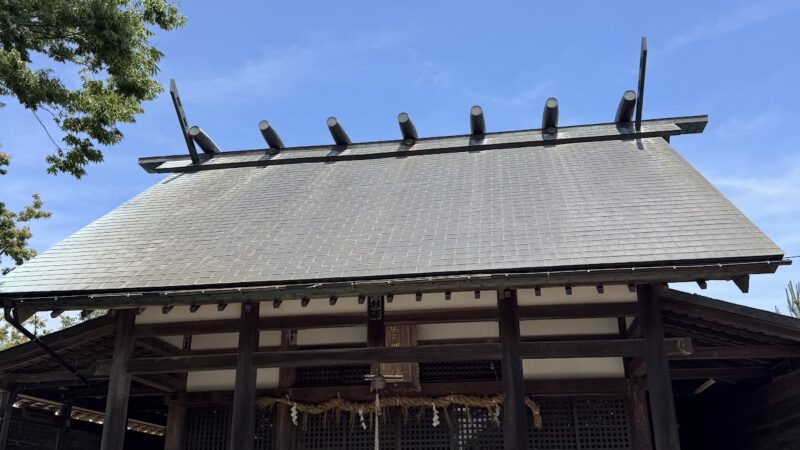
The main hall of Tata Shrine is built in the Ikkensha Nagare-zukuri architectural style. Nagare-zukuri is one of the representative styles of shrine architecture, characterized by a long, extended roof that forms an eaves.
Architectural Characteristics
- Kaerumata: A decorative element placed on beams and girders, named for its resemblance to a frog with its legs spread. The Kaerumata of the main hall of Tata Shrine exhibit a design characteristic of the mid-Muromachi period.
- Kibana: These are decorative elements at the ends of the horizontal beams protruding from the pillars. The Kibana on the main hall of Tata Shrine clearly reflect the characteristics of the period.
- Ebi-koryo: These are curved beams, named for their shrimp-like curve. The Ebi-koryo on the main hall of Tata Shrine is an important element that shows the style of the mid-Muromachi period.
The shapes and decorative styles of these architectural components clearly demonstrate the characteristics of the mid-Muromachi period, making them valuable resources for architectural history research.
Protection and Preservation by the Covering Structure
One reason why the main hall of Tata Shrine has so remarkably preserved its original appearance is the protection provided by the covering structure. A covering structure is a building constructed on the outside to protect valuable structures from wind and rain.
Because it has been protected from direct wind, rain, and sunlight by a protective structure, the main hall of Tata Shrine has remained remarkably well-preserved even after approximately 500 years, with minimal deterioration of the wood and excellent preservation of details such as coloring and carvings. This excellent state of preservation is a crucial factor in enhancing its value as an Important Cultural Property.
Highlights of Tata Shrine’s Main Hall
Beauty of Architectural Style
Tata Shrine’s main hall is often described as a “small shrine,” but its small size contributes to its beautiful overall balance, showcasing a condensed representation of the architectural beauty of the Muromachi period.
The Ikkensha Nagare-zukuri style is a form used for small shrine architecture where the front pillars span one ken (approximately 1.8 meters), possessing the dignity of a shrine despite its compact size. The flowing curves of the roof evoke the elegant beauty unique to Japanese architecture.
Detailed Decoration
The true value of Tata Shrine’s main hall lies in its detailed decorations. The aforementioned components, such as the frog-leg brackets, wooden noses, and curved beams, feature carvings and designs characteristic of the mid-Muromachi period, demonstrating the high level of craftsmanship of the time.
In particular, the carvings on the frog-leg brackets are attracting attention from architectural historians as an important element that reflects the style of the era. Frog-leg brackets from the mid-Muromachi period exhibit characteristics of a transitional period, showing increased ornamentation and refinement of carving techniques compared to earlier periods.
The Main Hall Inside the Protective Structure
Currently, the main hall of Tata Shrine is housed within a protective structure. While the structure itself was built later than the main hall, its presence has allowed the hall to be preserved in such good condition.
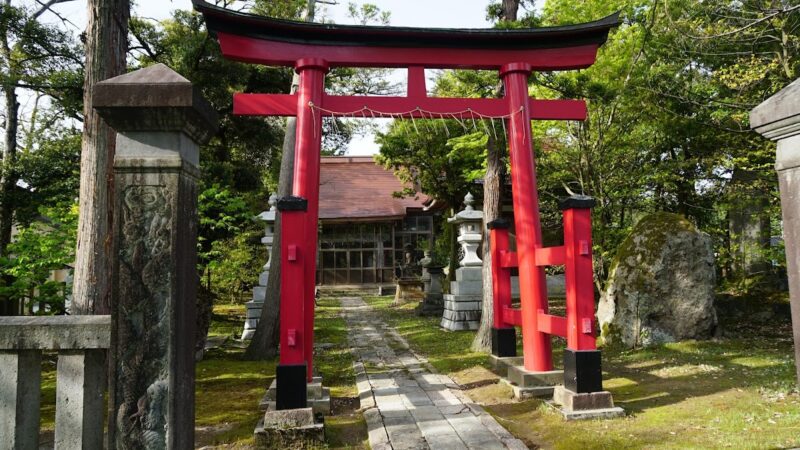
Entering the structure, one is greeted by a tranquil space separated from the hustle and bustle of the outside world, and the sight of the main hall standing there evokes a timeless beauty. The view of the main hall through the lattice of the structure conveys the dignity of a cultural asset and the weight of history.
Cultural Significance of Tata Shrine
As a Center of Local Faith
Tata Shrine has long been a center of faith for the Sochi district of Kashiwazaki City, cherished by the local residents. As evidenced by its designation as a candidate for an Engishiki-listed shrine, it is a historical shrine dating back to the Heian period, forming an integral part of the region’s identity.
Various festivals are held throughout the year, serving as a place to strengthen community bonds. As a shrine possessing a nationally designated Important Cultural Property, it is a source of pride for the region.
Importance in Architectural History Research
The main hall of Tata Shrine is an indispensable resource for studying shrine architecture from the mid-Muromachi period. Its construction date is clearly documented by a ridge beam inscription, and its excellent state of preservation provides important clues to understanding the changes in architectural techniques and styles of this era.
It is also registered in the Agency for Cultural Affairs’ database of nationally designated cultural properties, making it a valuable study subject for researchers and architecture students nationwide.
As a Cultural Heritage Site of Niigata Prefecture
Niigata Prefecture boasts numerous historical buildings and cultural properties, but among them, the main hall of Tata Shrine holds a particularly important position. It is also attracting attention as a tourist resource in Niigata Prefecture and is featured on official tourism websites such as “Niigata Tourism Navi.”
Detailed information is also available in regional cultural databases such as “Niigata Cultural Stories,” making it an essential spot that is always included when introducing Niigata Prefecture’s cultural heritage.
Access Information and Visiting Guide
Access Methods
Access by Car
- Approximately 15 minutes from Kashiwazaki IC on the Hokuriku Expressway
- Southeast side of the “Sochi Traffic Light” intersection of National Route 8 and Prefectural Route 73
- Approximately 8 km northeast from Kashiwazaki City Hall
- Parking available (limited spaces)
Access by Public Transportation
- Approximately 15 minutes by car from Kashiwazaki Station on the JR Shin’etsu Main Line
- Taxis or rental cars are recommended
- Bus services are limited, so it is recommended to check the timetable in advance.
Precautions When Visiting
- The main hall is housed within a protective structure, and normally only the exterior can be viewed.
- As it is an important cultural property, direct contact with the building is prohibited.
- Photography is permitted, but please refrain from using flash photography.
- Please visit quietly and cooperate in the preservation of cultural properties.
- The temple grounds are a place of worship for local residents, so please observe proper etiquette when visiting.
Nearby Tourist Attractions
When visiting Tata Shrine, we recommend also visiting other tourist attractions in Kashiwazaki City.
- Kashiwazaki City Museum: A facility where you can learn about the history and culture of Kashiwazaki.
- Shoun Sanso: A famous spot where you can enjoy a beautiful Japanese garden.
- Japan Sea Fisherman’s Cape: A tourist facility where you can enjoy seafood.
- Kashiwazaki Coast: A coastline with beautiful views of the Japan Sea.
Recommended Time to Visit Tata Shrine
Seasonal Charms
Spring (March-May)
A beautiful time of year when the trees in the shrine grounds begin to bud, a season of fresh greenery. You can visit the shrine at your leisure in mild weather.
Summer (June-August)
The greenery becomes denser, and the shrine grounds are enveloped in a cool atmosphere. However, be careful of your footing on rainy days.
Autumn (September-November)
A beautiful contrast with the autumn leaves, as the trees in the shrine grounds change color. This is also an ideal time for photography.
Winter (December-February)
The main hall of Tata Shrine has a different charm amidst the snowy landscape. However, please be very careful of your footing when there is snow.
Festival Period
Tata Shrine holds various festivals throughout the year. It is a valuable opportunity to experience local traditional events, so we recommend checking the schedule in advance before visiting.
Efforts to Protect Cultural Properties
Regular Preservation and Repair
The main hall of Tata Shrine, a nationally designated important cultural property, undergoes regular inspections and necessary preservation and repairs. Under the guidance of the Agency for Cultural Affairs, expert surveys are conducted, and the condition of the building is constantly monitored.
In addition to protection by a protective structure, in recent years, efforts have been made to improve earthquake resistance and install disaster prevention equipment, continuing efforts to pass on this valuable cultural property to future generations.
Community Protection Activities
Cleaning activities and maintenance of the shrine grounds by local residents also play an important role in the protection of cultural properties. Tata Shrine is carefully preserved by the local community, and their efforts serve as a model for cultural property protection.
Future Prospects for Tata Shrine
The main hall of Tata Shrine is expected to continue to be a representative important cultural property of Niigata Prefecture, showcasing its value. Efforts are underway to balance its use as a tourist resource with cultural property preservation, aiming to let more people know about its charm.
New technologies such as the development of a digital archive and the use of VR technology to introduce cultural properties are also being considered, creating an environment where people from afar can experience the charm of Tata Shrine.
Summary
Tata Shrine is a historic shrine located in Kashiwazaki City, Niigata Prefecture. Its main hall, built in 1519 (Eisho 16), is designated as a national important cultural property. As a valuable cultural property that perfectly preserves the characteristics of shrine architecture from the mid-Muromachi period, it occupies an important position in architectural history research.
The architectural elements such as the frog-leg brackets, wooden noses, and curved beams clearly reflect the characteristics of the era, and thanks to the protection provided by the protective structure, it has beautifully preserved its original appearance. It also has a history as a candidate for an Engishiki-listed shrine and has long been cherished as a center of local faith.
When you visit Kashiwazaki City, be sure to visit this precious cultural property and experience the history and architectural beauty that has continued since the Muromachi period. The main hall of Tata Shrine is a cultural heritage that Niigata Prefecture can be proud of, allowing you to feel the splendor of traditional Japanese architecture and the efforts of the people who have continued to preserve it.