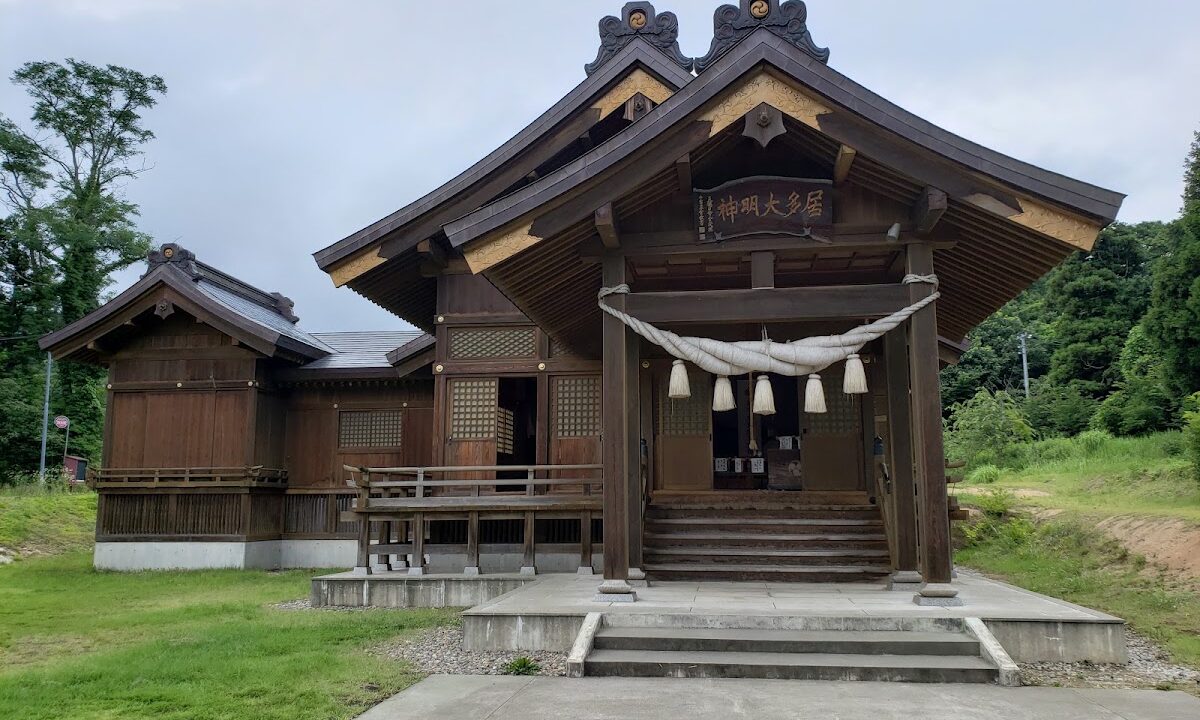
Kota Shrine (Joetsu City, Niigata Prefecture) Complete Guide | History, Benefits, and Access Information for Echigo’s Ichinomiya
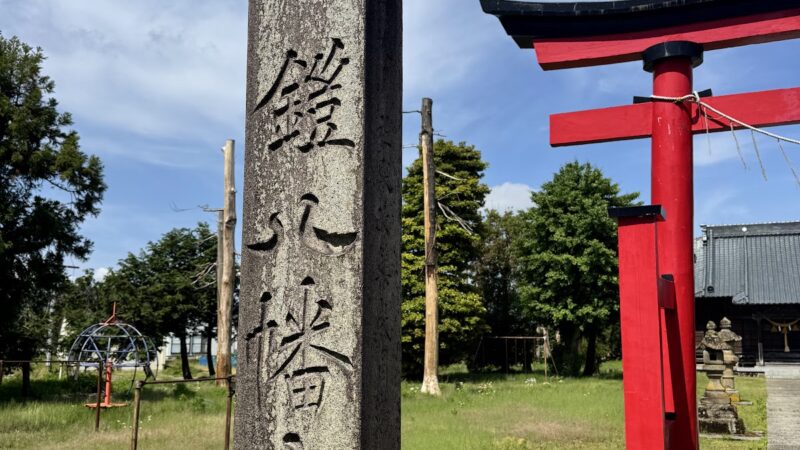
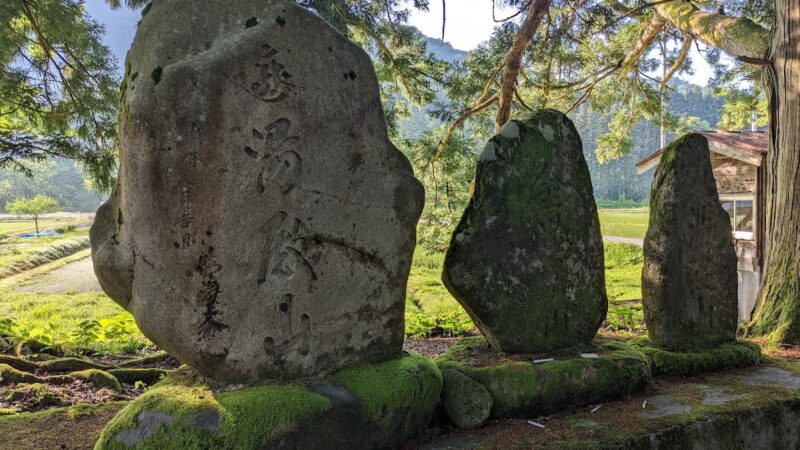
Kota Shrine, located in Gochi, Joetsu City, Niigata Prefecture, is a venerable shrine that has long been revered as the Ichinomiya (first-ranked shrine) of Echigo Province. This guide provides detailed information about this shrine, full of history and romance, from basic information to its benefits and nearby attractions, including the legend of the marriage of Okuninushi-no-Mikoto and Nunakawa-hime, and the “One-Leafed Reed,” one of the Seven Wonders of Echigo associated with Shinran Shonin.
What is Kota Shrine? | The Status and History of Echigo’s Ichinomiya
Kota Shrine is a Shikinaisha (a shrine listed in the Engishiki Jinmyocho, a historical record of shrines) and has received strong protection from the provincial governor since ancient times as the Ichinomiya of Echigo Province (present-day Niigata Prefecture). There are three Ichinomiya in Niigata Prefecture, and Kota Shrine holds an important position as one of them.
Origin of the Shrine Name and the Faith of Keta-no-kami
Itata Shrine is believed to be a shrine dedicated to “Keta-no-kami,” and is one of the Keta Shrines distributed along the Sea of Japan coast from northern Hyogo Prefecture to Niigata Prefecture. This Keta-no-kami is said to have been worshipped by the people of Izumo, and the shrine is of high historical value as an important historical site that tells the story of the Izumo forces’ expansion into the Hokuriku region.
Changes in the Shrine Building and Current Location
The current shrine site was located on Mt. Minowa, approximately 1 kilometer northwest of the present site, until 1866 (Keio 2). Afterward, it was moved to its current location in Gochi, and is now situated on a small hill. It is located west of Gochi Kokubunji Temple, and the surrounding area is a cultural area with many historical buildings.
Deities and Benefits | God of Matchmaking, Fertility, and Safe Childbirth
Main Deities and Divine Virtues
Itata Shrine enshrines three deities: a parent and two children. Main Deities
- Ōkuninushi-no-Mikoto
- Nunagawa-hime-no-Mikoto
- Takeminakata-no-Mikoto
Ōkuninushi-no-Mikoto and Nunagawa-hime are a mythical couple recorded in the Kojiki, and Takeminakata-no-Mikoto is their child. Because these three deities are enshrined here, the shrine is believed to bring blessings for family bonds and marital harmony.
Power Spot for Matchmaking, Fertility, and Safe Childbirth
It is said that Ōkuninushi-no-Mikoto and Nunagawa-hime lived a happy life in this area after their marriage. Because of this romantic legend, Ita Shrine is known for the following blessings:
- Matchmaking: For those seeking a good match or wishing for romantic success
- Fertility: For couples wishing to be blessed with children
- Safe Childbirth Protection: For pregnant women wishing for a safe delivery
- Marital Harmony: For those wishing for happiness in their family
This shrine is particularly revered as a matchmaking shrine, attracting many worshippers from both within and outside the prefecture.
The Legend of the Marriage of Okuninushi-no-Mikoto and Nunakawa-hime
Myth Recorded in the Kojiki
The Kojiki records the story of Okuninushi-no-Mikoto of Izumo visiting Nunakawa-hime-no-Mikoto in Koshi Province (Echigo Province, present-day Hokuriku region) to propose marriage. Having heard of Nunakawa-hime’s beauty and wisdom, Okuninushi-no-Mikoto traveled all the way from Izumo to Echigo Province to court her.
The Happy Life of the Two Gods
Nunakawa-hime accepted Okuninushi-no-Mikoto’s proposal, and the two gods were united. Afterward, it is said that they lived a happy married life in this Joetsu region and had a child named Takeminakata-no-Mikoto. Takeminakata-no-Mikoto would later be enshrined as the deity of Suwa Grand Shrine.
This myth demonstrates the cultural exchange between Izumo culture and the Echigo region, and also tells of the fact that Ita Shrine was an important center of faith from ancient times.
The Seven Wonders of Echigo: “The One-Sided Reed”
Deep Connection with Shinran Shonin
An indispensable aspect of Ita Shrine is its connection to Shinran Shonin. In 1207, when Shinran Shonin was exiled to Echigo Province, he landed in this area. It is said that Ita Shrine was the first place he visited after landing.
The Legend of the One-Sided Reed
The “One-Sided Reed,” counted as the first of the Seven Wonders of Echigo, grows in clusters within the grounds of Ita Shrine. This reed has a unique characteristic: unlike ordinary reeds, it has leaves on only one side.
According to legend, when Shinran Shonin visited Ita Shrine, he rested in a reed field. Because he leaned to one side, the leaves on one side of the reed fell off, and since then, the reeds in this area have only had leaves on one side.
This rare one-sided reed can still be seen on the shrine grounds today, making it an important historical site commemorating the footsteps of Shinran Shonin.
Highlights of the Shrine Grounds
Worship Hall and Main Hall
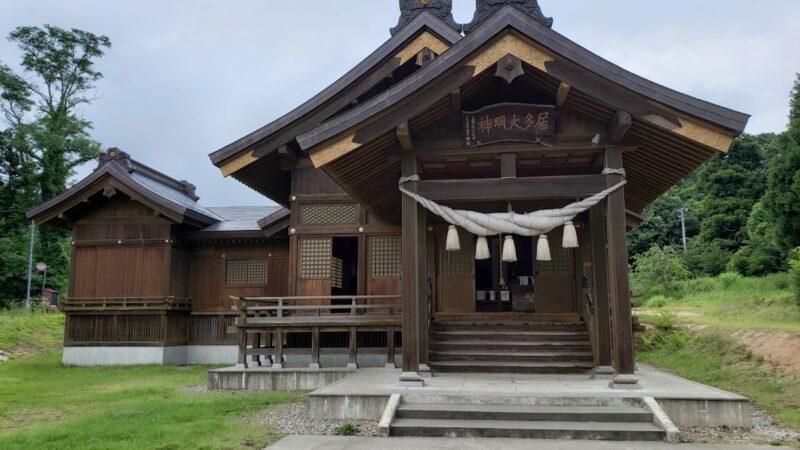
The worship hall of Ita Shrine is relatively compact for an Echigo Ichinomiya (first-ranked shrine), but it is beautifully maintained. While smaller in scale than Yahiko Shrine or Amatsu Shrine, it possesses a solemn atmosphere that reflects the depth of faith.
Shinran Shonin Memorial Hall
Within the temple grounds is a memorial hall dedicated to Shinran Shonin, preserving the deep connection between the saint and Kota Shrine. Visiting while reflecting on the feelings of the saint upon landing in Echigo after the hardships of exile will evoke a deeper sense of emotion.
One-Sided Reed Colony
In a corner of the temple grounds, there is a colony of one-sided reeds, one of the Seven Wonders of Echigo. The reed bed, which changes its appearance with the seasons, exudes a mystical atmosphere. Be sure to observe it in person and confirm its mysterious characteristics.
Basic Information | Opening Hours, Fees, and Holidays
Visiting Hours and Fees
Visiting Hours
- Open all day (Please check the reception hours of the shrine office)
Fees
- Free
Holidays
- None (Open all year round)
*Please note that opening hours may change due to weather or religious ceremonies. It is recommended to check in advance.
Annual Festivals and Events
Ita Shrine holds various festivals throughout the year. The annual festival, in particular, is an important religious ceremony and attracts many worshippers. For detailed dates, please check the official information or the Joetsu City tourist guide.
Access | Directions by Train and Car
Address
6-1-11 Gochi, Joetsu City, Niigata Prefecture 942-0081
Access by Train
Using the JR Shin’etsu Main Line
- Approximately 5 minutes by taxi from Naoetsu Station (approx. 2km)
- Approximately 25 minutes on foot from Naoetsu Station
Naoetsu Station is a major station in the Joetsu region and is conveniently accessible from Niigata and Nagano.
Access by Car
Using the Expressway
- Approximately 15 minutes from the Hokuriku Expressway “Joetsu IC”
- Approximately 20 minutes from the Joshinetsu Expressway “Joetsu Takada IC”
Parking
- Free parking available
- Dedicated parking spaces for visitors are provided
The parking area is well-maintained, so you can visit by car with peace of mind. However, congestion is expected during events such as New Year’s visits and annual festivals, so it is recommended to visit with plenty of time to spare.
Map and Surrounding Environment
Itadaki Shrine is located on a small hill west of Gochi Kokubunji Temple. Historical buildings are scattered throughout the surrounding area, making it a suitable area for strolling. Itagahama, the landing site of Shinran Shonin, is also nearby, and visiting both will deepen your understanding of history.
Recommended Nearby Spots
Gochi Kokubunji Temple
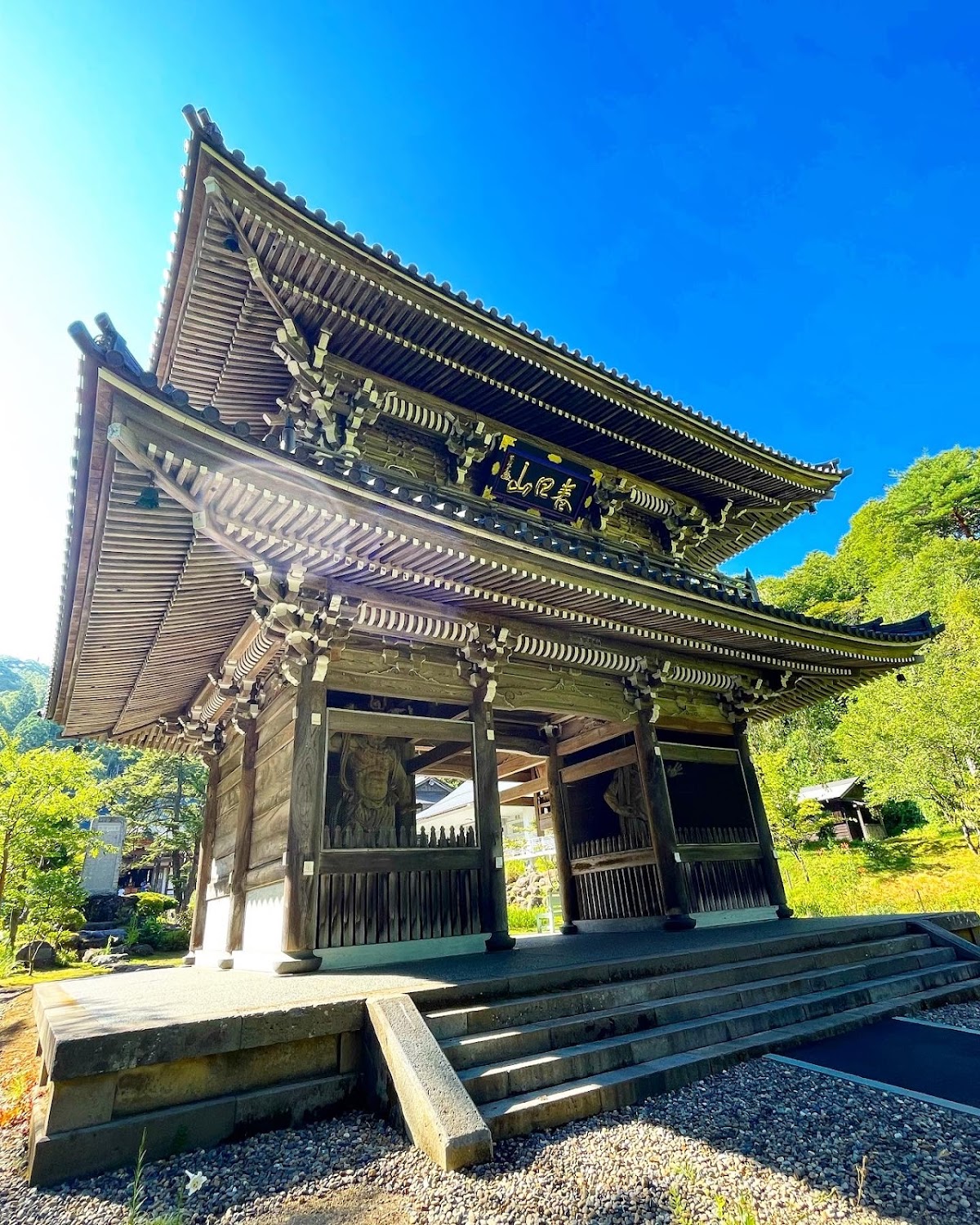
Gochi Kokubunji Temple, located just east of Itadaki Shrine, is an ancient temple said to have been founded in 741 AD (Tenpyo 13). This temple, which served as the center of Buddhist culture in Echigo Province as a Kokubunji temple, is of high historical value and a must-visit spot, especially when combined with a visit to Itagahama Shrine.
Landing Place of Shinran Shonin (Itagahama)
This park was developed to commemorate the landing place of Shinran Shonin in Echigo. From the observation deck, you can watch the sunset over the Sea of Japan and reflect on the feelings of the saint during his exile. It’s close to Itagahama Shrine and a popular stop on a tour of places associated with the saint.
Naoetsu Area
Around Naoetsu Station, you’ll find gourmet spots unique to a port town and historical streetscapes. There are many restaurants where you can enjoy fresh seafood, making it a great place to eat after visiting the temple.
Recommended Restaurants in the Area
Restaurants Where You Can Enjoy Seafood
The Joetsu/Naoetsu area is a port town facing the Sea of Japan, and boasts fresh seafood. Dishes made with locally caught seafood are exquisite, especially the yellowtail and red snow crab in winter.
Recommended ways to enjoy the food:
- Seafood rice bowl: Plenty of fresh ingredients
- Sushi: Authentic sushi made by local sushi chefs
- Boiled fish set meal: Home-style flavor using fish from the Sea of Japan
Local Japanese sweets
Joetsu has many long-established Japanese confectionery shops, making them a great place to buy souvenirs on your way back from visiting the shrine. The dango and mochi sweets, made using traditional methods, are beloved by locals.
French cuisine and cafes
Joetsu also has several Western-style confectionery shops and cafes. It’s a good idea to stop by and relax during your sightseeing.
Nearby hotel and accommodation information
Accommodation in the Naoetsu area
Around Naoetsu Station, there are various accommodations ranging from business hotels to hot spring inns. It offers good access to Ita Shrine and is a convenient base for sightseeing in Joetsu.
Accommodation Features
- Business Hotels: Affordable and often close to train stations
- Hot Spring Inns: Enjoy fresh seafood from the Sea of Japan and hot springs
- Guesthouses: Enjoy local cuisine in a homey atmosphere
Accommodation in the Takada Area
The Takada area, the heart of Joetsu City, also has many accommodation options. It’s close to tourist attractions such as Takada Castle Ruins Park, making it ideal for those who want to enjoy a wide range of Joetsu sightseeing.
Model Sightseeing Courses for Joetsu
Half-Day Course (Historical Tour)
- Ita Shrine (Visit and View of the One-Leafed Reeds): 60 minutes
- Gochi Kokubunji Temple (Visit and Stroll through the Temple Grounds): 30 minutes
- Site of Shinran Shonin’s Landing (Observation Deck and Coastal Stroll): 40 minutes
- Lunch in the Naoetsu Area (Seafood Cuisine): 60 minutes
Full-Day Course (Enjoying Joetsu to the Fullest)
Morning:
- Visit Ita Shrine
- Visit Gochi Kokubunji Temple
- Stroll through Site of Shinran Shonin’s Landing
Afternoon:
- Lunch in the Naoetsu Area
- Sightseeing at Takada Castle Ruins Park
- Visit Joetsu City Aquarium Umigatari
- Relax at a Local Hot Spring
Etiquette and Precautions for Visiting a Shrine
Basic Worship Etiquette
- Bow before passing through the torii gate.
- Purify your hands and mouth at the water basin.
- Walk along the path, avoiding the center.
- Bow twice, clap twice, and bow once in front of the main hall.
Photography
Photography is generally permitted on the shrine grounds, but please refrain from taking pictures during religious ceremonies or in restricted areas. Also, please be considerate of other worshippers.
Clothing and Items to Bring
- Appropriate attire for worship (clean, not overly flashy clothing)
- Comfortable walking shoes (the shrine grounds are on a hill)
- Seasonal clothing for warmth and heat
The Four Seasons of Ita Shrine
Spring (March-May)
The fresh greenery is beautiful, and the shrine grounds are enveloped in a refreshing atmosphere. During cherry blossom season, you can also enjoy cherry blossom viewing at nearby Gochi Park and other locations.
Summer (June-August)
The reeds with one-sided leaves grow lush and green, a season that evokes a sense of vitality. In July, the Joetsu Festival Grand Fireworks Display (Naoetsu area) is held, bringing excitement to the entire region.
Autumn (September-November)
The autumn leaves are beautiful, and the shrine grounds are dyed in autumn colors. The cool and pleasant weather makes it the perfect season for visiting the shrine.
Winter (December-February)
A fantastical landscape unfolds as snow falls and accumulates. The shrine is bustling with many visitors during the New Year’s pilgrimage. The winter Sea of Japan is rough and powerful, and the view of the winter sea from the landing site of Shinran Shonin is breathtaking.
Summary | The Charms of Visiting Ita Shrine
Ita Shrine is a shrine with many attractions, including its status as the Ichinomiya (first-ranked shrine) of Echigo Province, the legend of the matchmaking of Okuninushi-no-Mikoto and Nunakawa-hime, and the reeds with one-sided leaves associated with Shinran Shonin. Highlights of Visiting Ita Shrine
- Benefits for matchmaking, fertility, and safe childbirth
- Visit the “One-Leafed Reed,” one of the Seven Wonders of Echigo
- Historical connection to the landing site of Shinran Shonin
- Combine with nearby attractions such as Gochi Kokubunji Temple
- Enjoy fresh seafood gourmet in Naoetsu
When you visit Joetsu City, be sure to stop by Ita Shrine. A special experience awaits you, where you can feel the history, faith, and romance of mythology from ancient times. The well-maintained grounds, free parking, and easy access from Naoetsu Station are also attractive features. Please check the basic information and be sure to visit.