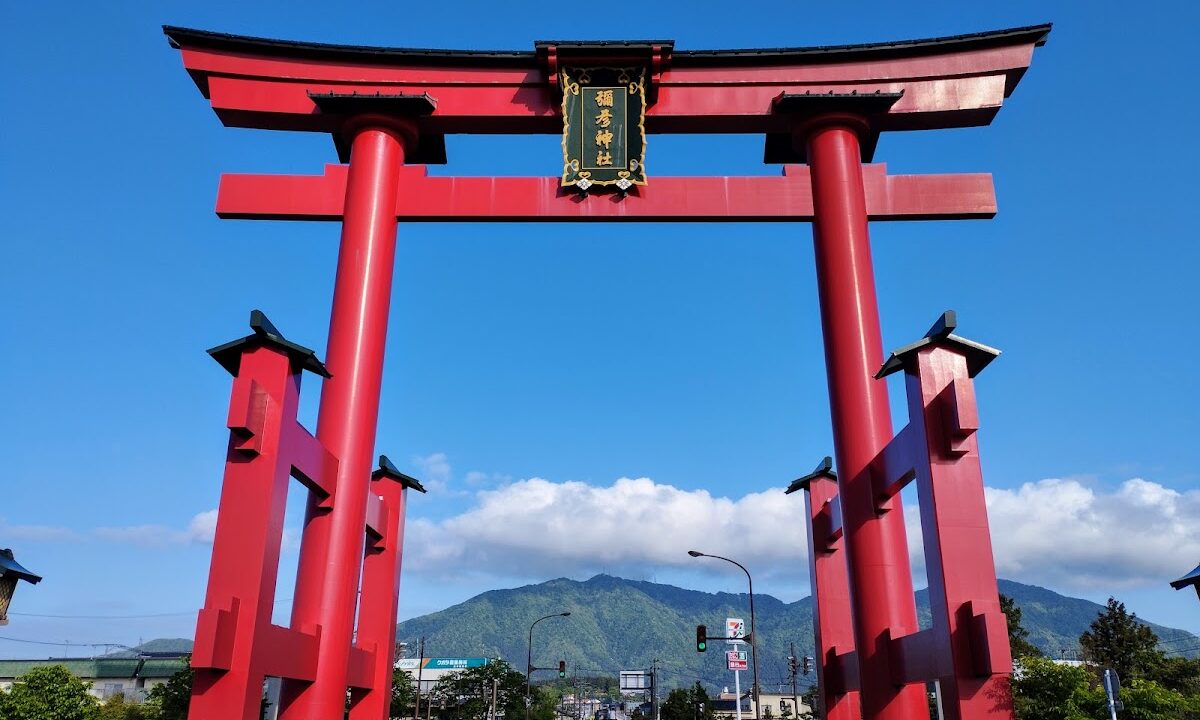
Kagoyama Shrine (Murakami City, Niigata Prefecture) Complete Guide: History, Deities, and Access Information
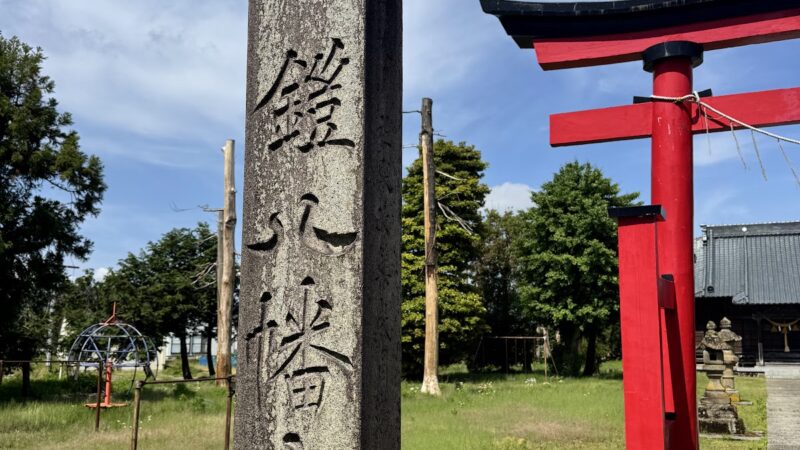
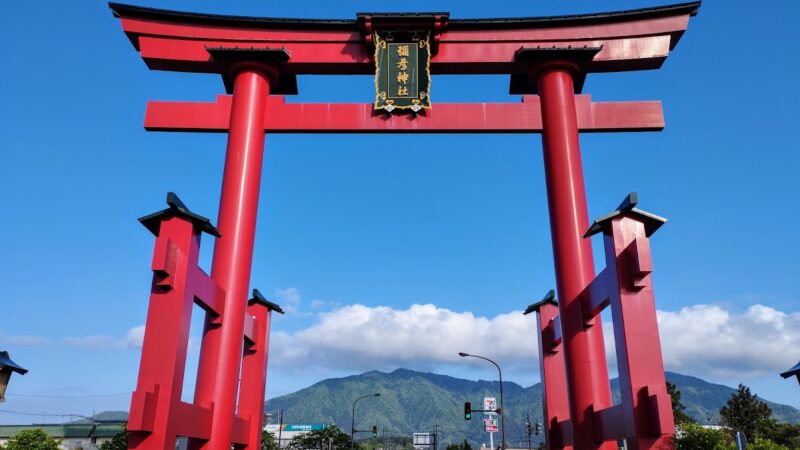
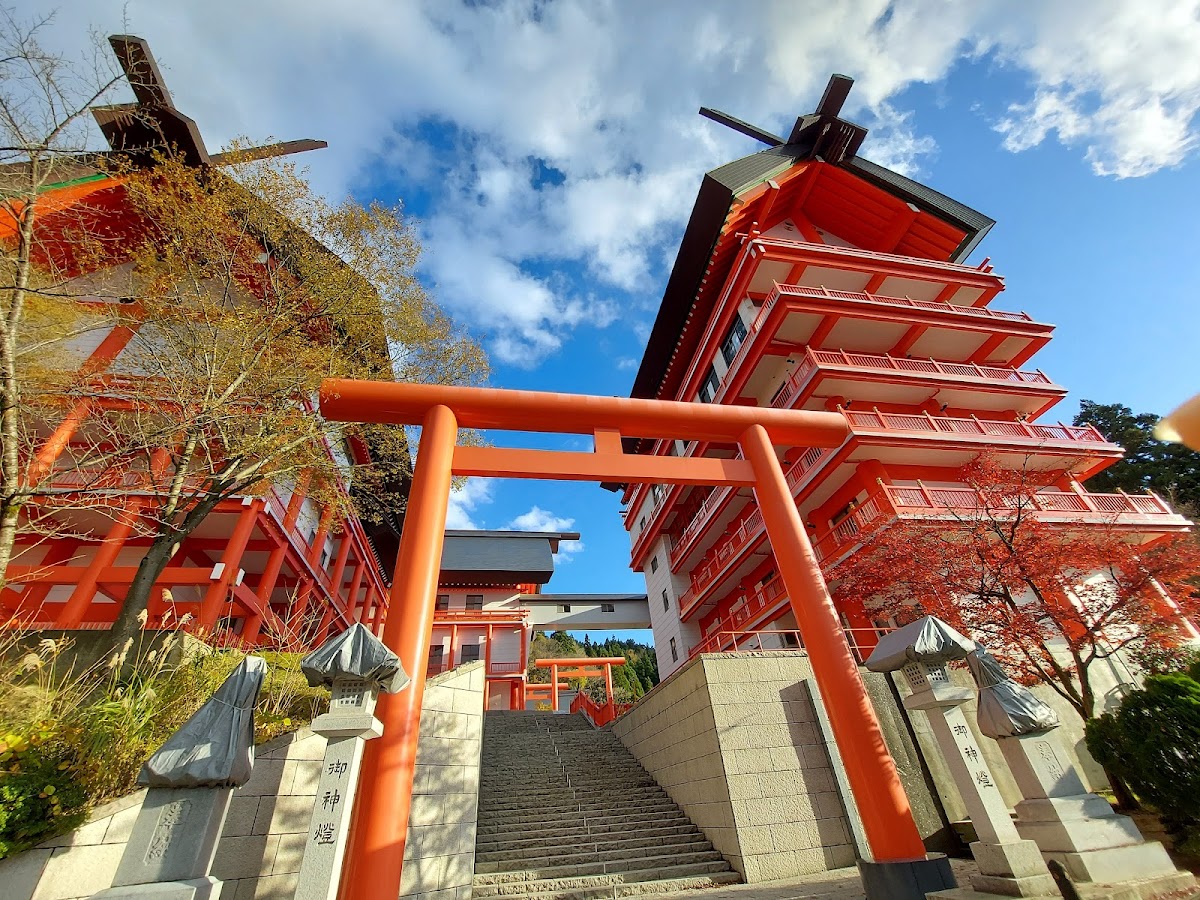
Kagoyama Shrine, located in Hirabayashi, Murakami City, Niigata Prefecture, is a historic shrine situated in the former Kamibayashi Village, Tsuzurayama area. Nestled west of the Hirabayashi Castle ruins, amidst tranquil rice paddies, this shrine has been a center of local faith for over 400 years since its founding in 1600. This article comprehensively covers everything you need to know before visiting, including the detailed history of Kagoyama Shrine, its enshrined deities, the characteristics of its grounds, access methods, and nearby attractions.
Basic Information about Kagoyama Shrine
Location: Hirabayashi, Murakami City, Niigata Prefecture (formerly Tsugurayama, Kanbayashi Village, Iwafune District)
Nearest Station: Approximately 1.5 km south-southeast from Hirabayashi Station on the JR Uetsu Main Line
Founded: Keicho 5 (1600)
Shrine Rank: Former Unranked Shrine
Former Name: Shinmei-gu Shrine
Kagoyama Shrine was known as “Shinmei-gu Shrine” until the Meiji era, but its current name was adopted in 1908 (Meiji 41) due to a shrine merger. It is within walking distance of Hirabayashi Station and is located in a quiet environment surrounded by rural scenery.
Deities Enshrined at Kagoyama Shrine
Due to multiple shrine mergers, Kagoyama Shrine enshrines the following four deities:
Amaterasu Omikami
Amaterasu Omikami, the principal deity enshrined here, is the supreme goddess in Japanese mythology and the deified sun. She has been worshipped since the time of the original Shinmei-gu shrine and is the same deity enshrined at the Inner Shrine of Ise Grand Shrine. She is believed to bestow blessings such as abundant harvests, national peace and security, and good fortune.
Prince Wakayoshiko
This deity was transferred from the Hachiman Shrine (established in 1597) in Minamida, Koya Village, which merged with this shrine in 1908 (Meiji 41). He has been revered in the region as a deity associated with Hachiman worship.
Susanoo-no-Mikoto
Similarly, this deity was transferred from the Yasaka Shrine (established in 1814) in Minamida, Tsuzurayama Village, which also merged with this shrine in 1908 (Meiji 41). Known as the younger brother of Amaterasu Omikami, he is believed to bestow blessings such as protection against misfortune, eradication of disease, and matchmaking. He is also famous as the principal deity of Yasaka Shrine in Kyoto.
Ukanomitama-no-Mikoto
This deity was enshrined in 1913 (Taisho 2) when the Inari Shrine (established in 1815), which was a subsidiary shrine within the grounds, was merged with the main shrine. Widely worshipped as Inari-sama, he is the god of grain and food, and is believed to bestow blessings of business prosperity and abundant harvests.
History and Origins of Kagoyama Shrine
From Founding to the Edo Period
The origins of Kagoyama Shrine can be traced back to the Shinmei-gu Shrine, founded in 1600 (Keicho 5), the year of the Battle of Sekigahara. The “Shrine Register” (compiled in 1884) records “Shinmei-gu Shrine, Minamida, Tsuzurayama Village, Iwafune District,” indicating that it was a shrine dedicated to Amaterasu Omikami and attracted local devotion.
At that time, the Tsuzurayama region was under the influence of the Irobe clan, a Sengoku period daimyo who had Hirabayashi Castle as their base, and had developed as a fertile rice paddy area in the lower reaches of the Arakawa River. It is believed that Shinmei-gu Shrine played an important role as a guardian shrine for agriculture in this region.
Shrine Consolidation in the Meiji Era
With the arrival of the Meiji era, the government’s policy of reorganizing shrines led to the consolidation and closure of small shrines throughout the country. Tsuzurayama Shrine was no exception, undergoing the following changes.
First Merger in 1908 (Meiji 41):
- Hachiman Shrine in Minamida, Koya Village (Founded in 1597, enshrining Prince Wakana-ko)
- Yasaka Shrine in Minamida, Tsuzurayama Village (Founded in 1814, enshrining Susanoo-no-Mikoto)
These two shrines were merged into Shinmei Shrine, and the shrine’s name was changed to “Kagoyama Shrine” (Kagoyama Jinja). This merger resulted in the enshrinement of Prince Wakana-ko and Susanoo-no-Mikoto in addition to Amaterasu Omikami.
Second Merger in 1913 (Taisho 2):
- Inari Shrine within the grounds (Founded in 1815, enshrining Ukanomitama-no-Mikoto)
The Inari Shrine, which originally existed as a subsidiary shrine within the grounds, was formally merged, and Ukanomitama-no-Mikoto was added as a deity. This established the current system of four enshrined deities.
Regarding the spelling of the shrine’s name
Two spellings are seen: “篭山神社” and “籠山神社.” These refer to the same shrine. “篭” and “籠” are variant characters, both pronounced “kago.” The official spelling is more commonly used.
Features and Highlights of the Shrine Grounds
Shinmei-zukuri Main Hall
The main hall of Kagoyama Shrine retains the architectural style of Shinmei-zukuri. Shinmei-zukuri is one of the oldest shrine architectural styles in Japan, exemplified by Ise Grand Shrine.
Characteristics of Shinmei-zukuri:
- Gable roof
- Hirairi (entrance on the long side of the building)
- Linear and simple structure
- Retains the style of ancient architecture
It is believed that this architectural style was adopted because the shrine was originally a Shinmei-gu (a shrine dedicated to Amaterasu Omikami). It is noteworthy that this traditional style has been maintained even after the merger of several shrines.
Atmosphere of the Shrine Grounds
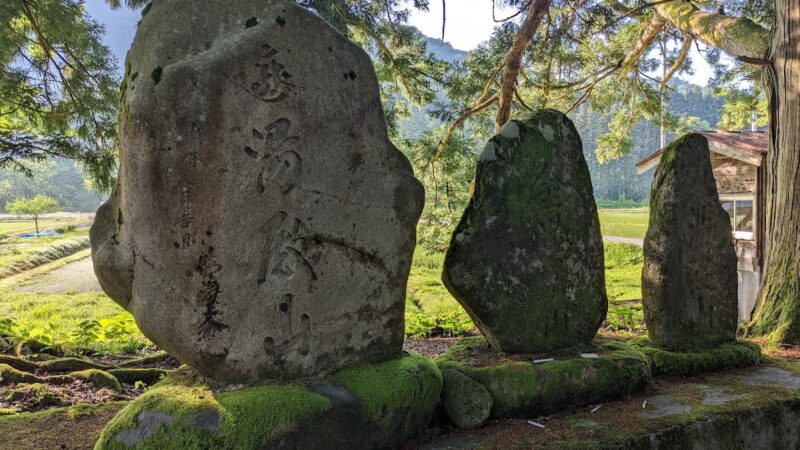
Kagoyama Shrine is located west of the Hirabayashi Castle ruins, amidst a vast rice paddy area. The surrounding area boasts a tranquil rural landscape typical of Niigata Prefecture, with beautiful scenery created by the fresh greenery in spring and the golden rice fields in autumn.
The shrine grounds are enveloped in a serene atmosphere and are cherished as a place of daily worship for the local people. Because it has not been developed into a large-scale tourist destination, a peaceful visit is possible.
Access Information
Access by Train
Nearest Station: JR Uetsu Main Line, Hirabayashi Station
Distance from Station: Approximately 1.5 km south-southeast
Travel Time: Approximately 20 minutes on foot
Hirabayashi Station is about 10 minutes from Murakami Station on the Uetsu Main Line. The shrine is within walking distance from the station, but since you will be walking through a rural area, appropriate clothing for the weather and season is recommended.
Access by Car
Nearest Interchange: Nihonkai Tohoku Expressway, Kanbayashi-Iwafune Port IC
Distance from IC: Approximately 5km
Travel Time: Approximately 10 minutes
From Niigata City, head north on National Route 7 towards Murakami City. Exit at Kanbayashi-Iwafune Port IC and head towards Hirabayashi.
Parking Information
As this is a small shrine, there is no dedicated large parking lot, but there is space for visitors. On days when crowds are expected, such as New Year’s Day or the annual festival, please consider using public transportation.
Address and Postal Code
Postal Code: 959-3431
Address: Hirabayashi, Murakami City, Niigata Prefecture (formerly Tsuzurayama, Kanbayashi Village, Iwafune District)
When using a car navigation system, it is recommended to search for “Hirabayashi, Murakami City, Niigata Prefecture” and look for the shrine within the Hirabayashi area.
Nearby Attractions and Tourist Spots
Hirabayashi Castle Ruins (National Historic Site)
Located approximately 1 km east of Kagoyama Shrine, the Hirabayashi Castle Ruins are designated as a national historic site as a castle ruin from the Sengoku period.
History:
Until the Nanboku-cho period, it was the residence of the Hirabayashi Kuranosuke family, but afterwards, it became the residence of the Irobe clan, a powerful daimyo of Echigo Province during the Sengoku period. The Irobe clan were influential warriors who served Uesugi Kenshin, and Hirabayashi Castle was an important base in northern Echigo.
Highlights:
- Well-preserved remains such as earthworks and dry moats
- Learn about the structure of medieval castles
- Harmony with the surrounding rural landscape
Visiting the castle ruins will give you a deeper understanding of the historical background around 1600 (Keicho 5), when Kagoyama Shrine was founded.
Senganji Horoha-do (Murakami City Designated Cultural Property)
A representative historical building of the Hirabayashi area, designated as a cultural property of Murakami City. Horoha-do Temple possesses a unique architectural style and is a valuable heritage site that tells the story of the region’s religious history.
Arakawa River (Japan’s Cleanest River)
The Hirabayashi area is located on the north bank of the lower reaches of the Arakawa River, which originates in the Echigo Mountains. The Arakawa River is known as “Japan’s cleanest river,” and its beautiful waterside scenery captivates visitors.
Things to Enjoy:
- Strolling along the riverbank
- Observing nature in all four seasons
- A popular fishing spot
Murakami City Center
To the north of the Hirabayashi area lies the center of Murakami City, which flourished as a castle town.
Murakami Highlights:
- Murakami Castle Ruins (One of Japan’s 100 Famous Castles)
- Historical townscape with samurai residences and merchant houses
- Murakami Grand Festival (held in July, featuring magnificent floats)
- Local specialties such as salmon dishes and Murakami tea
Combining sightseeing in Murakami city center with a visit to Kagoyama Shrine will create a more fulfilling itinerary.
Characteristics and Charms of the Hirabayashi Area
The Hirabayashi area, where Kagoyama Shrine is located, is situated in the southeastern part of the Kanbayashi district of Murakami City and is blessed with rich nature and history.
A Treasure Trove of Historical Resources
The Hirabayashi area is dotted with numerous historical resources, including the aforementioned Hirabayashi Castle Ruins and Senganji Horohado Temple. Traces of history from the Sengoku period to the Edo period can be seen everywhere, making it a fascinating area for history enthusiasts.
Agriculture and Nature
Rice cultivation thrives in the fertile lower reaches of the Arakawa River, creating a beautiful rural landscape characteristic of Niigata Prefecture. The area displays different expressions in each season: spring rice planting, summer’s lush green rice fields, autumn’s golden rice stalks, and winter’s snowscapes.
Community Development Activities
The Hirabayashi Regional Community Development Council is at the center of community development activities that utilize the region’s historical and cultural resources. Local residents are taking the lead in preserving historical heritage and promoting tourism.
Manners and Precautions for Visiting a Shrine
Basic Etiquette for Visiting a Shrine
- Bow Before Passing Through the Torii Gate
Bow slightly before entering the sacred area.
- Purify Yourself at the Water Basin
Purify your left hand, then your right hand, and finally rinse your mouth.
- Walk Along the Edge of the Path
The center is considered the path of the gods.
- Etiquette at the Worship Hall
The basic procedure is two bows, two claps, and one bow.
Notes for Visitors
- Dress Code: There are no strict regulations, but it is desirable to wear clothing that is appropriate for a sacred place.
- Photography: Photography is generally permitted within the grounds, but please be mindful of areas where photography is prohibited, such as inside the main hall.
- Quietness: As this is a place of worship for the local community, please pray quietly.
- Litter: Please take all your trash with you.
Seasonal Highlights
Spring (March-May):
The season of fresh greenery. Rice planting begins, and the flooded rice paddies create a beautiful landscape.
Summer (June-August):
The season when the rice plants grow lush and green. Please take precautions against the heat when visiting.
Autumn (September-November):
The most beautiful season, when the rice stalks shine golden. You can witness the harvest.
Winter (December-February):
A tranquil landscape covered in snow. Warm clothing is essential.
Kagoyama Shrine and Local Shrine Culture
Shrine Beliefs in Niigata Prefecture
Niigata Prefecture has long been a region where rice cultivation flourished, and shrine beliefs praying for abundant harvests are deeply rooted. Kagoyama Shrine is one such shrine, watching over the local agriculture.
There are many Shinto shrines in Niigata Prefecture that enshrine Amaterasu Omikami as their main deity, demonstrating the spread of Ise faith. Furthermore, Yasaka shrines dedicated to Susanoo-no-Mikoto and Inari shrines dedicated to Ukanomitama-no-Mikoto are found throughout the region. Kagoyama Shrine, formed by the merger of these shrines, can be said to encapsulate the history of local shrine beliefs.
Shrine Merger Policy in the Meiji Era
The Meiji government promoted the consolidation and reorganization of shrines, advocating a policy of one shrine per village. As a result, many small shrines were merged or abolished throughout the country. In the case of Kagoyama Shrine, the current form was created by the merger of three independent shrines (Shinmei-gu, Hachiman-gu, and Yasaka Shrine) and one subsidiary shrine (Inari Shrine). This process serves as a concrete example of how religious policies during the Meiji period influenced local faith.
Contact Information
For specific inquiries regarding Kagoyama Shrine, please use the following methods:
Murakami City Hall, Kanbayashi Branch
General information regarding local shrines can be obtained from the Murakami City Hall, Kanbayashi Branch.
Murakami City Hall Main Number: 0254-53-2111 (Main Number)
Hirabayashi Regional Community Development Council
Information regarding the history and cultural resources of the Hirabayashi region is also provided by the Hirabayashi Regional Community Development Council. Information is available on the official Murakami City website.
Niigata Prefecture Shrine Association, Iwafune Branch
Specialized inquiries regarding shrines may be handled by the Niigata Prefecture Shrine Association, Iwafune Branch.
Summary: The Value of Visiting Kagoyama Shrine
Kagoyama Shrine is a historical and deeply religious shrine nestled in the quiet rural area of Hirabayashi, Murakami City, Niigata Prefecture. Since its founding in 1600 (Keicho 5), it has watched over the region for over 400 years.
Worth Visiting:
- Historical Value: Experience the tradition of the Shinmei-gu shrine, which has continued since the early Edo period, and the history of shrine mergers during the Meiji era.
- Architectural Value: The main hall, which retains the flavor of the Shinmei-zukuri style, is valuable for understanding traditional Japanese shrine architecture.
- Natural Environment: Enjoy a peaceful visit amidst the beautiful rural landscape typical of Niigata Prefecture.
- Nearby Sightseeing: It’s possible to combine a visit with sightseeing in the area, including the Hirabayashi Castle ruins and the Murakami city center.
- Regional Culture: It’s an ideal entry point to understanding the history and culture of the Hirabayashi region.
As it’s not a large-scale tourist shrine, one of its charms is that you can avoid crowds and worship at your own pace. If you’re touring shrines in Niigata Prefecture, exploring the history of Murakami City, or driving along the Sea of Japan coast, be sure to visit Kagoyama Shrine.
Kagoyama Shrine, where four deities are enshrined, is still cherished by the local people as a shrine that bestows various divine blessings, including good fortune, abundant harvests, protection from evil, and business prosperity. Away from the hustle and bustle of the city, spending time quietly worshipping amidst the tranquil rural scenery will bring peace and refreshment to visitors.