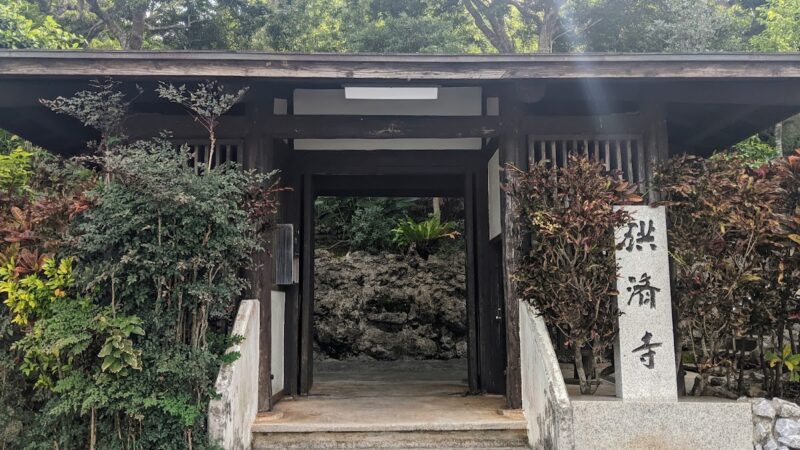
Okinomiya Shrine (Okinawa Prefecture) Complete Guide: A Thorough Explanation of the History, Benefits, and Access to the Eight Ryukyu Shrines
Okinomiya Shrine, located within Ogiyama Park in Naha City, Okinawa Prefecture, is one of the eight Ryukyu shrines that have received special treatment since the Ryukyu Kingdom era. This shrine, which began with the enshrinement of a mystical sacred tree that drifted ashore in Naha Port, is an important sacred site that conveys Okinawa’s history and faith, and is cherished not only by locals but also by visitors from outside the prefecture.
This article will fully explain the charm of Okinomiya Shrine, from its founding to the present day, including its history, enshrined deities and benefits, highlights of the grounds, information on goshuin (shrine stamps), and access methods.
What is Okinomiya Shrine?: A Historic Shrine Counted Among the Eight Ryukyu Shrines
Okinomiya Shrine is located at 44 Ogiyama-cho, Naha City, Okinawa Prefecture, in the eastern part of the Okinawa Prefectural Ogiyama Park. It is counted as one of the eight Ryukyu Shrines designated under the “Ryukyu Eight Shrines (Official Shrines) System,” which granted special treatment to the Ryukyu Kingdom’s royal government.
The Ryukyu Eight Shrines refer to a group of shrines officially recognized and protected by the Ryukyu Kingdom’s royal government during the Ryukyu Kingdom era: Naminoue Shrine, Okinomiya Shrine, Shikina Shrine, Futenma Shrine, Sueyoshi Shrine, Asato Hachiman Shrine, Ameku Shrine, and Kin Shrine. These were important religious facilities symbolizing Ryukyu culture, where unique Ryukyuan beliefs and Shinto introduced from mainland Japan merged.
Currently, Okinomiya Shrine is not granted a shrine rank under the modern shrine ranking system and continues to operate independently as an unranked shrine (unranked shrine) not belonging to the Association of Shinto Shrines. However, its historical and cultural value is extremely high, and it is widely recognized as a representative sacred site of Okinawa.
The History of Okimiya Shrine: From the Legend of the Sacred Tree in Naha Port to the Present Day
Origin of its Founding: The Sacred Tree of Penglai Washed Ashore in Naha Port
A mystical legend surrounds the founding of Okimiya Shrine. During the reign of the Ryukyu King, a shining object was discovered washed ashore in Naha Port. Astonished by this miraculous phenomenon, the Ryukyu King ordered his retainers to investigate, but they recovered only a dead tree.
However, this tree emitted an extraordinary, divine aura, leading to the conclusion that “this is the sacred tree of Penglai.” Penglai is a mythical paradise in Chinese legend, said to be the dwelling place of immortal hermits, indicating the sacredness of this tree. The Ryukyu King viewed this sacred tree as divine guidance and built a shrine on the seashore to enshrine it, marking the beginning of Okimiya Shrine.
The Role of Okinomiya Shrine in the Ryukyu Kingdom Era
According to records, Okinomiya Shrine was officially founded in 1451 during the reign of King Sho Kinpuku. During the Ryukyu Kingdom era, Okinomiya Shrine received generous protection from the royal government as one of the eight major Ryukyu shrines and was an important place where national rituals were performed.
In particular, Okinomiya Shrine had a deep faith in Ryugu-shin (the Dragon Palace God), who governs the sea, and was also known as the “Shrine of the Sea God.” For the Ryukyu Kingdom, a maritime nation, the worship of the sea god, praying for safe voyages and abundant catches, was extremely important, and Okinomiya Shrine played a central role in this.
Changes and Relocation to the Current Location in Modern Times
Originally, Okinomiya Shrine was located on the coast near Naha Port, but due to the development of Naha Port after the Meiji era and the effects of World War II, it was forced to relocate several times. After the post-war reconstruction period, it came to be located within the current Ogiyama Park.
The current location within Ogiyama Park is at the foot of Tentozan Mountain, widely known as the oldest sacred site. Mount Tentozan has long been considered a sacred place, and the presence of Okimiya Shrine in this location speaks to its importance in Ryukyuan beliefs.
Even in the Reiwa era, Okimiya Shrine continues to attract the faith of many people as a guardian deity of the region and a valuable cultural asset that conveys the history and culture of Okinawa.
Deities Enshrined: Gods enshrined at Okimiya Shrine
Okimiya Shrine enshrines several deities, each possessing different divine virtues.
Main Deities
The main deities enshrined at Okimiya Shrine are the following:
- Tenjukume Ryugu-o Onkami: Also known as Ryugu-jin (Dragon Palace God), revered as the guardian deity of the sea. Believed to bestow blessings of safe voyages and prosperous fishing.
- Tenryu Oomikami: The god who governs the heavens and dragons, believed to govern weather and natural phenomena.
- Amekushin Otomeou Onkami: As a guardian deity of women, she is believed to grant blessings for safe childbirth and child-rearing.
These deities are worshipped in a way that blends unique Ryukyuan beliefs with Shintoism from mainland Japan, strongly reflecting the characteristics of Okinawa’s religious culture.
Characteristics of Ryugu-jin Worship
At the heart of the worship at Okimiya Shrine is the reverence for Ryugu-jin (the Dragon Palace God). Ryugu-jin, as the god of the sea and water, has long been deeply revered in Ryukyu. In Okinawa, surrounded by the sea, the sea was both a source of blessings that provided sustenance and a threat that brought typhoons and high waves.
Therefore, prayers to Ryugu-jin, the god of the sea, were earnest wishes for safe voyages, abundant catches, and protection from maritime disasters. Even today, many people involved in fishing and shipping visit the shrine, and Ryugu-jin worship continues as a living faith.
Benefits of Okimiya Shrine: What Wishes Can Be Granted?
Okimiya Shrine is believed to offer various benefits, but the main ones are as follows:
Maritime Safety and Navigational Safety
This is the most representative benefit of Okimiya Shrine, which enshrines the Dragon Palace God. Fishermen, sailors, and those who enjoy marine sports pray here for safety at sea.
Business Prosperity and Success
In Okinawa, which has a history of prospering through maritime trade during the Ryukyu Kingdom era, the benefit of business prosperity has been believed in since ancient times.
Matchmaking and Family Safety
As a guardian deity for women is also enshrined here, it is believed to offer benefits for finding a good match, family harmony, and marital harmony.
Safe Childbirth and Child-Rearing
Due to the divine virtues of the goddess Amekuomi Otohime, many worshippers visit to pray for safe childbirth and the healthy growth of their children.
Good Fortune and Protection from Evil
Okinomiya Shrine, also known as a power spot, is popular with people seeking improved luck and protection from evil. Many visitors feel the high energy of the shrine grounds, and it is also cherished as a place for spiritual purification and energy recharge.
Highlights of the Shrine Grounds: Must-See Spots at Okinomiya Shrine
Main Hall: Impressive Pure White Shrine
The main hall of Okinomiya Shrine is characterized by its pure white structure located in the center of the grounds. Shining brightly in the strong Okinawan sunlight, the white shrine exudes a pure and sacred atmosphere. Many visitors say that the energy of prayer gathers in front of the main hall, and that the energy of the place is very high.
When praying, quiet your mind, face the deity, and express your gratitude and wishes.
Subsidiary Shrines: Various Deities Enshrined on the Grounds
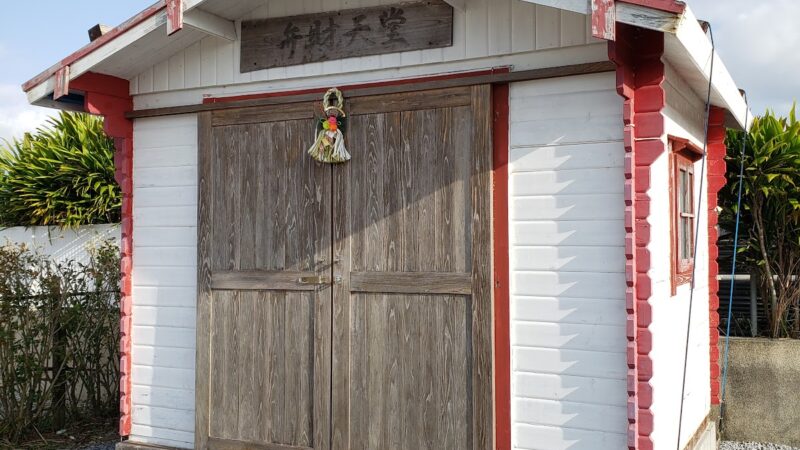
In addition to the main hall, several subsidiary shrines are located on the grounds. Each shrine enshrines a different deity, and visitors can pray for various blessings. By carefully visiting each shrine within the grounds, you can receive deeper divine blessings.
Tentozan Mountain: Located at the Foot of the Oldest Sacred Site
Okinomiya Shrine is located at the foot of Tentozan Mountain, known as the oldest sacred site. Tentozan Mountain has been revered as a sacred mountain since ancient times, and the presence of Okinomiya Shrine in this location demonstrates its importance in Ryukyuan faith.
By gazing at Tentozan Mountain from the shrine grounds, you can reflect on the history of Okinawan faith that has continued since ancient times.
Harmony with Ogiyama Park
Okinomiya Shrine is located within the prefectural Ogiyama Park, harmonizing with the park’s lush green environment. You can refresh yourself in nature by strolling through the park before or after your visit.
The park also has sports facilities such as a baseball field and an athletics track, and is bustling with people on weekends. Visiting the shrine in conjunction with watching sports or family leisure is also recommended.
Okinomiya Shrine ## Goshuin Information: How to Obtain a Goshuin at Okinomiya Shrine
Goshuin Reception Hours and Location
You can obtain a goshuin (shrine stamp) at Okinomiya Shrine. The reception hours are usually the same as the shrine office’s opening hours, 9:00 AM to 5:00 PM. However, these hours may change due to religious ceremonies or events, so it is recommended to call ahead to confirm if you wish to obtain a goshuin.
Contact Information: 098-857-3293
Goshuin Design and Features
The Okinomiya shrine’s goshuin features the shrine’s name and the date of visit written in ink, followed by a red seal. As one of the eight Ryukyu shrines, the Okinomiya shrine’s goshuin is a valuable memento of your Okinawan shrine pilgrimage.
You can bring your own goshuincho (stamp book) or purchase one on-site (subject to availability).
Etiquette When Obtaining a Goshuin
A goshuin is received as proof of your visit. Please be sure to complete your prayers before receiving your Goshuin (temple/shrine stamp). Also, please observe the following manners when receiving your Goshuin:
- Complete your prayers first
- Present your Goshuincho (stamp book) open
- Prepare the offering (usually around 300-500 yen)
- Request politely
- Wait quietly while the stamp is being written
About Prayers and Shichi-Go-San (7-5-3 Festival)
Types of Prayers and Reception
At Okinomiya Shrine, you can receive various prayers. The main purposes of prayers include:
- Family Safety
- Business Prosperity
- Safe Voyages
- Traffic Safety
- Protection from Evil
- Safe Childbirth
- First Shrine Visit for a Newborn
- Shichi-Go-San (7-5-3 Festival)
- Success in Exams
- Recovery from Illness
If you wish to receive a prayer, we recommend making a reservation by phone in advance. While same-day registration is possible, there may be waiting times due to Shinto rituals.
Shichi-Go-San Celebration
Okinomiya Shrine accepts Shichi-Go-San prayers. Shichi-Go-San is an important event celebrating a child’s growth and praying for their continued healthy development. In Okinawa, as in mainland Japan, the custom of celebrating at shrines at the milestones of 3, 5, and 7 years old is widespread.
The Shichi-Go-San season (October-November) is expected to be crowded, so early reservations are recommended.
About the Offering Fee
The offering fee for prayers varies depending on the type and content of the prayer. Generally, it starts from 5,000 yen, but please contact the shrine directly for details.
Access: How to get to Okinomiya Shrine
Location
Address: 44 Okuyama-cho, Naha City, Okinawa Prefecture 900-0026
Access by Monorail (Yui Rail)
The most convenient way to access Okinomiya Shrine is by using the Okinawa Urban Monorail (Yui Rail).
Nearest Station: Ogiyama Park Station
After alighting at Ogiyama Park Station, Okimiya Shrine is approximately a 3-5 minute walk away. The route from the station through the park is easy to follow, and there are signs to guide you.
Access is excellent, approximately 10 minutes from Naha Airport by Yui Rail, and approximately 5 minutes from central Naha (Kencho-mae Station).
Access by Car
If visiting by car, it’s about a 10-minute drive from central Naha. Access is possible via National Route 331 or National Route 58.
When using a car navigation system, searching for “Okimiya Shrine” or “Ogiyama Park” is recommended.
Parking Information
Okimiya Shrine has its own parking lot with space for over 100 cars. Parking is usually not a problem, but it may be crowded during New Year’s visits and festivals.
Parking is free. However, on days when large-scale events or sports competitions are held in Ogiyama Park, the entire park becomes crowded, so using public transportation is recommended. ### Access by Bus
The shrine is also accessible by local buses running within Naha City. Get off at the “Ogiyama Park” bus stop and it’s a few minutes’ walk from there. However, it’s recommended to check the bus schedule and frequency in advance.
Etiquette for Worship: The Correct Way to Worship at Okinomiya Shrine
Basic Worship Etiquette
Worship at Okinomiya Shrine follows the same etiquette as at any other shrine:
- Bow Before Passing Through the Torii Gate: Bow before entering the shrine grounds, in front of the torii gate.
- Purify at the Water Basin: Purify your hands and mouth at the water basin.
- Hold the ladle in your right hand and wash your left hand.
- Switch the ladle to your left hand and wash your right hand.
- Switch the ladle back to your right hand, receive water in your left hand, and rinse your mouth.
- Finally, hold the ladle upright and rinse the handle.
- Proceed to the main shrine: The center of the approach is considered the path of the gods, so walk along the edge.
- Offer your donation: Quietly place your donation.
- Two bows, two claps, one bow:
- Bow deeply twice.
- Clap your hands twice at chest height.
- Pray sincerely.
- Finally, bow deeply once.
- Bow upon leaving: When leaving the shrine grounds, turn around and bow after passing through the torii gate.
Okinawa’s unique worship culture
Okinawan shrines sometimes exhibit unique forms of worship that differ from those of mainland Japan. Some locals practice the ancient Ryukyuan way of worship. It is important to understand and respect the various forms of worship.
Annual Events and Festivals at Okinomiya Shrine
Main Annual Events
Okinomiya Shrine holds various festivals throughout the year:
- Hatsumode (January 1st-3rd): Bustling with worshippers praying for happiness in the new year.
- Setsubun Festival (February): A festival praying for protection from evil and for good fortune.
- Reitaisai (Annual Grand Festival): The most important annual event at Okinomiya Shrine, where traditional Shinto rituals are performed.
- Shichi-Go-San (October-November): Many worshippers visit to celebrate the growth of children.
- Year-End Purification Ceremony (December 31st): A Shinto ritual to purify and cleanse away the impurities of the year.
For detailed dates and content of festivals, we recommend checking the official website or calling.
Special Prayer Days
In Okinawa, many events are based on the lunar calendar, and Okinomiya Shrine also holds ceremonies according to the lunar calendar. Especially during the Lunar New Year and the Obon festival, many locals visit the shrine.
Tourist Spots Around Okinomiya Shrine
Ogiyama Park
Ogiyama Park, where Okinomiya Shrine is located, is a popular recreational spot for Naha residents. It boasts excellent sports facilities, including a baseball field, athletics track, and martial arts hall, and often hosts sporting events on weekends.
The park is lush with greenery, and you can see people enjoying walks and jogging. A stroll through the park before or after visiting the shrine is highly recommended for relaxation.
Naminoue Shrine
Naminoue Shrine, also one of the eight Ryukyu shrines, is located in Wakasa, Naha City. It’s about a 15-minute drive from Okinomiya Shrine, making it a recommended spot to visit when touring the eight Ryukyu shrines.
Naminoue Shrine is situated on a cliff and is known as a spectacular viewpoint overlooking the beautiful sea below.
Kokusai Street
Located in the heart of Naha City, Kokusai Street is Okinawa’s largest shopping and entertainment district. Lined with souvenir shops, restaurants, and hotels, it’s a bustling hub for tourists visiting Okinawa.
It’s about a 15-minute drive from Okinomiya Shrine, and easily accessible by the Yui Rail monorail.
Shuri Castle Park
Shuri Castle, a symbol of the Ryukyu Kingdom, is a must-see tourist spot when visiting Naha City. Although the main hall and other buildings were destroyed in a fire in 2019, reconstruction work is currently underway, and visitors can observe the restoration process.
Shuri Castle Park is about a 20-minute drive from Okinomiya Shrine, and is also accessible by the Yui Rail monorail.
Okinomiya Shrine as a Power Spot
A Place to Listen to the Voice of Your Soul
Okinomiya Shrine is also known as a “power spot to listen to the voice of your soul.” It is said that by calming your mind in the tranquil atmosphere of the shrine grounds, you can listen to your own inner voice. For those seeking to escape the hustle and bustle of everyday life and have time to reflect on themselves, Okinomiya Shrine is the perfect place.
A Sacred Site with High Vibrations
Many visitors report feeling high vibrations and energy within the grounds of Okinomiya Shrine. Especially in front of the main hall, many feel a sense of purification of mind and body as the energy of prayers converges.
For those seeking a spiritual experience, Okinomiya Shrine holds special significance as a sacred site.
The Energy of the Dragon Palace God
The energy of the Dragon Palace God, who governs the sea, is said to symbolize flow and change. For those facing a turning point in their lives or about to start something new, the energy of the Dragon Palace God may provide a powerful push forward.
Precautions When Visiting Okinomiya Shrine
Regarding Attire
While there are no strict dress code regulations for visiting, please dress appropriately as it is a sacred place. Especially if you are receiving prayers, it is best to avoid overly casual or revealing clothing.
Regarding Photography
Photography is generally permitted within the shrine grounds, but please refrain from taking photos inside the main hall or during Shinto rituals. Please also be considerate of the privacy of other visitors.
If you have any concerns about photography, it is advisable to check with the shrine office.
Regarding Pets
Bringing pets to shrine grounds is generally restricted. It is recommended to check in advance whether pets are allowed at Okimiya Shrine.
Visiting Hours
Entry to the shrine grounds is generally free, but the shrine office is open from 9:00 to 17:00. If you wish to receive a Goshuin (shrine stamp) or prayers, please visit during these hours.
If visiting early in the morning or after sunset, please be extra careful of your surroundings and safety.
Frequently Asked Questions
Is there an entrance fee for Okimiya Shrine?
There is no entrance fee for visiting Okimiya Shrine. You can visit freely. However, a donation is required if you wish to receive prayers.
How much does a Goshuin (temple/shrine stamp) cost?
The offering fee for a Goshuin is generally around 300 to 500 yen. Please check with the shrine office for details.
Is parking free?
Parking at Okinomiya Shrine is free. There is parking for over 100 cars.
Is it accessible for wheelchair users?
While the shrine grounds are barrier-free, there are some areas with steps. If you wish to visit in a wheelchair, we recommend contacting us by phone in advance.
I would like to visit the other Ryukyu Eight Shrines in Okinawa. Do you have any recommended routes?
The Ryukyu Eight Shrines are scattered throughout the central and southern parts of Okinawa Island. A recommended plan is to visit Naminoue Shrine, Okinomiya Shrine, and Shikina Shrine in Naha City in one day, and then visit Futenma Shrine, Sueyoshi Shrine, and others in the central part of Okinawa on a separate day. Using a rental car will allow you to visit them efficiently.
Summary: Experiencing Ryukyu History and Faith at Okinomiya Shrine
Located within Ogiyama Park in Naha City, Okinawa Prefecture, Okinomiya Shrine is one of the eight Ryukyu shrines dating back to the Ryukyu Kingdom era, boasting a long history and deep faith. Its mystical founding legend, which involves the enshrinement of a sacred tree that drifted ashore in Naha Port, its fervent devotion to the Ryugu-jin (Dragon Palace God) who governs the sea, and its location at the foot of the oldest sacred site, Tentozan Mountain, all demonstrate Okinomiya’s special place in Ryukyu’s religious culture.
The striking white main hall, the pure air permeating the grounds, and its appeal as a power spot with high vibrations attract not only locals but also visitors from outside Okinawa and even overseas.
Its easy accessibility, just a few minutes’ walk from Ogiyama Park Monorail Station, is another major attraction. It’s a convenient stop during Naha sightseeing, allowing visitors to experience Okinawa’s history, culture, and world of faith.
Many people visit Okinomiya Shrine seeking various blessings such as safe voyages, business prosperity, matchmaking, and safe childbirth, or simply to find peace of mind and recharge their energy. When you visit Okinawa, we encourage you to visit Okinomiya Shrine and offer a quiet prayer in this sacred place steeped in Ryukyuan history.
We hope your visit to Okinomiya Shrine will be a memorable and special experience for you.