Futenma-san Jingu-ji Temple (Okinawa Prefecture) Complete Guide: History, Goshuin (Temple Seal), and Access Information
What is Futenma-san Jingu-ji Temple?
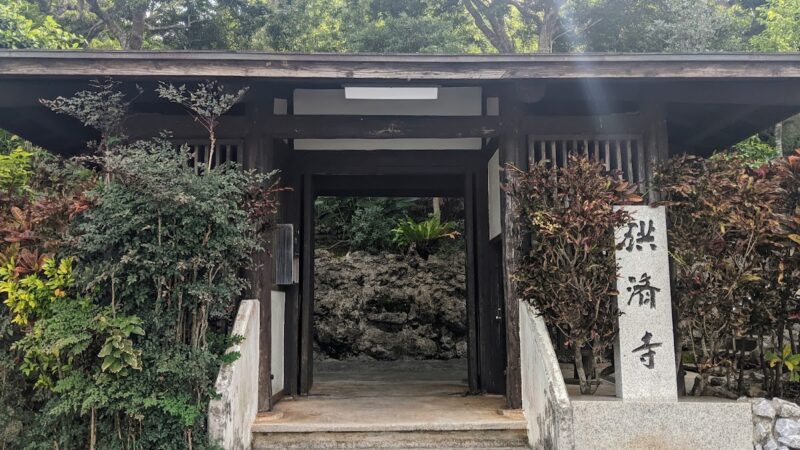
Futenma-san Jingu-ji Temple is a Shingon Buddhist temple located in Futenma, Ginowan City, Okinawa Prefecture. As a sacred site of syncretism of Shinto and Buddhism, integrated with Futenma Shrine, it has attracted the faith of many people from the Ryukyu Kingdom era to the present day.
Located in the central part of Okinawa Island, this temple is not merely a tourist destination but plays an important role as a spiritual pillar of the region. The temple grounds contain a mystical limestone cave, attracting attention as a power spot.
Characteristics of Shinto-Buddhist Syncretism
The most distinctive feature of Futenma-san Jingu-ji Temple is that it still maintains the form of syncretism of Shinto and Buddhism, where a shrine and a temple are integrated. While many Jingu-ji temples on the mainland were abolished due to the Meiji-era separation of Shinto and Buddhism, Okinawa maintained the unique form of faith of the Ryukyu Kingdom.
It still functions as the head temple of Futenma Shrine, and Shinto rituals and Buddhist ceremonies are held on the same grounds. This unique religious culture is a crucial element in understanding Okinawan history.
History of Futenma-san Jinguji Temple
Origin of Founding
Several legends remain regarding the founding of Futenma-san Jinguji Temple. The most widely accepted theory suggests it was founded around the 15th century during the Ryukyu Kingdom era, by inviting the Kumano Gongen deity.
The Ryukyu Kingdom adopted various religious cultures through trade with China, Japan, and Southeast Asia. Buddhism, in particular, flourished under the protection of the royal government, and temples were built throughout the region. Futenma-san Jinguji Temple is believed to have been established within this context.
Role during the Ryukyu Kingdom Era
During the Ryukyu Kingdom era, Futenma-san Jinguji Temple held an important position as a regional religious center. With support from the royal government, many monks dedicated themselves to their training, and it served as a place of worship for the local residents.
In Okinawa at that time, a unique form of belief had formed, a blend of Buddhism, the indigenous Ryukyuan sacred site (Utaki) faith, and Shintoism. Futenma-san Jinguji Temple served as a symbolic presence, and records indicate that it performed various religious ceremonies.
Modern and Contemporary Changes
During the Meiji era, Okinawa was incorporated into Japan through the Ryukyu annexation. However, unlike mainland Japan, the separation of Shinto and Buddhism was not thoroughly enforced, allowing Futenma-san Jinguji Temple to maintain its relationship with Futenma-gu Shrine.
During World War II, it suffered significant damage in the Battle of Okinawa, but was rebuilt through the efforts of local residents during the postwar reconstruction. Today, it functions as a valuable cultural heritage site in Okinawa and as an active place of worship.
Highlights within the Temple Grounds
Futenma-gu Limestone Cave
The greatest highlight of Futenma-san Jinguji Temple is the mystical limestone cave within its grounds. This cave is a sacred area where the deity of Futenma-gu Shrine is enshrined, and has been an object of worship since ancient times.
The limestone cave is approximately 280 meters long and contains numerous beautiful stalactites formed by nature. The cave maintains a temperature of approximately 18 degrees Celsius throughout the year, making it a cool space in summer and warm in winter.
Visitors can tour the cave after registering at the temple office. However, as it is a sacred place, a reverent attitude is required during the visit.
Main Hall and Buddhist Statues
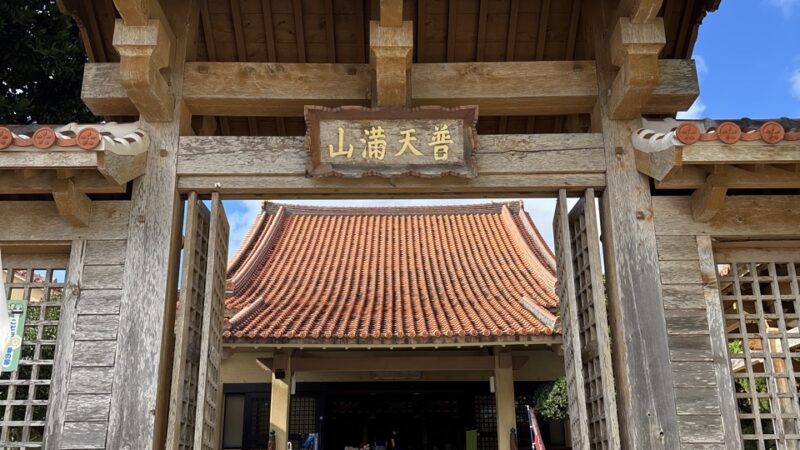
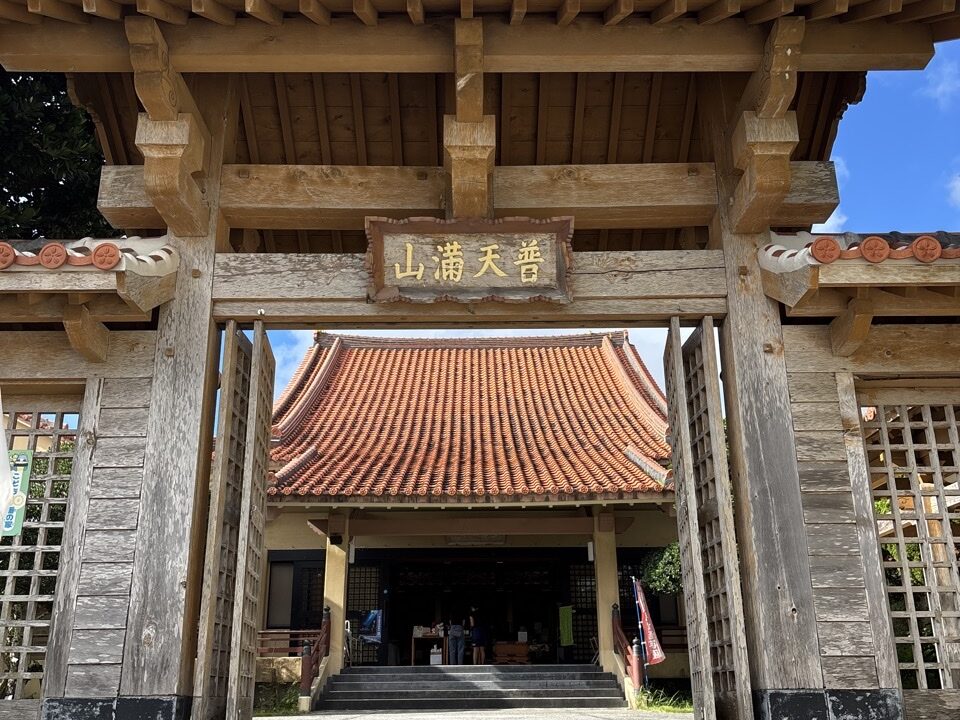
The main hall of Futenma-san Jinguji Temple houses various Buddhist statues, including the principal image. As a Shingon Buddhist temple, it offers a solemn space based on the teachings of Esoteric Buddhism.
The architectural style of the main hall is unique to Okinawa, and is designed to withstand natural disasters such as typhoons. Although rebuilt after the war, it follows traditional styles, offering insights into the characteristics of Okinawan temple architecture.
Nature on the Temple Grounds
The temple grounds are lush with subtropical plants, creating a unique atmosphere. You can observe Okinawan vegetation, such as large banyan trees and cycads.
Especially from spring to summer, colorful flowers bloom, delighting the eyes of visitors. The temple grounds, integrated with nature, provide a calming and healing space.
Attractiveness as a Power Spot
The Mysterious Energy of the Cave
The limestone cave at Futenma-san Jinguji Temple is known as a powerful power spot. The cave space, extending deep underground, has been considered a sacred place since ancient times, and it has been believed to possess special energy.
Many visitors report experiencing peace of mind or having their wishes granted within the cave. While not scientifically proven, the power of faith cultivated over a long history may be influencing visitors.
The Energy of Shinto-Buddhist Syncretism
At Futenma-san Jinguji Temple, where Shinto and Buddhism are fused, you can feel the energy of both religions simultaneously. The pure energy of the shrine and the compassionate energy of the temple harmonize to create a unique spiritual atmosphere.
This place is said to hold special significance, especially for those seeking purification of the heart and spiritual growth.
Prayers for Matchmaking and Fertility
Futenman-san Jinguji Temple is visited by many couples and married couples seeking blessings for matchmaking and fertility. Inside the cave, there is a stalactite called “Milk Rock,” which is said to bring good fortune in conceiving children.
In fact, there are many reports of people conceiving after praying here, making it a well-known fertility spot in the region.
Goshuin (Temple Seal) Information
Types of Goshuin
Futenman-san Jinguji Temple offers its own temple seal. In addition to the Futenma Shrine seal, you can receive a unique temple seal.
The seal features the calligraphy of “Futenman-san Jinguji” and the temple’s seal. The calligraphy is powerful and conveys the dignity befitting a sacred site in Okinawa.
How to Obtain a Goshuin (Shrine Seal)
Goshuin can be obtained at the shrine office. After your visit, bring your goshuincho (seal book) and request one at the reception. The offering fee is usually around 300 to 500 yen.
You may have to wait a little during busy times, but the seals are written carefully. If you do not have a goshuincho, you may be given a pre-written goshuin.
Etiquette for Collecting Goshuin
Goshuin are not merely commemorative stamps, but proof of your visit. Always complete your prayers before receiving a goshuin.
Also, remember to show respect and gratitude to the shrine office staff. If you wish to take photographs, please obtain permission first.
Annual Events and Festivals
Main Annual Events
Futenma-san Jinguji Temple holds various religious events throughout the year.
First Three Days of the New Year: The shrine is bustling with worshippers making their first visit of the year. New Year’s prayers and Goma fire rituals are performed, and many people pray for peace and prosperity throughout the year.
Lunar New Year: In Okinawa, the Lunar New Year is also considered important, and special religious services are held during this time.
Spring and Autumn Grand Festivals: The two grand festivals held annually are jointly conducted with Futenma Shrine, featuring elaborate ceremonies.
Monthly Events
There are also regular religious services held every month. These include Goma fire rituals and sutra chanting sessions, which are open to both believers and general visitors.
In particular, monthly festivals are held on the 1st and 15th of each month, where local people gather to offer prayers.
Special Prayers
Personal prayers are accepted at any time. Prayers can be requested for various wishes, such as family safety, business prosperity, academic success, and recovery from illness.
Contacting them in advance will allow you to receive prayers smoothly.
Access Information
Location
Address: 1-27-10 Futenma, Ginowan City, Okinawa Prefecture 901-2202
Located within the same grounds as Futenma Shrine, in the heart of Ginowan City. While surrounded by residential areas, the shrine grounds maintain a quiet and peaceful atmosphere.
Access by Car
Okinawa is a car-dependent society, so visiting by rental car is the most convenient.
From Naha Airport: Head north on National Route 58 for approximately 40 minutes. If using the Okinawa Expressway, exit at Kitanakagusuku IC and it’s about 10 minutes.
Parking: There is free parking on the shrine grounds. It can accommodate approximately 30 cars and may be crowded during festivals.
When using a car navigation system, searching for “Futenma Shrine” is recommended.
Access by Bus
If using public transportation, local buses are convenient.
From Naha Bus Terminal: Take bus number 23, 27, 31, or 90 and get off at the “Futenma” bus stop. It’s about a 5-minute walk from there.
While there are relatively frequent buses, they can get crowded depending on the time of day. It’s recommended to check the timetable in advance.
Combining Monorail and Bus
If using the Yui Rail (Okinawa Urban Monorail), you can go to the last stop, “Tedako Uraishi Station,” and transfer to a bus from there.
However, this requires a transfer and takes time, so taking a direct bus or renting a car is more efficient.
Etiquette and Manners for Worship
Worship Methods for the Syncretism of Shinto and Buddhism
Since Futenma-san Jinguji is a combination of a Shinto shrine and a Buddhist temple, some people may be unsure about the proper way to worship.
Shrine Section (Futenma-gu): Worship using the two bows, two claps, and one bow method.
Temple Section (Jinguji Temple): Pray quietly with clasped hands. Do not clap.
In both sections, the most important thing is to visit with sincerity and respect.
Etiquette for Visiting the Limestone Cave
The limestone cave is a sacred place, so special care is required.
- Do not speak loudly
- Do not touch the rocks or stalactites inside the cave
- Take photographs only in designated areas
- Never litter
- Follow the designated route
Follow the instructions of the guide and visit with a reverent attitude.
Clothing
There are no specific dress code requirements, but please dress appropriately for visiting a sacred place.
It is best to avoid extremely revealing or flashy clothing. Also, some areas inside the cave can be slippery, so it is recommended to wear comfortable walking shoes.
Nearby Tourist Attractions
Highlights of Ginowan City
When visiting Futenma-san Jinguji Temple, you can also explore nearby tourist attractions.
Ginowan Tropical Beach: An artificial beach in the city where you can enjoy marine sports. Approximately 15 minutes by car from Jinguji Temple.
Ginowan City Museum: A facility where you can learn about the history and culture of Ginowan City. There are also exhibits on the history of Futenma-san Jinguji Temple.
Kakazu Heights Park: A park known as the site of fierce battles during the Battle of Okinawa. It’s worth visiting as a place to reflect on peace.
Tourist Attractions in Neighboring Municipalities
Urasoe City: The neighboring city of Urasoe has historical sites such as the Urasoe Castle Ruins and Urasoe Yodore (the tomb of the Ryukyu King). Approximately 20 minutes by car.
Chatan Town: Home to American Village, where you can enjoy shopping and dining. A popular area for young people.
Nakagusuku Village: Home to the World Heritage Site of Nakagusuku Castle Ruins, where you can admire castle architecture from the Ryukyu Kingdom era.
Gourmet Information
There are many excellent Okinawan restaurants around Ginowan City.
After visiting the temple, why not enjoy local dishes such as Okinawa soba, taco rice, and goya champuru? You can enjoy authentic Okinawan cuisine at reasonable prices at restaurants popular with locals.
Cultural Value of Futenma-san Jinguji Temple
Position in Okinawa’s Religious History
Futenma-san Jinguji Temple is extremely important for understanding Okinawa’s religious history. As one of the few examples that has preserved the form of syncretism of Shinto and Buddhism from the Ryukyu Kingdom era to the present day, it holds high academic value.
While religious culture was lost in mainland Japan due to the separation of Shinto and Buddhism during the Meiji era, it has been preserved in a unique form in Okinawa. Futenma-san Jinguji Temple, as a living witness to this, is an important resource in the study of Japanese religious history.
Relationship with the Local Community
Futenma-san Jinguji Temple is not merely a tourist attraction; it continues to function as a spiritual pillar for the local residents. It is used by many people as a venue for local festivals and rituals marking important life events.
People from the community visit Jinguji Temple at various stages of their lives, such as for a baby’s first shrine visit, Shichi-Go-San (a traditional rite of passage for children), exorcisms, and funerals. This deep connection with the community supports the temple’s continued existence and development.
Potential as a Tourism Resource
In recent years, the popularity of power spots and Goshuin (temple/shrine stamps) has led to an increase in tourists visiting Futenma-san Jinguji Temple. For tourists from mainland Japan in particular, the unique form of syncretism between Shinto and Buddhism in Okinawa is fresh and interesting.
In the future, it is hoped that the temple will be promoted both domestically and internationally as a valuable cultural heritage of Okinawa, while maintaining a balance between appropriate tourism development and the tranquility of a place of worship.
Precautions When Visiting
Visiting Hours
Visiting Futenma-san Jinguji Temple is generally possible during daytime hours. Generally, the visiting hours are from 9:00 AM to around 5:00 PM.
However, visiting the limestone cave requires registration at the shrine office, and there may be limited hours. If you wish to guarantee a visit, it is recommended to check by phone in advance.
Precautions during Festivals
The shrine is crowded with many visitors during the first three days of the New Year and during major festivals. The parking lot may be full, so please consider using public transportation.
Also, during the preparation and execution of festivals, some parts of the shrine grounds may be closed. Please follow the signs and instructions.
Regarding Photography
Photography is generally permitted on the shrine grounds, but there are areas where photography is restricted, such as inside the main hall and the limestone cave.
Please be sure to check before taking pictures, and refrain from taking pictures in prohibited areas. It is also important to be considerate of other visitors.
When posting on social media, please be mindful that this is a sacred place and avoid inappropriate content.
Summary
Futenma-san Jinguji Temple is a Shingon Buddhist temple located in Ginowan City, Okinawa Prefecture. It boasts a long history as a sacred site where Shinto and Buddhism are intertwined, integrated with Futenma Shrine.
As a place of worship dating back to the Ryukyu Kingdom era, and a power spot with a mystical limestone cave, it continues to fascinate many people. It’s also a popular destination for collecting temple stamps (Goshuin), and a valuable place to experience Okinawa’s religious culture.
It’s easily accessible, about a 40-minute drive from Naha Airport, and there are various other tourist attractions nearby. When visiting Okinawa, be sure to visit Futenma-san Jinguji Temple and experience Okinawa’s unique Shinto-Buddhist syncretic culture and the mystical atmosphere of the cave.
When visiting, remember that it is a sacred place and visit with reverence. Understand that it is also a place of worship for the local people, and observe proper etiquette during your visit.
Futenma-san Jinguji Temple is a special place where Okinawa’s history, culture, and the faith of its people still thrive.