Enshoji Temple (Naha City, Okinawa Prefecture) Complete Guide | Thorough Explanation of Basic Information, Access, History, and Nearby Temples
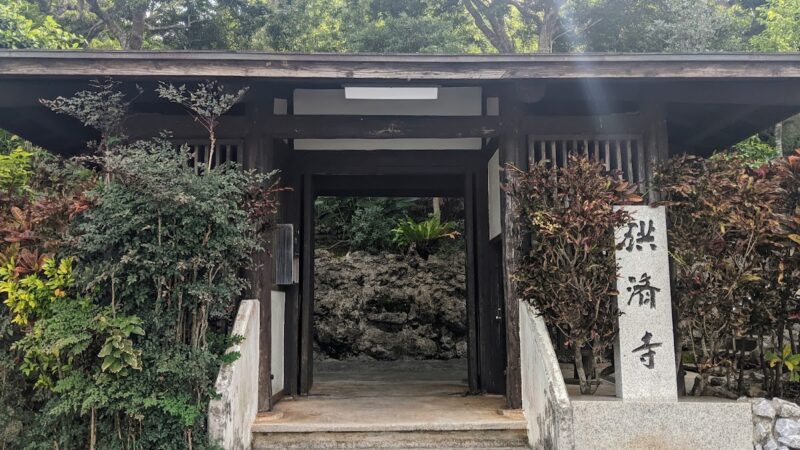
Enshoji Temple, located in Uehara, Naha City, Okinawa Prefecture, is known as the only temple in Japan with a name. This article provides detailed information useful for those considering a visit or interested in Okinawan Buddhist culture, from basic information about Enshoji Temple to its historical background, access methods, and information on nearby temples.
Basic Information about Enshoji Temple
Location and Contact Information
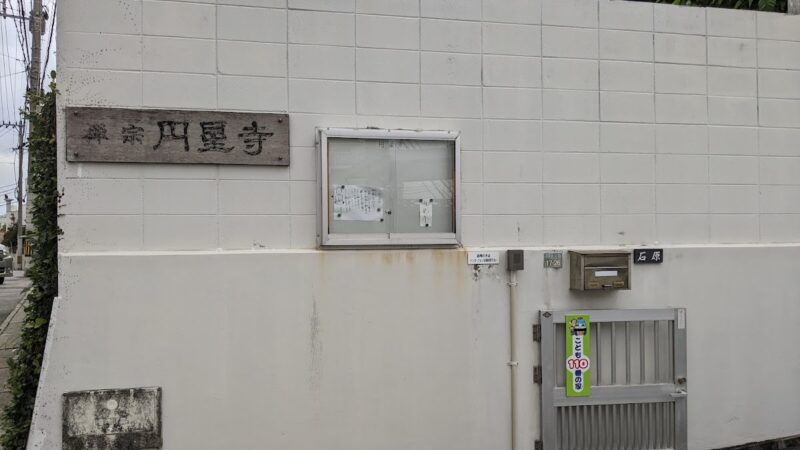
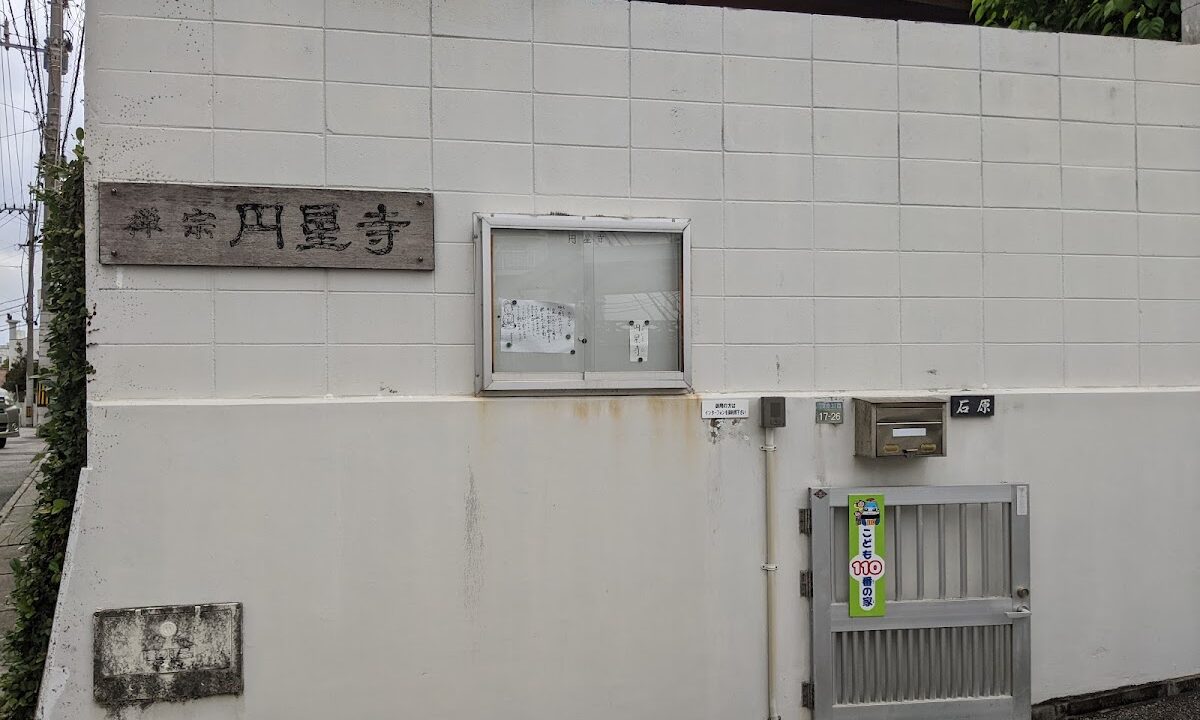
Enshoji Temple is a Buddhist temple located in the Uehara district of Naha City, Okinawa Prefecture. The following is the accurate basic information:
Address: 3-17-26 Uehara, Naha City, Okinawa Prefecture 901-0153
Phone Number: 098-858-8711
Corporate Number: 8360005001256
The Uehara district is located in the southern part of Naha City and has developed as a residential area. Enshoji Temple is a beloved spiritual center for the local community.
The Only Temple in Japan with the Name “Enshoji”
Even after searching the nationwide temple database, Enshoji Temple in Naha City, Okinawa Prefecture, is the only temple with the name “Enshoji.” While there are said to be over 77,000 temples nationwide, having a unique name is extremely rare.
The name “Ensho” is thought to embody the meaning of perfect enlightenment in Buddhism, or teachings that shine like a star. It’s possible that this unique temple name arose as a result of the fusion of Okinawa’s unique Buddhist culture and mainland Buddhism.
Characteristics of Buddhist Temples in Okinawa Prefecture and the Position of Enshoji Temple
Historical Background of Buddhism in Okinawa
Buddhism in Okinawa Prefecture has developed uniquely since the Ryukyu Kingdom era. In the Ryukyu Kingdom, Buddhism, centered on the Rinzai sect, flourished under the protection of the royal government, and the “Three Great Royal Temples”—Engakuji, Tennoji, and Tenkaiji—were built around Shuri Castle. Engaku-ji Temple, in particular, was founded in 1492 by King Sho Shin and became the head temple of the Rinzai school of Zen Buddhism in the Ryukyu Kingdom, serving as the family temple of the Second Sho Dynasty. This Engaku-ji Temple was known as “Ufuutira” (Great Temple) and was the most prestigious temple in the Ryukyu Kingdom.
However, many of these historical temples were destroyed during the Battle of Okinawa in 1945. Nine buildings of Engaku-ji Temple, including the main gate, mountain gate, and Buddha hall, which had been designated national treasures before the war, were also destroyed by fire. Currently, only the mountain gate and other structures have been partially restored.
Post-War Okinawan Buddhism and Modern Temples
After the war, Buddhist temples in Okinawa were gradually rebuilt, but they still do not reach the scale or number of pre-war temples. The total number of temples in Okinawa Prefecture is small compared to other prefectures, and the temple density relative to the population is significantly lower than the national average.
Against this backdrop, Ensho-ji Temple functions as a place of worship for local residents in a residential area of Naha City. As a temple established after the war, it can be said to play a role in modern Buddhism in Okinawa. ## How to Access Enshoji Temple
Access by Public Transportation
There are several ways to access the Uehara district, where Enshoji Temple is located, from major points in Naha City.
Using the Yui Rail (Okinawa Urban Monorail)
The nearest stations are “Akamine Station” or “Oroku Station,” but since it is a distance from the stations, using a bus or taxi is recommended.
- Approximately 10 minutes by taxi from Akamine Station
- Approximately 12 minutes by taxi from Oroku Station
Using Local Buses
Local buses operate from Naha Bus Terminal towards Uehara. It is within walking distance from the nearest bus stop.
- Approximately 25-30 minutes from Naha Bus Terminal
- Approximately 5-8 minutes on foot from the “Uehara” bus stop
Access by Car
From Naha Airport
Enshoji Temple is approximately 15-20 minutes by car from Naha Airport.
- Head south on National Route 331 from Naha Airport.
- Head towards Prefectural Road 7 (Okuyama Street).
- Go to Uehara 3-chome via Uehara Intersection.
From central Naha
It takes approximately 20-25 minutes by car from Kokusai Street and the area in front of the Prefectural Office.
We recommend checking with the temple in advance regarding parking availability.
Landmarks and Geographical Features
The Uehara area is a residential area in the southern part of Naha City, adjacent to the Oroku area. Nearby facilities include:
- Uehara Elementary School
- Uehara Citizens’ Gymnasium
- Various Commercial Facilities
Using these facilities as landmarks will make it easier to find your way to Enshoji Temple.
Distribution of Temples in Naha City and Information Around Enshoji Temple
Distribution of Temples in Naha City
While there are several Buddhist temples scattered throughout Naha City, most are concentrated in the Shuri area. This is a remnant of the urban structure centered around Shuri Castle during the Ryukyu Kingdom era.
Major Temples in the Shuri Area
- Enkaku-ji Temple Ruins (National Historic Site): Shuri Tonokura-cho
- Tenno-ji Temple: Shuri Akata-cho
- Tenkai-ji Temple Ruins: Shuri Sakiyama-cho
These temples were known as the “Three Great Temples of the Royal Government” during the Ryukyu Kingdom era.
Temples in Other Areas
Besides the Shuri area, temples are scattered throughout various districts of Naha City. Ensho-ji Temple, located in the Uehara district, is situated in a residential area south of the Shuri district and functions as a community-oriented temple.
Religious Facilities Around Ensho-ji Temple
In addition to Buddhist temples, various other religious facilities exist around the Uehara district. Utaki (sacred groves) and other places of worship, unique to Okinawa, are scattered throughout the area, allowing visitors to experience the diverse religious culture of Okinawa.
Basic Knowledge for Understanding Okinawan Buddhist Culture
Buddhism in the Ryukyu Kingdom
Buddhism was introduced to the Ryukyu Kingdom in earnest from the 14th to the 15th centuries. In particular, during the reign of King Sho Shin (1477-1526), Buddhism flourished under the protection of the royal government.
Introduction of Rinzai Zen
In 1492, when King Sho Shin built Engaku-ji Temple to commemorate his father, King Sho En, he invited Zen Master Kaiin from Nanzen-ji Temple in Kyoto to be its founding abbot. This marked the first introduction of Rinzai Zen to Ryukyu, and it subsequently became the mainstream of Buddhism in the Ryukyu Kingdom.
The Role of the Three Great Temples of the Ryukyu Kingdom
The three great temples, Engaku-ji, Tenno-ji, and Tenkai-ji, each played different roles:
- Engaku-ji: The family temple of the Second Sho Dynasty and the head temple of the Rinzai school of Zen Buddhism.
- Tenno-ji: A Shingon Buddhist temple protected by the Ryukyu Kingdom.
- Tenkai-ji: A Rinzai Buddhist temple responsible for the religious ceremonies of the Ryukyu Kingdom.
These temples were not merely religious facilities, but also functioned as the political, cultural, and educational centers of the Ryukyu Kingdom.
Damage to Temples During the Battle of Okinawa
The Battle of Okinawa in 1945 caused devastating damage to Okinawa’s cultural properties. Many historical buildings, including Shuri Castle, were destroyed, and all three great temples of the Ryukyu Kingdom were burned down.
Damage to Engaku-ji
Before the war, nine buildings at Engaku-ji, including the main gate, the Sanmon gate, the Buddha hall, the abbot’s quarters, and the founder’s hall, were designated as national treasures, but all were lost in the war. Currently, only the main gate (including the Hojo Bridge), which was restored after the war, remains, and it was designated a National Important Cultural Property in 2002.
Post-War Reconstruction and Modern Okinawan Buddhism
After the war, Buddhist temples in Okinawa were gradually rebuilt, but they still face many challenges.
Modern Challenges
- Small Number of Temples: Okinawa Prefecture has one of the lowest numbers of temples per capita in Japan.
- Underdeveloped Danka System: The Danka system, as seen on the mainland, has not taken root.
- Coexistence with Unique Ancestor Worship: Relationship with Okinawa’s unique ancestor worship culture.
Modern temples like Enshoji are exploring the role of Buddhism in the local community while addressing these challenges.
Relationship with Engakuji Temple Ruins (Shuri) and Caution Regarding Confusion
Caution Regarding Similar Names
“Enshoji” and “Engakuji” have similar names and are sometimes confused, but they are completely different temples.
Enseiji Temple
- Location: 3-17-26 Uehara, Naha City
- Existing temple
- The only temple name of its kind in Japan
Enkakuji Temple
- Location: Shuri Tonokura-cho, Naha City (North side of Shuri Castle)
- Only the ruins remain (National Historic Site)
- Head temple of the Rinzai sect during the Ryukyu Kingdom era
- Founded in 1492, destroyed by fire in 1945
Current Status of Enkakuji Temple Ruins
The Enkakuji Temple ruins are located north of Shuri Castle, at the entrance to Hantan Mountain. The following structures remain today:
Existing and Restored Remains
- Main Gate (including Hojo Bridge): Restored in 2002, a National Important Cultural Property
- Enkan Pond: A pond in front of the main gate, part of a nationally designated historic site
- Ryutan Pond: An artificial pond adjacent to Engaku-ji Temple
- Stone Walls and Foundations: Traces of temple architecture
The Engaku-ji Temple site is part of the “Gusuku Sites and Related Properties of the Kingdom of Ryukyu,” and is a related historic site to the World Heritage site “Shuri Castle Site.”
Points to Note When Visiting and Pilgrimage
When visiting Enshoji Temple, please note the following:
- Confuse with Engakuji Temple Ruins: Tourist information often focuses on Engakuji Temple Ruins, so please confirm the address.
- Advance Contact: If you wish to visit or tour, it is recommended to confirm by phone in advance.
- Parking: The surrounding area is residential, so please check for parking availability.
- Photography Etiquette: Please obtain permission before taking photographs inside the temple.
Manners and Characteristics of Temple Visits in Okinawa
Basic Pilgrimage Manners
Basic pilgrimage manners in Okinawa are the same as on the mainland:
- Bow at the Temple Gate: Bow before entering the temple grounds.
- Purification at the Water Basin: Purify your hands and mouth (if available).
- Pilgrimage at the Main Hall: Quietly join your hands in prayer and bow.
- Offering Money: Offer with sincerity.
- Silence on Temple Grounds: Please refrain from loud conversations.
Unique Characteristics of Okinawa
Okinawan Buddhist culture has unique characteristics that differ from those of mainland Japan:
Fusion with Ancestor Worship
In Okinawa, Buddhism and unique ancestor worship are intertwined, resulting in distinctive annual events such as the Seimei Festival (Shimi) and the Jurokunichi Festival (Juurokunichi). During these events, relatives gather at the gravesite, offering food and honoring their ancestors.
Coexistence with Utaki Belief
Another characteristic is the coexistence of Buddhism with Okinawa’s indigenous Utaki (sacred grove) belief. Many Okinawans practice both visiting Buddhist temples and praying at Utaki.
Buddhist Facilities and Cultural Properties in Naha City
National Historic Sites and Important Cultural Properties
Naha City has several nationally designated cultural properties related to Buddhism:
Engaku-ji Temple Ruins
- Designation: National Historic Site
- Location: Shuri Tonokura-cho
- Features: Site of the head temple of the Rinzai sect during the Ryukyu Kingdom era
Engaku-ji Temple Main Gate (including Hojo Bridge)
- Designation: Nationally Designated Important Cultural Property
- Restoration Year: 2002
- Features: Traditional architectural style using Ryukyu limestone
Shikinaen Garden
- Designation: Nationally Designated Special Place of Scenic Beauty, World Heritage Site
- Features: A villa of the Ryukyu royal family, includes Buddhist garden elements
Exhibits at the Naha City Museum of History
The Naha City Museum of History exhibits materials related to Buddhist culture during the Ryukyu Kingdom era:
- Ancient documents related to Engaku-ji Temple
- Photographs of Buddhist statues and implements
- Restoration models of the three major temples of the royal court
- Documents on the Religious Policy of the Ryukyu Kingdom
Visiting these facilities before or after visiting Enshoji Temple will deepen your understanding of Okinawan Buddhist culture.
History and Regional Characteristics of the Uebaru District
Origin of the Place Name Uebaru
The place name Uebaru contains “hara” (原, baru), which is commonly found in Okinawan place names. “Hara” means flat land or open space, reflecting the characteristics of an area that was once farmland or wilderness.
Regional Development
After the war, the Uebaru district developed into a residential area in the southern part of Naha City. Currently, it is a livable area with the following characteristics:
- A mature residential area
- Abundant educational facilities (elementary and junior high schools)
- Location of commercial facilities
- Good access to Naha Airport
Local Community and Temples
Enshoji Temple plays a role as a spiritual center for local residents in this residential area. While the traditional danka system (parishioner system) is not common in Okinawa as it is on the mainland, local temples maintain connections with the community through memorial services and annual events.
Okinawa Prefecture Temple Data and Statistics
Comparison with the Nationwide
Okinawa Prefecture is characterized by a very small number of temples compared to the rest of the country:
Number of Temples by Prefecture (Reference Data)
- Aichi Prefecture: Approximately 4,600 temples (1st in the nation)
- Osaka Prefecture: Approximately 3,400 temples
- Tokyo: Approximately 2,800 temples
- Okinawa Prefecture: Approximately 60 temples (Lowest in the nation)
Even in terms of the number of temples per 100,000 people, Okinawa Prefecture is significantly below the national average.
Distribution of Buddhist Sects in Okinawa Prefecture
Buddhist temples in Okinawa Prefecture are divided into the following sects:
- Rinzai Zen sect
- Shingon sect
- Jodo sect
- Nichiren sect
- Other sects
Historically, the Rinzai sect was dominant, but after the war, temples of various sects were established.
The Rarity of the Temple Name “Enshoji”
As mentioned above, there is only one temple in the entire country with the name “Enshoji.” Even searching the nationwide temple database, no other temples with this name can be found besides Enshoji in Naha City, Okinawa Prefecture.
This rarity is thought to be due to the following factors:
- Unique Naming: Named based on the temple’s original concept at its founding
- Regional Characteristics: Reflection of Okinawa’s unique Buddhist culture
- Historical Context: Religious background at the time of its establishment
Practical Information for Visiting Enshoji Temple
Best Time to Visit
Okinawa has a subtropical climate and is warm throughout the year, but there are characteristics depending on the time of year:
Spring (March-May)
- Temperature: Around 20-25 degrees Celsius
- Characteristics: Pleasant climate, before the rainy season
- Recommendation: ★★★★★
Summer (June-September)
- Temperature: Around 28-32 degrees Celsius
- Characteristics: High temperature and humidity, typhoon season
- Recommendation: ★★★ (Heat precautions are essential)
Autumn (October-November)
- Temperature: Around 23-27 degrees Celsius
- Characteristics: Pleasant climate
- Recommendation Level: ★★★★★
Winter (December – February)
- Temperature: Around 15-20 degrees Celsius
- Characteristics: Relatively mild but often cloudy
- Recommendation Level: ★★★★
Nearby Tourist Spots
Nearby tourist spots you can visit before or after visiting Enshoji Temple:
Senaga Island Umikaji Terrace (Approx. 10 minutes by car)
- Resort facility near Naha Airport
- Ocean view cafe/restaurant
- View of planes taking off and landing
Tomigusuku Castle Ruins (Approx. 8 minutes by car)
- Ruins of a castle from the Ryukyu Kingdom era
- Ideal for historical walks
Michi-no-Eki Toyosaki (Approx. 12 minutes by car)
- Local specialty product sales
- Dining facilities
Ogiyama Park (Approx. 15 minutes by car)
- Vast urban park
- Okinawa Prefectural Martial Arts Hall and Gymnasium
Major Temple Tours in Naha City
Temples in Naha City that can be visited in conjunction with Enshoji Temple:
Engakuji Temple Ruins (approx. 25 minutes by car)
- National Historic Site
- Can be visited in conjunction with Shuri Castle sightseeing
- The restored main gate can be viewed
Tennoji Temple (approx. 30 minutes by car)
- Located in Akata-cho, Shuri
- One of the three major temples of the royal government (reconstructed)
Gokokuji Temple (approx. 20 minutes by car)
- Shingon Buddhist temple in Naha City
- Special head temple of the Koyasan Shingon sect
Okinawan Buddhist Events and Annual Festivals
Major Buddhist Events
In addition to Buddhist events common to mainland Japan, Okinawan temples also hold their own unique events:
Common Events
- New Year’s Day (Hatsumode – first shrine visit of the year)
- Spring Equinox and Autumn Equinox
- Obon (13th-15th of the 7th month of the lunar calendar)
- Segaki Ceremony
Unique Okinawan Events
- Seimei Festival (Shimi): Around the Seimei Festival in the third month of the lunar calendar
- Juurokunichi Festival (Juurokunichi): 16th day of the first month of the lunar calendar
- Tanabata (7th day of the seventh month of the lunar calendar)
About the Seimei Festival (Shimi)
The Seimei Festival is an important ancestral memorial service in Okinawa. Relatives gather at the grave, share a feast, and remember their ancestors. This event is a unique Okinawan culture influenced by China and is not directly related to Buddhist temples, but it is important for understanding Okinawan religious culture.
Corporate Number System and Transparency of Temple Information
What is a Corporate Number?
Enshoji Temple’s corporate number is “8360005001256”. The corporate number is a 13-digit number assigned to corporations and organizations, a system introduced in 2015.
Purpose of Corporate Numbers
- Identification and Recognition of Corporations
- Streamlining of Administrative Procedures
- Improved Transparency of Information
Temples as Religious Corporations
Enshoji Temple is registered as a religious corporation and has been assigned a corporate number. Religious corporations have the following characteristics:
- Corporations whose primary purpose is religious activities
- Tax benefits
- Obligation to report to the competent authority (prefecture or Agency for Cultural Affairs)
- Obligation to disclose financial information
Information Search and Utilization
The National Tax Agency’s “Corporate Number Publication Site” allows you to search for the following information using the corporate number:
- Corporate Name
- Address
- Corporate Number
- Registration Date
When visiting Enshoji Temple, you can confirm the accurate address information by searching using the corporate number.
Characteristics of Okinawan Temple Architecture
Influence of Ryukyuan Architecture
Okinawan temple architecture is influenced by the traditional architecture of the Ryukyu Kingdom era:
Characteristic Elements
- Red Tiles: Use of Ryukyuan tiles
- Stone Walls: Stonework using Ryukyuan limestone
- Plaster: Decoration with white plaster
- Dragon Decorations: Dragon motifs on roofs and pillars
Differences from Mainland Japan
Compared to mainland Japanese temple architecture, Okinawan temples have the following differences:
Adaptation to Climate
- Typhoon countermeasures: Low roofs, sturdy structure
- Humidity countermeasures: Well-ventilated design
- Sun protection: Deep eaves, open spaces
Cultural Differences
- Influence of Chinese architecture: Dragon and lion motifs
- Unique Ryukyuan aesthetic: Color sense, decorative style
Post-War Reconstruction and Modern Architecture
Because many temples were lost in the Battle of Okinawa, temples rebuilt after the war also incorporate elements of modern architecture. Many temples can be seen that respect traditional styles while utilizing modern architectural techniques and materials.
How to Enjoy Okinawa Sightseeing and Temple Visits
Temple Visits as Historical and Cultural Learning
Visiting temples in Okinawa is not just sightseeing; it’s a valuable opportunity to learn about the history of the Ryukyu Kingdom and Okinawa’s unique culture:
What You Can Learn
- The Religious Policies of the Ryukyu Kingdom
- The Fusion of Buddhism and Okinawan Culture
- The History of War and the Importance of Peace
- Traditional Architecture and Art
Suggested Model Course
Naha City Buddhist Culture Tour (Half-Day Course)
- Morning: Around Shuri Castle
- Shuri Castle Park (9:00-11:00)
- Enkaku-ji Temple Ruins (11:00-11:30)
- Ryutan Pond/Enkan Pond (11:30-12:00)
- Lunch: Shuri Soba
- Okinawa Soba Restaurant in the Shuri Area (12:00-13:00)
- Afternoon: Southern Region
- Enshoji Temple (13:30-14:00)
- Senaga Island Umikaji Terrace (14:30-16:00)
Naha City History and Culture Enjoyment Course (1 Day)
Morning: Shuri Castle, Enkakuji Temple Ruins, Shikinaen Garden
Lunch: Shuri or Kokusai Street
Afternoon: Naha City Museum of History, Enshoji Temple, Ogiyama Park
Photography Tips
Enjoy photography at temples while observing proper etiquette:
Photography Etiquette
- Obtain permission before photographing inside the main hall
- Do not disturb other worshippers
- Check in advance before using a tripod
- Maintain silence
Recommended Photography Spots
- Temple Gate/Main Gate
- Trees on the Temple Grounds
- Stone Walls and Steps
- Decorative Architectural Elements
Summary: The Charm and Significance of Visiting Enshoji Temple
Enshoji Temple is unique in Japan for having the only temple name of its kind, and is also an important temple for understanding modern Okinawan Buddhism. Located in the residential area of Uehara, Naha City, Enshoji Temple serves as a spiritual center for the local community.
Okinawan Buddhism has undergone unique development through its history of prosperity during the Ryukyu Kingdom era, devastation during the Battle of Okinawa, and post-war reconstruction. Visiting Enshoji Temple offers an opportunity to touch upon a part of this history and understand Okinawa’s diverse religious culture.
Visiting Enshoji Temple in conjunction with the historical Enkakuji Temple ruins near Shuri Castle allows you to experience the evolution of Okinawan Buddhism from the Ryukyu Kingdom era to the present day. When visiting Naha City, be sure to visit Enshoji Temple and experience the diversity of Okinawan Buddhist culture.
When visiting, it is recommended to call ahead to confirm and observe appropriate manners during your visit. The time spent quietly praying and reflecting on Okinawa’s history and culture will become a precious memory of your trip.