Kaida Hachimangu Shrine (Hirakata City, Osaka Prefecture) Complete Guide | History, Deities, Access, and Goshuin Information
Kaida Hachimangu Shrine, located in Kaida-cho, Hirakata City, Osaka Prefecture, is a historical shrine also known as “Kabutohoko Shrine” or “Kabutohoko Hachimangu Shrine.” It has long been revered as the local guardian deity and is known as a peaceful shrine nestled in a quiet residential area. This article provides detailed information you should know before visiting, including the history of Kaida Hachimangu Shrine, its enshrined deities, highlights of the grounds, visiting information, and access methods.
What is Kaida Hachimangu Shrine?
Kaida Hachimangu Shrine is located at 1 Kaida-cho, Hirakata City, Osaka Prefecture, and is affectionately known as “Kabutohoko-san” by local residents. While the exact founding date is unclear, the shrine has long been located in this area and revered as a guardian deity of the region.
The official name of the shrine is “Kōhoko Shrine,” but because it is a shrine based on Hachiman worship, it is also known as “Kaida Hachimangu” or “Kōhoko Hachimangu.” Although there are several Hachiman shrines in Hirakata City, Kaida Hachimangu holds a special place as a deeply rooted local guardian deity.
Characteristics of the Shrine
A distinctive feature of Kaida Hachimangu is its tranquil atmosphere, despite being located in the increasingly urbanized city of Hirakata. The grounds are not particularly vast, but they are meticulously maintained, offering peace of mind to visitors. The careful management by local residents is evident, and the cleanliness of the grounds is striking.
Deities and Divine Virtues
Main Deity: Hondawake-no-Mikoto
The deity enshrined at Kaida Hachimangu Shrine is Hondawake-no-Mikoto. Hondawake-no-Mikoto is another name for Emperor Ojin, the 15th emperor, and is the central figure of the Hachiman deities worshipped at Hachiman shrines throughout Japan.
Emperor Ojin is known as an emperor who contributed to the development of culture and industry in ancient Japan, and later came to be revered as a god of war and victory. Furthermore, due to legend that he possessed miraculous powers even while in the womb of his mother, Empress Jingu, he is also worshipped as a god of safe childbirth and child-rearing.
Divine Virtues
The divine virtues you can expect from visiting Kaida Hachimangu Shrine are as follows:
- Protection from Misfortune and Good Fortune: Warding off misfortune and improving your luck
- Family Safety: Protecting the health and peace of your family
- Victory and Success Prayer: Success in life’s challenges
- Safe Childbirth and Child-Rearing: Health of mother and child and healthy growth of children
- Industrial Development: Prosperity of business and success
- Traffic Safety: Safe travels and accident-free days
As the guardian deity of the region, it is worshipped as a god who listens to and grants various wishes in daily life.
History of Kaida Hachimangu Shrine
Founding and History
The exact founding date of Kaida Hachimangu Shrine is unknown due to a lack of historical records, but based on the history of this region, it is thought to have been established sometime between the Heian and Kamakura periods. The timing coincides with the period when Hachiman worship spread nationwide, making it highly likely that the shrine was established through a branch deity from Iwashimizu Hachimangu Shrine (Yawata City, Kyoto Prefecture).
Hirakata City is located midway between Kyoto and Osaka and has flourished as a transportation hub since ancient times. In this region, which was also a base for Yodo River water transport, it is thought that a Hachiman shrine was established to pray for safe travels and the prosperity of the region.
Connection to the Community
Kaida Hachimangu Shrine has been protected by local residents for generations as the tutelary deity of the area centered around Kaida-cho. During the Edo period, festivals were held as the village’s guardian shrine, and even after the Meiji era’s policy of consolidating shrines, it continued to exist as a center of local faith.
Even as times changed from Showa to Heisei and Reiwa, the shrine has been maintained through the deep faith of the local people and is still carefully protected by parishioners and local residents today. Even amidst increasing urbanization, it continues to play a role as a spiritual pillar of the local community.
Highlights of the Shrine Grounds
Main Hall
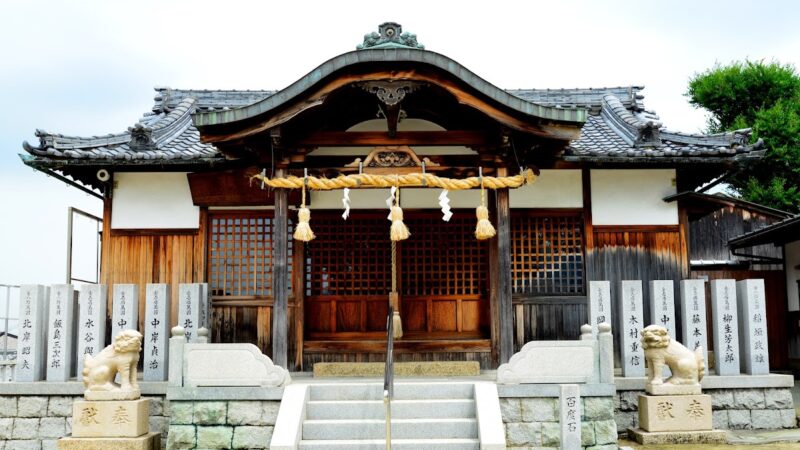
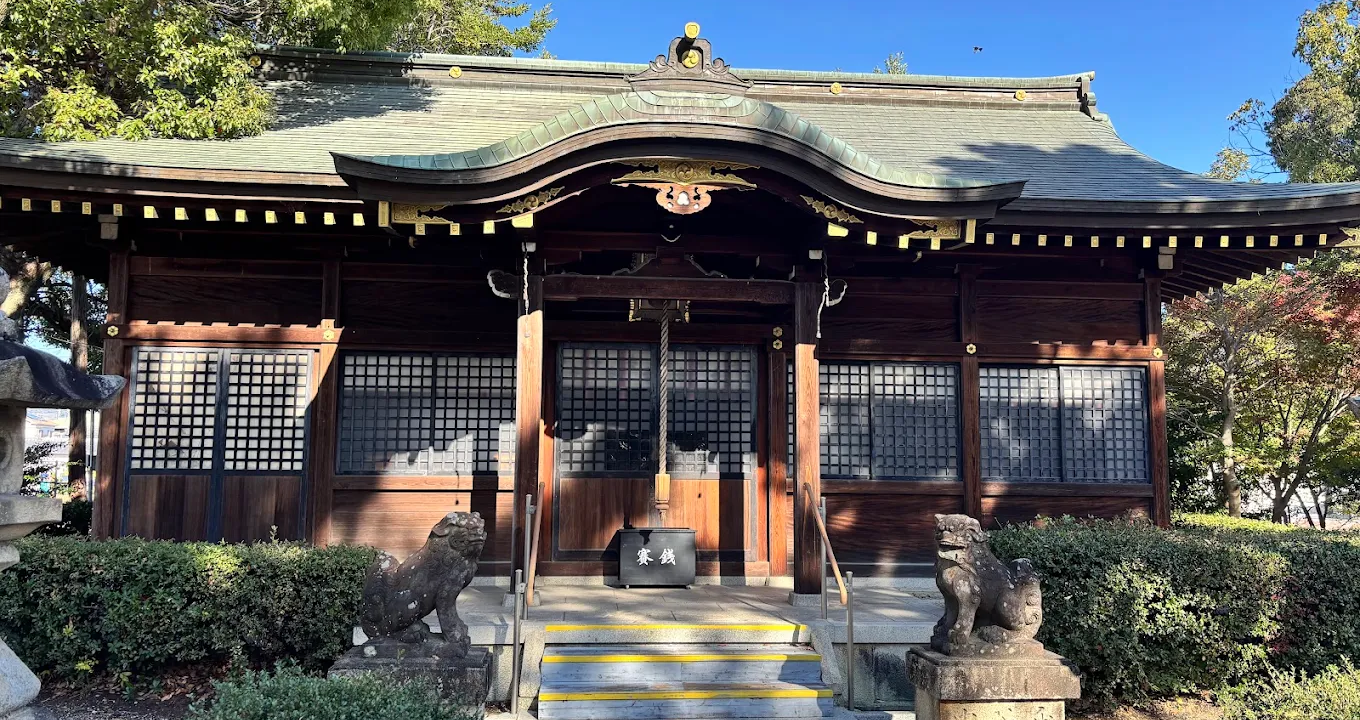
The main hall of Kaida Hachimangu Shrine is built in the traditional style of shrine architecture. Although small in scale, it is meticulously maintained, reflecting the deep faith of the local people. A donation box is placed in front of the main hall, allowing worshippers to quietly offer their prayers.
Worship Hall
The worship hall, where worshippers offer their prayers, exudes a simple yet solemn atmosphere. The grounds are meticulously cleaned, ensuring a refreshing experience for visitors at any time.
Atmosphere of the Shrine Grounds
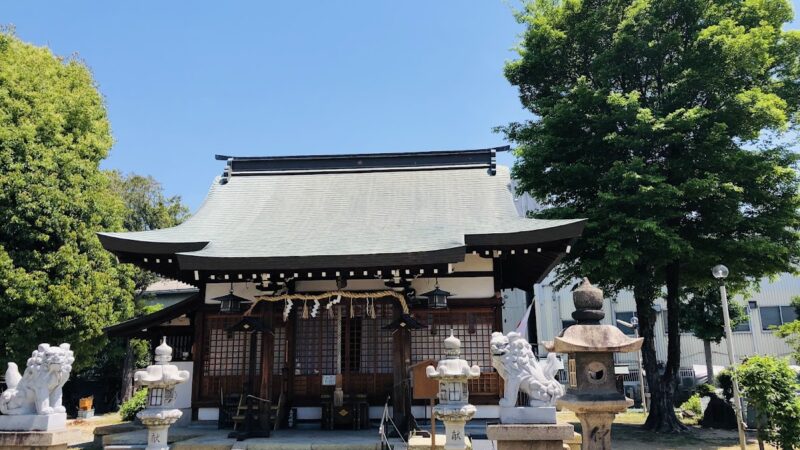
Trees are strategically placed within the grounds, offering different scenery with each season. The fresh greenery of spring, the shade of summer, the vibrant autumn leaves, and the tranquility of winter allow visitors to experience the changing seasons while worshipping, which is one of its charms.
Despite being located in a residential area, stepping through the torii gate envelops you in a tranquil world, allowing you to forget the hustle and bustle of everyday life and find peace of mind.
Although situated in a residential area, stepping through the torii gate envelops you in a serene atmosphere, allowing you to forget the hustle and bustle of daily life and find inner peace. ## Annual Festivals and Rituals
Autumn Grand Festival
At Kaida Hachimangu Shrine, the annual grand festival is held every autumn. It is an important ritual where local parishioners gather to express gratitude to the gods and pray for the peace and prosperity of the community. During the festival, lanterns are displayed on the shrine grounds, creating a lively atmosphere different from the usual.
Summer Festival
In the summer, local summer festivals are sometimes held. Children and local residents gather, providing an opportunity to deepen the bonds of the community centered around the shrine.
New Year’s Visit
At the start of the new year, many worshippers visit for their first shrine visit of the year. As the local guardian deity, many residents visit to offer New Year’s greetings and pray for a safe year. A characteristic feature is that it is not as crowded as large shrines, allowing for a more relaxed visit.
About Goshuin (Shrine Seals) and Gifts
Goshuin Information
Regarding Goshuin at Kaida Hachimangu Shrine, it is recommended to check in advance, as there may not always be a resident priest. Due to its small size, the availability of Goshuin (temple/shrine stamps) may be limited.
If you wish to receive a Goshuin, it is recommended to visit during festivals such as the annual grand festival, or to inquire in advance with the local parishioners’ representative or a shrine official in Hirakata City.
Items Available
Kaida Hachimangu Shrine may offer items such as amulets and talismans. However, the office is not always open, so prior confirmation is necessary if you wish to receive any items.
As the local guardian shrine, the amulets mainly focus on family safety, protection from evil and good fortune, and traffic safety.
Access and Basic Information
Location
Address: 1 Kaida-cho, Hirakata City, Osaka Prefecture 573-0154
Access by Train
Kaida Hachimangu Shrine can be accessed using public transportation.
Nearest Stations:
- Approximately 20 minutes on foot from Hirakata-shi Station on the Keihan Main Line
- Approximately 15 minutes on foot from Kōzenji Station on the Keihan Main Line
Access from Kōzenji Station is slightly closer and more convenient. You can reach the shrine on foot from the station through a residential area.
Access by Bus
You can also take a Keihan bus from Hirakata-shi Station or Kōzenji Station. Get off at the “Kaida” bus stop, and the shrine is a few minutes’ walk away. Please check the Keihan Bus official website for bus routes and timetables.
Access by Car
By Car:
- Approximately 10 minutes from Neyagawa-Minami IC on the Daini Keihan Expressway
- Accessible via Prefectural Road from National Route 1
Parking: Dedicated parking is limited, so we recommend using nearby coin parking or public transportation.
Visiting Hours
The shrine grounds are generally open for free visits. However, it is recommended to refrain from visiting early in the morning or late at night out of consideration for nearby residents.
Recommended Visiting Hours: 9:00 AM to 5:00 PM
Estimated Visiting Time
The shrine grounds are compact, so the visit itself can be completed in about 10-15 minutes. Even if you take your time to stroll around the grounds or take photos, 30 minutes should be sufficient.
Nearby Attractions and Shrines/Temples
Hachiman Shrines in Hirakata City
In addition to Kaida Hachiman Shrine, there are several other Hachiman Shrines located in Hirakata City.
Hachiman Shrine (Isojima Motomachi): Located at 5-7 Isojima Motomachi, Hirakata City, this Hachiman Shrine is a historical shrine said to have been established in 1617 by the former Dainagon Hino clan. Visiting it along with Kaida Hachiman Shrine is also recommended.
Hirakata City Tourist Attractions
Hirakata-juku: Hirakata-juku, which flourished as a post town during the Edo period, is an area where historical streetscapes remain. You can enjoy a historical stroll in conjunction with a visit to Kaida Hachimangu Shrine.
Yodogawa Riverside Park: A park stretching along the Yodogawa River, perfect for walks and picnics. Refresh yourself in a rich natural environment.
Kudaraji Temple Ruins: The site of an ancient temple believed to have been founded during the Nara period, a spot where you can feel the history of Hirakata City.
Manners and Etiquette for Visiting Shrines
Basic Shrine Visit Etiquette
Please observe the basic etiquette for visiting shrines and offer your prayers with sincerity.
- Bow before the Torii Gate: Before entering the shrine grounds, bow before the torii gate.
- Walking the Path: The center of the path is considered the path of the gods, so walk along the sides.
- Watering Ritual: If there is a watering basin, cleanse your hands and mouth.
- Worship at the Main Hall:
- Quietly place your offering in the offering box.
- Ring the bell if there is one.
- Worship using the two bows, two claps, one bow ritual.
- Upon Exit: After leaving the torii gate, turn around and bow.
Regarding Photography
Photography is generally permitted on the shrine grounds, but please note the following:
- Refrain from photographing sacred areas such as the interior of the main hall.
- Be considerate of other worshippers.
- Avoid using flash photography.
- Always obey any signs prohibiting photography.
Consideration for the Community
Kaida Hachimangu Shrine is located in a residential area, so please pay particular attention to the following points:
- Please refrain from loud conversations
- Please do not park in a way that inconveniences neighboring houses
- Please take your trash with you
- Please refrain from visiting early in the morning or late at night
The Charm of Kaida Hachimangu Shrine
A Local Guardian Deity
The greatest charm of Kaida Hachimangu Shrine is its presence as a guardian deity deeply rooted in the community. Unlike large tourist shrines, it has a history of being carefully preserved by local residents. Visitors will be able to feel its warm atmosphere.
A Quiet Worship Environment
Despite being in an urban area, the quiet and peaceful environment for worship is a major attraction. It is an ideal shrine for those who want to avoid crowds and slowly connect with the deity.
The Center of the Local Community
Shrines are not merely religious facilities; they also play a role as the spiritual center of the local community. During festivals, local residents gather, creating a place for intergenerational exchange. This sense of community is one of the unique charms of Kaida Hachimangu Shrine.
Hachiman Faith in Hirakata City
Spread of Hachiman Faith
Many Hachiman shrines are located in the Kitakawachi region, including Hirakata City. This indicates that the region was strongly influenced by Iwashimizu Hachimangu Shrine in Kyoto. From the Heian period to the Kamakura period, Hachiman shrines were built in various locations through the enshrinement of deities from Iwashimizu Hachimangu Shrine.
Regional Characteristics
Each Hachiman shrine in Hirakata City has cultivated its own unique history and faith in its respective region. Kaida Hachimangu Shrine is also rooted in the Kaida-cho area and has carved out a history unique to that land.
Frequently Asked Questions
Q1: Can I get a Goshuin (shrine stamp) at Kaida Hachimangu Shrine?
A1: Because Kaida Hachimangu Shrine is a small shrine, we do not always offer Goshuin. If you wish to receive a Goshuin (temple/shrine stamp), we recommend visiting during festivals such as the annual grand festival, or checking with the local parishioners’ representative or other relevant parties in advance.
Q2: Is there parking available?
A2: Since dedicated parking is limited, we recommend using public transportation. If you visit by car, please use nearby coin-operated parking lots or be considerate of local residents.
Q3: When is the best time to visit?
A3: Kaida Hachimangu Shrine is open for visits throughout the year. The autumn grand festival is particularly recommended, as it is the busiest time of year and allows you to experience the local atmosphere. The New Year’s visit is also a good opportunity to celebrate the new year with the local community.
Q4: Are Kaida Hachimangu Shrine and Kohoko Shrine the same shrine?
A4: Yes, they are the same shrine. Its official name is “Kōhoko Shrine,” but because it is a shrine based on Hachiman worship, it is also called “Kaida Hachimangu” or “Kōhoko Hachimangu.” Locally, it is affectionately known as “Kōhoko-san.”
Q5: Are amulets and talismans available?
A5: Since the shrine office is not always open, it is recommended to check in advance. Amulets and talismans are likely to be available during festivals.
Q6: Are there other shrines nearby?
A6: There are several Hachiman shrines and other shrines located within Hirakata City. The Hachiman Shrine in Isojima Motomachi, in particular, has a long history and is recommended to visit as well. There are also several shrines and temples around Hirakata City Station.
Summary
Kaida Hachimangu (Kōhoko Shrine) is a shrine located in Kaida-cho, Hirakata City, Osaka Prefecture, and has long been revered by local residents as the guardian deity of the area. This shrine enshrines Emperor Ojin (Homudawake-no-Mikoto) as its main deity and is believed to offer various blessings, including protection from misfortune, good fortune, family safety, victory, and safe childbirth.
Unlike large-scale tourist shrines, its greatest appeal lies in its quiet and peaceful atmosphere for worship. It is a shrine deeply rooted in the community, and visitors will feel a sense of warmth and comfort.
Accessible within walking distance from either Kōzenji Station or Hirakata-shi Station on the Keihan Main Line, it can be easily combined with other shrines, temples, and tourist spots in Hirakata City. While prior confirmation is necessary regarding goshuin (shrine stamps) and other offerings, it is an ideal shrine for those who wish to quietly connect with the divine.
When visiting Hirakata City, be sure to visit Kaida Hachimangu Shrine. The history of the shrine, protected by the community, and the tranquil atmosphere of its grounds are sure to bring peace to your heart.