Kose Shrine (Saga City, Saga Prefecture) Complete Guide | History, Deities, Access, and Highlights Explained in Detail
Kose Shrine, located in Kose-cho, Saga City, Saga Prefecture, is a historic shrine said to have been founded in 645 AD. It is the third oldest shrine in Saga City, after Yotohime Shrine (founded in 564 AD) and Yoga Shrine (founded in 564 AD), and is known as a valuable place of worship deeply connected to the history of ancient Japanese defense.
This article comprehensively introduces all the information you need to know before visiting Kose Shrine, including its historical background, enshrined deities, highlights within the grounds, information on Goshuin (shrine stamps), and access methods.
Basic Information about Kose Shrine
Location: 41 Ushijima, Kose-cho, Saga City, Saga Prefecture 840-0804
Shrine Rank: Former Village Shrine (Ranked as a Village Shrine in November, Meiji 4)
Founded: Taika 1 (645)
Main Deity: Kose no Omuraji
Associated Deities: Oimatsu Daimyojin, Yodohime no Mikoto, Otohime no Mikoto, Sugawara no Michizane
Enshrined Deities: Ukanomitama no Mikoto, Emperor Ojin, Amaterasu Omikami, Onamuchi no Kami, Izanagi no Mikoto, Emperor Nintoku
Annual Festival: Mid-October
Parking: Parking available for visitors on the shrine grounds
History and Origins of Kose Shrine
Circumstances of Founding and Kose no Omuraji
The founding of Kose Shrine is linked to an important event in ancient Japanese history. According to the “History of Kose Shrine,” a document compiled in the Saga Prefecture History, during the reign of Emperor Kōtoku, the 37th emperor of Japan (645-654), a foreign tribe invaded the islands of Iki and Tsushima. In response to this national crisis, the imperial court issued an imperial order to Kose no Ōmuraji to subdue the invaders, and it is said that he traveled from the capital of Nara to Hizen Province.
Kose no Ōmuraji was a member of the Kose clan, a powerful local family in ancient Japan, and he established a camp in this area to prepare for foreign invasions. It is believed that Kose Shrine originated as a place of worship for him, where he was enshrined as the guardian deity of the region.
As the Guardian Deity of Kose Manor
In the Middle Ages, it became the center of faith in this region as “Kose Daimyōjin, the Guardian Deity of Kose Manor in Hizen Province.” The place name Kose is also thought to originate from Kose no Ōmuraji, illustrating the deep connection between the shrine and the region. During the Edo period, its location along the Nagasaki Highway made it a popular place for travelers to pray for safe passage, attracting the faith of not only local residents but also passersby.
Changes Since the Modern Era
In November 1871 (Meiji 4), it was ranked as a Gosha (village shrine) under the modern shrine ranking system, establishing its status as an important local shrine. During the Meiji period, surrounding small shrines were merged, resulting in the current composition of enshrined deities.
Even after the war, it continues to serve as a spiritual pillar of the local community, deepening its ties with parishioners and visitors through annual events, including the autumn grand festival.
About the Enshrined Deities
Main Deity: Kose no Omuraji
Kose no Omuraji was a figure of the Kose clan who was active during the Asuka period. “Omuraji” was one of the highest-ranking official positions in ancient times, playing an important role in military and diplomatic affairs.
During the reign of Emperor Kōtoku, with the escalating tensions on the Korean Peninsula, strengthening the defense system in the Iki and Tsushima regions, the westernmost points of Japan, became an urgent necessity. Kose no Ōmuraji was tasked with this responsibility, and is said to have descended to Hizen Province (present-day Saga and Nagasaki prefectures) and established a defensive base.
In recognition of his bravery, achievements, and virtue in protecting the region, he was enshrined as a deity after his death. He continues to be revered as a god of national defense and regional protection.
Deities Enshrined Together
Oimatsu Daimyōjin: A deity originating from the local ancient tree worship, believed to bestow blessings of longevity and prosperity.
Yodohime no Mikoto and Otohime no Mikoto: Worshipped as gods of water and the sea, they are objects of prayer for stable agricultural water supply and maritime safety.
Sugawara no Michizane: Known as the god of learning, he is deeply revered by students and those praying for academic success.
Other Enshrined Deities: The shrine enshrines a diverse array of deities with various divine virtues, including Ukanomitama-no-Mikoto (abundant harvests), Emperor Ojin (military fortune and national peace), Amaterasu Omikami (the supreme deity of the nation), Oonamuchi-no-Kami (matchmaking and good fortune), Izanagi-no-Mikoto (creator of the land), and Emperor Nintoku (prosperity of the people).
With these deities gathered together, Kose Shrine is cherished by the local people as a shrine that bestows comprehensive blessings.
Highlights of the Shrine Grounds
Shrine Buildings
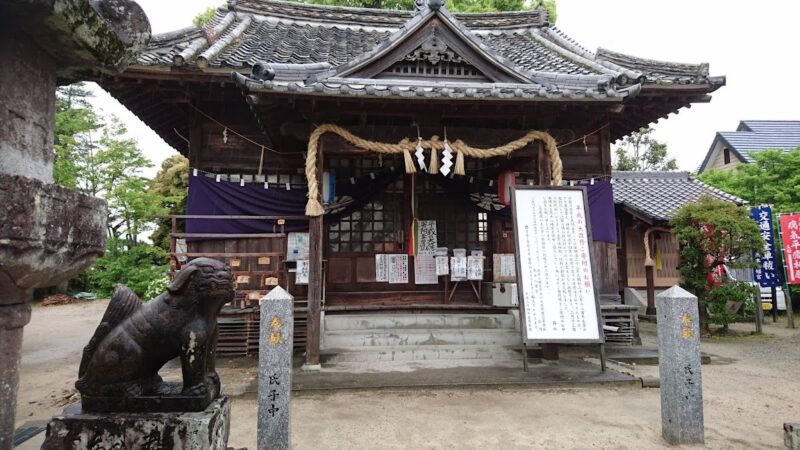
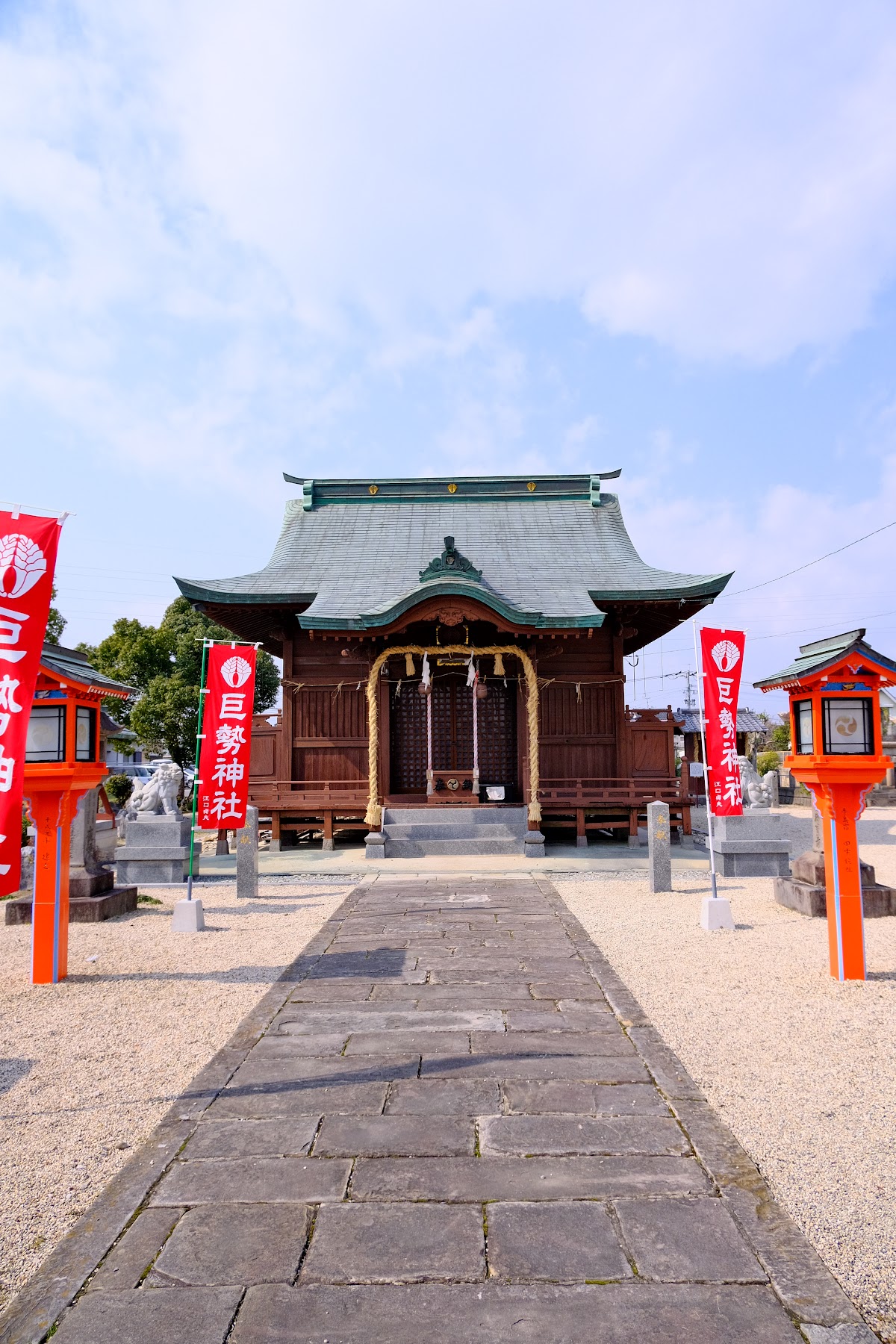
The shrine buildings of Kose Shrine maintain a traditional shrine architectural style while exuding a tranquil atmosphere. Both the main hall and the worship hall are wooden structures, possessing a dignified style that reflects their long history.
A magnificent shimenawa (sacred rope) is stretched in front of the worship hall, creating a solemn atmosphere befitting a sacred area. When visiting, offer your prayers sincerely using the two bows, two claps, and one bow ritual beneath this shimenawa.
Torii Gate and Approach
A stone torii gate stands at the entrance to the shrine grounds, marking the entrance to the sacred area. Passing through the gate, a quiet approach surrounded by greenery continues.
Located along the Nagasaki Highway, many travelers likely passed through this torii gate in the past, praying for safe journeys. Even today, a historical atmosphere permeates the area, a trace of that past.
Nature within the Shrine Grounds
The grounds of Kose Shrine are blessed with abundant ancient trees and seasonal flowers, creating a rich natural environment. The pine trees, particularly those associated with the Oimatsu Daimyojin deity, attract the attention of visitors as symbols of longevity.
With cherry blossoms in spring and autumn leaves in fall, visitors can enjoy the beauty of nature throughout the seasons, making it an ideal environment for a peaceful visit.
Stone Monuments and Memorials
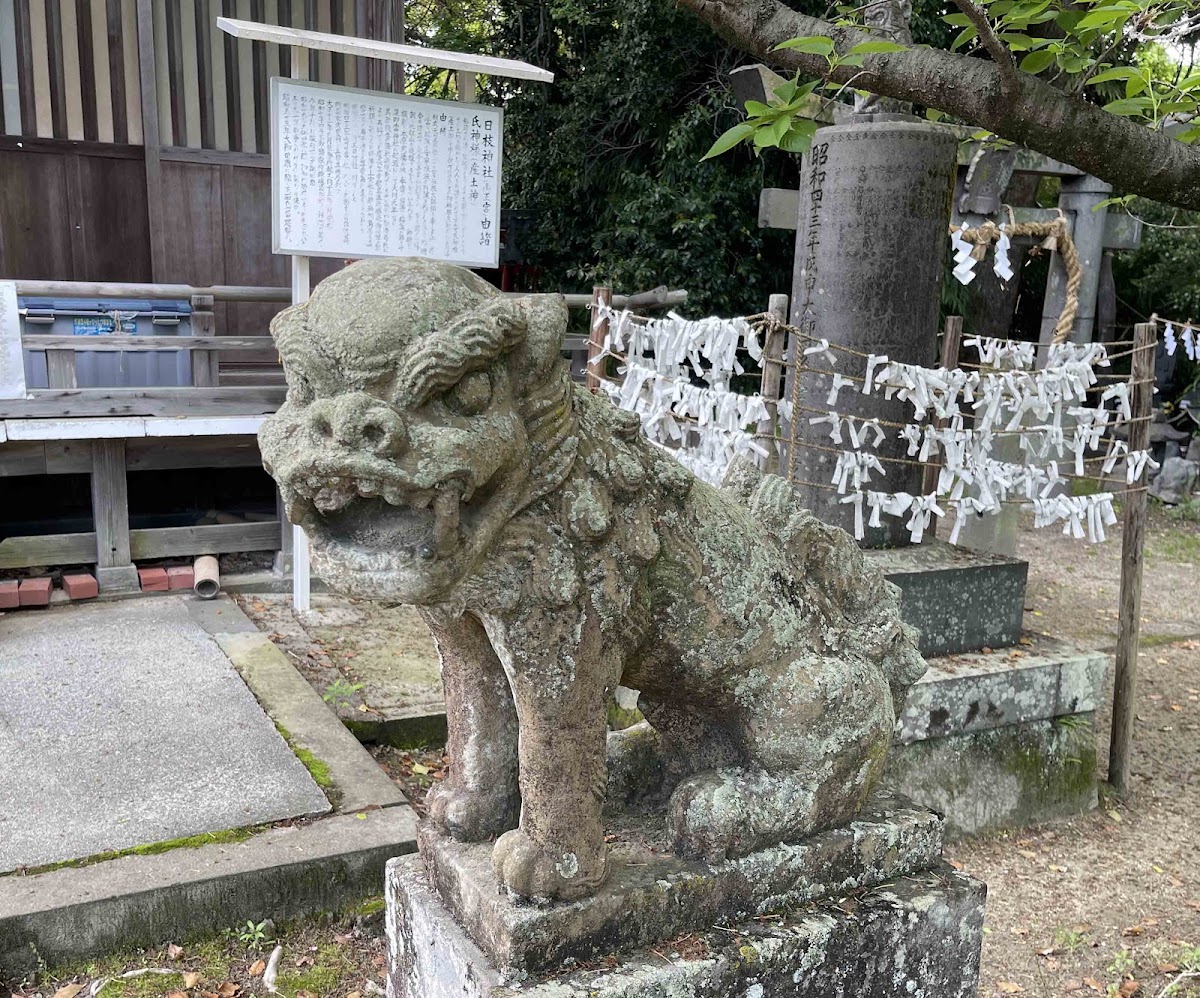
Throughout the shrine grounds are stone monuments recording the history and origins of the shrine, as well as memorials that tell the history of the region. By carefully examining these documents, you can gain a deeper understanding of the profound connection between Kose Shrine and the local community.
Goshuin (Shrine Seal) Information
Kose Shrine offers goshuin, but since there may not always be a permanent shrine office, it is recommended to check with the Saga Prefectural Shrine Association or the local parishioners’ representative beforehand.
The goshuin features the calligraphy of “Kose Shrine” and the shrine’s seal, creating a simple yet dignified design. Bring your goshuincho (seal book) and receive it with respect for the shrine.
Annual Events and Festivals
Grand Festival (Mid-October)
The most important annual event at Kose Shrine is the Grand Festival, held in mid-October. Parishioners and local residents gather for a procession of the portable shrine, offerings, and other events, enveloping the entire community in a festive atmosphere.
Traditional performing arts and children’s portable shrines are sometimes offered, making it an important opportunity to deepen the bonds of the local community.
Other Annual Events
- New Year’s Day Festival (January 1st): Prayers for peace and prosperity in the new year
- Setsubun Festival (around February 3rd): Prayers for protection from evil and for good fortune
- Summer Purification Ceremony (June 30th): Purification of sins and impurities accumulated over the past six months
- Year-End Purification Ceremony (December 31st): Purification of sins and impurities accumulated over the past year
These events are important opportunities to preserve and pass on local traditions.
Access Methods
Access by Public Transportation
By JR
- Approximately 32 minutes on foot (approx. 2.5 km) from JR Nagasaki Main Line “Saga Station”
- Due to the distance, we recommend using a bus or taxi.
By Bus
- Get off at the Nishitetsu Bus “Kose Shrine Mae” bus stop, approximately 1 minute on foot (approx. 46 m)
- Get off at the Nishitetsu Bus “Moraju Saga” bus stop, approximately 2 minutes on foot (approx. 94 m)
- Get off at the Nishitetsu Bus “Moraju Saga Mae” bus stop, approximately 2 minutes on foot
Using the bus allows for relatively quick access from Saga Station. Checking the timetable in advance on the Nishitetsu Bus official website is recommended for a smoother experience.
By Taxi
Approximately 10 minutes by taxi from Saga Station. The fare is approximately 1,500 yen.
Access by Car
Using the Nagasaki Expressway
- Approximately 15 minutes from “Saga Yamato IC”
- Approximately 10 minutes from “Saga IC”
Parking
There is parking space for visitors on the shrine grounds. Since the number of spaces is limited, please consider using public transportation on days when congestion is expected, such as during the annual festival.
Combining with Nearby Facilities
Kose Shrine is located near the large commercial complex “Moraju Saga,” which is convenient for shopping and dining after your visit. Also, taking advantage of its location along the Nagasaki Kaido (Nagasaki Highway), combining your visit with a historical walk along the highway is highly recommended.
Benefits of Kose Shrine
At Kose Shrine, you can receive various blessings from the diverse deities enshrined there.
- National Security and Defense: Divine virtues of the main deity, Kose no Ōmuraji
- Regional Protection and Exorcism: Role as the guardian deity of the region
- Academic Success and Passing Exams: Due to the enshrinement of Sugawara no Michizane
- Abundant Harvest and Business Prosperity: Divine virtues of Inari no Mikoto and others
- Family Safety and Health and Longevity: Divine virtues of Rōmatsu Daimyōjin and others
- Matchmaking and Good Fortune: Divine virtues of Ōkuninushi no Kami and others
- Maritime Safety and Protection from Water Disasters: Divine virtues of Yodohime no Mikoto and Otohime no Mikoto
In particular, because it enshrines Kose no Ōmuraji, who dedicated himself to national defense in ancient times, it is believed to possess powerful divine virtues that protect the country and region, and many worshippers visit to pray for exorcism and family safety.
Manners and Etiquette for Visiting a Shrine
Basic Etiquette for Visiting a Shrine
- Bow before the Torii Gate: Before entering the sacred area, bow before the Torii gate.
- Purify yourself at the Water Basin: Purify your left hand, right hand, and mouth in that order.
- Walk along the edge of the path: The center is considered the path for the gods.
- Etiquette in front of the Main Hall:
- Quietly place your offering in the offering box.
- Ring the bell if there is one.
- Perform the two bows, two claps, and one bow (bow deeply twice, clap twice, and bow deeply once).
- Bow upon leaving: Turn around and bow when leaving the Torii gate.
Things to Keep in Mind During Your Visit
- Be quiet within the shrine grounds and respect the sacred atmosphere.
- Take photographs only where permitted, and refrain from taking pictures inside the main hall.
- Take your trash with you and help keep the shrine grounds clean.
- Remember to be considerate of other visitors.
Kose Shrine and the Nagasaki Kaido Road
Kose Shrine is located along the Nagasaki Kaido, one of the major highways of the Edo period. The Nagasaki Kaido was an important transportation route connecting Nagasaki and Kokura during the Edo period, also known as the “Sugar Road.”
This road was used to transport sugar and imported goods from Nagasaki, which prospered through trade with the Netherlands and China, to Edo. Many daimyo processions, merchants, and travelers passed through this road, and Kose Shrine also served as a place to pray for safe passage.
Even today, historical sites that retain the historical atmosphere of the Nagasaki Kaido are scattered around, making a visit to Kose Shrine well worthwhile as part of a historical walk.
Nearby Tourist Attractions
Moraju Saga
A large shopping mall within walking distance of Kose Shrine. It features a movie theater, restaurants, and specialty shops, making it convenient for resting, dining, and shopping after visiting the shrine.
Yodohime Shrine
Located in Yamato-cho, Saga City, this is the oldest shrine in Saga City, founded in 564. It holds high status as the Ichinomiya (first-ranked shrine) of Hizen Province, and many people visit it along with Kose Shrine. It’s about a 20-minute drive away.
Yoka Shrine
Located in Yoka-cho, Saga City, this ancient shrine, also founded in 564, is revered as the guardian shrine of Saga. It’s easily accessible, being close to Saga Station.
Saga Castle Ruins and Saga Castle Honmaru History Museum
The ruins of the castle of the Saga Domain, with a 360,000 koku (unit of rice production) yield. The Honmaru Palace has been restored, making it a popular facility for learning about Saga’s history. It’s about a 15-minute drive from Kose Shrine.
Summary: Kose Shrine is a Treasure Trove of History Where You Can Feel the Breath of Ancient Times
Kose Shrine boasts a history dating back to the first year of the Taika era (645 AD), making it a valuable shrine deeply intertwined with the history of Japanese national defense. The role played by the main deity, Kose no Ōmuraji, its location along the Nagasaki Highway, and the continuing religious practices as the guardian shrine of the region offer visitors much to learn and be moved by.
As the third oldest shrine in Saga City, it is recommended to visit it along with Yotohime Shrine and Yoga Shrine as one of the “Three Ancient Shrines of Saga.” The time spent reflecting on history and praying in the quiet grounds will be a precious moment to forget the hustle and bustle of everyday life.
When you visit Saga, be sure to visit Kose Shrine and experience the weight of nearly 1400 years of history and the divine virtues of the gods who have protected the region for generations.