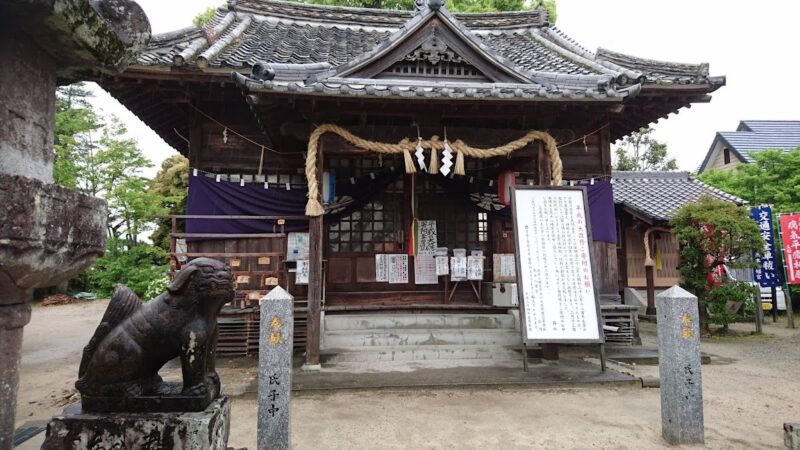
Complete Guide to Yodohime Shrine (Saga Prefecture) | History, Benefits, and Visiting Information for the Ichinomiya of Hizen Province
Yodohime Shrine, located in Yamato-cho, Saga City, Saga Prefecture, is a venerable shrine that has long been revered as the Ichinomiya (first-ranked shrine) of Hizen Province. Situated on the banks of the clear waters of the Kawakami Gorge, this shrine is affectionately known as “Yodohime-san” by locals and is worshipped by many as the goddess of water and rivers.
This article comprehensively introduces all the information you need to know before visiting Yodohime Shrine, including its history, enshrined deities, highlights within the grounds, benefits, festivals, and access methods.
About Yodohime Shrine | The Status and History of the Ichinomiya (First Shrine) of Hizen Province
Basic Information and Alternative Names of the Shrine
Yodohime Shrine is formally pronounced “Yodohime Jinja” and is also written as “与止日女神社”. It is also known as “Kawakami Jinja” and is affectionately called “Yodohime-san” or “Yodohime-san” by local residents.
The shrine is located at 1-1 Kawakami, Yamato-cho, Saga City, Saga Prefecture, on the banks of the Kawakami River, a tributary of the Kase River, in the scenic Kawakami Gorge. This location symbolizes its role as a guardian deity of water.
Status as a Shikinaisha and Ichinomiya of Hizen Province
Yotohime Shrine is a Shikinaisha (a shrine listed in the Engishiki Jinmyocho, a compilation of shrines from the Heian period) listed as “Yotohime Shrine.” A Shikinaisha is a historically significant shrine listed in the Engishiki Jinmyocho, signifying a high-ranking shrine recognized by the imperial court since ancient times.
Even more important is its status as the Ichinomiya (first-ranked shrine) of Hizen Province. An Ichinomiya was the shrine with the highest rank in each province under the Ritsuryo system, and it was established as the “Ichinomiya of Hizen” during the Oho era of Emperor Nijo (around 1161). In 1261, it was granted the highest rank of Shinto deity, Sho-ichii, further demonstrating its high status.
The shrine’s former rank was Prefectural Shrine, and it had strong ties to the Kokuga (provincial government office under the Ritsuryo system), playing a central role in the region’s politics and culture.
History and Origin
The Yotohime Shrine is said to have been founded in the 25th year of Emperor Kinmei’s reign (564 AD). This is approximately 1460 years ago, a very early period in Japan’s ancient history. This period was shortly after the introduction of Buddhism to Japan, a time of great transformation in Japanese religious culture.
Since its founding, the Yotohime Shrine has been deeply revered as a guardian deity of the region and as a goddess of water. Especially during times when agriculture was central, it played a vital role in people’s lives as a deity who prevented river floods and protected irrigation water.
From the medieval period onward, it attracted the reverence of samurai families, and in the early modern period, it received protection from the Nabeshima family, the lords of the Saga Domain, thus playing a role as a spiritual pillar of the region throughout history.
Deity Enshrined | Yodohime-no-Mikoto and Her Divine Nature
Main Deity: Yodohime-no-Mikoto
The main deity enshrined at Yodohime Shrine is Yodohime-no-Mikoto (also written as Koshihime-no-Mikoto). This deity is the guardian deity of the Kawakami River and is worshipped as the goddess of the sea, river, and water.
Yodohime-no-Mikoto is said to be the younger sister of Empress Jingu and has been revered since ancient times as the goddess who controls water. Water is the source of life and is indispensable for agriculture. Yodohime-no-Mikoto has watched over the lives of the people of the region, bringing the blessings of water to them and protecting them from floods.
Worship as a Water Goddess
The reason why Yodohime Shrine is particularly revered as a “water goddess” is deeply related to its location. This shrine, nestled on the banks of the Kawakami Gorge, is truly a sacred place intertwined with water.
Since ancient times, the Japanese have revered water as sacred, believing that gods reside in clear streams. Yotohime Shrine has served as a center of this water worship, functioning as a place to pray for a stable supply of agricultural water, protection from floods, and safe navigation.
Even today, many worshippers visit to express gratitude for the blessings of water and to pray for protection from water-related disasters.
Highlights of the Shrine Grounds | Harmony of Cultural Properties and Nature
Third Torii Gate (Saga City Important Cultural Property)
A particularly noteworthy feature within the grounds of Yotohime Shrine is the Third Torii Gate, designated as a Saga City Important Cultural Property. This torii gate, also known as a “Bizen Torii,” captivates visitors with its elegant form.
Bizen Torii gates are characterized by their thick, stable pillars and a structure in which horizontal beams called “nuki” penetrate the pillars. This structure holds great historical value and is an important building that conveys the dignity of the shrine to this day.
The Sacred Camphor Tree (Designated as a Protected Tree)
Within the shrine grounds stands a gigantic camphor tree designated as a protected tree. Estimated to be several hundred years old, this sacred tree is a living witness that has watched over the history of Yotohime Shrine.
The trunk circumference of the camphor tree is several meters, and its majestic presence further enhances the sacred atmosphere of the shrine. Many worshippers clasp their hands together in front of this sacred tree, praying for longevity and good health.
Characteristics of the Shrine Architecture
The shrine buildings of Yotohime Shrine consist of a worship hall, a middle hall, and a main sanctuary. These buildings preserve the traditional style of shrine architecture, creating a serene atmosphere.
In particular, the main sanctuary is a sacred space, and general access is restricted, with solemn rituals being performed throughout the year.
The Natural Beauty of Kawakami Gorge
One of the greatest attractions of Yotohime Shrine is the beautiful natural environment of Kawakami Gorge. The gorge, created by the clear waters of the Kase River, displays different expressions in each of the four seasons.
You can enjoy different scenery in each season: fresh greenery in spring, deep green in summer, autumn leaves in fall, and a crisp silence in winter. In particular, the reflection of the shrine on the water’s surface is known as a breathtaking sight that evokes an ancient atmosphere.
Kawakami Gorge is also called “Kyushu’s Arashiyama” and is a popular tourist destination. Many visitors enjoy this natural beauty in conjunction with their visit to Yotohime Shrine.
Benefits and Faith | Divine Virtues Continuing to the Present
Protection from Water Disasters and Safe Voyages
The main benefits of Yotohime Shrine, which enshrines the god of water, are protection from water disasters and safe voyages. For centuries, fishermen and sailors have prayed here for safe voyages, and people enjoying river activities and marine sports also visit to pray for protection from water-related disasters.
Prosperity of Agriculture and Various Industries
Water is the foundation of agriculture. Yotohime Shrine has long protected local agriculture as a place to pray for bountiful harvests and a stable supply of irrigation water.
In modern times, many visitors pray not only for agriculture but also for the prosperity of all industries, and business owners can be seen praying for business development and success.
Protection from Evil and Traffic Safety
As a guardian deity of all aspects of life, the shrine is also believed to offer protection from evil and traffic safety. Traffic safety, in particular, is a major reason why many visitors come to the shrine in today’s car-dependent society.
Matchmaking and Family Safety
As a shrine dedicated to a goddess, it is also believed to offer blessings for matchmaking, family safety, and prayers for conception and safe childbirth. Many visitors come to this shrine at significant life events, praying for a happy family life.
Annual Festivals and Events
River Opening Ceremony (Mid-March)
Every year in mid-March, the Kawakami Gorge River Opening Ceremony takes place. This event heralds the arrival of spring and is an important local event celebrating the start of the tourist season. At Yotohime Shrine, a Shinto ritual is performed during this time to pray for water safety and abundant blessings.
Autumn Grand Festival and Niiname-sai Festival (November 18th)
On November 18th, the Autumn Grand Festival and Niiname-sai Festival are held with great fanfare. The Niiname-sai Festival is an important festival to give thanks for the year’s harvest and pray for a bountiful harvest.
On this day, many local residents participate, and traditional festival rituals such as the dedication of Kagura (sacred dance) and the procession of portable shrines take place. It is a valuable opportunity to pass on local culture and is cherished by many people.
Other Annual Events
Various Shinto rituals are performed throughout the year, including the New Year’s Day Festival, the Setsubun Festival, and the Summer Purification Ceremony. These rituals strengthen the bonds of the local community and play a role in passing on traditional culture to future generations.
Kawakami Shrine Documents | Ancient Documents Designated as Important Cultural Properties
Yotohime Shrine possesses a collection of ancient documents known as the “Kawakami Shrine Documents,” which are designated as Important Cultural Properties of Japan.
These documents record the history of the shrine from the medieval to the early modern period, the political and social conditions of the region, and the changes in religious rituals, making them extremely valuable historical materials for the study of Japanese history.
The documents include donation documents from samurai families and the imperial court, records of Shinto rituals, and documents showing land rights, conveying the role that Yotohime Shrine has played in the local community.
Information and Etiquette for Visiting the Shrine
Etiquette for Visiting the Shrine
When visiting Yotohime Shrine, please observe the following basic etiquette:
- Bow before passing through the torii gate: As a sign of respect before entering the sacred area, bow before the torii gate.
- Purify yourself at the water basin: Purify your left hand, then your right hand, then your mouth, and finally purify the ladle in your left hand.
- Walking along the approach: The center of the approach is considered the path of the gods, so walk along the sides.
- Etiquette at the main hall: Pray using the two bows, two claps, and one bow method.
About Goshuin (Shrine Seals)
You can receive a goshuin (shrine seal) at Yotohime Shrine. It is available at the shrine office, and the offering fee is usually around 300 yen. You can bring your own goshuincho (seal book) or purchase one on the spot.
The Goshuin (seal) of Hizen Province’s Ichinomiya (first-ranked shrine) holds special value for those who visit shrines, and many visitors receive it as a memento.
Visiting Hours and Shrine Office
While the shrine grounds are generally open for free visits, the shrine office is open from approximately 9:00 AM to 5:00 PM. If you wish to receive prayers or a Goshuin, it is recommended to visit within these hours.
Please note that hours may change during the New Year holidays and festival days; it is recommended to check in advance.
Access and Parking Information
Access by Car
From the Nagasaki Expressway:
- Approximately 5 minutes from the Saga Yamato Interchange
- Take National Route 263 towards Kawakami Gorge
From the center of Saga City:
- Head north on National Route 263 for approximately 20 minutes
- Follow the signs for Kawakami Gorge
Parking:
Free parking is available around the shrine. While there is usually ample parking space, it can become full during peak seasons such as the first three days of the New Year and the Autumn Grand Festival, so it is recommended to allow plenty of time for your visit.
Access by Public Transportation
By JR:
- Approximately 30 minutes by bus from JR Saga Station
- Take the Saga City Bus bound for “Yamato Onsen Hospital”
- Get off at the “Yotohime Shrine” bus stop and it’s a short walk.
Since bus services are limited, it is recommended to check the timetable in advance.
By Taxi:
Approximately 20 minutes by taxi from JR Saga Station, the fare is around 3,000 yen.
Surrounding Facilities and Access Information
Around Yotohime Shrine, there are Kawakami Gorge Onsen (hot springs), restaurants, souvenir shops, and more, allowing you to enjoy sightseeing in conjunction with your visit. The Kawakami Gorge area is particularly bustling with tourists during the cherry blossom season in spring and the autumn foliage season.
Nearby Tourist Attractions
Kawakami Gorge Hot Springs
Within walking distance of Yotohime Shrine is Kawakami Gorge Hot Springs. Relaxing in the hot springs after your visit is highly recommended. Some facilities offer day-use bathing, allowing you to enjoy a leisurely time while gazing at the clear stream.
Kawakami Gorge Cruise
From spring to autumn, sightseeing boats operate on the Kawakami Gorge. The beauty of the gorge viewed from the river is exceptional, allowing you to appreciate the natural beauty from a different perspective than within the grounds of Yotohime Shrine.
Hizen Province Ichinomiya Pilgrimage
Those interested in history and shrines may also consider visiting Chikuri Hachimangu Shrine (Miyaki Town), another Ichinomiya of Hizen Province. The number of visitors to both shrines as part of a Hizen Province Ichinomiya pilgrimage is increasing.
The Charm of Yodohime Shrine | A Faith Rooted in the Community
The Heart of the Local Community
Yodohime Shrine is not merely a tourist destination, but a place of faith deeply rooted in the lives of local residents. Affectionately known as “Yodohime-san” by locals, many people visit the shrine during life’s milestones and seasonal events.
The shrine also functions as a place of relaxation; the quiet space within the grounds is cherished by local residents as a place to escape the hustle and bustle of everyday life and find peace of mind.
A Sacred Place in Harmony with Nature
Nestled amidst the rich natural beauty of Kawakami Gorge, Yodohime Shrine is an ideal sacred place where nature and faith harmonize. The sounds of nature—the babbling of the clear stream, the rustling of the trees, and the chirping of birds—heal the hearts of visitors.
Visiting during the quiet hours of early morning will allow you to feel the sacred atmosphere even more strongly.
Cultural Heritage that Conveys History to the Present
Yotohime Shrine, with its history spanning over 1400 years, is a valuable cultural heritage site in Saga Prefecture. It boasts numerous elements of high historical value, including its status as a Shikinaisha (a shrine listed in the Engishiki, an ancient Japanese legal text) and the Ichinomiya (first-ranked shrine) of Hizen Province, ancient documents designated as Important Cultural Properties, and the San-no-Torii (third torii gate), a city-designated cultural property.
These cultural assets are not merely relics of the past, but bridges connecting us, who live in the present, to history.
Guidelines for Worship and Modern Significance
A Place to Reaffirm the Importance of Water
In modern society, we take it for granted that water flows from the tap, but visiting Yotohime Shrine allows us to reaffirm the preciousness of the blessing of water.
This shrine, dedicated to the god of water, is a place that reminds us of our gratitude towards nature. In today’s world, where environmental problems are becoming increasingly serious, cultivating a respect for water is of great significance.
Preserving Traditional Culture
The annual events and festivals held at Yotohime Shrine are important opportunities to pass on the region’s traditional culture to future generations. Learning about Kagura (sacred dance), festival rituals, and the meaning of Shinto ceremonies deepens one’s understanding of Japanese traditional culture.
Shrines as a Place of Spiritual Rest
Modern people are exposed to various stresses, but the tranquil space of a shrine functions as a place to regain inner peace. Spending time on the grounds of Yotohime Shrine will be a valuable opportunity to reflect on oneself and find inner peace.
Summary | Recommendation for Visiting Yotohime Shrine
Yotohime Shrine boasts a history of over 1400 years as the Ichinomiya (first-ranked shrine) of Hizen Province, and is a venerable shrine that attracts fervent devotion as the god of water and rivers. The shrine grounds, embraced by the beautiful nature of Kawakami Gorge, display different expressions throughout the seasons, healing the hearts of visitors.
With its high status as a Shikinaisha (a shrine listed in the Engishiki), its important cultural property—ancient documents—the third torii gate designated as a city cultural property, and sacred trees hundreds of years old, this shrine retains numerous elements of high historical and cultural value, making it a representative cultural heritage of Saga Prefecture.
It offers a wide range of blessings related to all aspects of life, including protection from water-related disasters, prosperity in agriculture and various industries, protection from evil, and traffic safety, and is a familiar presence affectionately known as “Yodohime-san” by local residents.
When visiting Saga, be sure to pay your respects at Yodohime Shrine and experience its history, nature, and the divine blessings of the water god. The gentle murmur of the clear stream and the tranquil grounds will surely bring peace to your heart.
Basic Information about Yotohime Shrine
- Address: 1-1 Kawakami, Yamato-cho, Saga City, Saga Prefecture
- Phone: 0952-62-5705
- Visiting Hours: Grounds are open freely (Shrine office: 9:00 AM – 5:00 PM)
- Parking: Free parking available
- Access: Approximately 5 minutes by car from Saga Yamato IC, approximately 30 minutes by bus from JR Saga Station