Itsukushima Shrine (Umeno, Fuji-cho, Saga City, Saga Prefecture) Complete Guide | Thorough Explanation of Goshuin, Access, History, and Highlights
Itsukushima Shrine, located in Umeno, Fuji-cho, Saga City, Saga Prefecture, is a tranquil shrine embraced by the rich nature of the Seburi mountain range. While not as well-known as the Itsukushima Shrine in Hiroshima Prefecture, it is a historical shrine that continues to attract local faith and is a sacred site worth visiting. This article provides a detailed explanation of Itsukushima Shrine (Umeno, Fuji-cho, Saga City, Saga Prefecture), including its history, enshrined deities, goshuin information, access methods, and highlights—all the information you should know before visiting.
What is Itsukushima Shrine (Umeno, Fuji-cho, Saga City, Saga Prefecture)?
Itsukushima Shrine is located in Umeno, Fuji-cho, Saga City, Saga Prefecture, and enshrines Ichikishima-hime no Mikoto as its main deity. Fuji-cho is located in the mountainous northern part of Saga City and is known as a region rich in nature. The Umeno district is a settlement nestled at the foot of the Seburi mountain range, a land where agriculture and forestry have been practiced since ancient times.
The name Itsukushima Shrine is commonly found in shrines dedicated to Ichikishimahime-no-Mikoto, one of the three Munakata goddesses, and there are shrines with the same name throughout Japan. While there are several Itsukushima Shrines in Saga Prefecture, the Itsukushima Shrine in Umeno, Fuji-cho, remains a central hub of local faith and is still cherished by the local people.
Deities enshrined at Itsukushima Shrine
Main deity: Ichikishimahime-no-Mikoto
Ichikishimahime-no-Mikoto is one of the three Munakata goddesses, born from the oath (ukei) between Amaterasu-Omikami and Susanoo-no-Mikoto. She is widely worshipped as the goddess of water, maritime traffic, performing arts, and wealth. Due to her syncretism with the Buddhist goddess Benzaiten, she is also affectionately known as Benten-sama.
Known as a goddess of beauty, she is believed to bestow a wide range of blessings, including those related to beauty, art, academics, and business prosperity. She is particularly strongly associated with water worship, attracting the faith of people seeking to secure agricultural water and protection from floods.
History and Origins of Itsukushima Shrine
While there are no clear records of the founding date of Itsukushima Shrine in Umeno, Fuji-cho, Saga City, local tradition suggests it was established as a center of water deity worship during the medieval to early modern period.
The Umeno area is located in a mountainous region blessed with abundant water resources. In this area, where agriculture has been practiced since ancient times, there has been deep faith in Ichikishimahime-no-Mikoto as a goddess who brings the blessings of water, and she has been revered as a goddess for bountiful harvests and protection from water-related disasters.
During the Edo period, it developed as part of the Saga Domain and was closely intertwined with the lives of the villagers as the local tutelary deity. Even after the Meiji Restoration’s separation of Shinto and Buddhism, it continued to be protected as the local guardian deity and continues to attract the faith of local people to this day.
Umeno district is located in a mountainous area and is blessed with abundant water resources. ### The Connection Between Itsukushima Shrine and the Local Community
Itsukushima Shrine in Umeno, Fuji-cho, is not merely a religious facility, but has also played a central role in the local community. During the autumn festival, local residents gather, and the shrine participates in portable shrine processions and dedication ceremonies, creating a place for intergenerational exchange.
In recent years, maintaining shrines has become a major challenge for mountainous and rural areas facing depopulation and an aging population. However, thanks to the efforts of parishioners and local residents, the shrine grounds are kept clean, and traditional festivals are preserved.
The Blessings and Divine Virtues of Itsukushima Shrine
Itsukushima Shrine, which enshrines Ichikishimahime-no-Mikoto, is believed to offer the following blessings:
Main Benefits
- Protection from Water Disasters and Maritime Safety: As a water deity, protection from water-related disasters.
- Agricultural Prosperity: As the guardian deity of agricultural water, prayers for a bountiful harvest are offered.
- Business Prosperity: As Benzaiten (a goddess of fortune and wealth), success in business and increased financial fortune are offered.
- Improvement in Performing Arts: Improvement in arts, music, and performing arts.
- Academic Achievement: Faith as the goddess of wisdom and learning.
- Matchmaking: As a beautiful goddess, success in finding a good partner is offered.
- Beauty and Health: Faith as the goddess of beauty.
In particular, farmers in the Umeno area still maintain the custom of visiting the shrine before rice planting and during harvest season to pray for a bountiful harvest.
How to Access Itsukushima Shrine
Itsukushima Shrine in Umeno, Fuji-cho, Saga City, is located in a mountainous area, so access by car is convenient.
Access by Car
From Saga City Center
- Head north on National Route 263 towards Fuji-cho
- Travel time: Approximately 40-50 minutes
- Parking: Several spaces available on the temple grounds or nearby (please confirm availability)
From Fukuoka City
- Take the Fukuoka Urban Expressway to National Route 263
- Travel time: Approximately 1 hour to 1 hour 20 minutes
Car Navigation Settings
- Address: Umeno, Fuji-cho, Saga City, Saga Prefecture
- *We recommend confirming the exact address in advance.
Access by Public Transportation
Public transportation access is limited. Since it is a considerable distance from the nearest bus stop, visiting by car is recommended.
Nearest Station
- Approximately 40 minutes by car from JR Nagasaki Main Line “Saga Station”
Local Bus
- Use Saga City Bus or Showa Bus bound for Fujimachi
- However, there may be a considerable distance to walk from the bus stop to the shrine.
- It is recommended to inquire with the Saga City Transportation Bureau or bus company in advance.
Notes on Access
- Due to the mountainous area, there is a possibility of snow and icy roads in winter.
- You may be driving on narrow mountain roads, so caution is required.
- If your car navigation system’s map data is outdated, the exact location may not be displayed.
- There may be areas with weak cell phone reception, so it is recommended to check the map in advance.
Itsukushima Shrine Grounds and Highlights
Itsukushima Shrine in Umeno, Fujimachi, Saga City, is not large in scale, but its charm lies in its simple and tranquil atmosphere.
Shrine Buildings
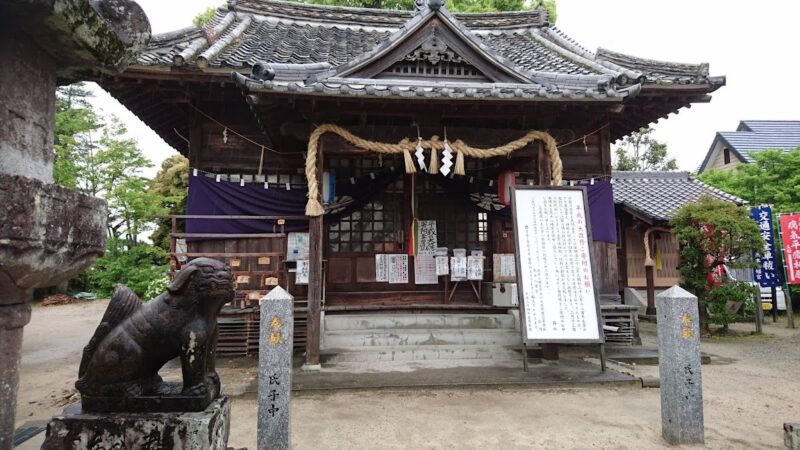
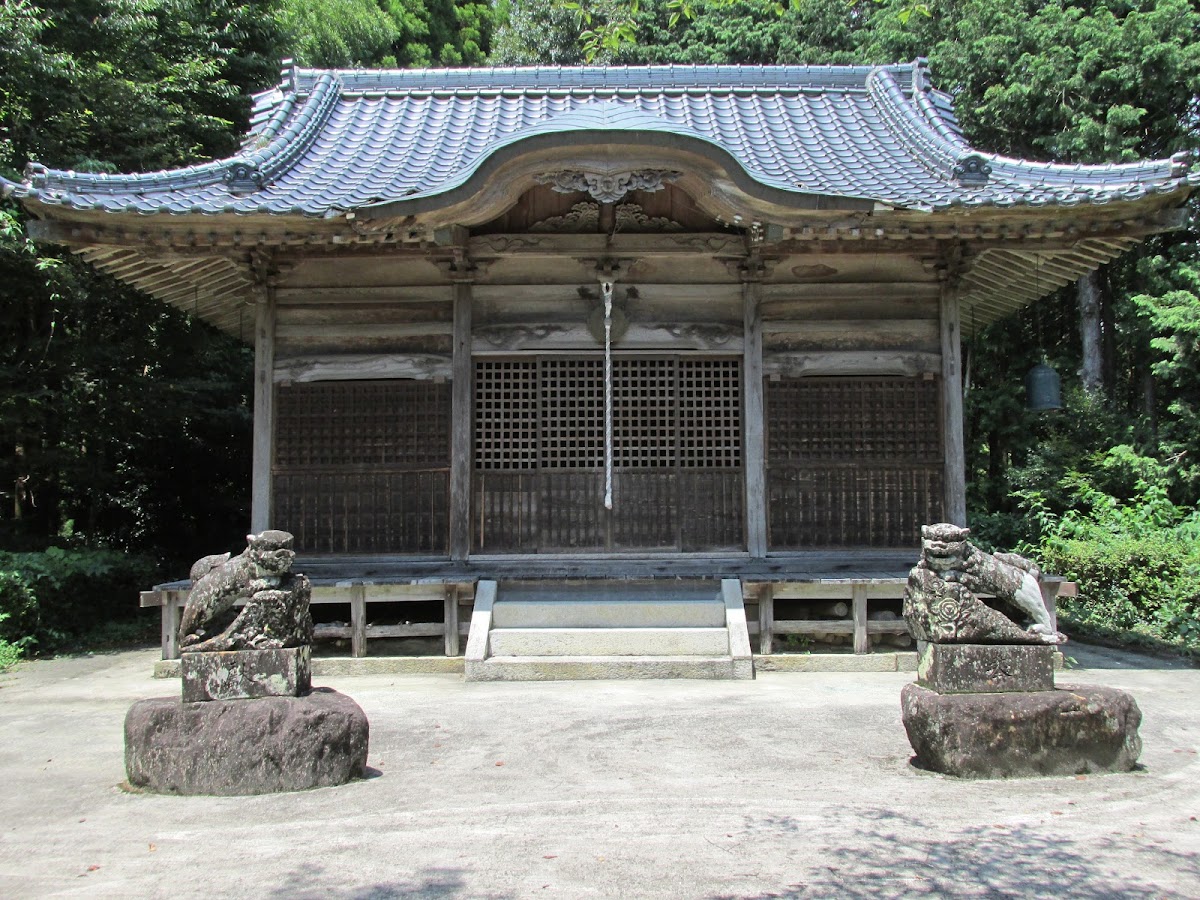
The main hall is built in the traditional shrine architectural style and is carefully maintained despite its simplicity. The shrine’s appearance reflects its history, preserved by the local parishioners.
Nature within the Shrine Grounds
The shrine grounds are surrounded by abundant nature, allowing visitors to enjoy the changing scenery of each season.
- Spring: Beautiful fresh greenery and refreshing air.
- Summer: Deep green trees create cool shade, making it ideal for escaping the summer heat.
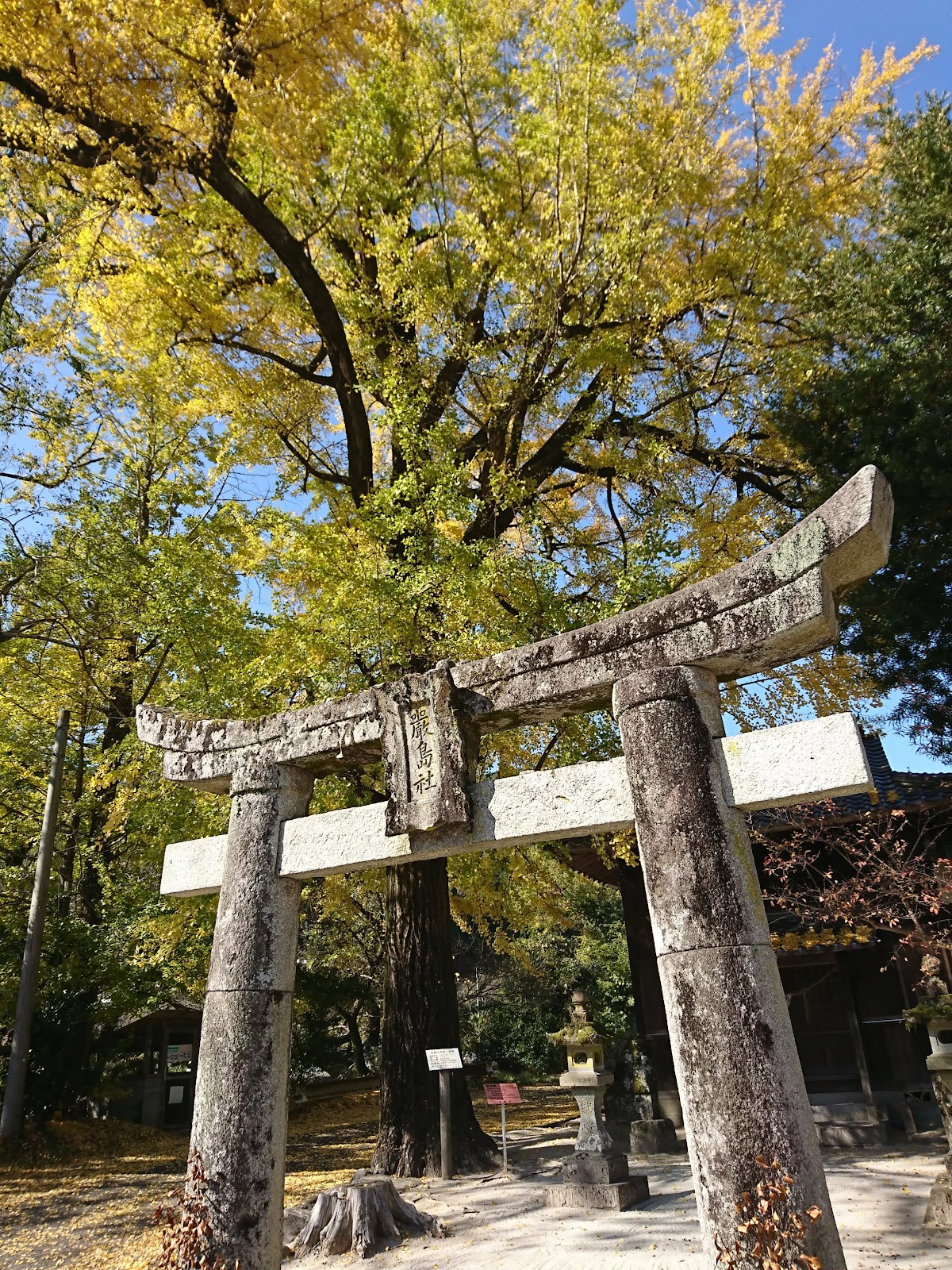
- Autumn: Autumn leaves adorn the grounds, creating a beautiful landscape amidst the tranquility.
- Winter: Snow-covered grounds exude a fantastical atmosphere.
Water Sources and Clear Streams
As befits a shrine dedicated to the water god, clear water flows nearby. Spring water and streams from the Seburi mountain range further enhance the sacred atmosphere of the shrine.
Information on Goshuin (Shrine Seals) at Itsukushima Shrine
Availability of Goshuin
Regarding the issuance of Goshuin at Itsukushima Shrine in Umeno, Fuji-cho, Saga City, there may not be a resident priest. For smaller shrines, the following procedures are generally followed:
- If the chief priest also serves at other shrines, prior contact is necessary.
- Goshuin (shrine stamps) may only be given on special days such as annual festivals.
- They may be managed by another nearby shrine.
Those wishing to receive a Goshuin are advised to inquire in advance with Saga City, the local tourism association, or a nearby shrine.
Manners for Receiving a Goshuin
A Goshuin is proof of worship, not a stamp rally. Please observe the following manners:
- Complete your worship first before receiving a Goshuin.
- Prepare a Goshuincho (notebook or group stamp book is not acceptable).
- Prepare a donation (300-500 yen is common).
- Remember to express your gratitude to the Shinto priest.
Itsukushima Shrine’s Annual Festival and Annual Events
Autumn Annual Festival
Like many shrines, Itsukushima Shrine is believed to hold its annual festival in the autumn. Local parishioners gather to express gratitude for a bountiful harvest and pray for a good harvest in the coming year.
First Shrine Visit of the Year
During the New Year, local residents visit the shrine for their first shrine visit of the year, praying for safety and well-being throughout the year. Unlike large shrines in urban areas, it is not crowded, allowing for a peaceful New Year’s prayer.
Tourist Spots Around Itsukushima Shrine
Fuji-cho in Saga City is a region rich in nature, with numerous tourist spots to visit in conjunction with a visit to Itsukushima Shrine.
Fuji Shakunage Lake (Kitayama Lake)
This artificial lake was formed by the Kitayama Dam, and in spring, approximately 50,000 rhododendrons bloom along the lakeshore. It is a leisure spot where you can enjoy canoeing and boating.
Kitayama Youth Nature Center
This facility offers nature experiences and camping, and is popular with families.
Furuyu Onsen/Kumanokawa Onsen
Fuji-cho has historic hot spring resorts, perfect for relaxing after a visit to the shrine. Furuyu Onsen, known for its lukewarm waters, is famous for its skin-beautifying properties.
Mt. Seburi
Located on the border of Saga and Fukuoka prefectures, this mountain, with an elevation of 1,055m, offers opportunities for mountain climbing and hiking. The view from the summit is spectacular.
Michi-no-Eki Yamato
This roadside station, located in Yamato-cho, Saga City, offers fresh local produce and specialty products. It’s easily accessible from Fuji-cho.
Manners and Precautions When Visiting a Shrine
Basic Manners for Visiting a Shrine
- Bow before passing through the torii gate: This is a courtesy before entering the sacred area.
- Walk along the edge of the path: The center is considered the path of the gods.
- Purify yourself at the water basin: If there is a water basin, purify your hands and mouth.
- Two bows, two claps, one bow: This is the general etiquette for visiting a shrine.
- Refrain from talking: Please pray quietly.
Precautions Unique to Shrines in Mountainous Areas
- Clothing: Since you may be walking on mountain paths, wear comfortable shoes and clothing that allows for easy movement.
- Insect repellent: There may be many insects in the summer.
- Check the weather: Weather in mountainous areas can change quickly, so check beforehand.
- Mobile phone: Reception may be weak, so check emergency contact information beforehand.
- Take your trash home: For the sake of nature conservation, please be sure to take your trash home.
The Charm and Value of Visiting Itsukushima Shrine
Itsukushima Shrine in Umeno, Fuji-cho, Saga City, may lack the glamour of famous tourist destinations, but that’s precisely what gives it its unique charm.
Worship in Tranquility and Nature
Away from the hustle and bustle of the city, being able to worship quietly amidst nature is a refreshing experience for the soul. Listening to the birdsong, the sound of the wind, and the rustling of the trees while praying offers a healing experience unlike anything found in everyday life.
Experiencing Local Faith
Because it’s not a touristy shrine, you can experience the simple faith of the local people. You can feel the history and culture of the region that has been passed down through generations.
Gratitude to the Water God
In modern times, we live convenient lives where water flows from the tap, but visiting a shrine in a mountainous area allows us to renew our gratitude for the blessing of water.
About the Umeno District of Fuji-cho
The Umeno district of Fuji-cho, where Itsukushima Shrine is located, is a mountain village in the northernmost part of Saga City.
Regional Characteristics
- Natural Environment: A region surrounded by the rich natural beauty of the Seburi mountain range.
- Industry: Primarily agriculture and forestry, with a particularly thriving rice cultivation industry.
- Population: While depopulation is progressing, the community remains close-knit.
- Culture: A region where traditional rural culture remains.
Regional Challenges and Initiatives
Like many mountainous and hilly regions, the Umeno area faces the challenges of depopulation and an aging population. However, local residents are working together to maintain the shrine and preserve traditional events, and are also undertaking initiatives to attract new residents and revitalize the region.
Fuji Town Sightseeing Model Course Including a Visit to Itsukushima Shrine
We introduce a model day trip course that allows you to fully enjoy the charms of Fuji Town, along with a visit to Itsukushima Shrine.
Example Day Trip Course
Morning
- 9:00 Departure from Saga City
- 9:40 Visit to Itsukushima Shrine (Umeno, Fuji-cho, Saga City) (30 minutes)
- 10:30 Stroll around Fuji Shakunage Lake (1 hour)
Lunch
- 12:00 Hot spring bath and lunch at Furuyu Onsen or Kumanokawa Onsen (2 hours)
Afternoon
- 14:00 Hiking around Kitayama Youth Nature Center (1 hour)
- 15:30 Shopping at Michi-no-Eki Yamato (30 minutes)
- 16:30 Return to Saga City
Example 2-Day/1-Night Course
Day 1
- Morning: Visit to Itsukushima Shrine, stroll around Fuji-cho
- Afternoon: Climb Mt. Seburi or canoe experience at Kitayama Lake
- Evening: Stay at a ryokan in Furuyu Onsen or Kumanokawa Onsen
Day 2
- Morning: Stroll through the hot spring town, visit the local morning market
- Afternoon: Sightseeing spots in Saga City (e.g., Saga Castle Honmaru History Museum)
Frequently Asked Questions about Itsukushima Shrine
Q: Is Itsukushima Shrine open year-round for worship?
A: The shrine itself is usually open year-round for worship. However, the shrine office and gift shop may not always be open, so if you wish to obtain a goshuin (shrine stamp) or amulet, you should check in advance.
Q: Is there parking available?
A: As it is a small shrine, there may not be a large dedicated parking lot. We recommend checking in advance if there is space to park a few cars near the shrine grounds.
Q: Is it accessible for wheelchair users?
A: As it is a shrine located in a mountainous area, barrier-free access may be difficult. There are often steps and stairs, so we recommend checking in advance.
Q: Can I bring my pet to the shrine?
A: Policies vary depending on the shrine, but generally, it is possible if the pet is on a leash and proper etiquette is followed. However, consideration must be given to avoiding littering the shrine grounds and disturbing other visitors.
Q: Is photography allowed?
A: Generally, photography of the shrine grounds is permitted, but photography inside the main hall or during religious ceremonies may be prohibited. Please check before taking photos and remember to be considerate of other visitors.
Summary: The Charm of Itsukushima Shrine (Umeno, Fuji-cho, Saga City, Saga Prefecture)
Itsukushima Shrine in Umeno, Fuji-cho, Saga City, Saga Prefecture, is a shrine with hidden charms not found in tourist guidebooks. It enshrines Ichikishimahime-no-Mikoto and has a long history as a center of local faith, praying for the blessings of water and agricultural prosperity.
While it lacks the flashiness of famous tourist spots, its greatest charm lies in the tranquil grounds surrounded by abundant nature, allowing for peaceful worship. Leaving the hustle and bustle of the city behind, experiencing the simple faith that has continued since ancient times at this mountain village shrine, which can be considered a quintessential Japanese landscape, will leave a deep impression on the hearts of visitors.
Itsukushima Shrine in Umeno, Fuji-cho, Saga City, Saga Prefecture, is a shrine with hidden charms not found in tourist guidebooks. Combined with the beautiful nature, hot springs, and warmth of the local people of Fuji Town, a visit to Itsukushima Shrine will be a journey to discover the hidden charms of Saga Prefecture. Why not pay a visit sometime?
When visiting, please remember to show respect to the local people, cherish nature, and observe proper etiquette. A visit while reflecting on the efforts of the community to maintain this small shrine will surely be a special experience.