Hachiman Shrine (Nakahara, Kase-cho, Saga City, Saga Prefecture) Complete Guide: History, Benefits, and Access Information
Hachiman Shrine, located at 93 Nakahara, Kase-cho, Saga City, Saga Prefecture, is a historical shrine deeply rooted in the local community. This article provides detailed information you should know before visiting, including the enshrined deities, benefits, history, highlights of the grounds, and access methods.
Basic Information about Hachiman Shrine
Location and Contact Information
Location: 93 Nakahara, Kase-cho, Saga City, Saga Prefecture 840-0861
Located in the Nakahara district of Kase-cho, Hachiman Shrine has long been revered as the guardian deity of the surrounding residents. It is situated southwest of central Saga City, nestled in a quiet residential area.
About the Deities Enshrined
The deities enshrined at Hachiman Shrines are generally the following:
- Emperor Ōjin: The 15th Emperor and the principal deity of Hachiman Shrine
- Empress Jingū: The mother of Emperor Ōjin
- Hime Ōkami: One of the three Munakata goddesses
Hachiman originates from Usa Shrine (Ōita Prefecture), the head shrine of approximately 44,000 Hachiman shrines throughout Japan. Hachiman has long been worshipped by samurai as a god of military fortune and victory.
Benefits of Hachiman Shrine
Main Benefits
Hachiman Shrine is believed to offer the following benefits:
- Good Fortune and Victory: Due to its nature as a god of war, it is believed to bring good fortune in various competitive situations such as exams, competitions, and business.
- Protection from Evil and Disaster: As the guardian deity of the region.
- Family Safety: Protecting the health and peace of the family.
- Child-rearing and Safe Childbirth: Because Empress Jingu safely gave birth to Emperor Ojin here.
- Traffic Safety: In modern times, it is a prayer for safety in a car-dependent society.
- Business Prosperity: As the guardian deity of the local economy.
Role as the Guardian Deity of the Region
As the guardian deity of the Nakahara district of Kase Town, Hachiman Shrine is the spiritual center of the local community. It is a place of worship for residents at important life events such as New Year’s visits, Shichi-Go-San (a traditional rite of passage for children), and exorcisms, as well as a place to express daily gratitude.
History of Hachiman Shrines
Origin of Founding
While the exact founding date of the Hachiman Shrine in Kase-cho, Saga City, is often not clearly recorded, it is believed that many Hachiman shrines in various regions were established during the medieval to early modern periods through the faith of local influential figures and villagers.
Saga Region and Hachiman Faith
Saga Prefecture was a region ruled by samurai forces such as the Shōni and Ryūzōji clans from the Kamakura period to the Sengoku period. The faith in Hachiman, the god of war, spread mainly among the samurai class and later permeated among the common people. During the Edo period, under the rule of the Saga Domain (Nabeshima Domain), each village enshrined its own tutelary deity, becoming a spiritual pillar of the region.
Development Since the Modern Era
After the Meiji Restoration’s separation of Shinto and Buddhism, many shrines were reorganized, but Hachiman shrines, as tutelary deities of their regions, have been maintained as places of worship for local residents. Even after the war, they have been carefully preserved by local parishioners and continue to this day.
Highlights of the Shrine Grounds
Shrine Buildings and Worship Hall
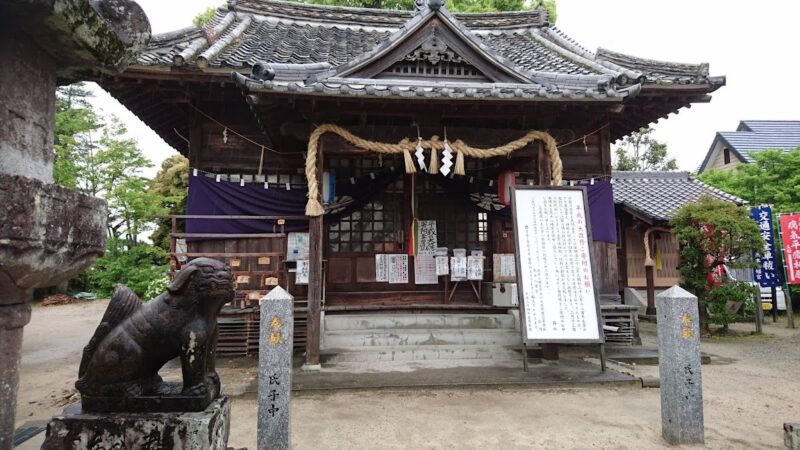
The shrine buildings of Hachiman Shrine exhibit a tranquil appearance befitting a local shrine. Regular maintenance ensures a clean and welcoming environment for worshippers.
Torii Gate
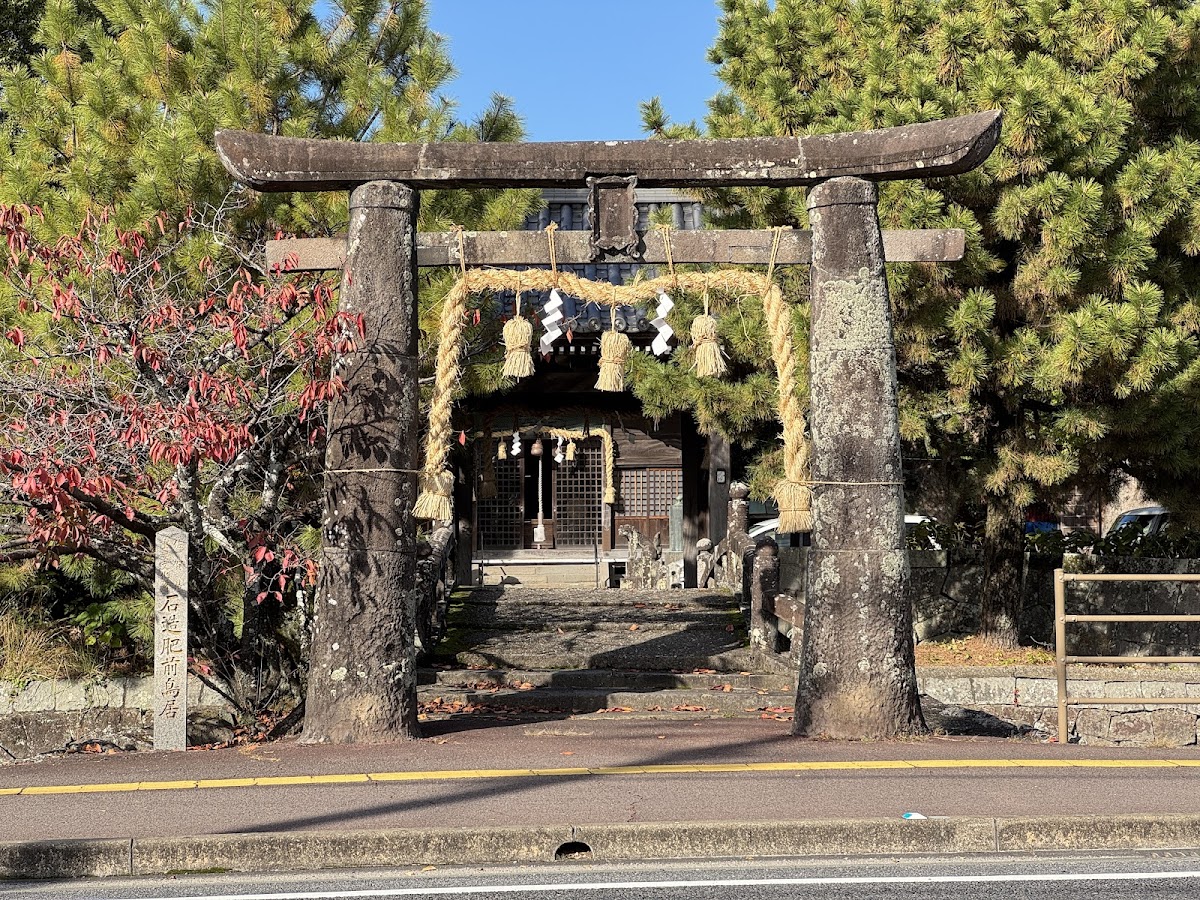
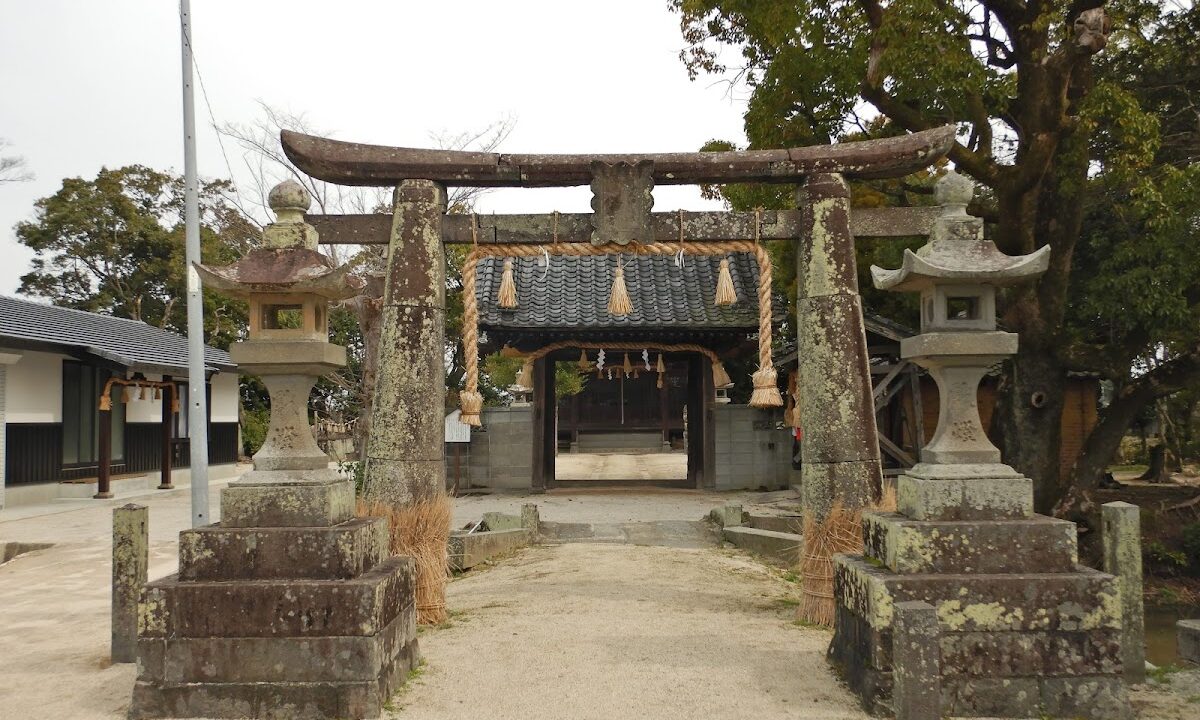
Passing through the torii gate, the entrance to the sacred area, marks a transition from everyday life to a sacred space. Bowing before the torii gate before entering the shrine grounds is the proper etiquette for worshippers.
Atmosphere of the Shrine Grounds
Despite being located in a residential area, the shrine grounds are enveloped in a serene atmosphere. Surrounded by trees, it’s a healing place that allows you to forget the hustle and bustle of city life.
Seasonal Scenery
- Spring: Beautiful fresh greenery and refreshing air.
- Summer: Cool shade and the sound of cicadas.
- Autumn: Autumn leaves and fallen leaves adorn the shrine grounds.
- Winter: A quiet and peaceful atmosphere for worship.
Annual Events and Festivals
Main Annual Events
The following annual events are generally held at local Hachiman shrines:
January
- New Year’s Day Festival/First Shrine Visit: Prayers for safety and prosperity in the new year.
- Sagicho (Dondo-yaki): Burning of New Year’s decorations.
February
- Setsubun Festival: Bean-throwing to ward off evil and invite good fortune.
- Kinensai: A major spring festival praying for a bountiful harvest.
Autumn
- Reitaisai (Autumn Festival): The most important festival of the shrine.
- Niinamesai: A festival of gratitude for the harvest.
November
- Shichi-Go-San Ceremony: A celebration to express gratitude for children’s growth and pray for their continued healthy development.
Local Festival
In the Nakahara district of Kase-machi, the festival is primarily organized by the parishioners. It serves as an important opportunity to deepen community bonds and foster intergenerational exchange.
How to Visit a Shrine and Etiquette
Basic Worship Etiquette
- Bow before the Torii Gate: A courtesy before entering the sacred area.
- Purify yourself at the Water Basin:
- Take the ladle with your right hand and purify your left hand.
- Switch the ladle to your left hand and purify your right hand.
- Switch the ladle back to your right hand, receive water in your left hand, and rinse your mouth.
- Finally, hold the ladle upright to purify the handle.
- Worship in front of the Main Hall:
- Bow slightly.
- Place your offering.
- Ring the bell if there is one.
- Two bows, two claps, one bow (two bows, two claps, one bow).
- Bow when leaving the Torii Gate
Attire for Worship
Everyday clothes are acceptable, but please be mindful of wearing clean clothing that is respectful to the gods. For formal prayers, slightly more formal attire is desirable.
Access Information
Location
93 Nakahara, Kase-machi, Saga City, Saga Prefecture 840-0861
Access by Car
From central Saga City:
- Approximately 15-20 minutes via National Route 34 or prefectural roads
- Approximately 6km from Saga Station
From the Nagasaki Expressway:
- Approximately 20 minutes from Saga Yamato IC
- Approximately 15 minutes from Saga Minami IC
Regarding parking, there may be parking spaces for visitors on the temple grounds or nearby. However, during festivals or other times when congestion is expected, please consider using public transportation.
Access by Public Transportation
From JR Saga Station:
- Use Saga City Bus or Showa Bus
- Take a bus bound for Kase
- Within walking distance from the nearest bus stop
*We recommend checking the bus schedule and frequency on the Saga City Transportation Bureau or the respective bus company’s website in advance.
Access by Foot or Bicycle
It is common for local residents to visit the shrine on foot or by bicycle. The surrounding area is relatively flat, making it suitable for a leisurely stroll.
Nearby Attractions and Facilities
Tourist Spots Around Kase-cho
Saga City Historical and Folk Museum: A facility where you can learn about the history and culture of Saga City. Meiji-era buildings are also preserved.
Saga Castle Honmaru History Museum: A museum that tells the history of the Saga Domain. The restored Honmaru Palace is a highlight.
Okuma Shigenobu Memorial Museum: A memorial museum built on the site of the birthplace of Okuma Shigenobu, the founder of Waseda University and former Prime Minister of Japan.
Nearby Shrines and Temples
There are many other historical shrines and temples in Saga City:
- Saga Shrine: A shrine dedicated to Lord Nabeshima Naomasa, the lord of the Saga Domain
- Yotohime Shrine: An ancient shrine known as the Ichinomiya (first-ranked shrine) of Hizen Province
- Ryuzoji Hachimangu Shrine: A Hachimangu shrine associated with the Ryuzoji clan
Visiting Hours and Inquiries
Visiting Hours
Like most shrines, entry to the grounds is possible at any time during the day. However, please refrain from visiting early in the morning or late at night out of consideration for local residents.
Recommended Visiting Hours: Approximately 9:00 AM to 5:00 PM
Prayers and Inquiries
For formal prayers or details about festivals, please inquire with the shrine or the parish representative in advance. Some local shrines may not have a resident priest, so special prayers may require advance reservations.
Significance of Visiting Hachiman Shrine
Connection with the Local Community
Visiting Hachiman Shrine, the local guardian deity, is not merely a personal act of faith, but also an act of confirming one’s connection with the local community. Participation in festivals and cleaning activities within the shrine grounds deepens one’s sense of belonging and bonds with the community.
As a Place of Spiritual Support
In modern society, shrines are precious places where one can find peace of mind. The time spent quietly praying, away from the hustle and bustle of daily life, provides an opportunity to reflect on oneself and renew one’s gratitude.
Inheritance of Traditional Culture
Visiting shrines and participating in festivals are important activities for passing on Japan’s traditional culture to the next generation. Teaching children the proper etiquette of worship and the significance of festivals contributes to the transmission of this culture.
Characteristics of Hachiman Shrine in Saga City
Religious Culture of the Saga Plain
The Saga Plain, including Saga City, has long been a region where rice cultivation flourished. Hachiman, who also has an aspect as the guardian deity of agriculture, has attracted the faith of farmers praying for a bountiful harvest.
Connection to Samurai Culture
The Saga Domain is known as a domain that greatly contributed to Japan’s modernization from the end of the Edo period to the Meiji era. The faith in Hachiman, the god of war, played an important role as a spiritual pillar for the samurai.
Role in Modern Times
Even in modern times, Hachiman shrines function as the spiritual center of the region. They are cherished not only as places to pray for important life events such as New Year’s visits, Shichi-Go-San (a traditional rite of passage for children), and exorcisms, but also as places to offer daily gratitude.
How to Enjoy Visiting Hachiman Shrines
Seasonal Visits
Visiting while enjoying the scenery of each season is also recommended. In particular, you can feel the changing seasons with the refreshing air of New Year’s visits, the fresh greenery of spring, and the autumn leaves.
Collecting Goshuin (Shrine Stamps)
One of the joys of visiting shrines is collecting Goshuin. However, some smaller shrines may not offer Goshuin (shrine stamps), so it’s necessary to check in advance.
Photography Etiquette
Photography is generally permitted on the shrine grounds, but please observe the following etiquette:
- Be considerate of other worshippers.
- Do not take photos in areas where photography is prohibited, such as inside the main hall.
- Be especially considerate during festivals.
- Be careful with location information when posting on social media.
Summary: Find Peace of Mind at Hachiman Shrine
Hachiman Shrine, located at 93 Nakahara, Kase-cho, Saga City, Saga Prefecture, is a historical shrine deeply rooted in the community. It enshrines Hachiman, known as the god of military fortune and victory, and is believed to offer various blessings, including protection from evil, family safety, and safe childbirth.
As the local guardian shrine, it plays a central role in the community, participating in events such as New Year’s visits, Shichi-Go-San (a traditional rite of passage for children), and festivals. It’s easily accessible, just a 15-20 minute drive from the center of Saga City, and its quiet grounds offer a place of peace and tranquility.
When visiting the shrine, please observe the basic etiquette (two bows, two claps, one bow) to show respect to the deities. While cherishing the region’s traditional culture, Hachiman Shrine will continue to be a spiritual haven for those of us living in the modern age, remaining close to the community.
If you have the opportunity to visit Kase-cho in Saga City, we highly recommend visiting Hachiman Shrine and experiencing the region’s history and culture.