Complete Guide to Iwatsuki Daishi Miroku Mitsuji Temple: A Thorough Explanation of its History, Goshuin (Temple Seals), and the Charm of its Underground Buddha Hall
What is Iwatsuki Daishi Miroku Mitsuji Temple?
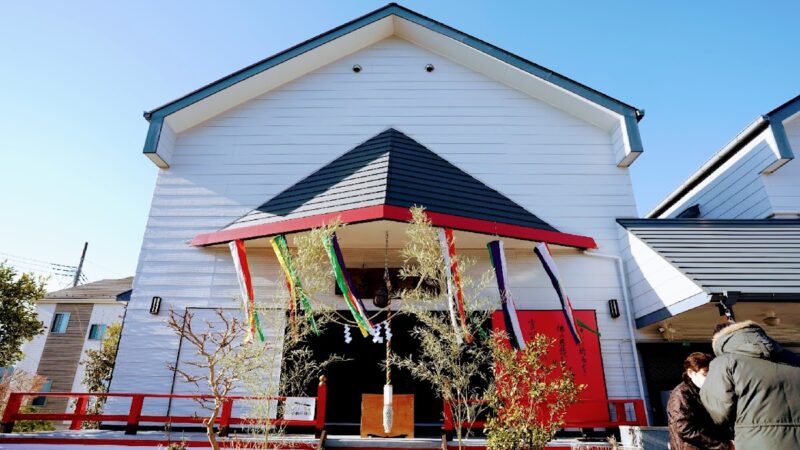
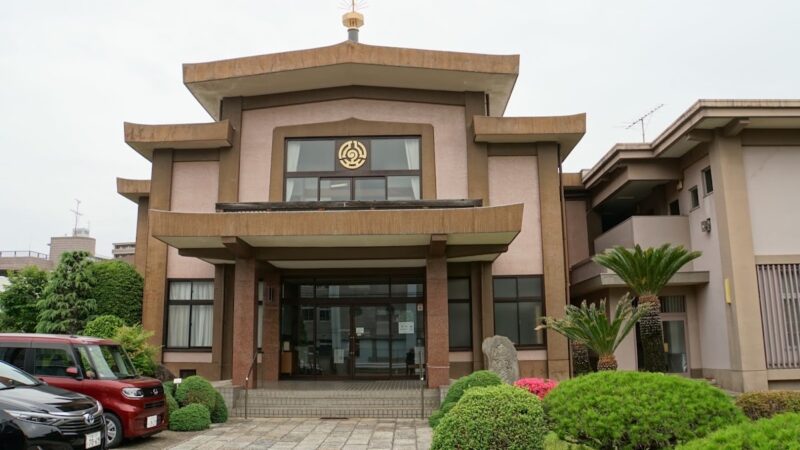
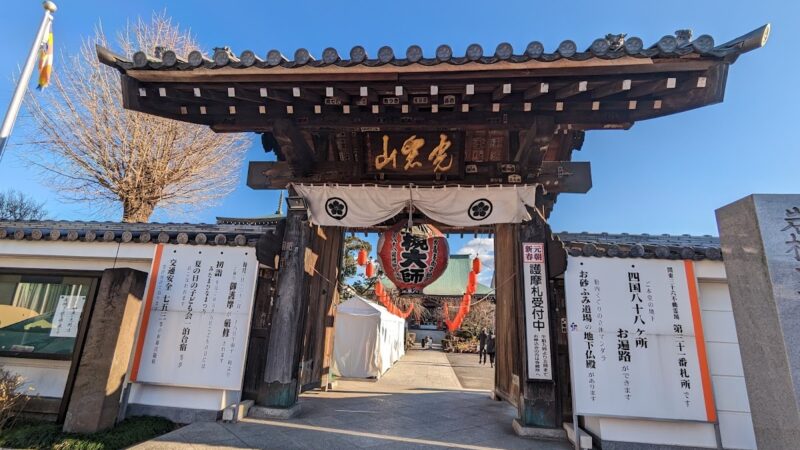
Iwatsuki Daishi Miroku Mitsuji Temple is an ancient temple of the Shingon Chizan sect located in Honcho, Iwatsuki Ward, Saitama City, Saitama Prefecture. It is affectionately known locally as “Iwatsuki Daishi,” and is said to have been founded in 774 (Hoki 5) by Kaisei during the late Nara period.
This year coincides with the birth year of Kobo Daishi Kukai, the founder of the Shingon sect, and it is known as the oldest Shingon temple in Iwatsuki. Its principal image is Fudo Myoo, and it is also designated as the 31st temple on the Kanto Thirty-Six Fudo Myoo Pilgrimage.
Location and Access
Address: 2-7-35 Honcho, Iwatsuki-ku, Saitama City, Saitama Prefecture 339-0057
Nearest Station: Approximately 10 minutes on foot from Iwatsuki Station on the Tobu Noda Line (Tobu Urban Park Line)
Access by Car: Approximately 15 minutes from the Iwatsuki Interchange on the Tohoku Expressway. There is parking available for visitors on the temple grounds.
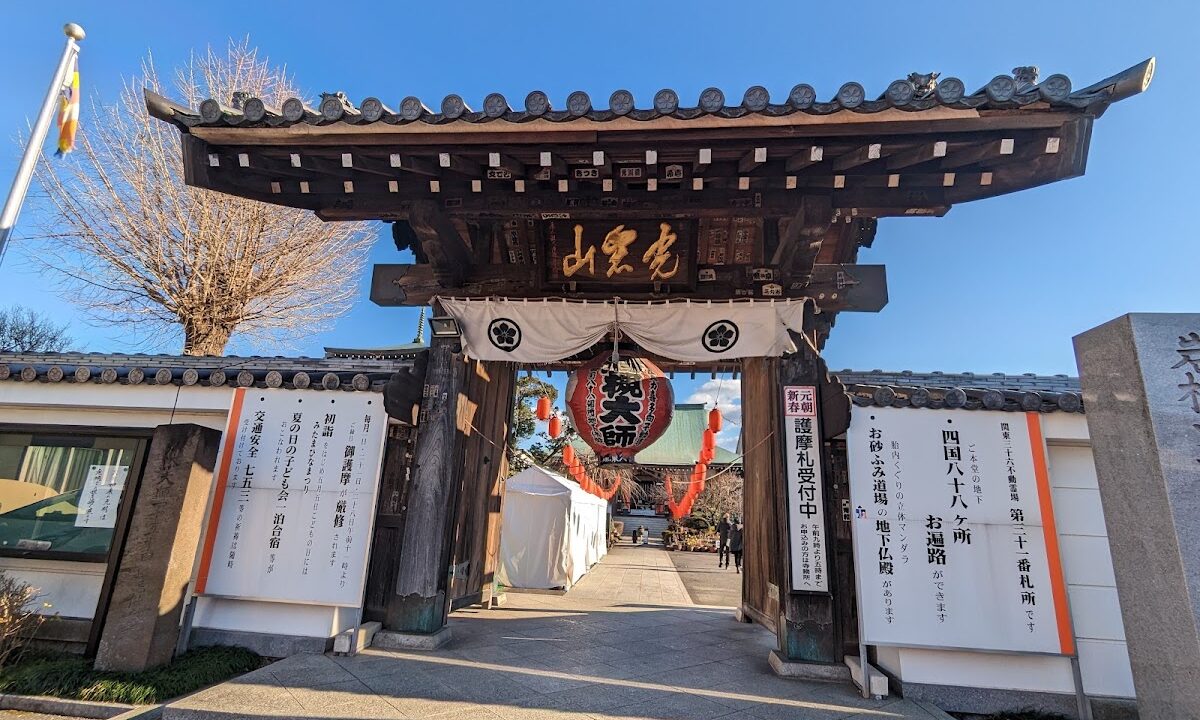
From Iwatsuki Station to the temple, you can enjoy a stroll through the historic streets of Iwatsuki, known as the town of dolls. Although located in a residential area, the red lanterns hanging on the gate serve as a landmark, making it easy to find even for first-time visitors.
History and Origins of Mirokumitsu-ji Temple
Founding History
Mirokumitsu-ji Temple was founded in 774 (Hoki 5) by Kaisei Shonin. Founded during the late Nara period to the early Heian period, this ancient temple boasts a history of over 1200 years. Belonging to the Chizan branch of the Shingon sect, it continues to uphold the teachings of Esoteric Buddhism to this day.
From its inception, it has enshrined Fudo Myoo as its principal deity, attracting the faith of local people as a place of prayer for protection against misfortune and for good fortune. The temple flourished alongside the development of the Iwatsuki castle town, and during the Edo period, under the patronage of the Iwatsuki domain, it functioned as one of the region’s religious centers.
Origin of the Name Iwatsuki Daishi
The common name “Iwatsuki Daishi” is deeply connected to the faith in Kobo Daishi (Kukai). As a Shingon sect temple, it has devoutly worshipped Kobo Daishi and has become deeply rooted in the region as a center of Daishi worship, hence the name.
Even today, a Daishi festival is held on the 21st of every month, attracting many worshippers. Especially during the spring and autumn festivals, solemn religious ceremonies such as the Goma fire ritual are performed, attracting many worshippers.
Connection to the Kanto Thirty-Six Fudo Myoo Pilgrimage
Mirokumitsu-ji Temple is the 31st temple of the Kanto Thirty-Six Fudo Myoo Pilgrimage and serves as the secretariat for the pilgrimage association. Therefore, pilgrims from all over Japan visit the temple, making it an important center of Fudo Myoo worship.
The head priest is also enthusiastic about missionary work, spreading the teachings of Fudo Myoo and known for his courteous treatment of pilgrims. Pilgrims are given special Goshuin (temple stamps), which are cherished as mementos of their pilgrimage.
Highlights of the Temple Grounds
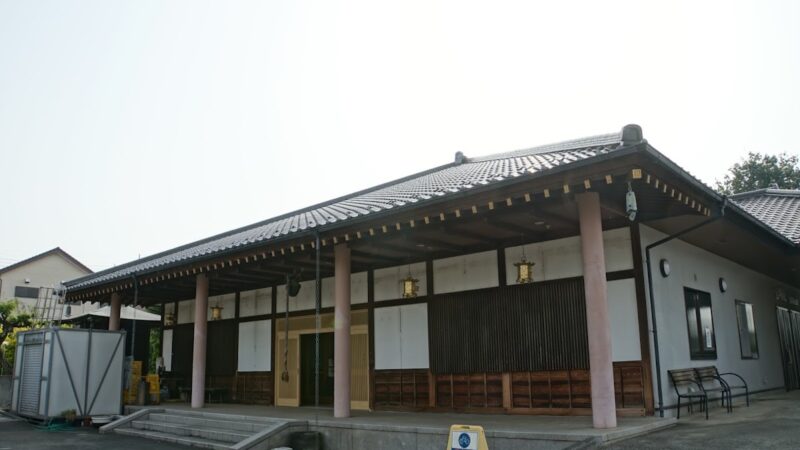
Main Hall and Principal Image
The main hall is a serene and dignified building, and the principal image of Fudo Myoo is enshrined inside. Fudo Myoo is revered as a deity who severs worldly desires and subdues evil, and is believed to be effective in granting prayers for protection from misfortune, good fortune, and business prosperity.
In the main hall, a Goma fire ritual is regularly performed, where wooden prayer sticks inscribed with the wishes of worshippers are burned. The sound of the mantras chanted amidst the flames brings deep peace and a sense of purity to visitors.
Underground Buddha Hall and Shikoku 88 Temple Pilgrimage Sand-Stepping
The most distinctive feature of Miroku Mitsuji Temple is the underground Buddha hall located beneath the main hall. Here, the principal images of the 88 temples of the Shikoku Pilgrimage and Kobo Daishi are enshrined, and actual sand brought from each temple is enshrined.
Sand-stepping is a belief that by stepping on the sand of the 88 temples of the Shikoku Pilgrimage, one can gain the same merit as actually making the pilgrimage to Shikoku. For those who find it difficult to travel to Shikoku due to age or health issues, this underground pilgrimage hall is a precious place of worship.
The underground pilgrimage hall is enveloped in a serene atmosphere, and stepping inside feels like entering another world—a sacred space. Visiting the 88 temples in order, one can pay their respects to the principal deity of each sacred site, and through heartfelt prayer, one can experience a deep sense of spiritual fulfillment.
Visiting hours are usually from 9:00 AM to 4:00 PM, but these may change due to religious services, so it is recommended to check in advance.
Atmosphere and Seasonal Scenery of the Temple Grounds
Although the temple grounds are located in a residential area, stepping inside reveals a quiet and peaceful space. Especially after rain, the grounds are enveloped in crisp, clear air, making for a refreshing visit.
In spring, cherry blossoms and plum blossoms adorn the grounds, and in autumn, the leaves turn beautiful colors. Experiencing the changing seasons while visiting is one of the charms of this temple.
Goshuin (Temple Seals) and Gifts
Types and Characteristics of Goshuin
At Mirokumitsu-ji Temple, you can receive several types of goshuin.
Regular Goshuin: A calligraphic inscription of “Iwatsuki Daishi” or “Fudo Myoo” with the temple’s seal stamped on it. It is characterized by its powerful brushstrokes.
Goshuin for the Kanto Thirty-Six Fudo Myoo Pilgrimage: A special goshuin for the 31st temple on the pilgrimage. It is given to those undertaking the pilgrimage.
Limited Edition Goshuin: There are also limited edition goshuin given out during certain seasons or special ceremonies, which are popular among visitors. On special days such as New Year’s, the Spring Grand Festival, and the Autumn Grand Festival, goshuin with different designs from the usual ones may be given out.
Goshuin Notebook
An original goshuin notebook is also available, featuring a design that expresses the characteristics of Iwatsuki Daishi. There are also stamp books related to the Shikoku 88 Temple Pilgrimage, and many people purchase them as a memento of their pilgrimage by stepping on the sand.
Other Items Offered
Amulets: Various types of amulets are offered, including those for warding off evil, traffic safety, academic success, and family safety. Amulets for warding off evil, especially those attributed to Fudo Myoo, are particularly popular.
Talismans: Talismans for enshrining in home altars and Shinto shrines, such as those of Fudo Myoo and Kobo Daishi, are also offered.
Goma Wood: You can also request goma wood in advance to be used in the goma fire ritual. It is believed that wishes will be granted by having your wish written on the goma wood burned.
Annual Events and Memorial Services
Main Annual Events
First Three Days of the New Year: The shrine is bustling with worshippers for the first shrine visit of the year. Prayers for warding off evil and for good fortune are offered.
Setsubun Festival (around February 3rd): Bean-throwing and prayers for warding off evil spirits are held, attracting many worshippers.
Spring Grand Festival (Spring Equinox): Ancestral memorial services and solemn Buddhist ceremonies, including Goma fire rituals, are performed.
Kobo Daishi Memorial Day (21st of each month): A special memorial service is held on this monthly memorial day.
Autumn Grand Festival (Autumn Equinox): Similar to the Spring Grand Festival, a grand memorial service is held.
New Year’s Eve Bell Ringing (December 31st): At the end of the year, worshippers can ring the New Year’s Eve bell, attracting many as they prepare to welcome the new year.
Goma Fire Ritual and Prayers
Goma fire rituals are held regularly, and prayers for individuals and families are accepted. You can have the Goma fire ritual performed with various wishes, such as protection from evil spirits, recovery from illness, family safety, and business prosperity.
Since advance reservations may be required, please contact the temple directly if you wish to participate in the Goma fire ritual.
Manners and Precautions for Visiting a Temple
Basic Manners for Visiting a Temple
Attire: While there are no particularly strict dress code regulations, it is desirable to wear clean and subdued clothing, keeping in mind that a temple is a sacred place.
Photography: Photography of the temple grounds and building exteriors is generally permitted, but photography inside the main hall and the underground Buddha hall may be restricted. Please check before taking photos or follow any posted notices.
Worship Etiquette: As this is a Shingon Buddhist temple, the basic practice is to bow with hands clasped together. Before entering the main hall, bow once, offer your donation, then clasp your hands together and chant the mantra “Namu Daishi Henjo Kongo.”
Precautions for Visiting the Underground Buddha Hall
When stepping on the sand in the underground Buddha hall, you must remove your shoes. Since you will be visiting 88 locations in order, it is recommended to allow ample time. It may take 30 minutes to an hour to complete one circuit. It is important to visit the temple quietly and with a calm mind. If there are other visitors, please proceed slowly and considerately.
Nearby Tourist Attractions
Iwatsuki Castle Ruins Park
Iwatsuki Castle Ruins Park, within walking distance of Mirokumitsu-ji Temple, is a park developed on the site of the former Iwatsuki Castle. Known as a famous cherry blossom viewing spot, it is bustling with many flower viewers in spring. You can enjoy a stroll while feeling the history.
Iwatsuki Doll Museum
Iwatsuki is famous as a town of dolls, and at the Doll Museum, you can learn about Japanese doll culture and the history of Iwatsuki’s doll industry. A valuable collection of dolls is on display, allowing you to experience the splendor of traditional crafts.
Hisaizu Shrine
Hisaizu Shrine, the guardian shrine of Iwatsuki, is also recommended to visit along with Mirokumitsu-ji Temple. The spacious grounds have a wisteria trellis, and in May, the wisteria blossoms are magnificent. ### Exploring the Streets of Iwatsuki
The area around Iwatsuki Station retains the atmosphere of the Edo period, and strolling through the old merchant houses and storehouses is one of the pleasures of visiting. On the street lined with doll shops, you can see traditional Hina dolls and May Festival dolls.
Community Involvement and Social Activities
Initiatives for Children
Miroku Mitsuji Temple values a warm gaze towards children and conducts various activities for local children. During summer vacation, they hold temple school experiences and sutra copying experiences, providing opportunities to experience Buddhist culture.
They also actively participate in the activities of the National Youth Education Council, contributing to the healthy development of young people. They play a role in passing on the importance of spirituality, which is being lost in modern society, to the next generation.
As the Center of the Local Community
As a spiritual center for local people, the temple plays a role in strengthening community ties through various religious services and events. This temple is beloved by many, as it is open not only to its parishioners but also to the general public.
Visitor Voices and Experiences
Experience of Stepping on the Sand of the 88 Temples of Shikoku
Many visitors have commented, “I took my elderly mother to the underground Buddha hall to step on the sand. It’s difficult for her to travel to Shikoku, but she was able to visit all 88 temples here, and she was very happy. We were able to pray peacefully in a quiet and sacred atmosphere.”
The Charm of Collecting Goshuin (Temple Stamps)
“I visited as part of the Kanto Thirty-Six Fudo Myoo Pilgrimage. The goshuin, carefully written with powerful and beautiful brushstrokes, was a wonderful memento of my pilgrimage. The warm words from the head priest also made it a memorable visit.”
Atmosphere of the Temple Grounds
“Despite being located in a residential area, entering the temple grounds envelops you in a tranquility that feels like another world. Visiting after the rain, the air was especially clear, and I felt a sense of purification.”
The Future and Prospects of Mirokumitsu-ji Temple
Mirokumitsu-ji Temple is an ancient temple with a history of over 1200 years, yet it continues to play an important role in modern society. While preserving tradition, it develops missionary and social contribution activities adapted to the times, providing spiritual support to many people.
In particular, the Shikoku 88 Temple Pilgrimage Sand-Stepping Ceremony in the underground Buddha Hall is a valuable place of worship for those in an aging society who find it difficult to actually make the Shikoku pilgrimage. This initiative has attracted nationwide attention, drawing many visitors from far and wide.
Furthermore, through educational activities for children and close ties with the local community, it contributes to the preservation and development of Buddhist culture. It continues to convey the importance of inner peace and spirituality, which modern people often forget, through various activities.
Summary
Iwatsuki Daishi Miroku Mitsuji Temple is an ancient temple of the Shingon Chizan sect located in Iwatsuki Ward, Saitama City, Saitama Prefecture. Since its founding in 774, it has attracted the faith of local people for over 1200 years. The principal image, Fudo Myoo, is believed to have miraculous powers for warding off evil and bringing good fortune, and it is also known as the 31st temple on the Kanto Thirty-Six Fudo Myoo Pilgrimage.
Its most distinctive feature is the underground Buddha hall located beneath the main hall, a precious place where one can experience the sand-treading ritual of the Shikoku Eighty-Eight Temple Pilgrimage. For those who find it difficult to actually make the Shikoku pilgrimage, this pilgrimage holds great significance.
There are several types of goshuin (temple stamps) available, including the regular goshuin, a special goshuin for the Kanto Thirty-Six Fudo Pilgrimage, and seasonal goshuin. The powerful and beautiful calligraphy of the goshuin makes for a wonderful memento of your visit.
The temple is easily accessible, about a 10-minute walk from Iwatsuki Station, and is surrounded by tourist attractions such as Iwatsuki Castle Ruins Park and the Doll Museum. You can enjoy visiting the temple while experiencing the history and culture of Iwatsuki, known as a town of dolls.
The temple values educational activities for children and close ties with the local community, and while preserving tradition, it is also open to modern society, making it a beloved temple for many.
When visiting Saitama Prefecture, be sure to visit Iwatsuki Daishi Miroku Mitsuji Temple and experience its history, tranquil atmosphere, and the precious pilgrimage experience in the underground Buddha Hall. It will be a wonderful pilgrimage experience that will bring you peace of mind and spiritual fulfillment.