Complete Guide to Sojiin Temple (Saitama City, Saitama Prefecture) | A Historic Temple of the Shingon Chizan School Known as the Peony Temple
Located in Nanbu-ryotsuji, Midori Ward, Saitama City, Saitama Prefecture, Sojiin Temple is a Shingon Chizan school temple affectionately known locally as the “Peony Temple” or “Botan-dera” (Peony Temple) due to the approximately 650 peony plants that adorn its grounds. This guide provides a detailed explanation of this historic temple, including its history, highlights, and access information, highlighting its unique bell tower gate architecture and its status as the eighth temple on the Saitama Prefecture pilgrimage of the 100 Flower Temples of Eastern Japan.
Basic Information on Sojiin Temple
Sojiin Temple is a historic temple founded around 1577 (Tensho 5). Its official name is “Ajitsusan Hotaiji Sojiin.”
Basic Temple Data
- Official Name: Ajisan Hōfukuji Sōjiin
- Sect: Shingon-shu Chizan-ha
- Principal Image: Jizō Bodhisattva
- Founder: Hōin Ryōshū
- Establishment: Around Tenshō 5 (1577)
- Pilgrimage Site: Eighth of the 100 Flower Temples of Eastern Japan (Saitama Prefecture)
- Location: 2944 Nanbu Ryōtsuji, Midori-ku, Saitama City, Saitama Prefecture
- Other Names: Peony Temple, Botan-ji Temple
The Shingon-shu Chizan-ha is a sect of Shingon Buddhism, known as the Chizan branch, with its head temple being Chishakuin in Kyoto. Sōjiin has long served as a center of faith in the region, a spiritual haven for people.
History of Soji-in Temple
Founding and Construction
Soji-in Temple is said to have been founded around 1577 (Tensho 5) by the Buddhist priest Ryoshu. Records indicate that the founder, Ryoshu, passed away on May 9th of the same year. However, due to a lack of historical records, much about his detailed life and the specific circumstances of the temple’s founding remains a mystery.
The year 1577 (Tensho 5) was the end of the Sengoku period, a time when the Hojo clan held considerable power in the Kanto region. It is believed that Soji-in Temple, founded during this turbulent era, functioned as a place of peace and tranquility for the local people.
Fire and Reconstruction in the Meiji Era
A major turning point in the history of Soji-in Temple was a fire that occurred during the Meiji era. This fire completely destroyed Soji-in Temple, except for the bell tower gate. This disaster resulted in the loss of many valuable historical materials and temple treasures from the time of its founding, which is the main reason why the details of its founding and history are currently unknown.
After the fire, Sojiin Temple was rebuilt with the support of local believers and parishioners. The current main hall and other buildings are from this reconstruction. The bell tower gate, the only structure that escaped the fire, still stands on the temple grounds today as a valuable building that conveys the long history of Sojiin Temple.
From the Post-War Period to the Present
In 1977 (Showa 52), the temple bell in the bell tower gate was recast. This was a momentous year, marking exactly 400 years since the temple’s founding. The sound of the bell that rings today is from the bell newly cast at that time.
Since the Heisei era, it has been selected as the eighth temple in Saitama Prefecture of the “100 Flower Temples of Eastern Japan,” and its aspect as a temple of flowers, especially peonies, has become widely known. Especially during the peony blooming season, it has become a representative flower spot in Saitama City, attracting many worshippers and tourists from both within and outside the prefecture.
Highlights of Soji-in Temple
Unusual Bell Tower Gate
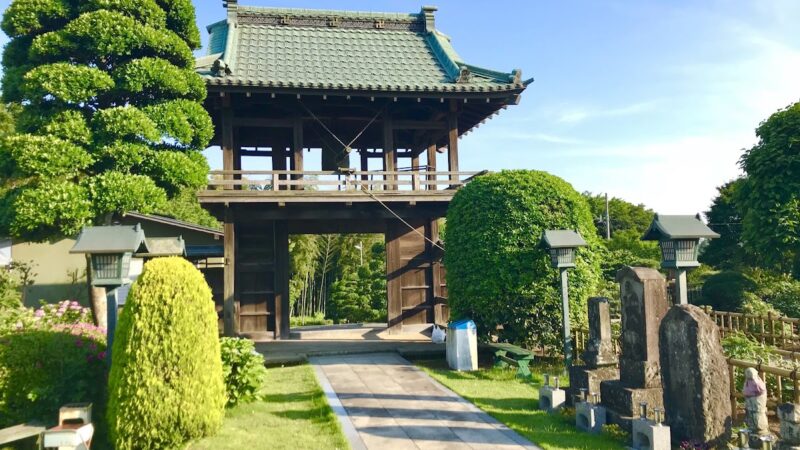
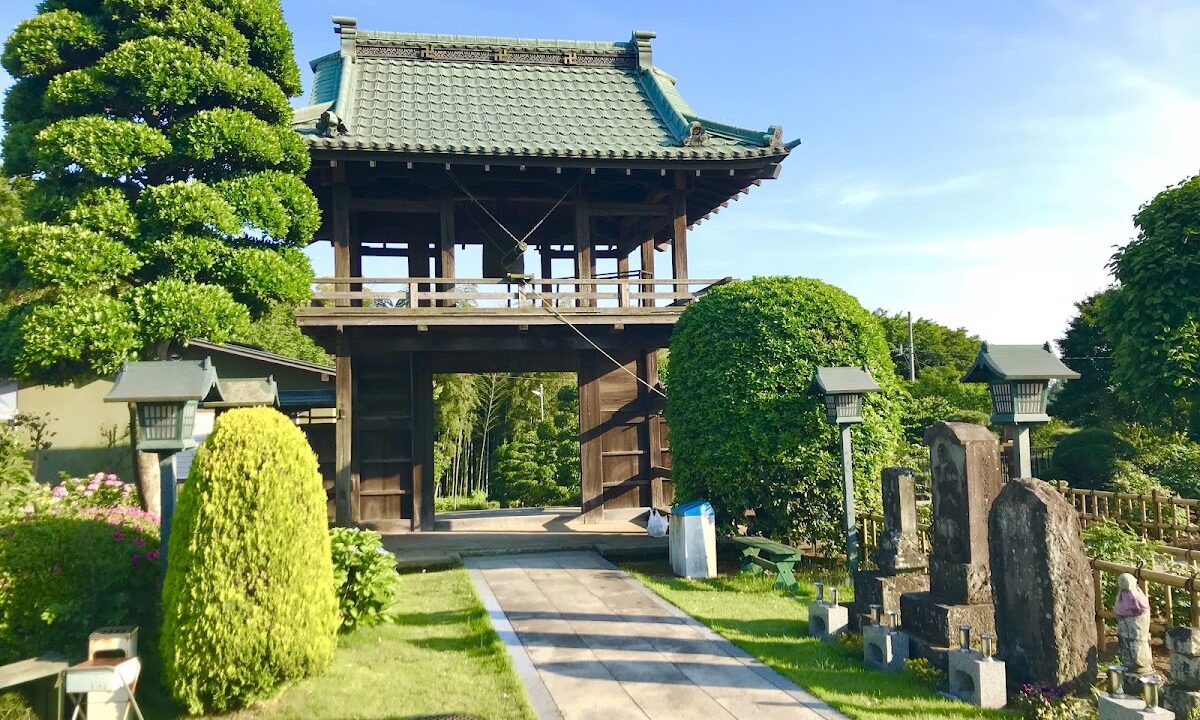
The most distinctive architectural feature of Soji-in Temple is its “bell tower gate,” where the main gate and bell tower are integrated into a single structure. While temples typically build the main gate and bell tower separately, Soji-in integrates both functions into one building.
The bell tower gate is a historical structure that uniquely survived a fire during the Meiji era, and is a valuable relic that conveys the long history of Soji-in Temple. Such buildings are rare even within Saitama City, and it is considered to have high architectural historical value.
When passing through the gate, you can look up at the temple bell hanging above. This bell was recast in 1977 and produces a solemn sound during events such as the New Year’s Eve bell ringing.
Famous for Peonies
Soji-in Temple became widely known as the “Peony Temple” or “Botan Temple” due to the approximately 650 peony plants planted on its grounds. Temples cultivating peonies on this scale are rare even within Saitama Prefecture.
Peony Blooming Season
The peony blooming season is typically from late April to early May, coinciding perfectly with Golden Week. During this period, the temple grounds are filled with colorful peony blossoms, creating a veritable paradise of flowers.
Peonies are known as the “King of Flowers,” and their magnificent and elegant appearance has been cherished by the Japanese people since ancient times. Sojiin Temple cultivates peonies of various colors, including red, white, pink, and yellow, each competing to produce its most beautiful bloom.
Tips for Peonies
- The flowers are at their most beautiful in the early morning hours.
- The peak blooming period varies from year to year, so it is recommended to check the blooming status in advance.
- When taking photographs, the key is to position yourself to avoid backlighting.
- The temple grounds are relatively spacious, allowing for a leisurely stroll and enjoyment of the flowers.
Main Hall and Jizo Bodhisattva
The principal image of Sojiin Temple is Jizo Bodhisattva. Jizo Bodhisattva is a particularly beloved Buddha in Japan, appearing in all six realms (hell, hungry ghosts, animals, asuras, humans, and heaven) to save sentient beings.
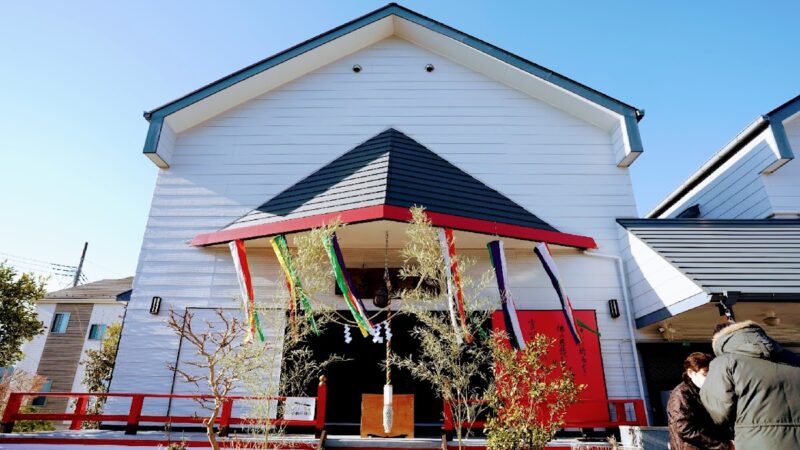
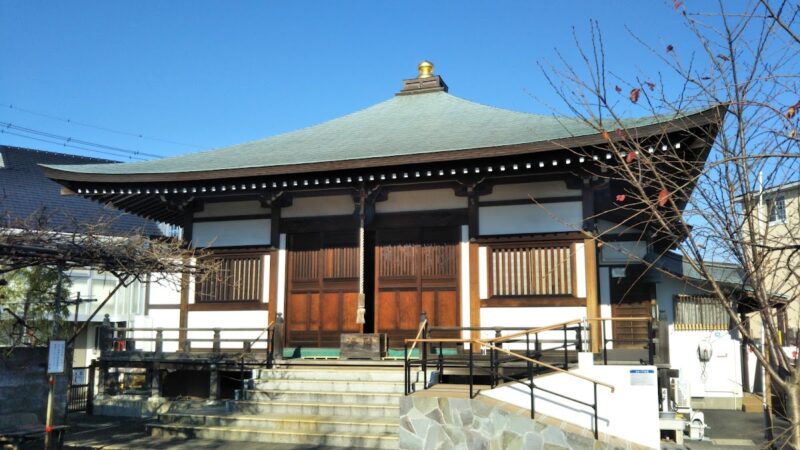
The main hall was rebuilt after a fire in the Meiji era, but it retains a solemn atmosphere and quietly welcomes visitors. Inside the main hall, various Buddhas, including the principal image of Jizo Bodhisattva, are enshrined, allowing visitors to pray in a tranquil atmosphere.
Atmosphere of the Temple Grounds
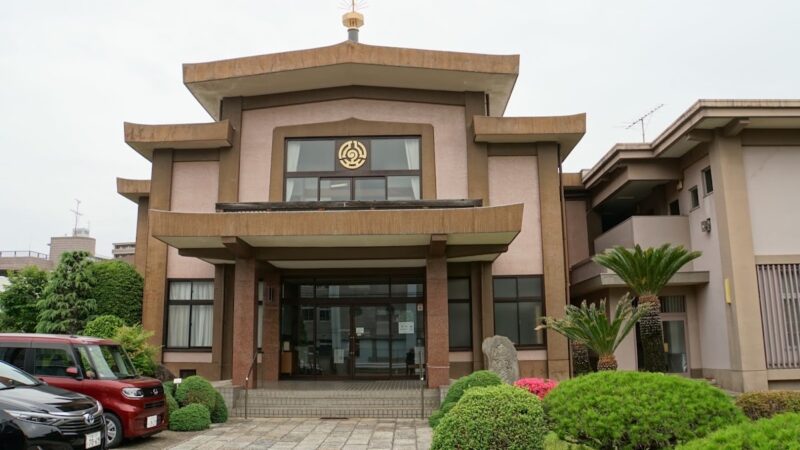
Despite being located in a residential area of Saitama City, the grounds of Sojiin Temple are enveloped in a rich natural and tranquil atmosphere. Walking along the approach to the temple, you’ll find yourself in a space filled with tranquility and greenery, making you forget the hustle and bustle of the city.
Even outside of peony season, the peaceful environment, where you can feel the changing seasons, is well worth visiting for a stroll or worship. For local residents, it’s a place of peace and tranquility they can visit regularly.
About the 100 Flower Temples of Eastern Japan
Sojiin Temple is designated as the eighth temple in Saitama Prefecture of the “100 Flower Temples of Eastern Japan.” The 100 Flower Temples of Eastern Japan is a pilgrimage route that selects temples with particularly beautiful flowers from among temples mainly in the Kanto region (Tokyo, Kanagawa, Saitama, Chiba, Ibaraki, Tochigi, and Gunma prefectures).
This pilgrimage aims to allow visitors to experience Buddhist teachings through flowers and find peace of mind. Soji-in Temple was selected as one of Saitama Prefecture’s representative flower temples, renowned for the beauty of its peonies.
Those visiting the Eastern Japan Flower Temples can receive a Goshuin (temple stamp) at Soji-in. Special postcards commemorating the 20th anniversary of the temple’s founding are sometimes available, making for a memorable souvenir of your visit.
Access to Soji-in Temple
Location
2944 Nanbu-ryo-tsuji, Midori-ku, Saitama City, Saitama Prefecture 336-0963
Access by Train and Bus
Soji-in Temple is a considerable distance from the nearest station, so using the bus is recommended.
Access from Urawa Station
- Take the Kokusai Kogyo bus bound for “Saitama Higashi Bus Depot” from the East Exit of JR Urawa Station.
- Get off at the “Sojiin” bus stop.
- Approximately 3 minutes on foot from the bus stop.
Access from Higashi-Urawa Station
- Take the Kokusai Kogyo bus bound for “Urawa Station East Exit” from JR Musashino Line Higashi-Urawa Station.
- Get off at the “Sojiin” bus stop.
- Approximately 3 minutes on foot from the bus stop.
Access from Urawa-Misono Station
It’s approximately a 25-minute walk from Urawa-Misono Station on the Saitama Rapid Railway Line. On a nice day, it’s a good idea to walk there as part of a stroll. The route through the peaceful residential area is pleasant, allowing you to feel the changing seasons.
Access by Car
If you are visiting by private car, the following route is convenient.
- Approximately 15 minutes from the Urawa Interchange on the Tokyo Outer Ring Expressway
- Approximately 20 minutes from the Urawa-Minami Interchange on the Shuto Expressway Saitama-Omiya Line
Parking
Sojiin Temple has parking spaces for visitors. However, during peak seasons such as the peony blooming season, when crowds are expected, we recommend using public transportation. Since parking spaces are limited, please consider visiting early or using nearby coin-operated parking lots.
Access Notes
- Bus schedules vary depending on the time of day, so we recommend checking the timetable in advance.
- Crowds are expected during the peak peony blooming season (late April to early May).
- As the temple is located in a residential area, please be quiet in the surrounding area.
- Some roads are narrow, so please be careful when visiting by car.
Manners and Precautions for Visiting
Basic Manners for Visiting
When visiting Sojiin Temple, please observe the following basic manners for visiting.
- Bow before passing through the bell tower gate: The temple gate (bell tower gate) marks the boundary between the secular world and the sacred realm. Bow before entering.
- Walking along the approach: The center of the approach is considered the path for Buddha. It is considered best for visitors to walk along the sides.
- Worship at the main hall: Before the main hall, quietly join your hands in prayer and offer your prayers with sincerity.
- Photography: Photography is generally permitted on the temple grounds, but please be considerate of those inside the main hall and other visitors.
- Respect silence: Temples are places of prayer. Refrain from loud conversations and observe quiet contemplation.
Precautions when viewing peonies
When visiting during the peony blooming season, please note the following:
- Please refrain from touching the peony flowers or plants.
- If there are fences or ropes, please do not cross them.
- Please refrain from taking home fallen petals, etc.
- Please take your trash home with you or dispose of it in the designated area.
Manners when receiving a Goshuin (temple stamp)
When receiving a Goshuin, please observe the following manners:
- It is customary to receive the Goshuin after completing your prayers.
- Remember to bring your Goshuincho (stamp book) (pre-printed stamps may be available).
- A Goshuin is not just a stamp, but proof of your visit. Please request it respectfully.
- Having small change ready for the Goshuin fee will make the process smoother.
Nearby Attractions
When visiting Sojiin Temple, why not also visit the surrounding tourist spots?
Minuma Rice Fields
Located about 10 minutes by car from Sojiin Temple, Minuma Rice Fields is a valuable green space remaining in the Tokyo metropolitan area. A vast rural landscape unfolds, allowing you to enjoy the changing seasons. The walking paths are well-maintained, allowing you to spend a relaxing time.
Saitama City Horticultural Botanical Garden
For plant lovers, the Saitama City Horticultural Botanical Garden is also recommended. Located about 15 minutes by car from Sojiin Temple, you can admire a variety of plants. In particular, you can see tropical plants in the greenhouse, making it a facility that can be enjoyed all year round.
Around Urawa Misono
The area around the nearest Urawa Misono Station is known for Saitama Stadium 2002. On days when there are soccer matches, it is bustling with many supporters. There are also shopping facilities such as Aeon Mall Urawa Misono, making it convenient for shopping and dining after visiting the temple.
Annual Events at Sojiin Temple
Main Annual Events
As a Shingon Buddhist temple, Sojiin Temple holds various annual events.
New Year’s Day (January 1st-3rd)
Many worshippers visit for the first shrine visit of the new year. The temple is bustling with people praying for good health and safety for their families in the new year.
Setsubun Festival (around February 3rd)
Events such as bean-throwing are sometimes held during Setsubun.
Spring Peony Viewing Period (late April to early May)
This is the most vibrant time of year at Sojiin Temple. The temple grounds are adorned with peony blossoms, attracting many visitors.
Obon Festival (mid-August)
Memorial services are held to honor ancestors.
New Year’s Eve Bell Ringing (December 31st)
On New Year’s Eve, the temple bell at the bell tower gate is rung as the New Year’s Eve bell. The 108 rings of the bell dispel the worldly desires of the past year and prepare for the arrival of the new year.
Special Commemorative Events
Special commemorative events may be held on significant milestones, such as the founding anniversary of the 100 Flower Temples of Eastern Japan. Commemorative stamps and postcards are sometimes distributed, so it’s a good idea to check the information before visiting.
Summary of the Charms of Sojiin Temple
Sojiin Temple is a temple with a variety of attractions, as listed below:
- Historical Value: A venerable temple founded in 1577, its bell tower gate, which survived a fire in the Meiji era, tells a story of its history.
- Architectural Features: The bell tower gate’s style, rare even within Saitama City, is historically valuable.
- Famous Flower Spot: Known as the “Peony Temple” with approximately 650 peony bushes in full bloom, it’s a springtime spectacle.
- Pilgrimage Site: As the eighth temple on the Saitama Prefecture pilgrimage of the 100 Flower Temples of Eastern Japan, it serves as a base for pilgrimages.
- Easy Access: Located within Saitama City, it offers convenient access by bus while maintaining a quiet and peaceful environment.
- Connection to the Community: It possesses a friendly atmosphere, loved by the local people and functioning as a place of daily worship.
Pre-Visit Checklist
Before visiting Sojiin Temple, it’s helpful to check the following points for a smoother experience.
Opening Hours and Visiting Hours
While most temples are open for worship during the day, it’s recommended to check specific hours in advance. Especially if you wish to receive a Goshuin (temple stamp), be sure to check the hours.
Admission Fee
There is no admission fee for regular worship, but special viewings may require an additional fee.
Peony Blooming Status
If you are visiting specifically to see peonies, it’s recommended to check the blooming status in advance. Blooming times can vary depending on the year’s climate. Check local tourism websites and social media for the latest information.
Weather
While it’s possible to visit even in rainy weather, choosing a sunny day is better for enjoying the peonies and taking photographs. However, rain-soaked peonies also have their own unique charm and beauty.
Attire
While no special attire is required for visiting the temple, it is recommended to avoid revealing clothing and wear comfortable walking shoes. Since the sun can be strong during peony season, don’t forget to bring a hat and sunscreen.
Summary
Sōjiin Temple, located in Midori Ward, Saitama City, Saitama Prefecture, is a historic Shingon sect Chizan school temple founded in 1577. Widely known as the “Peony Temple,” the sight of approximately 650 peony bushes in full bloom from late April to early May each year is breathtaking.
With its rare bell tower gate that survived a fire during the Meiji era, its main hall dedicated to Jizo Bodhisattva, and its role as the eighth temple on the Saitama Prefecture pilgrimage of the 100 Flower Temples of Eastern Japan, Sōjiin Temple possesses diverse attractions and is one of Saitama City’s representative temples.
In a quiet environment slightly removed from the hustle and bustle of the city, you can spend peaceful time feeling the changing seasons and history. Not only during peony season, but at any time of year, visitors will be greeted by a warm, community-rooted atmosphere.
If you have the opportunity to visit Saitama City or the surrounding area, please do visit Sojiin Temple. A peaceful and tranquil time awaits you, woven from history, nature, and the faith of the local people.