Complete Guide to Sōtonji Temple (Saitama Prefecture): History, Access, and Highlights
Located in Saitama Prefecture, Sōtonji Temple is a temple with a long history as a center of local faith. This article comprehensively introduces information you should know before visiting, from the historical background of Sōtonji Temple to its highlights, access methods, and annual events.
What is Sōtonji Temple?
Sōtonji Temple is a Buddhist temple located in Saitama Prefecture, a historical temple that attracts the faith of local residents. Nestled in a tranquil environment, this temple is cherished as a place that provides peace of mind to visitors.
Basic Temple Information
Sōtonji Temple serves as a spiritual pillar of the local community through daily worship, memorial services, and seasonal events. The temple grounds are well-maintained, allowing visitors to appreciate the beauty of nature throughout the seasons.
History of Sōtonji Temple
Origin of Founding
The founding of Sōtonji Temple is passed down through local historical documents and oral traditions. Like many local temples, it was founded by influential figures and monks in the region and has attracted the faith of local people.
Historical Changes
Throughout the Edo, Meiji, Taisho, and Showa periods, Shōtonji Temple has undergone several repairs and renovations. It has overcome war and natural disasters, reaching its current form thanks to the support of its parishioners and local residents.
Connection with the Community
Sōtonji Temple has functioned not only as a religious facility but also as a place for local culture and education. It has a history of serving as a temple school, teaching reading and writing to children, and as a community gathering place.
Sect and Principal Image
Affiliated Sect
The Buddhist sect to which Shōtonji Temple belongs has distinctive doctrines and methods of practice. Buddhist services and events based on the sect’s teachings are held throughout the year.
About the Principal Image
The principal image enshrined in the main hall is carefully protected as an object of worship for visitors. The origin and characteristics of the principal image are closely related to the history of the temple.
Highlights of the Temple Grounds
Main Hall
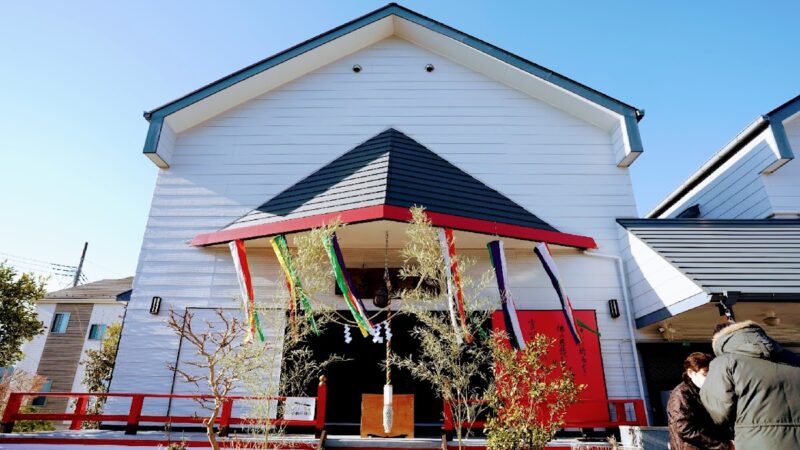
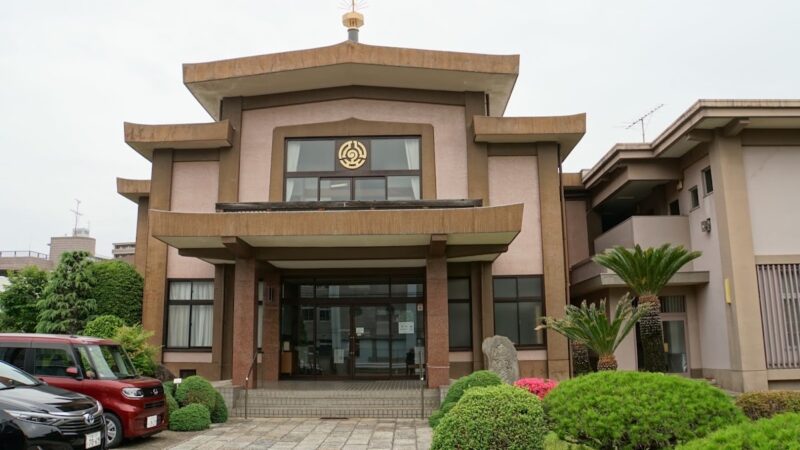
The main hall of Shōtonji Temple is a building that conveys the beauty of traditional Japanese architecture. Daily services are held inside the hall, and worshippers can quietly offer their prayers. The architectural style and decorations of the main hall reflect the characteristics of the era in which it was built.
Temple Gate
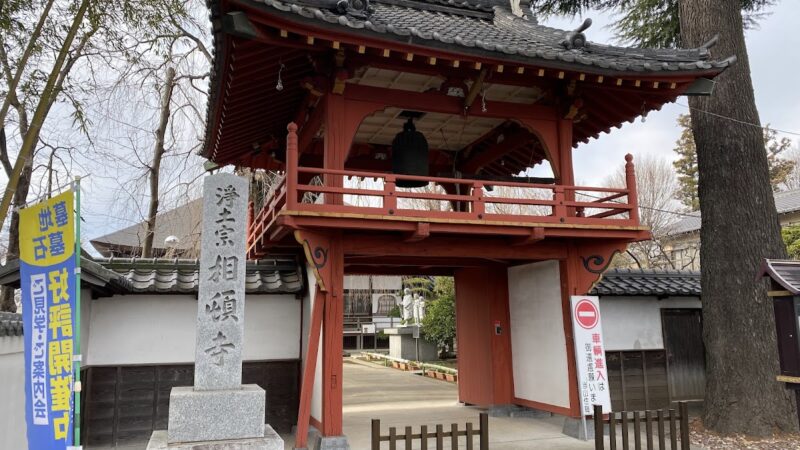
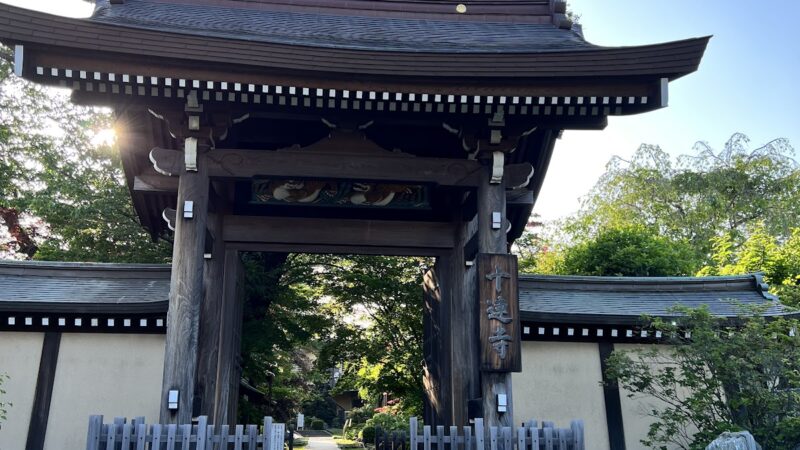
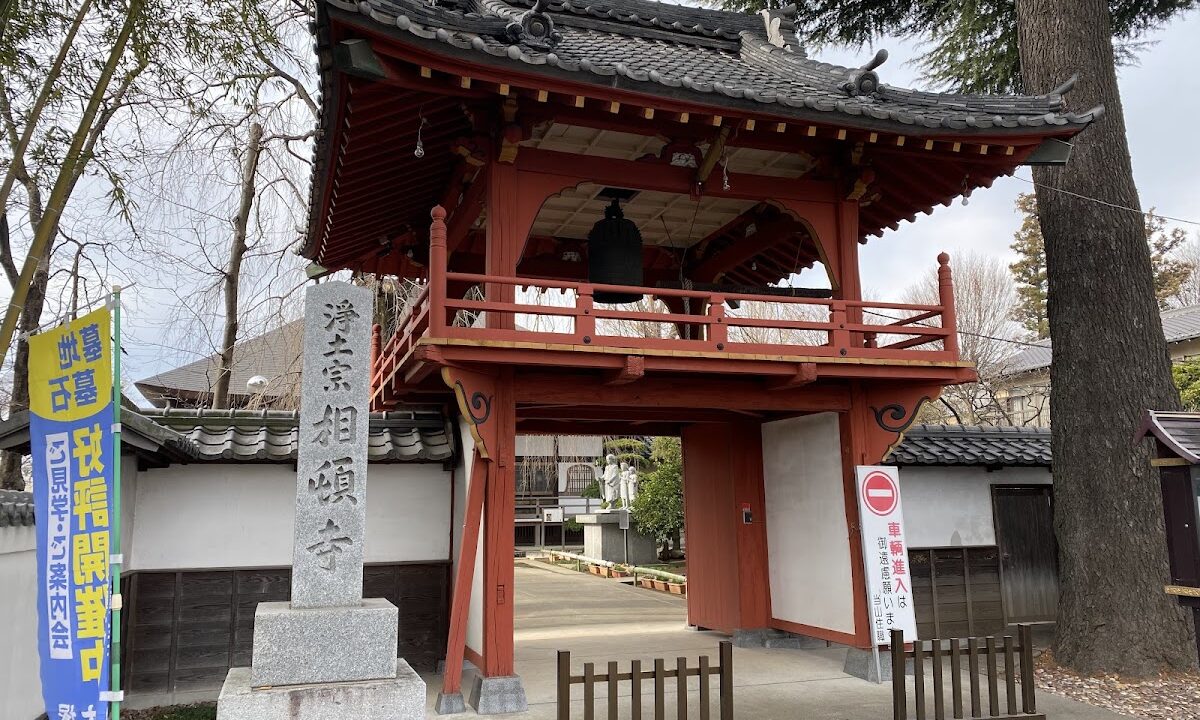
The temple gate, which serves as the entrance to the temple, is an important structure that welcomes visitors. Passing through the gate marks the step into a sacred space, away from the hustle and bustle of everyday life.
Trees and Gardens within the Temple Grounds
The temple grounds are lined with ancient trees, displaying different expressions throughout the seasons. From cherry blossoms and plum blossoms in spring, to lush green shade in summer, autumn leaves in fall, and snowscapes in winter, you can enjoy different beauty depending on the time of year you visit.
Stone Monuments and Memorial Towers
Historical stone monuments and memorial towers are scattered throughout the temple grounds. These are valuable cultural assets that convey past events and the prayers of people to the present day.
Annual Events and Memorial Services
New Year’s Events
Many worshippers visit the temple for Hatsumode (first shrine visit of the year) to welcome the new year. Traditional events celebrating the new year, such as the ringing of the temple bell on New Year’s Eve and the first Goma (fire ritual), are held.
Spring Events
Various Buddhist events are held with the arrival of spring, such as memorial services for the spring equinox and the Hanamatsuri (Buddha’s Birthday) festival.
Summer Events
During the Obon period, memorial services for hungry ghosts and the Urabon-e festival are held, and many parishioners gather to honor their ancestors.
Autumn Events
Memorial services for the autumn equinox and events expressing gratitude for the harvest are held.
Other Regular Events
There are also regularly held events such as monthly memorial services, sutra copying sessions, and Zen meditation sessions. These may be open to the general public as well as parishioners.
Access Methods
Access by Train
It is important to check the specific routes and travel times from the nearest station. From the station, you can use public transportation such as walking, bus, or taxi.
Access by Bus
If using the bus from the nearest station, it is convenient to check the bus routes, stop names, and operating times in advance.
Access by Car
If visiting by private car, check the route from the nearest interchange. Entering the address into your car’s navigation system is convenient.
Parking Information
It is recommended to check in advance whether there is parking for visitors, the number of spaces, and the operating hours. Especially during events, congestion is expected, so consider using public transportation.
Manners and Etiquette for Visiting a Temple
Dress Code
When visiting a temple, it is desirable to wear modest, understated clothing. Especially when attending a memorial service, aim for formal attire or clothing in subdued colors.
Procedure for Visiting the Temple
- Bow at the temple gate before entering the grounds.
- Cleanse your hands and mouth at the water basin.
- Offer your donation in front of the main hall and quietly clasp your hands together in prayer.
- Bow again at the temple gate when leaving the grounds.
Regarding Photography
When taking photographs on the temple grounds, please be considerate of other visitors. Photography inside the main hall and of Buddha statues may be prohibited, so please check in advance.
Nearby Tourist Attractions
Nearby Temples and Shrines
There are many other historical temples and shrines scattered around Shōtonji Temple. Enjoying a temple and shrine tour will allow you to gain a deeper understanding of the local history and culture.
Historical Buildings
Saitama Prefecture has many historical buildings and sites remaining from the Edo period. Visiting them in conjunction with a visit to Shōtonji Temple will allow you to enjoy a fulfilling historical walk.
Natural Spots
There are also parks and nature reserves nearby where you can enjoy beautiful scenery in each season. The cherry blossoms in spring and the autumn leaves are particularly beautiful.
Local Specialties and Cuisine
Saitama Prefecture boasts unique local specialties and regional cuisine. Enjoying local cuisine after your visit is highly recommended.
The Danka System and Temple Activities
What is a Danka?
The Danka system is a traditional system supporting Buddhist temples in Japan. Danka support the maintenance and operation of the temple, while the temple performs ancestral memorial services and Buddhist ceremonies for the danka.
How to Become a Danka
If you wish to become a danka, the first step is to consult with the temple. You will also need to confirm the entrance fee and annual maintenance fees.
Social Activities of Temples
Modern temples engage in not only traditional religious activities but also community service. They deepen their ties with the community through diverse activities such as childcare support, elderly care, and cultural classes.
What you can experience at Sōtonji Temple
Sutra copying and Buddha image copying experience
Many temples hold sutra copying and Buddha image copying workshops as opportunities to experience Buddhist teachings. Even beginners can participate with confidence, as they receive careful instruction.
Zen meditation and mindfulness experience
Experiencing Zen meditation and mindfulness, which calm the mind and allow for self-reflection, is a valuable opportunity for modern people. You can escape the hustle and bustle of daily life and find inner peace.
Dharma talks and sermons
By listening to Dharma talks and sermons by the head priest, you can learn Buddhist teachings and wisdom for life. You may even gain hints for living in modern society.
Cultural assets of Sōtonji Temple
Tangible cultural assets
Among the Buddhist statues, paintings, scriptures, and crafts owned by Sōtonji Temple, there is a possibility that some are designated as cultural assets. These are valuable materials that tell the history of the region.
Intangible cultural assets
Traditional Buddhist rituals, ceremonies, and stories passed down through generations also have value as intangible cultural assets.
Temple Maintenance and Preservation Activities
Preservation of Buildings
Regular repairs and preservation activities are carried out to pass on the historical temple architecture to future generations. Valuable cultural heritage is protected through the cooperation of parishioners, local residents, and the government.
Protection of Cultural Properties
Appropriate storage and management of the cultural properties held by the temple are also important activities. Specialized knowledge is required for temperature and humidity control, and pest control.
Shōtonji Temple and the Local Community
Participation in Local Events
Sōtonji Temple actively participates in local festivals and events. The temple plays a significant role in the transmission of local traditional culture.
Education and Welfare Activities
There are increasing examples of temples contributing to local education and welfare, such as moral education for children and creating places for the elderly to gather.
Role in Disasters
During disasters, the temple may function as an evacuation center or support base, supporting the safety and security of the community.
Visitor Reviews and Testimonials
A Quiet and Peaceful Space
Many visitors appreciate the tranquil atmosphere and calming environment of Sōtonji Temple. Many come seeking a place to escape the hustle and bustle of the city and find peace of mind.
Courteous Service
The courteous and warm service from the head priest and temple staff is also highly praised. Even first-time visitors can feel at ease.
Seasonal Beauty
Many visitors return repeatedly to enjoy the beauty of the temple grounds throughout the seasons. The scenery is particularly magnificent during cherry blossom and autumn foliage seasons.
How to Contact Sōtonji Temple
Telephone Inquiries
Inquiries regarding visits, memorial services, and events are accepted by telephone. It is recommended to contact during reception hours.
In-Person Consultations
While it is possible to visit the temple directly for consultations, it is advisable to contact them in advance, as the head priest may be absent.
Online Information Dissemination
Recently, an increasing number of temples are disseminating information through websites and social media. The latest event information can often be found online.
Future Prospects of Sōtonji Temple
Inheritance of Tradition
Sōtonji Temple, with its long history, bears the mission of passing on traditional Buddhist culture to future generations. While preserving ancient rituals and events, it is also developing activities adapted to modern society.
Strengthening Collaboration with the Community
To continue fulfilling its role as a central hub of the local community, it is expected to deepen interactions with people of various generations and backgrounds.
Preservation and Utilization of Cultural Properties
Efforts are needed to appropriately preserve the cultural properties it possesses while also utilizing them as educational and tourism resources.
Summary
Sōtonji Temple, a historic temple located in Saitama Prefecture, continues to be a central presence in the region’s faith and culture. Its tranquil grounds, the changing seasons, and traditional events provide visitors with peace of mind and spiritual enrichment.
When visiting, please observe proper temple etiquette and take your time to appreciate the space imbued with history and tradition. Participating in regularly held events and experiential programs can also deepen your understanding of Buddhist culture.
Why not spend some precious time immersing yourself in traditional Japanese culture and finding peace of mind through a visit to Shōtonji Temple? The warm atmosphere of this community-rooted temple will gently welcome all visitors.