Complete Guide to Sanguuji Temple (Saitama Prefecture): History, Goshuin (Temple Seal), and Access Information
Saitama Prefecture boasts numerous historical temples, but this article provides a detailed introduction to Sanguuji Temple, known for its deep roots in the local community. This article comprehensively covers everything you need to know before visiting, from its historical background to its current state and visiting information.
About Sanguuji Temple
Sanguji Temple is a Buddhist temple located in Saitama Prefecture. Often pronounced “Sanguji” or “Sannomiyadera,” it is known as a temple with a long history as a center of local faith.
The inclusion of the word “Sangu” in the temple’s name suggests a history of syncretism between Shinto and Buddhism and its connection to local shrines, making it a valuable example of the evolution of Japanese religious culture.
Temple Overview
Sanguji Temple has been passed down through generations as a temple that attracts the faith of local residents. Its grounds, nestled in a tranquil environment, provide a space that offers peace of mind to visitors.
History of Sannomiya-ji Temple
Origin of its Founding
The founding of Sannomiya-ji Temple has been passed down through local legends and oral traditions. Like many local temples, the exact founding date is unclear, but it is believed to have been established sometime between the medieval and early modern periods.
The name “Sannomiya” in the temple’s name suggests a connection to a shrine that once existed in this area, possibly retaining a remnant of the era of syncretism of Shinto and Buddhism. In Japan, Shinto and Buddhism have long been intertwined, and many temples functioned as the head temples of shrines.
Sannomiya-ji Temple in the Edo Period
During the Edo period, the temple system was established, and the role of temples in local communities was solidified under the danka system (parishioner system). It is believed that Sannomiya-ji Temple played an important role during this period as a family temple for local people, and as a center of education and culture.
Changes After the Meiji Era
The Meiji-era decree separating Shinto and Buddhism had a significant impact on temples throughout the country. The separation of shrines and temples progressed, and many temples were abolished or reduced in size. It is presumed that Sannomiya-ji Temple also experienced some kind of change during this period, but it has continued to uphold its religious traditions to this day, supported by the faith of the local community.
Even after modern times, it has survived through wars and social changes, serving as a spiritual pillar for the local community.
Sannomiya-ji Temple’s Sect and Principal Image
Affiliated Sect
The sect to which Sannomiya-ji Temple belongs is thought to reflect the characteristics of the local Buddhist culture. Within Saitama Prefecture, temples of various sects, including Tendai, Shingon, Soto, and Rinzai, are distributed, and faith is practiced according to each doctrine.
Principal Image and Faith
The principal image of a temple is the Buddha that is central to the faith of that temple. At Sannomiya-ji Temple, daily services and religious ceremonies are conducted centered around the principal image enshrined in the main hall.
In local temples, Kannon Bodhisattva, Amida Buddha, and Yakushi Buddha are often enshrined as principal images, and faith in each of these Buddhas is deeply rooted in the lives of the local people.
Highlights of the Temple Grounds
Main Hall
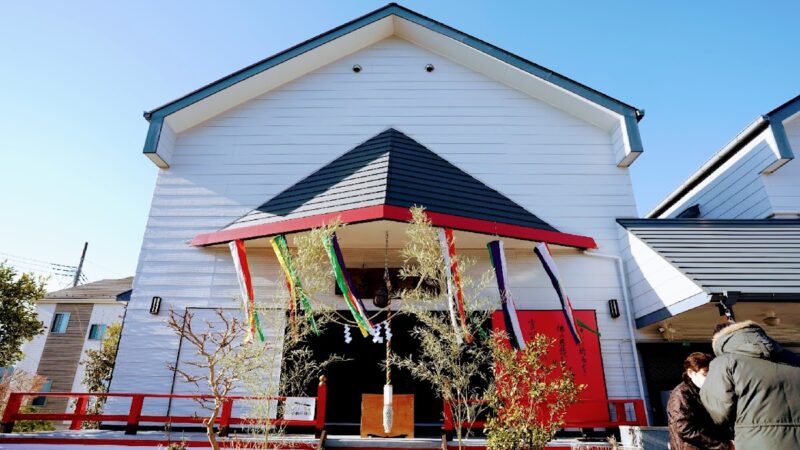
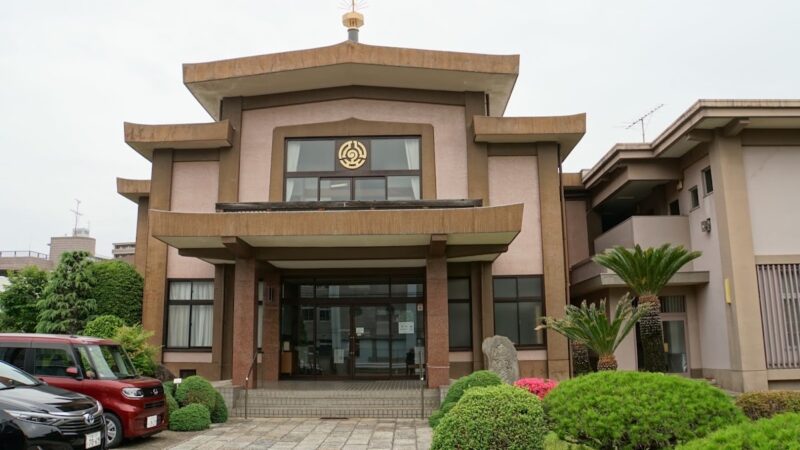
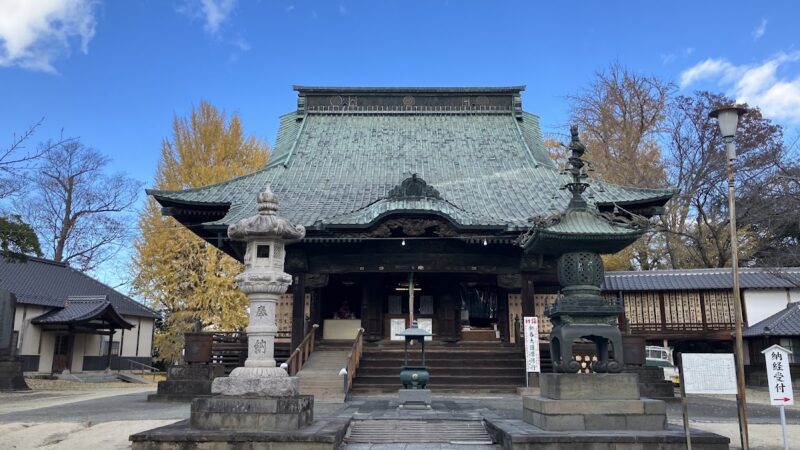
The main hall of Sannomiya-ji Temple is the central building of the temple. It houses the principal image of Buddha and is a sacred space where religious services and prayers are performed. Visitors can join their hands in prayer and offer their prayers in quiet contemplation.
The architectural style and decorations reflect the characteristics of the era in which it was built, making it a valuable resource for understanding the local architectural culture.
Atmosphere of the Temple Grounds
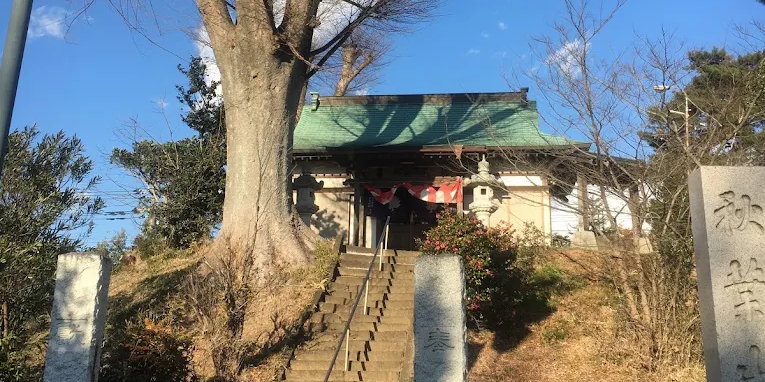
The grounds of Sannomiya-ji Temple are enveloped in a tranquil atmosphere. The trees and flowers, which change their appearance with each season, soothe the hearts of visitors.
You can enjoy the beauty of each season: cherry blossoms and plum blossoms in spring, lush shade in summer, autumn leaves in fall, and a crisp silence in winter.
Stone Monuments and Memorials
Within the temple grounds, there are stone monuments and memorials that tell the story of the temple’s history. These were donated by past chief priests and parishioners, demonstrating the deep connection between the temple and the local community.
Annual Events and Memorial Services
Main Annual Events
At Sannomiya-ji Temple, as a Buddhist temple, various events are held throughout the year.
New Year’s Events
At the start of the new year, we welcome visitors for the first shrine visit of the year, and memorial services such as the Shushō-e (New Year’s service) are held. The temple is bustling with people praying for good health and safety for their families throughout the year.
Spring Equinox
During the Equinox period, centered around the spring equinox, memorial services are held for ancestors. It is a precious time for parishioners to gather and remember their loved ones.
Obon Festival
In August, the Obon festival is held to welcome and honor the spirits of ancestors. In some regions, memorial services such as the Segaki (feeding of hungry ghosts) service are also held.
Autumn Equinox
Similar to the spring Equinox, ancestor memorial services are also held during the autumn Equinox period, centered around the autumn equinox.
Special Buddhist Ceremonies
Temples often hold special Buddhist ceremonies a few times a year, such as the anniversary of the temple’s founder or the anniversary of the principal deity’s passing. These events are important opportunities to pass on the temple’s history and traditions to future generations.
About Goshuin (Temple Seals)
Issuance of Goshuin
In recent years, collecting goshuin has become a popular pastime for temple and shrine visits. While Sannomiya-ji Temple may also issue goshuin, smaller temples may not always offer them.
If you wish to receive a goshuin, it is recommended to check with the temple in advance or ask the head priest or temple office upon your visit.
Etiquette When Receiving a Goshuin
Goshuin are given as proof of your visit. Please observe the following etiquette and request them respectfully.
- First, complete your prayers at the main hall before requesting a Goshuin (temple stamp).
- Open your Goshuincho (stamp book) and indicate the page you want stamped on.
- Prepare the Goshuin fee (generally around 300-500 yen).
- Do not insist if the head priest is absent.
- Remember to express your gratitude.
Etiquette for Visiting a Temple
Basic Etiquette for Visiting a Temple
When visiting a temple, please observe the following basic etiquette:
- Bow at the main gate: Before entering the temple grounds, bow at the main gate.
- Purify yourself at the water basin: If there is a water basin, purify your hands and mouth.
- Pray at the main hall: In front of the main hall, quietly clasp your hands together, bow, and pray sincerely.
- Offering a donation: If offering a donation, do so quietly.
- Bow upon leaving: When leaving the temple grounds, turn around and bow. ### Precautions When Visiting the Temple
- Please be quiet and refrain from speaking loudly on the temple grounds.
- Please take photographs only in designated areas.
- Photography is often prohibited inside the main hall.
- If you are accompanied by children, please ensure they do not run around.
- Please refrain from bringing pets, or check in advance.
Access Information
Location
Sangoji Temple is located in Saitama Prefecture, but it is recommended to check the latest information regarding the specific address before visiting. Please confirm the exact location using local tourist information centers, internet searches, or telephone directories.
Access by Public Transportation
Access to temples in Saitama Prefecture often involves using buses or taxis from the nearest station.
Access by Train
Check the nearest train station and research access methods from there. Several railway lines run through Saitama Prefecture, including JR lines, Tobu Railway, Seibu Railway, and Chichibu Railway.
Access by Bus
If using the bus from the station, it’s convenient to check the bus schedule and stops in advance.
Access by Car
If visiting by private car, enter the temple name or address into your car’s navigation system.
Access from the Expressway
Check the nearest interchange and research the route on local roads from there.
Parking
It’s recommended to check in advance whether the temple has its own parking lot. Smaller temples may have limited parking space.
Nearby Tourist Attractions
Visiting Temples and Shrines in Saitama Prefecture
When visiting Sannomiya-ji Temple, visiting nearby temples and shrines will make your trip more fulfilling. Saitama Prefecture has many historical temples and shrines, such as Kita-in Temple in Kawagoe, the Thirty-Four Kannon Pilgrimage Sites in Chichibu, and Hikawa Shrine in Saitama City.
Local Tourist Resources
There may be unique local tourist attractions and restaurants around the temple. Enjoying local specialties and regional cuisine is also a highlight of your trip. ## The Charm of Sannomiya-ji Temple
A Faith Rooted in the Community
The greatest charm of Sannomiya-ji Temple lies in its deep roots in the local community as a place of faith. Though not flashy, the temple’s presence, intertwined with the lives of the local people, embodies the essence of Japanese religious culture.
A Tranquil Place of Worship
One of its charms is the quiet atmosphere, free from the crowds of tourist temples. The time spent quietly reflecting on oneself and offering prayers will be a valuable experience in today’s society.
A Historic Atmosphere
The temple’s appearance, passed down through generations, possesses a timeless weight. You can feel the accumulation of history in the ancient trees and stone monuments within the grounds, and in the appearance of the main hall.
Guidelines for Worship
The Significance of Temple Visits
Visiting a temple is not merely sightseeing; it is a religious act of offering prayers to Buddha and calming the mind. Why not consider temple visits as an opportunity to escape the hustle and bustle of everyday life and reflect on yourself?
A Heart of Gratitude
The maintenance of temples is the result of the efforts of successive head priests and parishioners. When visiting, it is important to have a heart of gratitude towards these people.
Continuous Engagement
Visiting a temple multiple times, not just once, across different seasons, fosters a deeper connection. Participating in annual events, sutra copying sessions, and Dharma talks will lead to a more profound faith experience.
Buddhist Culture in Saitama Prefecture
Characteristics of Temples in Saitama Prefecture
Saitama Prefecture boasts a diverse array of temples built from ancient times through the medieval and early modern periods. As part of Musashi Province, it has played a crucial role in the development of Buddhist culture in the Kanto region.
Religious Culture in Kanto
Temples in the Kanto region have developed uniquely, distinct from the ancient temples of Kyoto and Nara, intertwined with samurai culture and popular faith. Sannomiya-ji Temple, too, plays a part in this Kanto religious culture, conveying the history of the region to the present day.
How to Interact with Temples
The Danka System
Many temples in Japan are supported by the Danka system. A Danka is a family that belongs to a specific temple and supports its maintenance and operation. They have ancestral graves at the temple and request funeral and memorial services.
Interaction as a General Visitor
Even if you are not a Danka, you can visit temples and participate in events. An increasing number of temples are aiming to be more open, and some hold events such as sutra copying sessions, Zen meditation sessions, and Dharma talks for the general public.
Contributing to Temple Maintenance
Maintaining a temple requires significant expenses. Donations during visits, fees for temple stamps, and the purchase of amulets are valuable sources of funding for temple operations. Participating in volunteer activities such as cleaning is also a way to support temples.
Preparation Before Visiting
Prior Information Gathering
Before visiting Sannomiya-ji Temple, it is a good idea to check the following information.
- Exact location and contact information
- Visiting hours (opening and closing times)
- Admission fee
- Parking availability
- Availability of Goshuin (temple stamps)
- Dates of special events
What to bring
- Goshuincho (stamp book) (if you wish to receive a Goshuin)
- Small change (for offerings and Goshuin fees)
- Camera (in places where photography is permitted)
- Comfortable walking shoes
- Appropriate clothing for the weather
Best time to visit
Temples are generally open for worship throughout the year, but each season offers a different charm.
- Spring: Beautiful cherry blossoms and fresh greenery
- Summer: Lush and cool temple grounds
- Autumn: Magnificent autumn leaves
- Winter: A solemn atmosphere enveloped in silence
Temples in the Digital Age
Information Dissemination on Social Media
In recent years, many temples have been using social media to disseminate information. An increasing number of temples are posting event announcements and photos of their grounds on Facebook, Instagram, and Twitter. ### Online Worship
Since the COVID-19 pandemic, some temples have begun offering online services and sermons. This is gaining attention as a new form of faith for those who live far away and find it difficult to visit temples, or for the elderly who have difficulty going out.
Highlights of Temple Architecture
Traditional Architectural Styles
Japanese temple architecture exhibits various styles depending on the era and sect. Paying attention to the roof shape, column arrangement, and decorative styles reveals the depth of the architecture.
Sculpture and Decoration
The main hall and temple gate often feature elaborate carvings and decorations. Traditional motifs such as dragons, lions, and flowers and birds each have their own meaning.
The Role of Temples in the Community
Spiritual Pillar
Temples have served as a spiritual pillar for the community, a place of solace for people. In times of joy and sorrow, temples have been with people.
Community Gathering Place
Temples have also functioned as gathering places for local communities. Through events and memorial services, temples provide opportunities for local people to meet, deepen their bonds, and connect with one another.
Transmission of Culture
Temples play a role not only in transmitting Buddhist culture but also in transmitting local traditional culture. Various cultural traditions, such as festivals, performing arts, and crafts, have been passed down through temples.
Challenges for Temples in Modern Times
Succession Problem
Many temples face the challenge of a shortage of successors. Due to the declining birthrate and diversifying values, the number of young people aspiring to become monks is decreasing.
Decline in Parishioners
Due to urbanization and changes in lifestyle, the number of parishioners is decreasing. As the foundation of temple operations is shaken, temples are searching for ways to adapt to the new era.
Aging Buildings
Historical buildings require significant maintenance costs. Securing funds for repairs and renovations is a major challenge for many temples.
The Future of Temples
Towards Open Temples
Modern temples are expected to be open not only to their parishioners but also to the general public. An increasing number of temples are undertaking new initiatives, such as adding cafes, holding yoga classes, and using their grounds as concert venues.
Social Contribution Activities
An increasing number of temples are engaging in social contribution activities, such as operating children’s cafeterias, creating places for the elderly, and disaster relief. These are attempts to apply Buddhist teachings to solving the challenges of modern society.
Harmony of Tradition and Innovation
While preserving tradition, adapting to the times is key to the sustainability of temples. A flexible approach, free from rigid formalities, is required while maintaining essential values.
Summary
Sangoji Temple, located in Saitama Prefecture, is a community-based temple with a long history, attracting the faith of local people. Though not flashy, it offers a precious space where one can find peace of mind and offer prayers to Buddha in its tranquil grounds.
Visiting a temple is not merely sightseeing; it is an opportunity to reflect on oneself and find inner peace. Why not take a break from your busy daily life and visit Sannomiya-ji Temple?
When visiting, please observe basic temple etiquette and show respect to the temple and the local community. Checking information beforehand and making appropriate preparations will ensure a more fulfilling temple visit.
Sango-ji Temple and other local temples are valuable resources that convey Japan’s religious culture and local history to the present day. It is our responsibility as modern people to cherish these temples and pass them on to future generations.
We hope that your connection with the temple will provide an opportunity to enrich your life.