Complete Guide to Hōdōji Temples: A Comprehensive Summary of History, Principal Images, and Access Information for Hōdōji Temples Nationwide
There are several temples throughout Japan that bear the name “Hōdōji.” Each belongs to a different Buddhist sect and possesses its own unique history and culture. This article provides a detailed explanation of the historical background, principal images, features of the temple grounds, and access methods for Hōdōji temples located in Shiki City (Saitama Prefecture), Hanamigawa Ward (Chiba City), Nanao City (Ishikawa Prefecture), Sakyo Ward (Kyoto City), and Ikoma City (Nara Prefecture).
What is Hōdōji Temple?: Meaning and Origin of the Temple Name
“Hōdō” refers to a Buddhist ornament, specifically a banner symbolizing the virtues of Buddha. The name Hōdōji embodies the wish to uphold the teachings of Buddha and serve as a beacon guiding all sentient beings.
The existence of temples with the same name throughout Japan is thought to be due to the auspiciousness of the name and its profound Buddhist significance. Each Hōdōji temple has a long history as a center of local faith.
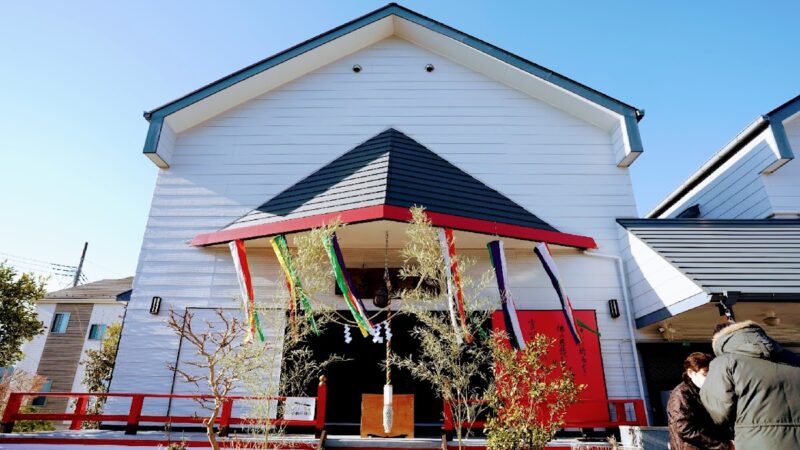
Hōdōji Temple (Shingon-shu Chizan-ha) in Shiki City, Saitama Prefecture
Overview of Jōōzan Jizōin Hōdōji Temple
Hōdōji Temple, located in Shiki City, Saitama Prefecture, belongs to the Shingon-shu Chizan-ha sect. Its official name is “Jōōzan Jizōin Hōdōji,” and its principal image is the hidden Buddha, Enmei Jizō Bodhisattva.
History and Origin
Regarding the origins of this temple, there is a theory that it was founded in April of Kenmu 1 (1334) by Abbot Yūen. It has a history dating back to the Middle Ages and has attracted the faith of local people. It developed throughout the Edo period and has a history of walking hand in hand with local parishioners to this day.
Principal Image and Faith
The Enmei Jizo Bodhisattva, a hidden Buddha image, is deeply revered for its protection of children, longevity, and memorial services for stillborn babies. Jizo worship is deeply intertwined with Japanese folk beliefs, and many worshippers visit this temple.
Highlights of the Temple Grounds
The temple grounds include the main hall, Jizo hall, and priest’s quarters. Located in a quiet residential area, the grounds maintain a tranquil atmosphere, offering peace to visitors.
Access Information
Location: Shiki City, Saitama Prefecture
Transportation Access:
- 15-minute walk from Shiki Station on the Tobu Tojo Line
- Easily accessible from the station, making it convenient to visit from central Tokyo.
Events and Festivals
This temple holds various Buddhist events throughout the year. In addition to memorial services for parishioners, traditional events such as Jizo-bon (Jizo Festival) are carefully preserved.
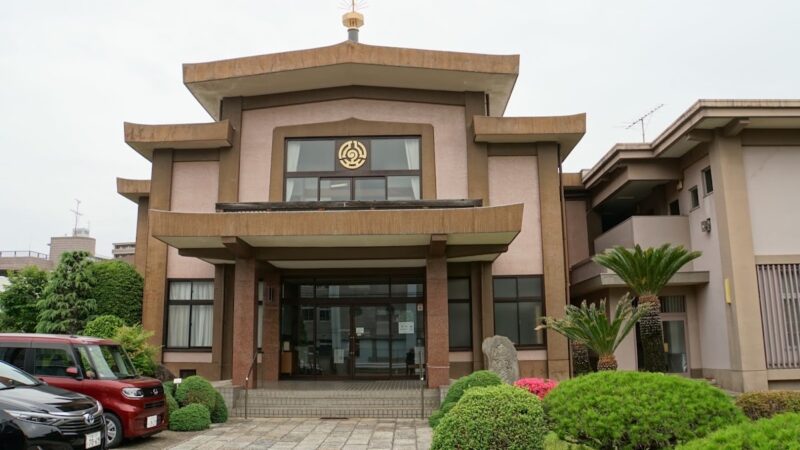
Hōdōji Temple (Shingon-shu Buzan-ha) in Hanamigawa Ward, Chiba City
Overview of Fudarakusan Kannon-in Hōdōji Temple
Hōdōji Temple, located in Makuhari-cho, Hanamigawa Ward, Chiba City, is a Shingon-shu Buzan-ha temple founded by Kōbō Daishi. Its mountain name is Fudarakusan, its temple name is Kannon-in, and its temple name is Hōdōji.
History of Founding
Founded in 806 (Daidō 1) by Yūe Hōin, it is an ancient temple with a history of over 1200 years. A historically significant temple founded in the early Heian period, it plays an important role in the history of Chiba City.
Characteristics of the Principal Image and Beliefs
As a Shingon-shu Buzan-ha temple, it preserves and transmits the teachings of Esoteric Buddhism. The mountain name, Fudarakusan, represents Fudaraku, the Pure Land of Kannon Bodhisattva, and is deeply connected to Kannon worship.
Temple Grounds Guide
Despite being located in the urban area of Makuhari-cho, Chiba City, the temple grounds maintain a tranquil atmosphere. The main hall and other temple buildings function as the center of local faith.
Cemetery Guide
Our temple also manages a cemetery and accepts requests for perpetual memorial services from parishioners and those seeking such services. We also offer memorial service options tailored to current social circumstances.
Access Information
Location: Makuhari-cho, Hanamigawa-ku, Chiba City
Transportation Access:
- Accessible from JR Sobu Line “Makuhari Station”
- Accessible from Keisei Line “Keisei Makuhari Station”
- Located in the heart of the Makuhari area, making it easily accessible for worshippers.
Hōdōji Temple in Nanao City, Ishikawa Prefecture
Hōdōji Temple in Noto
Hōdōji Temple, located in Kojima-cho, Nanao City, Ishikawa Prefecture, is one of the important temples in the Noto region.
Connection to the Community
Nanao City is the central city of the Noto Peninsula and has flourished as a port town since ancient times. This temple is deeply intertwined with the history of the region and has attracted the faith of people involved in the shipping and fishing industries.
Access Information
Location: 11-1, Kojima-machi, Nanao City, Ishikawa Prefecture 926-0852
Inquiries: TEL: 0767-52-2796
Transportation Access:
- Take a bus or taxi from JR Nanao Line “Nanao Station”
- Located in an environment surrounded by the rich nature of Noto
Hōdōji Temple (Jōdo-shū Seizan Zenrinji School) in Sakyō-ku, Kyoto City
Characteristics of Reishizan Hōdōji Temple
Hōdōji Temple, located in Kamitakano Kamado-cho, Sakyō-ku, Kyoto City, is a temple belonging to the Jōdo-shū Seizan Zenrinji School. Its mountain name is Reishizan, and its principal image is a standing statue of Amida Buddha.
Location and Environment
Located in the Kamitakano area, close to Yase and at the western foot of Mt. Hiei, it sits on a hill south of the Takano River. Located in northern Kyoto, it is a quiet temple in a rich natural environment.
Wooden Standing Statue of Amida Buddha
The standing statue of Amida Buddha, the principal image of this temple, is central to Amida worship in this Jodo sect temple. Amida Buddha is the principal deity of the Western Pure Land and the fundamental Buddha of Pure Land Buddhism, which preaches rebirth in the Pure Land through chanting the Buddha’s name.
Access Information
Location: Kamitakano Kamado-cho, Sakyo-ku, Kyoto City
Transportation Access:
- Within walking distance from Eizan Electric Railway’s “Yase-Hieizanguchi Station” or “Iwakura Station”
- Accessible by Kyoto Bus
- Can be visited in conjunction with sightseeing in Mt. Hiei or Yase
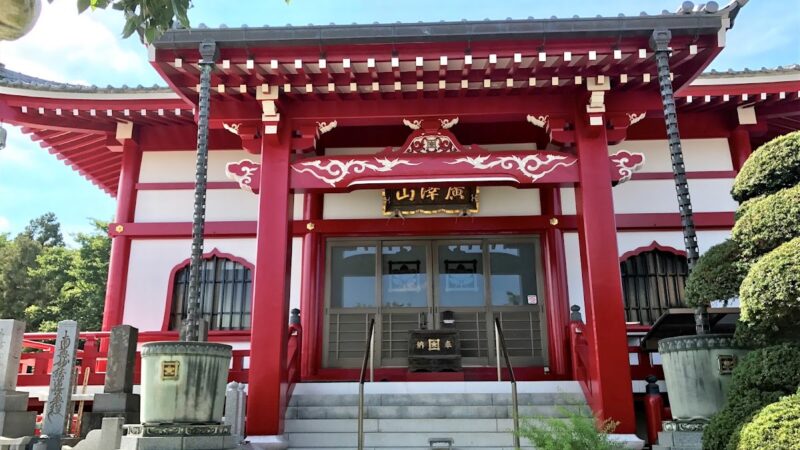
Hōdōji Temple, Ikoma City, Nara Prefecture
History of Hōdōji Temple in Ikoma
Hōdōji Temple, located in Kodaira-cho, Ikoma City, Nara Prefecture, is first mentioned in the “Kōfukuji Kanmu Chōsho” (Official Records of Kōfukuji Temple) in the entry for April 16, 1441 (Kakitsu 1). It is a historical temple with a history dating back to the Muromachi period.
Relationship with Kōfukuji Temple
Its appearance in the records of Kōfukuji Temple suggests that it was a temple with deep ties to Nanto Buddhism. It supported local faith in Nara, a center of Buddhist culture.
Wooden Seated Statue of Dainichi Nyorai
This temple houses valuable Buddhist statues, which play an important role as cultural assets of the region.
Access Information
Location: Kodaira-cho, Ikoma City, Nara Prefecture
Transportation Access:
- Approximately 1.2 kilometers southwest from Minami-Ikoma Station on the Kintetsu Nara Line
- By foot, bus, or taxi
- Located at the foot of Mt. Ikoma, surrounded by abundant nature
Manners and Etiquette for Visiting Hōdōji Temple
Basic Etiquette for Visiting Temples
When visiting a temple, please observe the following basic manners:
- Bow at the Temple Gate: Bow before entering the temple grounds.
- Purify at the Water Basin: Purify your hands and mouth before praying.
- Pray at the Main Hall: Quietly join your hands in prayer and pray with sincerity.
- Refrain from Talking: Be quiet on the temple grounds.
- Consideration for Photography: Avoid taking photos in areas where photography is prohibited or directly photographing Buddha statues.
Characteristics of Each Buddhist Sect
Shingon Sect (Chizan and Buzan Branches):
This sect transmits the teachings of Esoteric Buddhism, with Kobo Daishi Kukai as its founder. It is characterized by Esoteric Buddhist rituals such as the Goma fire ritual.
Jodo Sect, Seizan Zenrinji Branch:
This is a branch of Pure Land Buddhism that focuses on the recitation of the Buddha’s name, Amida Buddha. It aims for rebirth in paradise through the recitation of “Namu Amida Butsu.”
Newsletter and Information Dissemination from Hodoji Temple
Modern Information Dissemination
Each Hodoji temple disseminates information about events and daily life through its website and social media. In particular, Hodoji Temple in Shiki City, Saitama Prefecture, communicates with parishioners and local residents through its Facebook page (hodoji_shiki).
The Role of the Temple Newsletter
The temple newsletter is a periodical published for temple parishioners, containing information on annual events, sermons by the head priest, and updates on the temple’s activities. It serves as an important communication tool connecting the temple and its parishioners.
Gallery and Records
Each temple documents events and seasonal scenery within the temple grounds through photographs, which are then shared on websites and social media. This allows people from far away or those unable to visit regularly to experience the atmosphere of the temple.
Memorial Services and Buddhist Rites at Hōdōji Temple
Annual Events
The following annual events are held at each Hōdōji temple:
- First three days of the New Year: New Year’s Day service, first shrine visit of the year
- Spring Equinox Service: Ancestor memorial service
- Obon Festival: Memorial service for the Obon festival
- Autumn Equinox Service: Ancestor memorial service
- Jizo Bon Festival: Praying for the healthy growth of children (at temples with Jizo Bodhisattva as the principal deity)
- New Year’s Eve Bell Ringing: Ringing the bell on New Year’s Eve
Individual Memorial Services
The following individual memorial services are also held for temple parishioners:
- Funeral and memorial services (first seven days, forty-ninth day, first anniversary, third anniversary, etc.)
- Memorial service for stillborn babies
- Ancestor memorial service
- Prayers and exorcisms
- Eye-opening and eye-closing ceremonies
The Danka System and Modern Temple Management
Relationship with Danka (Parishioners)
The Danka system originates from the temple registration system of the Edo period, a system in which a specific temple is designated as the family temple and is cared for by generations of families. Danka support the maintenance and operation of the temple, and the temple performs ancestral memorial services and funerals for the danka.
Changes in Modern Times
Currently, due to the rise of nuclear families and urbanization, the traditional Danka system is changing. Each Hōdōji temple is adapting to the times by establishing perpetual memorial graves and offering memorial services to non-danka members.
A Journey to Visit Hōdōji Temples Across Japan
How to Enjoy Temple Pilgrimages
Even temples with the same name, “Hōdōji,” differ in sect, history, principal image, and architectural style. Visiting Hōdōji temples throughout Japan allows you to experience the diversity and regional characteristics of Japanese Buddhist culture.
Nearby Tourist Attractions
Shiki City, Saitama Prefecture: Shiki City is a commuter town near Tokyo, but it boasts abundant natural beauty along its banks, including the Yanasegawa and Shingashigawa rivers.
Makuhari, Chiba City: This area offers an interesting contrast between modern tourist spots like Makuhari Messe and Makuhari Seaside Park, and historical temples.
Nanao City, Ishikawa Prefecture: The central city of the Noto Peninsula, it offers abundant tourist resources such as Wakura Onsen, Noto Island, and the ruins of Nanao Castle.
Sakyo Ward, Kyoto City: Located near some of Kyoto’s most representative tourist destinations, including Enryaku-ji Temple on Mount Hiei, Yase, and Sanzen-in Temple in Ohara.
Ikoma City, Nara Prefecture: Known as a place of mountain worship, with sites such as Mount Ikoma and Hozan-ji Temple.
Information to Check on the Homepage
The following information can be found on the homepage of each Hōdōji Temple website:
- New Information: Event schedules, memorial service announcements, and temple notices
- Access: Location, transportation options, and parking availability
- Temple Grounds Guide: Main hall, temple facilities, and points of interest
- Cemetery Guide: Cemetery plot availability and information on perpetual memorial services
- Contact Us: Phone number and email form
We recommend checking the latest information on the homepage before visiting.
Summary: The Charm and Value of Hōdōji Temples
Hōdōji Temples, scattered throughout Japan, are valuable entities that embody the history and culture of their respective regions. While they belong to different sects (Shingon Buddhism, Jōdo Buddhism, etc.), they all convey the teachings of Buddha and have served as spiritual havens for people.
Even today, each Hōdōji Temple continues to strive to meet the needs of modern society while preserving its traditions. The temple is being managed in a way that is in line with the times, including disseminating information through its website and social media, and proposing new forms of memorial services.
Hōdōji temples are spread throughout Japan, in Saitama, Chiba, Ishikawa, Kyoto, and Nara prefectures. In each region, the temple continues to quietly watch over the people. Why not visit a Hōdōji temple near you and experience its history and culture? You are sure to find peace of mind in the tranquility of the temple grounds.