Complete Guide to Inari Shrines | A Thorough Explanation of Historic Inari Faith Sacred Sites in Saitama Prefecture
What are Inari Shrines?
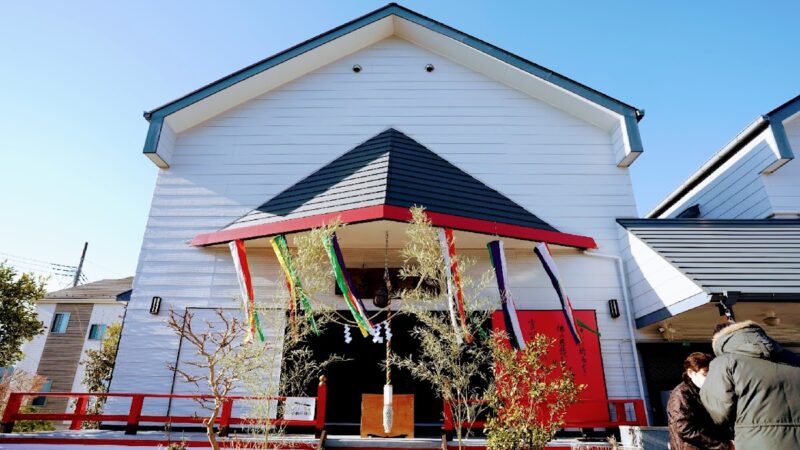
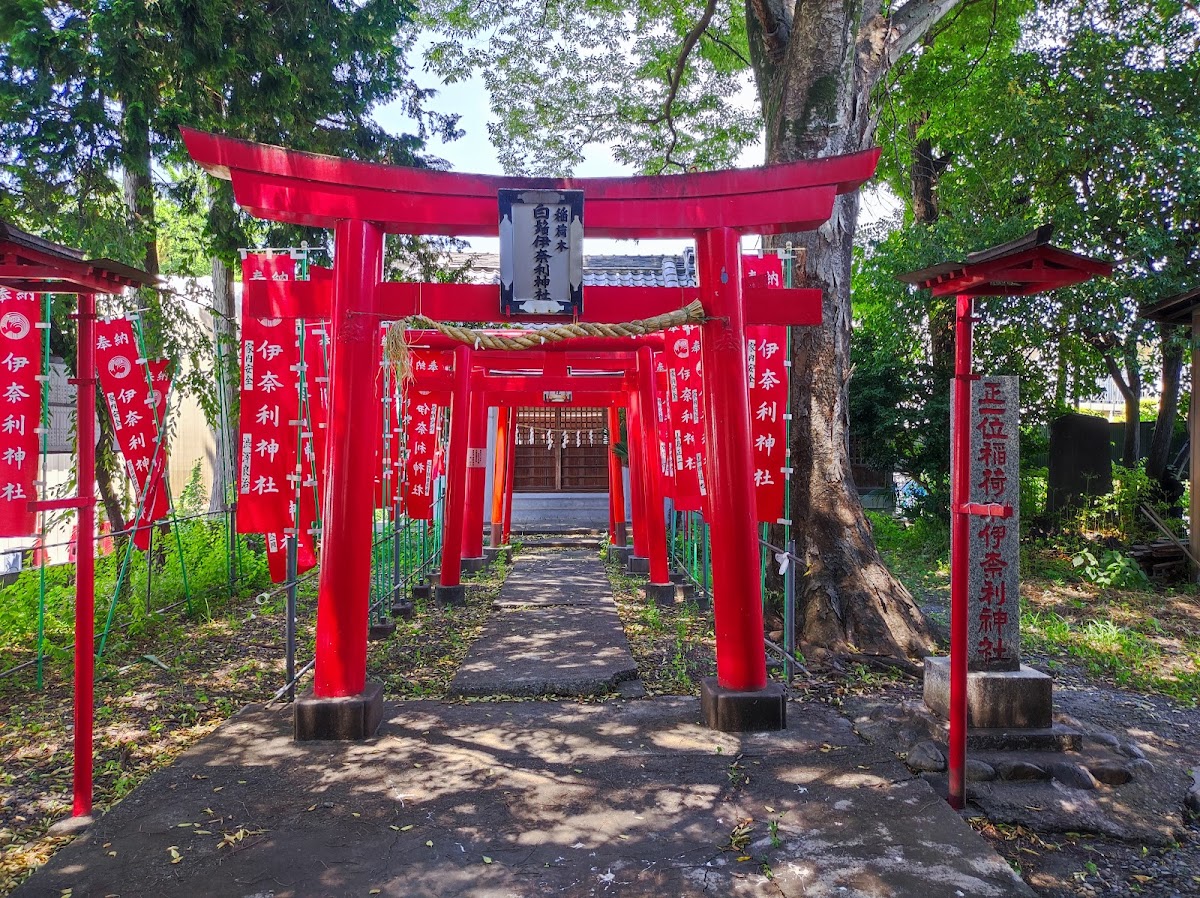
Inari Shrines (伊奈利神社) are a collective term for several shrines in Saitama Prefecture that are based on the Inari faith. The characters “伊奈利” are used to represent “Inari,” and they are known for their blessings of abundant harvests, business prosperity, and family safety. In Saitama Prefecture, historical Inari Shrines, mainly in Kumagaya City and Hanyu City, have long been revered as local guardian shrines.
Inari faith is a folk belief that has spread throughout Japan, and shrines that received divided spirits from Fushimi Inari Taisha in Kyoto, the head shrine of Inari faith, have been established in various locations. Many of the Inari Shrines in Saitama Prefecture were also established after the Edo period, receiving divided spirits from Fushimi Inari, and have played an important role as spiritual pillars of their local communities.
Major Inari Shrines in Saitama Prefecture
Inari Shrine in Harashima, Kumagaya City
The Inari Shrine, located in Harashima (Maeharashima district) of Kumagaya City, has long been revered as the guardian shrine of the region. While there are no clear records of its founding date, its history can be learned from the certificate of divided spirit kept in the main hall.
History and Origins
In the main hall, along with the sacred seal, there is a certificate of divided spirit from Fushimi Inari to the head temple, Kichijoji. The date on this certificate is An’ei 4 (1775), suggesting that the shrine was worshipped in its current form during the mid-Edo period. This dates back approximately 250 years, illustrating the importance of Inari worship in the local community at that time.
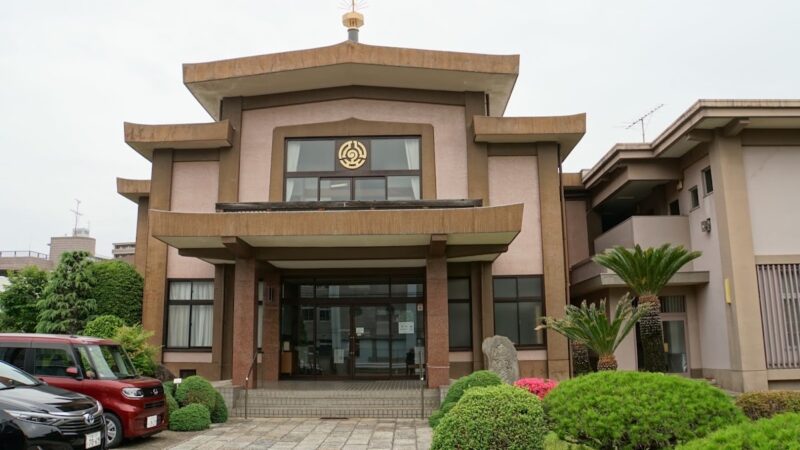
The involvement of Kichijoji as the head temple is a valuable example of the close relationship between shrines and temples during the era of Shinto-Buddhist syncretism. Before the Meiji-era decree separating Shinto and Buddhism, many shrines were under the management of temples, and Shinto and Buddhism were worshipped together.
Characteristics of the Shrine Grounds
The current Inari Shrine (Harashima) is adjacent to a park, and including the shrine grounds, it boasts a considerable area. It also functions as a place of relaxation for local residents, and children can be seen playing there. It can be said to be a place that embodies the modern form of a guardian forest, where the shrine and the local community are integrated.
Inariki Inari Shrine in Ginza, Kumagaya City
Inariki Inari Shrine, located in Ginza, Kumagaya City, is a shrine with a history dating from the late Muromachi period to the Edo period.
History of Founding and Reconstruction
The exact founding date of Inariki Inari Shrine is unknown, but it is said to have been founded after Bunmei 18 (1486). This falls in the late Muromachi period, and it continued to attract local faith even after the turbulent Sengoku period and into the Edo period.
In August of the first year of the Hoei era (1704), the shrine suffered a devastating flood that swept away its main building, but it was rebuilt within the same year. This swift reconstruction demonstrates the deep faith of the local residents at the time and the indispensable role of the Inari Shrine in the community.
In 1944 (Showa 19), it was ranked as a village shrine, establishing its status as an officially recognized shrine. The village shrine designation was an important position in the modern shrine ranking system, indicating its recognition as a central shrine in the region.
Inari Shrine in Hidezuka, Kumagaya City
The Inari Shrine, located in Hidezuka, Kumagaya City, is a shrine that strongly reflects the history of the separation of Shinto and Buddhism.
Relationship with Joju-in Temple
Initially, this Inari Shrine was the guardian shrine within the grounds of a temple called Joju-in. At some point, it became the guardian shrine of Hidezuka village, an object of worship for the entire village, and its role in the community expanded.
Following the Meiji 2nd year (1869) decree separating Shinto and Buddhism, the shrine was separated from the temple and relocated to its current location. This was part of the Meiji government’s policy to separate Shinto and Buddhism, and had a significant impact on shrines and temples throughout Japan.
Furthermore, in Meiji 42 (1909), twelve other shrines in the village were merged into this shrine. This was part of the Meiji government’s policy of shrine consolidation, aiming to improve management efficiency by integrating smaller shrines. As a result of this consolidation, the Koizuka Inari Shrine became the central authority for multiple local religious beliefs.
Deity
The deity enshrined at Koizuka Inari Shrine is Ukanomitama-no-Mikoto. Ukanomitama-no-Mikoto is known as the god of grain and food, and is a central deity in Inari worship. In an era when agriculture was the main industry, this deity was deeply revered as an object of prayer for abundant harvests.
Inari Shrine in Hanyu City
Located in Hanyu City, Saitama Prefecture, Inari Shrine has a history that developed from a household deity.
History of Founding
Founded in 1598 (Keicho 3), Inari Shrine is said to have originated when Ichikawa Hyōzaemon enshrined it as the household deity of the Ichikawa family. A household deity is a god that protects a specific house or family, and was widely worshipped among samurai and wealthy farmers during the Edo period.
Initially, it was a private object of worship for the Ichikawa family, but over time, it also attracted the faith of local residents, and is now a beloved local shrine. The development from a personal household deity to a local guardian shrine is a typical example of how Shinto worship spreads in Japan.
Yakko Inari Shrine
There is also an Inari Shrine in Kumagaya City, commonly known as “Yakko Inari Shrine.”
Unique Beliefs
The official name of the shrine is “Inari Shrine,” but the plaque above the shrine building reads “Yakko Inari Shrine.” The name “Yakko Inari” originates from a unique religious custom.
There was a belief that sickly children would become healthy if they made monthly visits to the shrine for a set period of three or five years. Worshippers were customarily referred to as “Yakko Inari” (servants) of Inari-sama. This custom is the origin of the name “Yakko Inari.”
This kind of folk belief, in an era before advanced medicine, was a manifestation of parents’ earnest desire for their children’s health, expressed through faith in gods and Buddhas. Even today, this tradition is passed down through generations by local residents who know of it.
Benefits of Inari Shrine
The Inari deity enshrined at Inari Shrine is believed to offer a variety of benefits.
Abundant Harvest and Agricultural Prosperity
The original nature of Inari-sama is that of a grain god and agricultural god. The name “Inari” itself is said to originate from “Inari” (rice harvest) or “Inari-nari” (rice growing), and it has been worshipped since ancient times as an object of prayer for a bountiful harvest. In an era when agriculture was the main industry, Inari shrines were a spiritual pillar supporting the foundation of local life.
Business Prosperity and Success
From the Edo period onward, with the development of commerce, Inari worship also became widely worshipped as a god of business prosperity. It was particularly devout among merchants, and the custom of enshrining Inari shrines in shops and businesses spread. Even today, many companies and shops worship Inari shrines.
Family Safety and Prosperity of Descendants
Inari shrines, which originated as household shrines, also emphasize the benefits of family safety and prosperity of descendants. This aspect is particularly emphasized in shrines that developed from household shrines, such as the Inari shrine in Hanyu City.
Prayer for Recovery from Illness and Good Health
As seen in the example of Inari Shrine, there is also a belief in praying for the health and recovery of children from illness. The custom of praying for health through regular visits is a form of belief that resonates with modern health prayers.
Architectural Style and Characteristics of Inari Shrines
Structure of the Main Hall
The main halls of Inari Shrines are built according to the general style of shrine architecture. In many cases, styles such as Nagare-zukuri or Kasuga-zukuri are adopted, and the roofs are covered with copper plates or tiles.
Although relatively small in scale, they are carefully maintained as centers of local faith. Regular repairs and renovations are carried out, preserving their value as historical buildings.
Torii Gates and Approach
The vermilion torii gates, a symbol of Inari shrines, can sometimes be seen at Inari Shrines. However, not all Inari shrines have vermilion torii gates; it varies depending on the region and size.
The approach to the shrine is often integrated with the local residents’ daily routes, maintaining an environment where people can feel close to the shrine on a daily basis.
Komainu and Fox Statues
The divine messenger of Inari shrines is the fox, and while fox statues are usually placed there, some Inari shrines also have the more common komainu (guardian lion-dogs). This reflects local customs and changes over time.
Annual Events and Festivals
Grand Festival
Each Inari shrine holds a grand festival once a year. The timing varies depending on the shrine, but it is often held in the autumn harvest season, expressing gratitude for a bountiful harvest and praying for a good harvest the following year.
In addition to Shinto rituals, the grand festival includes offerings and events by local residents, providing an opportunity to strengthen community bonds.
Hatsuumasai Festival
Hatsuumasai Festival is a unique event of Inari shrines. This festival, held on the first Day of the Horse in February, is based on the legend of the day when Inari-sama (the Inari deity) descended to earth.
The Hatsuumasai (First Horse Day Festival) includes rituals praying for business prosperity and family safety, and is believed to bestow blessings upon worshippers. In some areas, stalls are set up, and special Shinto rituals are performed.
Monthly Festivals and Daily Worship
Some shrines hold regular monthly Shinto rituals as part of their monthly festivals (tsukinami-sai). Also, as exemplified by Nuinari Shrine, the custom of monthly visits remains in some places.
On a daily basis, shrines function as an integral part of life, with local residents stopping by during walks or offering prayers in the morning and evening.
Etiquette and Manners for Worship
Basic Worship Method
Worship at Inari Shrine follows the general etiquette of visiting a shrine. Bow before passing through the torii gate, and walk avoiding the center of the path. Cleanse your hands and mouth at the temizuya (water basin) before proceeding to the main hall.
At the front of the main hall, you offer a monetary donation, ring the bell, and perform the ritual of two bows, two claps, and one bow. It is important to silently recite your wishes and remember to be grateful.
Special Worship Customs
For shrines like Inari Shrine, where there are customs of regular worship during specific periods, there are specific methods of worship that follow those traditions. Asking local representatives or parishioners will allow for a deeper religious experience.
Photography and Etiquette on the Shrine Grounds
Photography is generally permitted on the shrine grounds, but you should refrain from taking pictures inside the main hall or during religious ceremonies. Also, remember that the shrine grounds are a sacred place, and quiet behavior is expected.
Access
Access to Inari Shrine in Harashima, Kumagaya City
It is approximately a 25-minute walk from Ishihara Station on the JR Takasaki Line and Chichibu Railway. If using the bus, take a local bus from Kumagaya Station and walk from the nearest bus stop. For those traveling by private car, access is convenient via National Route 17.
Access to Inari Shrine in Ginza, Kumagaya City
It’s within walking distance of Kumagaya Station and located in the city center, making access easy. It takes approximately 15 minutes on foot from the station.
Access to Inari Shrine in Hidezuka, Kumagaya City
Access is by bus or private car from Kumagaya Station. The Hidezuka area is a residential area slightly away from the city center.
Access to Inari Shrine in Hanyu City
The nearest station is Hanyu Station on the Tobu Isesaki Line. From the station, you will need to take a bus or taxi. It is recommended to confirm the exact location in advance.
Nearby Attractions
Tourist Spots in Kumagaya City
When visiting Inari Shrine, you can also visit other tourist spots in Kumagaya City. Kumagaya Sakura Embankment is a famous cherry blossom viewing spot selected as one of Japan’s Top 100 Cherry Blossom Viewing Spots, attracting many tourists in spring.
Kumagaya-ji Temple (Yukokuji) is an ancient temple in the city where you can visit historical buildings and cultural assets. The Kumagaya Uchiwa Festival is known as the largest Gion Festival in the Kanto region and is a grand festival held in July.
Tourist Attractions in Hanyu City
In Hanyu City, Hanyu Suigo Park is a popular tourist spot. The vast grounds offer various facilities and are enjoyable for families. Hanyu City is also known for its traditional indigo dyeing craft.
Inari Shrine and the Local Community
Parishioner Organization and Representative System
Inari Shrine is supported by local residents called ujiko (parishioners). The ujiko cooperate in the maintenance and management of the shrine and the operation of festivals, forming a community centered around the shrine.
Representatives, acting as representatives of the ujiko, are involved in the operation of the shrine, handling communication and coordination with Shinto priests and preparations for festivals. The representative system is a traditional mechanism of shrine management in Japan and also functions as a form of local self-governance.
Role in the Modern Era
In modern society, Inari Shrine plays a role that goes beyond that of a mere religious facility. It has multifaceted aspects, serving as a cultural asset that conveys local history, a community gathering place, and a public space that includes a children’s playground.
Even amidst increasing urbanization, Inari Shrine is recognized as an important place for maintaining local identity and serves as a place for intergenerational exchange.
Challenges of Preservation and Succession
Due to the declining birthrate, aging population, and ongoing urbanization, challenges have arisen in the maintenance and management of shrines and the continuation of traditional events. Some areas are facing problems such as a decrease in parishioners and a lack of participation from younger generations.
On the other hand, with growing interest in local history and culture, there is a movement to re-recognize the value of Inari Shrine. New forms of succession are being explored, such as the preservation of historical buildings, the documentation of traditional events, and its use as a place for local learning.
Summary
Inari Shrines in Saitama Prefecture are valuable cultural heritage sites that convey the history of Inari worship that has continued since the Edo period. These shrines, scattered mainly in Kumagaya and Hanyu cities, each have their own unique founding history and origins, and have long been revered as guardian deities of their respective regions.
They are believed to offer a variety of blessings, including abundant harvests, business prosperity, and family safety, and even today, many worshippers visit them. Despite being affected by the religious policies of the Meiji era, such as the separation of Shinto and Buddhism and the consolidation of shrines, they continue to play a vital role as spiritual pillars of their communities.
When visiting, observing basic etiquette and learning about the history and characteristics of each shrine will lead to a deeper religious experience. Through interaction with local representatives and parishioners, you can also gain a real understanding of the role that Inari Shrines have played in their communities.
Even in today’s increasingly urbanized world, Inari Shrines are important places that convey the history and culture of the region, and are valuable assets that should be passed down to future generations. When visiting Saitama Prefecture, be sure to visit a local Inari Shrine and experience its history and world of faith.