
Complete Guide to Susa Shrine | Japan’s Only Sacred Site Dedicated to the Spirit of Susanoo-no-Mikoto
Located in Sada-cho, Izumo City, Shimane Prefecture, Susa Shrine is a unique shrine among the many shrines associated with Susanoo-no-Mikoto throughout Japan, as it is the only one that enshrines his spirit. It is a historically significant shrine, mentioned in the Izumo Fudoki (ancient provincial gazetteer) and the Engishiki Jinmyocho (a list of shrines compiled in the Heian period), and in recent years has attracted many visitors as “Japan’s number one power spot.”
This article comprehensively introduces all the information you need to know before visiting Susa Shrine, including its history, enshrined deities, highlights within the grounds, information on shrine relocation, and access methods.
About Susa Shrine | The Final Resting Place of Susanoo-no-Mikoto
Susa Shrine is a shrine that enshrines Susanoo-no-Mikoto (Susanoo-no-Mikoto) as its main deity, along with Inadahime-no-Mikoto, Ashinazuchi-no-Mikoto, and Tenazuchi-no-Mikoto.
The Only Shrine Dedicating the Spirit of Susanoo-no-Mikoto
While there are many shrines throughout Japan that enshrine Susanoo-no-Mikoto, Susa Shrine is a special one. It is believed that Susanoo-no-Mikoto praised this land as having a “refreshing atmosphere” and settled his own spirit here, making it a revered “shrine of spirit appeasement.”
The Izumo Fudoki (ancient record of Izumo Province) states that when Susanoo-no-Mikoto visited this land, he said, “This country is small, but it is a good country. I will not name myself after a rock or tree, but after the land,” thus giving his name to the place. This is the origin of the current place name “Susa.”
An Ancient Shrine Recorded in the Izumo Province Fudoki and the Engishiki Jinmyocho
The history of Susa Shrine is ancient. It is recorded as “Susa Shrine” in the Izumo Province Fudoki, compiled in 733. It is also recorded as “Susa Shrine” in the Engishiki Jinmyocho and was ranked as a National Shrine of the lower rank.
In the medieval period, it was called “Jusansho Daimyojin” and “Omiya Daimyojin,” and in the early modern period, “Susa Omiya,” indicating its high status. In 1871 (Meiji 4), it was renamed “Susa Shrine,” as recorded in the Engishiki, and remains so to this day.
Deities and Divine Virtues of Susa Shrine
Four deities are enshrined at Susa Shrine, each with a deep connection to the others.
Main Deity: Susanoo-no-Mikoto
In Japanese mythology, Susanoo-no-Mikoto is known as the heroic god who defeated Yamata-no-Orochi (a mythical eight-headed serpent). As a god who transformed from a fierce deity to a guardian deity protecting the land, he is believed to bestow many blessings, including protection from evil, good fortune, and matchmaking.
Enshrined Deities: Inada-hime-no-Mikoto, Ashinazuchi-no-Mikoto, and Tenazuchi-no-Mikoto
Inada-hime-no-Mikoto is the wife of Susanoo-no-Mikoto and a goddess who saved her from being sacrificed to Yamata-no-Orochi. Ashinazuchi-no-Mikoto and Tenazuchi-no-Mikoto are Inada-hime-no-Mikoto’s parents and are enshrined together as a family.
Due to this composition of deities, Susa Shrine is also known for its blessings of family harmony, marital harmony, and matchmaking.
Japan’s No. 1 Power Spot | The Divine Power of Susa Shrine
Susa Shrine gained nationwide attention after spiritual counselor Hiroyuki Ehara introduced it as “Japan’s No. 1 power spot.”
Characteristics as a Power Spot
There are several reasons why Susa Shrine is considered a special power spot:
- Uniqueness in Enshrining the Spirit: The only shrine that directly enshrines the spirit of Susanoo-no-Mikoto
- Life Energy from the Great Cedar: A sacred tree estimated to be over 1300 years old
- Pure Flow of Energy: The energy of the land, which Susanoo-no-Mikoto described as “refreshing”
- Ancient Belief: The accumulation of over 1300 years as a place of prayer
Many visitors have reported feeling “cleansed,” “a mysterious power,” and that it was a “turning point in their lives.”
Highlights of Susa Shrine | Shrine Grounds Guide
The grounds of Susa Shrine boast numerous points of interest, including buildings and sacred trees that tell the story of its long history.
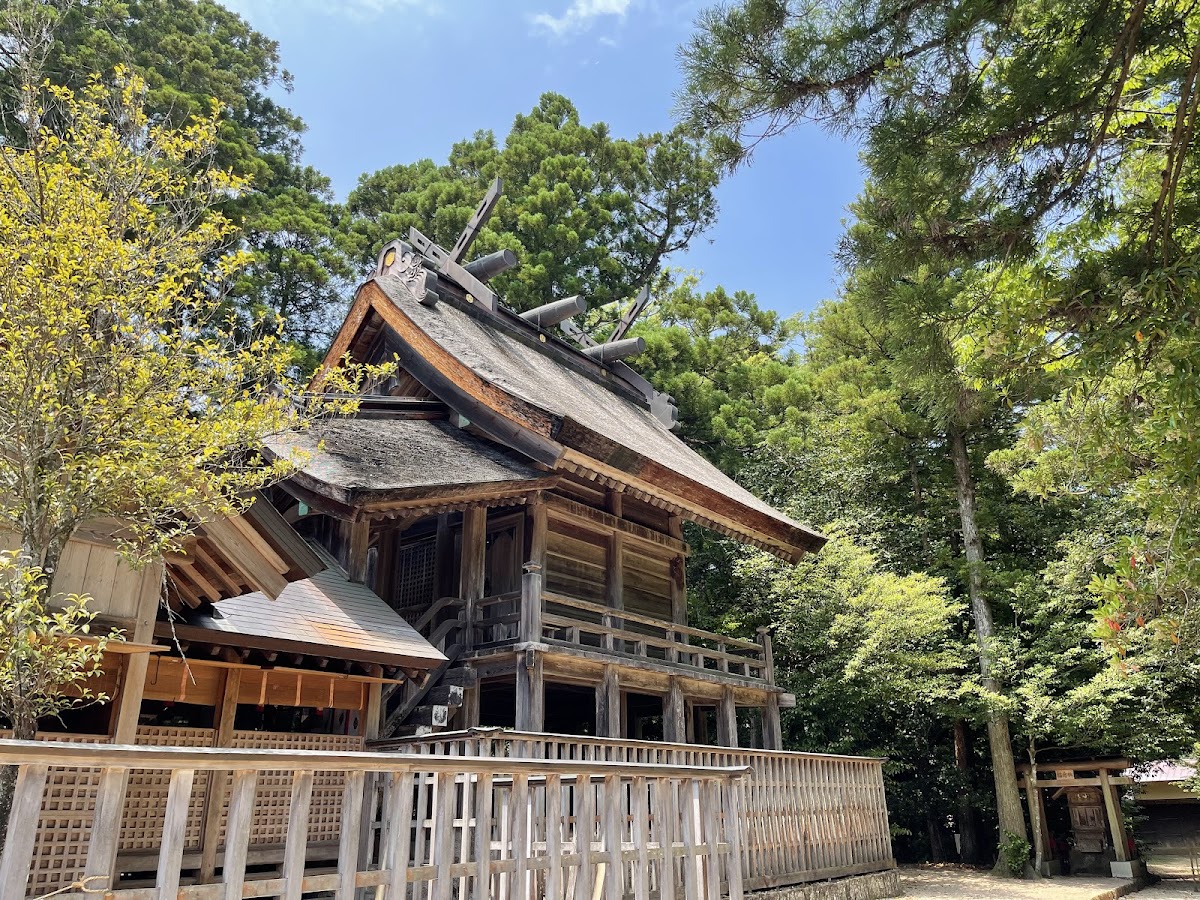
Main Hall | Shimane Prefecture Designated Cultural Property
The current main hall was constructed in 1554 by Amago Haruhisa and designated a Shimane Prefecture Cultural Property in March 1966.
Along with Izumo Taisha Shrine, it represents the Taisha-zukuri architectural style, and its majestic presence overwhelms visitors. With a history of approximately 470 years, the main hall is a valuable cultural asset that conveys the architectural techniques of the Sengoku period.
The Great Cedar | A Sacred Tree Estimated to be 1300 Years Old
An indispensable element when discussing Susa Shrine is the great cedar tree towering behind the shrine. Its estimated age is approximately 1300 years, with a trunk circumference of about 6 meters and a height of about 24 meters.
This giant cedar tree, affectionately called “Oosugi-san,” is a symbol of the power spot at Susa Shrine. While a fence prevents direct contact with the trunk, visitors can touch its large, protruding roots, and many come to feel the cedar’s energy.
As a souvenir, visitors can receive an amulet called “Oosugi-san’s Tree Spirit (Kodama),” allowing them to take home some of the cedar’s power.
The Seven Mysteries of Susa Shrine
Susa Shrine has seven ancient mysteries that enhance its mystical atmosphere:
- Shionoi: A well that produces saltwater despite being far from the sea.
- Shinme: The legend of a white horse that appears at the shrine.
- Kagenashizakura: A cherry tree said to cast no shadow.
- Ochiba no Maki: A Japanese yew tree whose leaves do not change color in autumn.
- Aioi no Matsu: A pine tree that grows two branches from a single root.
- Hoshinamera: A stone from which a shooting star is said to have slid down.
- Amatsubo: A pot used for rainmaking.
These seven mysteries further deepen the sacred and miraculous atmosphere of Susa Shrine.
Shrines within the Precincts and Subsidiary Shrines
Within the grounds of Susa Shrine, several subsidiary shrines and auxiliary shrines are enshrined. Each possesses its own unique divine virtues and responds to the various wishes of worshippers.
By respectfully paying respects not only to the main shrine but also to these subsidiary shrines, you can receive deeper divine blessings.
The Reiwa Era Relocation Ceremony | A Grand Festival Held Approximately Once Every 30 Years
At Susa Shrine, the “Relocation Ceremony” is held approximately once every 30 years, involving the restoration of the main shrine and the relocation of the sacred object.
What is the Relocation Ceremony?
The Relocation Ceremony is an important Shinto ritual for maintaining the shrine architecture and renewing the divine power. The roof of the main shrine is replaced and the structure is repaired, during which time the sacred object is moved to a temporary shrine.
The main shrine of Susa Shrine has been passed down to the present day, having undergone numerous Relocation Ceremonies since its construction in 1554 (Tenbun 23). This traditional practice has continued to protect the main shrine, which boasts a 470-year history, to this day.
Overview of the Reiwa Era Relocation Ceremony
Currently, the Reiwa Era Relocation Ceremony is being planned at Susa Shrine. Approximately 30 years have passed since the last relocation ceremony, and the main shrine is now in need of repair.
The relocation ceremony consists of multiple rituals, with various festivals being held over several years. Solemn rituals in accordance with tradition, such as the temporary shrine relocation ceremony, the main shrine repair work, and the main shrine relocation ceremony, are planned.
Request for Donations
The relocation ceremony requires significant funds. Susa Shrine is calling for donations to ensure that the legacy is passed on to future generations.
Donations are not merely contributions, but a noble act that connects a faith that has continued for over 1300 years to the future. Those who donate will receive a commemorative gift and their name will be recorded in a guest book as a token of our gratitude.
The official website of Susa Shrine and the special website for the shrine’s relocation ceremony are regularly updated with information on how to make a donation and the progress of the relocation.
Information for Visitors | Visiting Hours and Shrine Etiquette
This section provides basic information you should know when visiting Susa Shrine.
Visiting Hours
The grounds of Susa Shrine are open for worship year-round. The shrine office is usually open from 9:00 AM to around 5:00 PM.
Visiting during the quiet hours of early morning or evening allows you to experience a more sacred atmosphere. However, if you wish to receive a Goshuin (shrine stamp) or amulet, please visit during the shrine office’s opening hours.
Etiquette for Worship
The basic etiquette for worshipping at Susa Shrine is as follows:
- Bow at the Torii Gate: Bow before passing through the torii gate.
- Purify at the Water Basin: Cleanse your hands and mouth.
- Walk along the Edge of the Path: The center is the path for the gods.
- Two Bows, Two Claps, One Bow in Front of the Main Hall: In the Izumo region, it may be “Two Bows, Four Claps, One Bow.”
- Greeting the Great Cedar: Pay your respects to the great cedar tree behind the main hall.
Goshuin (Shrine Seal) and Souvenirs
At Susa Shrine, you can receive a goshuin (shrine seal) as proof of your worship. You can bring your own goshuincho (seal book) or purchase one on site.
Souvenirs include the wood spirit (kodama) of the great cedar tree, various amulets, and talismans. The wood spirit of the great cedar tree is a particularly popular souvenir unique to Susa Shrine.
Annual Events at Susa Shrine | Festivals and Rituals
Susa Shrine holds various festivals and rituals throughout the year.
Grand Festival (April)
The most important festival at Susa Shrine is the Grand Festival. Held every April, it features traditional rituals such as a portable shrine procession and the dedication of sacred dances.
Of particular note is the “Nembutsu Dance,” a unique folk performance of this region. The sight of the entire community participating in the festival demonstrates that Susa Shrine is a center of faith deeply rooted in the community.
Other Major Festivals
- New Year’s Day Festival (January 1st): A festival celebrating the New Year
- Setsubun Festival (February): Prayers for protection from evil and for good fortune
- Summer Purification Ceremony (June 30th): Purification of sins and impurities accumulated over the past six months
- Autumn Festival (October): Thanksgiving for a bountiful harvest
- Year-End Purification Ceremony (December 31st): Purification of sins and impurities accumulated over the past year
During these festivals, you can experience a special atmosphere different from the usual.
Access Information | How to Get to Susa Shrine
Susa Shrine is located in Susa, Sada-cho, Izumo City, Shimane Prefecture. We will introduce access methods by public transport and by car.
Access by Train and Bus
From JR Izumo-shi Station:
- Take the Ichibata Bus bound for “Izumo-Susa” (approx. 40 minutes)
- Get off at the “Izumo-Susa” bus stop
- From the bus stop, it’s about a 5-minute taxi ride or a 20-minute walk.
Since bus service is limited, we recommend checking the timetable in advance. If using a taxi, you can go directly from Izumo-shi Station, but the fare will be approximately 6,000 yen.
Access by Car
From the San’in Expressway:
- Approximately 40 minutes from Izumo IC via National Route 431 and Prefectural Route 259
From Matsue Area:
- Approximately 50 minutes via National Route 9 and a prefectural road
Free parking is available near the shrine. Approximately 50 regular-sized cars can be parked there.
Address and Contact Information
- Address: 730 Susa, Sada-cho, Izumo City, Shimane Prefecture 693-0503
- Phone: 0853-84-0605
- Official Website: https://www.susa-jinja.jp/
Nearby Tourist Attractions
When visiting Susa Shrine, exploring the surrounding tourist attractions will allow you to experience the charm of Izumo more deeply.
Izumo Taisha Shrine
Located about 40 minutes by car from Susa Shrine, Izumo Taisha Shrine is nationally famous as the god of matchmaking. Visiting Izumo Taisha Shrine, which enshrines Okuninushi-no-Okami, the daughter of Susanoo-no-Mikoto, will allow you to feel the world of Izumo mythology more deeply.
Himisaki Shrine
Himisaki Shrine, which enshrines Susanoo-no-Mikoto and Amaterasu-Omikami, is another spot you should visit along with Susa Shrine. This shrine, situated in a breathtaking location overlooking the Sea of Japan, boasts a beautiful vermilion-lacquered shrine building.
Tachikue Gorge
Located about 20 minutes by car from Susa Shrine, Tachikue Gorge is a scenic spot known as the “Yabakei of San’in.” The breathtaking beauty of the gorge, with its series of strangely shaped rocks, is a place where you can feel the power of nature.
Mindset for Visiting Susa Shrine
Susa Shrine is not only a tourist destination but also a place of worship with a history of over 1300 years. When visiting, please keep the following points in mind:
Visit with Respect
While it is attracting attention as a power spot, it is most important to visit with respect for the deities. Visit not only to seek blessings, but also to express daily gratitude and purify your heart.
Walk Quietly Around the Grounds
Refrain from loud conversations and noise within the shrine grounds, and pray quietly. Remember to be considerate of other visitors.
Photography Etiquette
Photography is generally permitted within the shrine grounds, but please refrain from taking photos inside the main hall or during religious ceremonies. It is also important to be considerate and avoid including other worshippers in your photos.
Respect for the Natural Environment
Please be careful not to harm the plants or animals on the shrine grounds, and always take your trash with you. Protecting the sacred natural environment is also the duty of worshippers.
Summary | Cleansing Your Soul at Susa Shrine
Susa Shrine, as the only sacred site in Japan dedicated to the spirit of Susanoo-no-Mikoto, has attracted the faith of many people from ancient times to the present day. Its status as an ancient shrine mentioned in the Izumo Fudoki (ancient provincial gazetteer), the vitality emanating from its estimated 1300-year-old cedar tree, and its spiritually powerful atmosphere, making it a notable “Japan’s No. 1 power spot”—
All of these elements combine to make Susa Shrine a special place that cleanses the hearts of visitors and provides them with renewed vitality.
When visiting Izumo, be sure to visit Susa Shrine and experience the divine power of Susanoo-no-Mikoto. As you clasp your hands together in the tranquil grounds and feel the power of the great cedar tree, a refreshing breeze will surely blow through your heart.
With the Reiwa era’s relocation of the shrine approaching, Susa Shrine is moving forward into a new era. At this important time, as we connect a faith that has continued for over 1300 years into the future, why not visit Susa Shrine and experience a part of its history and tradition?


