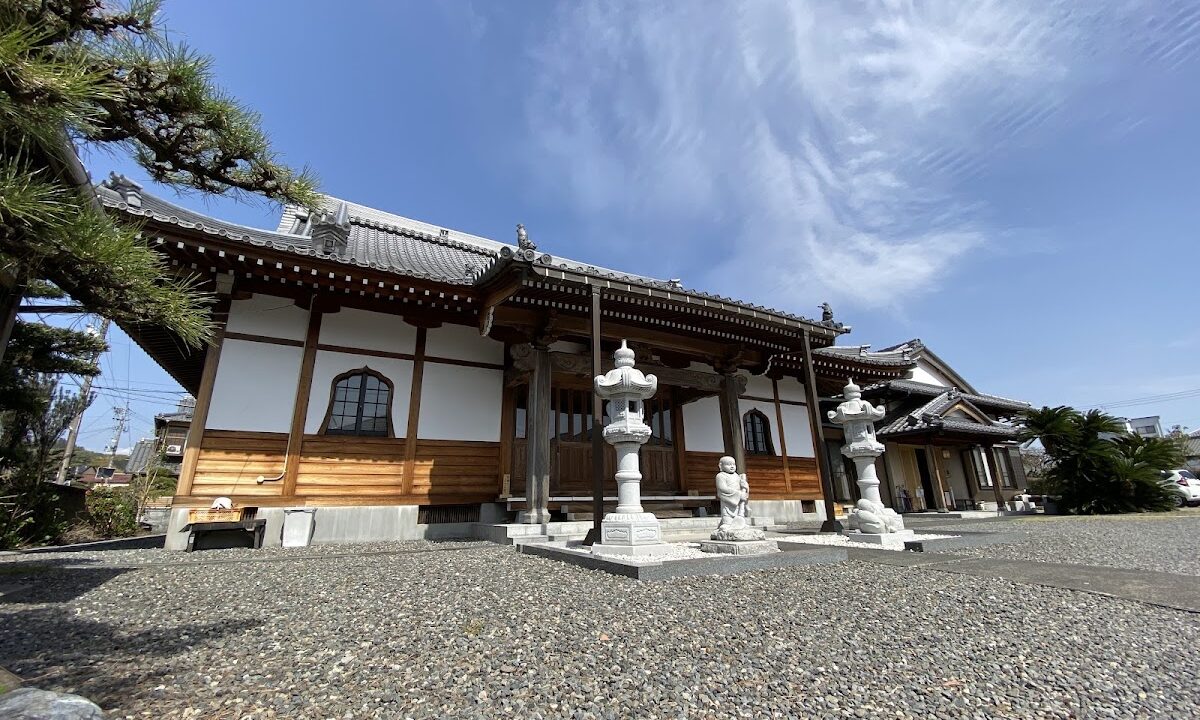
Gen’yūji Temple (Shizuoka City, Shizuoka Prefecture) Complete Guide | History, Goshuin (Temple Seal), and Access Information
Gen’yūji Temple, located in Kawai, Aoi Ward, Shizuoka City, Shizuoka Prefecture, is a Nichiren Buddhist temple founded in 1606. It boasts a history of being built on land bestowed by Tokugawa Ieyasu and has attracted local faith for over 400 years. This article provides a thorough explanation from every angle, including the detailed history of Gen’yūji Temple, its distinctive goshuin (temple seal), highlights within the temple grounds, and useful access information for visitors.
Basic Information on Gen’yūji Temple
Gen’yūji Temple is a Nichiren Buddhist temple with the mountain name Kōyōzan, and its former head temple was Ikeda Honkakuji Temple. It is known as a temple that maintains a tranquil atmosphere despite being located in a residential area of Aoi Ward, Shizuoka City.
Basic Data
- Official Name: Koyo-zan Genyu-ji Temple
- Sect: Nichiren Buddhism
- Mountain Name: Koyo-zan
- Former Head Temple: Ikeda Honkaku-ji Temple
- Founded: October, Keicho 11 (1606)
- Founding Priest: Daijoin Nissan
- Location: 2-12-16 Kawai, Aoi-ku, Shizuoka City, Shizuoka Prefecture
History of Genyu-ji Temple
Circumstances of Founding and Relationship with Tokugawa Ieyasu
Genyu-ji Temple was founded in October, Keicho 11 (1606). This period was three years after Tokugawa Ieyasu established the Edo Shogunate and shortly before he retired as the retired Shogun in Sunpu (present-day Shizuoka City).
The temple was founded by a monk named Nissan of Daijoin, who hailed from Okitsu in Suruga Province. Nissan studied under Nissen, the 10th head priest of Ikeda Honkaku-ji Temple, and deeply learned the teachings of the Nichiren sect.
The founding patron, or benefactor, of the temple’s construction was a man named Watanabe Gen’emon Jokei, who lived in Mizunashi. Jokei received land from Tokugawa Ieyasu, built a temple on it, and donated it to Nissan, marking the beginning of Gen’yu-ji Temple.
Origin of the Temple Name
The temple name “Gen’yu-ji” embodies the deep feelings of the founding patron, Watanabe Gen’emon Jokei, towards his father. The name is derived from his father’s posthumous Buddhist name, “Gen’yu Shinshi,” and reflects the meaning of memorial services for his father. Thus, using the founder’s father’s posthumous Buddhist name in the temple’s name was a common practice in temple construction at the time, reflecting a deep sense of filial piety.
From the Edo Period to the Present
Founded during the Keicho era, Genyu-ji Temple functioned as a center of Nichiren Buddhism in the region throughout the Edo period. As a temple with Ikeda Honkaku-ji Temple as its head temple, it played a vital role in spreading the teachings of Nichiren Buddhism throughout the area.
Despite the impact of the anti-Buddhist movement of the Meiji era, it has continued to uphold its traditions with the support of local parishioners. Even today, it continues its community-based temple activities in Kawai, Aoi Ward, Shizuoka City.
Highlights of the Temple Grounds
Main Hall
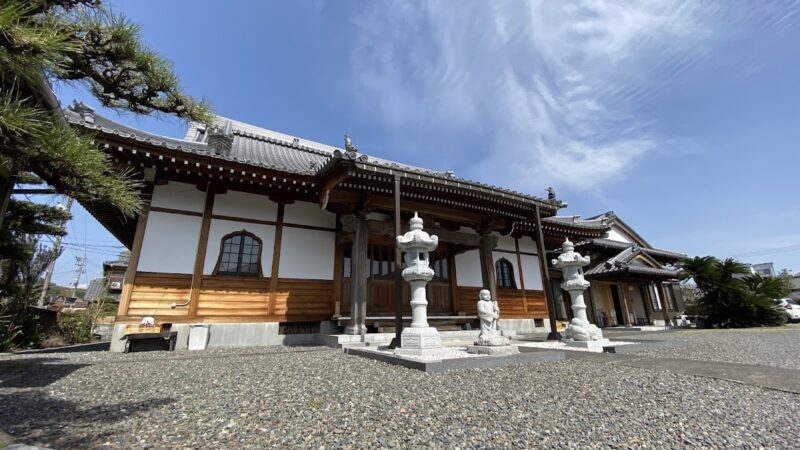
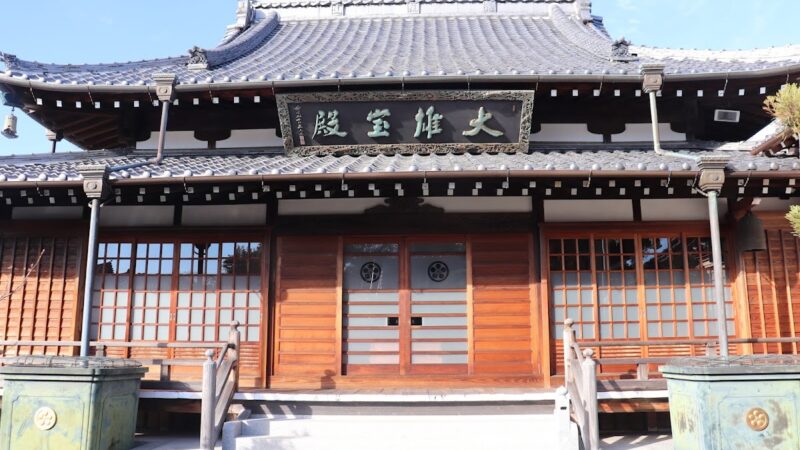
Genyu-ji Temple’s main hall boasts a traditional Nichiren Buddhist architecture. The main hall, where the principal image is enshrined, is where daily services and religious ceremonies are held, serving as a central location for parishioners and visitors.
Atmosphere of the Temple Grounds
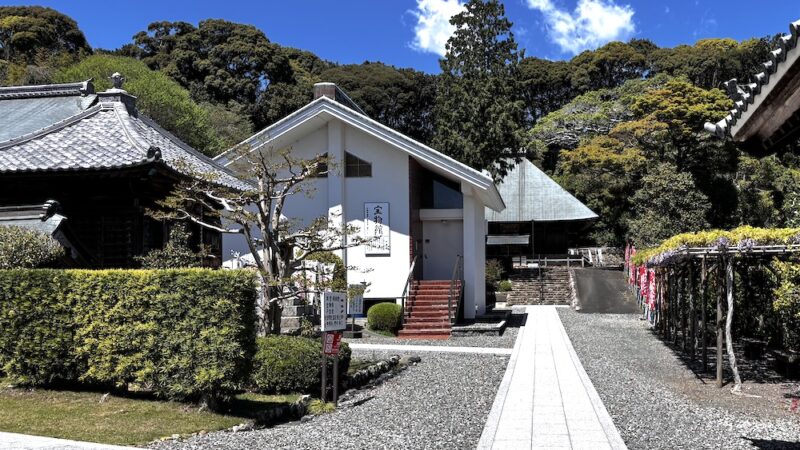
Genyu-ji Temple is located in a residential area of Aoi Ward, Shizuoka City. Stepping onto the temple grounds, one is greeted by a tranquil space far removed from the hustle and bustle of the city. The well-maintained grounds offer visitors a peaceful and serene experience.
As a Nichiren Buddhist temple, the grounds feature stone monuments and memorial towers related to Nichiren Shonin, creating an atmosphere that evokes a long history.
Genyu-ji Temple’s Goshuin (Temple Seal) and Goshudai (Temple Calligraphy)
Unique Features of the Goshudai
Genyu-ji Temple’s goshuin (called “goshudai” in the Nichiren sect) is popular among visitors for its unique design.
Its most distinctive feature is the “short message” written alongside the goshudai, accompanied by a charming illustration. Featuring a cat character named “Myafura-chan” and a dog character named “Saadaru-kun,” it offers a friendly design that sets it apart from the traditionally austere image of goshuin.
Points to Note When Receiving a Goshuin (Temple Stamp)
When receiving a Goshuin at Genyu-ji Temple, please note the following:
- Prior Confirmation: Since there may be religious services (ceremonies and rituals) in the afternoon, it is recommended to visit in the morning if you want to be sure to receive a Goshuin.
- Nichiren Sect Goshuin Book: Nichiren Sect temples recommend using a separate Goshuin book specifically for Nichiren Sect temples, in addition to Goshuin books for other sects.
- Pray First: The Goshuin is received as proof of your visit. Please pray at the main hall first before requesting a Goshuin.
- Offering: Generally, the going rate is around 300 to 500 yen, but please offer what you feel is appropriate.
How to Enjoy a Goshuin Pilgrimage
There are several Nichiren Sect temples in Shizuoka City, and you can enjoy a Goshuin pilgrimage that includes Genyu-ji Temple. Each temple offers a unique design and calligraphy style for its goshuin (temple stamp), making it a popular destination for visitors as part of a pilgrimage to Nichiren Buddhist temples.
Access
Access by Train
The nearest station to Genyu-ji Temple is Furushō Station on the Shizuoka Railway Shizuoka-Shimizu Line.
Access from Furushō Station
- Approximately 15 minutes on foot (approximately 1.2 km)
- Exit the station and head north, passing through the residential area towards Kawai.
Other Available Stations
- Naganuma Station: Approximately 18 minutes on foot
- Prefectural General Sports Park Station: Approximately 20 minutes on foot
While all stations are within walking distance, Furushō Station is the closest and most convenient.
Access by Bus
If using the bus from Shizuoka Station, you can use the Shizutetsu Justline route bus. Take a bus bound for Kawai, get off at the nearest bus stop, and it’s a few minutes’ walk from there.
Access by Car
Access from Major Roads
- Approximately 20 minutes from the Tomei Expressway “Shizuoka IC”
- Approximately 25 minutes from the Shin-Tomei Expressway “Shin-Shizuoka IC”
Parking Information
While there may be parking spaces at the temple, it is recommended to check before visiting. Since the surrounding area is residential, please avoid street parking and consider using nearby coin-operated parking lots.
Address and Map Information
Location: 2-12-16 Kawai, Aoi-ku, Shizuoka City, Shizuoka Prefecture 420-0806
Searching for “Genyu-ji Shizuoka City” on your car navigation system or smartphone map app will display the exact location.
Manners and Etiquette for Visiting
How to Visit a Nichiren Buddhist Temple
Here are the basic methods for visiting Genyu-ji Temple, a Nichiren Buddhist temple.
- Bow at the Temple Gate: Before entering the temple grounds, bow at the temple gate.
- Purify yourself at the water basin: If there is a water basin, purify your hands and mouth.
- Worship at the main hall: Join your hands in prayer in front of the main hall and chant “Namu Myoho Renge Kyo.” This is the mantra of the Nichiren sect.
- Depart quietly: After worshiping, quietly leave the temple grounds.
Attire for worship
For regular worship (excluding special ceremonies), clean and presentable attire is acceptable. However, please note the following:
- Avoid revealing clothing
- Shoes are preferable to sandals
- Remove your hat inside the main hall
Photography
Photography is generally permitted on the temple grounds, but please observe the following manners:
- Check in advance before taking photos inside the main hall
- Be considerate of other visitors
- When posting on social media, be careful not to spoil the atmosphere of the temple
Attractions around Genyu-ji Temple
Tourist Spots in Aoi Ward, Shizuoka City
Here are some nearby tourist spots you can visit when you come to Genyu-ji Temple.
Sunpu Castle Park
This park was developed on the site of Sunpu Castle, where Tokugawa Ieyasu spent his later years. There is a historical connection as Genyu-ji Temple was built on land bestowed upon it by Ieyasu, and visiting both together will give you a deeper understanding of Shizuoka’s history.
Shizuoka Sengen Shrine
This is a representative shrine of Shizuoka and is also known as a place associated with Tokugawa Ieyasu. The beautiful shrine architecture is a must-see.
Kunozan Toshogu Shrine
One of the Toshogu shrines dedicated to Tokugawa Ieyasu, it houses a shrine building designated as a National Treasure. Like Genyu-ji Temple, it is a historical site with connections to Ieyasu.
Nearby Nichiren Buddhist Temples
There are several other Nichiren Buddhist temples in Shizuoka City, where you can enjoy collecting temple stamps. Each temple has a different history and characteristics, so if you have the time, visiting several is recommended.
Main Events Held at Genyu-ji Temple
Annual Events
As a Nichiren Buddhist temple, Genyu-ji Temple holds various memorial services and events throughout the year.
Oeshiki (Memorial Service)
Held around October 13th, the anniversary of Nichiren Shonin’s death, this is the most important memorial service in the Nichiren Buddhist tradition. Many parishioners and believers gather to commemorate Nichiren Shonin.
Obon Segaki Memorial Service
During the Obon period in summer, a Segaki memorial service is held for the repose of ancestors. Spring and Autumn Equinox Memorial Services
During the Equinox period, centered around the spring and autumn equinoxes, memorial services for ancestors are held.
Participation in Memorial Services
While some services are open to non-temple members, it is recommended to check with the temple beforehand. Participating in these services allows for a deeper understanding of Nichiren Buddhism’s beliefs and culture.
About Nichiren Buddhism
Teachings and Characteristics of Nichiren Buddhism
Nichiren Buddhism, to which Gen’yūji Temple belongs, is a Buddhist sect founded by Nichiren Shōnin (1222-1282), a monk of the Kamakura period.
Main Characteristics
- Chanting the Title: Chanting the title “Namu Myōhō Renge Kyō” is considered the most important practice.
- Emphasis on the Lotus Sutra: The Lotus Sutra is positioned as the highest scripture, and its teachings are put into practice.
- Worldly Benefits: This teaching emphasizes happiness and peace in this world.
- Spirit of Propagation: This involves actively spreading the teachings.
Characteristics of Nichiren Buddhist Temples
Nichiren Buddhist temples have characteristics that differ from other sects:
- Goshudai: Called “Goshudai” rather than “Goshuin” (temple stamp), it features the characters “Namu Myoho Renge Kyo” in the center.
- Drums: There is a custom of beating drums during morning and evening services.
- Mandala: Often, a mandala written by Nichiren Shonin is displayed as the principal object of worship.
Practical Information for Visiting Genyu-ji Temple
Visiting Hours
General temple visiting hours are during the daytime (approximately 9:00 AM to 5:00 PM), but there may be times when the temple is closed due to religious services, etc. If you wish to receive a Goshuin (temple stamp) or would like more detailed information, we recommend calling ahead to confirm.
Admission Fee
There is no admission fee for regular visits. If you wish to receive a Goshuin, please offer a small donation (approximately 300-500 yen).
Accessibility Information
If you wish to visit in a wheelchair, we recommend contacting the temple in advance to inquire about the temple grounds and access to the main hall.
Nearby Facilities
The area around Genyu-ji Temple is residential, but there are convenience stores and restaurants within walking distance. You won’t have any trouble finding places to rest or eat before or after your visit.
Summary of Gen’yūji Temple’s Charms
Gen’yūji Temple possesses the following charms:
- Historical Value: A temple with over 400 years of history, built on land bestowed by Tokugawa Ieyasu.
- Unique Goshuin (Temple Seal): A friendly design featuring cute characters.
- Easy Access: Conveniently located within walking distance of a Shizuoka Railway station.
- Quiet Environment: Maintains a tranquil atmosphere despite being in a residential area.
- Community-Oriented: A warm and welcoming temple that continues to engage in community-based activities.
Frequently Asked Questions (FAQ)
Q1: Can I get a Goshuin (temple seal) at Gen’yūji Temple at any time?
A1: Generally, you can get one during daytime visits, but there may be religious services (ceremonies and rituals) in the afternoon. If you want to be sure to get a Goshuin, we recommend visiting in the morning. Also, since the priest may not always be present, it’s best to call ahead to confirm if you’re visiting from afar.
Q2: Is there parking available?
A2: There may be parking spaces at the temple, but we recommend checking in advance for details. Since the surrounding area is residential, please avoid street parking and use nearby coin-operated parking lots if necessary.
Q3: What is the history of Gen’yūji Temple?
A3: Gen’yūji Temple is a Nichiren Buddhist temple founded in 1606 (Keichō 11). It was founded by Daijōin Nichisan, who hailed from Okitsu in Suruga Province, and began when Watanabe Gen’emon Jōkei built and donated a hall on land granted to him by Tokugawa Ieyasu. The temple’s name comes from the posthumous Buddhist name of Jōkei’s father, Gen’yū Shinshi.
Q4: How long does it take to get there from the nearest station?
A4: The nearest station is Furushō Station on the Shizuoka Railway Shizuoka-Shimizu Line, about a 15-minute walk (approximately 1.2 km). It’s also within walking distance from Naganuma Station and Kensō Gōdō Undōjō Station, but Furushō Station is the closest and most convenient.
Q5: How do I worship at a Nichiren Buddhist temple?
A5: At Nichiren Buddhist temples, the basic practice is to clasp your hands together in front of the main hall and chant “Namu Myōhō Renge Kyō.” Basic worship manners, such as bowing at the temple gate, purifying yourself at the water basin, and quietly leaving, are the same as for other Buddhist sects.
Q6: What is the difference between a Goshudai and a Goshuin?
A6: At Nichiren Buddhist temples, it’s called a “Goshudai” rather than a “Goshuin.” A characteristic of the Goshudai is that the title “Namu Myōhō Renge Kyō” is written in the center. Gen’yūji Temple’s goshuin (temple stamp) is particularly popular among visitors because it features unique inscriptions and character illustrations.
Q7: Can I visit even if I’m not a temple parishioner?
A7: Yes, you can visit freely even if you’re not a parishioner. You can also receive a goshuin. However, it may be difficult to accommodate requests during temple events such as memorial services, so it’s recommended to check in advance if you wish to receive a goshuin.
Q8: Are there any other places to visit around Gen’yūji Temple?
A8: Shizuoka City has many historical sites associated with Tokugawa Ieyasu, such as Sunpu Castle Park, Shizuoka Sengen Shrine, and Kunozan Tōshōgū Shrine. Gen’yūji Temple also has a history of being built on land bestowed by Ieyasu, so visiting these historical sites together will give you a deeper understanding of Shizuoka’s history.
Summary
Genyu-ji Temple, located in Aoi Ward, Shizuoka City, Shizuoka Prefecture, is a Nichiren Buddhist temple with a history of over 400 years, founded in 1606 on land bestowed by Tokugawa Ieyasu. It was established by the founding priest, Daijoin Nissan, and the founding patron, Watanabe Gen’emon Tsuneyoshi, and the temple’s name, “Genyu-ji,” comes from the posthumous Buddhist name of Tsuneyoshi’s father.
Today, it is known for its unique goshuin (temple stamps), with designs featuring cute characters that are popular among visitors. Despite its convenient location, about a 15-minute walk from Furushō Station on the Shizuoka Railway, the temple grounds maintain a quiet and peaceful atmosphere, making it an ideal environment for a calm and peaceful visit.
While preserving the traditions of a Nichiren Buddhist temple, Genyu-ji welcomes visitors with a friendly atmosphere. When you visit Shizuoka City, be sure to stop by. A visit to this historic temple and its unique goshuin will surely create wonderful memories.