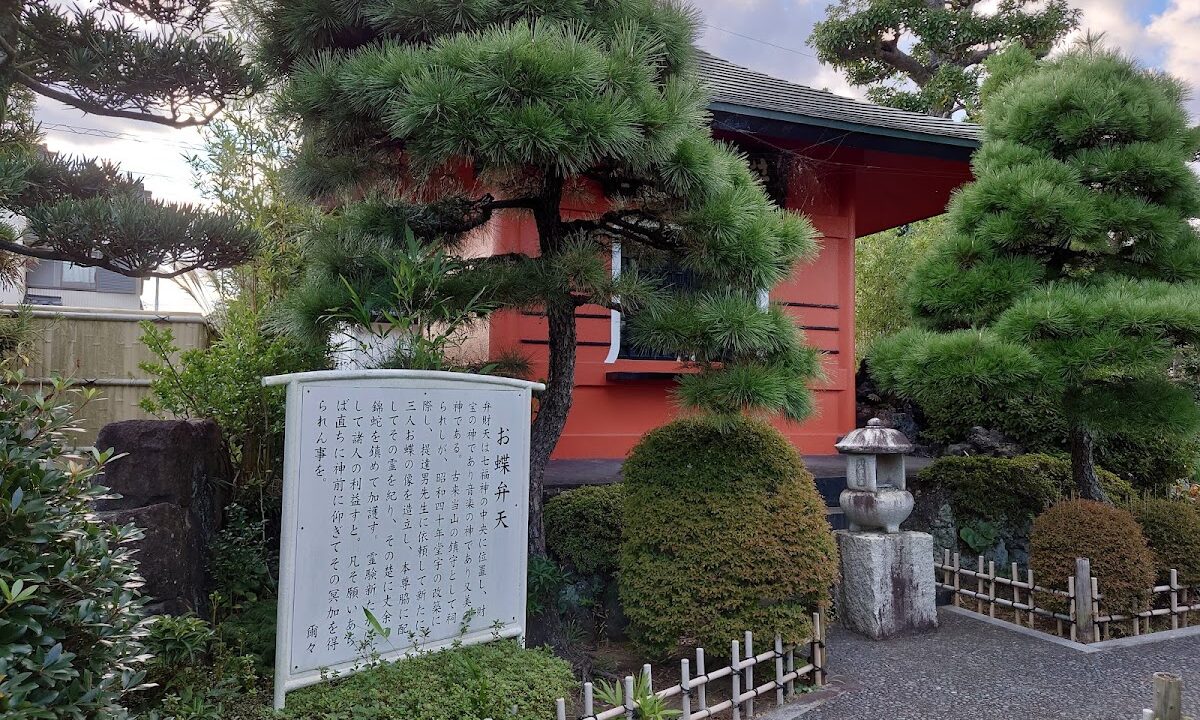
Complete Guide to Baiin Zenji Temple (Shizuoka Prefecture) | Highlights and History of the Ancient Temple Associated with Shimizu Jirocho
Baiin Zenji Temple, located in Minamioka-cho, Shimizu-ku, Shizuoka City, is widely known as the family temple of Shimizu Jirocho, who was active from the end of the Edo period to the Meiji era. This ancient temple, belonging to the Myoshinji branch of the Rinzai school, boasts a long history dating back to the Ashikaga period. With its burial grounds and museum dedicated to Jirocho and other chivalrous figures, it’s a popular spot for history buffs and tourists.
History and Origins of Baiin Zenji Temple
A Temple with a Long History Dating Back to the Muromachi Period
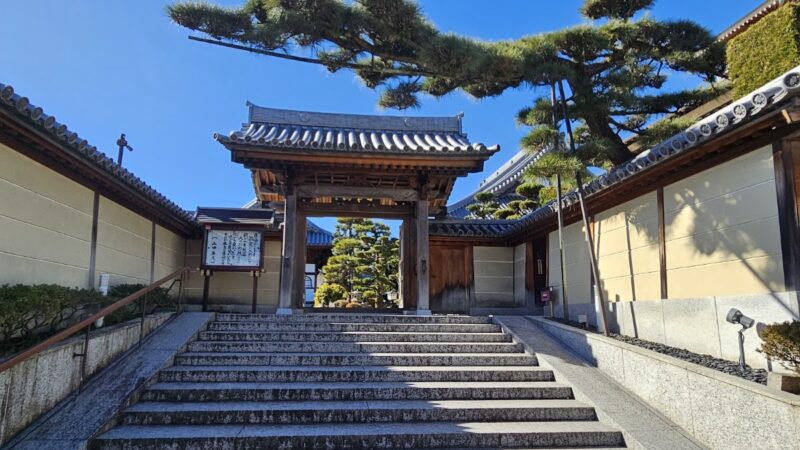
Baiin Zenji Temple is said to have been founded in 1492 (Meio 1) during the mid-Muromachi period, boasting a history of over 500 years. As a Zen temple belonging to the Myoshinji branch of the Rinzai school, it is located south of Ejiri-juku, the 18th post town on the Tokaido highway, and has developed as a center of local faith. As an ancient temple founded during the Ashikaga period, it received the devotion of many samurai and merchants from the Sengoku period through the Edo period, and played a central role in Buddhist culture in the Shimizu region. The temple grounds retain the appearance of its past, with buildings and gardens arranged to convey the dignity of a Zen Buddhist temple.
Deep Connection with Shimizu Jirocho
Umein Zenji Temple became nationally known due to its connection with Shimizu Jirocho, also known as Yamamoto Chogoro. Jirocho is known for his dedication to the development of Shimizu Port and social projects until his death at the age of 73 in 1893 (Meiji 26). Beyond his role as a chivalrous figure, after the Meiji Restoration, he contributed to the modernization of the local community through the development of Shimizu Port, the reclamation of land at the foot of Mt. Fuji, and the establishment of an English school.
After Jirocho’s death, Baiin Zenji Temple became his family temple, and within its grounds, graves were erected for Jirocho himself, his wife Ocho, and his followers Omasa, Komasa, and Masukawa Sen’emon. As a result, Baiin Zenji Temple became a place associated with Jirocho, attracting many visitors.
Highlights of the Temple Grounds
The Only Jirocho Statue in Japan
One of the greatest highlights of Baiin Zenji Temple is the bronze statue of Shimizu Jirocho located within its grounds. Known as the only bronze statue of a yakuza in Japan, Jirocho’s dignified figure leaves a strong impression on visitors.
This statue was erected to commemorate Jirocho’s achievements and has become a symbol of Shimizu. The area surrounding the statue is a well-maintained garden, with seasonal flowers adorning the statue. Many tourists take commemorative photos in front of the statue, reflecting on Jirocho’s life.
The Jirocho Family Cemetery
In the temple grounds, in addition to the grave of Jirocho himself, there are the graves of his beloved wife, Ocho, and his close associates, Omasa, Komasa, and Masukawa Sen’emon. These gravestones are still visited by many worshippers, and the scent of incense never ceases.
Jirocho’s grave is a magnificent tombstone, surrounded by the graves of his followers. This arrangement symbolizes the strong bond of the Jirocho family, giving the impression that the master-servant relationship continued even after death. Offerings and flowers from those who admired Jirocho are constantly placed at the grave, demonstrating his enduring popularity.
Jirocho Museum (Jirocho Relics Museum)
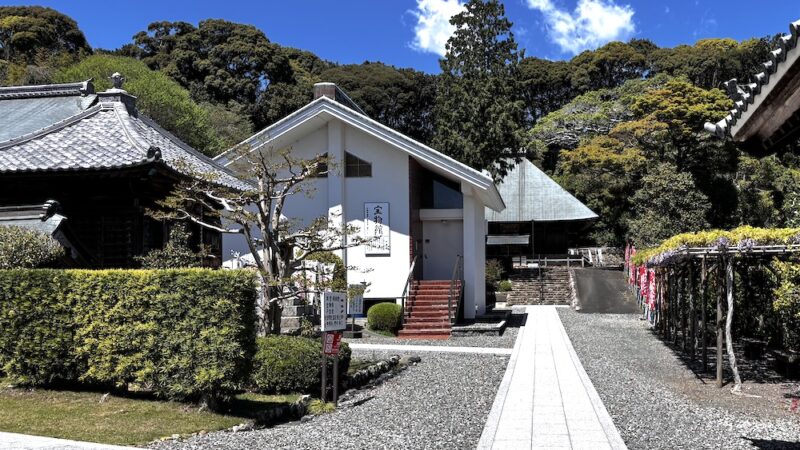
The Jirocho Museum (Jirocho Relics Museum) is located within the temple grounds, displaying valuable materials related to Jirocho’s life and achievements. Through a wide range of exhibits, including everyday items used by Jirocho, letters, photographs, and newspaper articles from the time, visitors can gain a deep understanding of Jirocho’s character and the historical context of his era.
The museum not only details Jirocho’s activities as a yakuza boss but also his role as a social entrepreneur during the Meiji era. A multifaceted image of Jirocho emerges, including his contributions to the development of Shimizu Port, his interactions with local residents, and his peaceful life in his later years.
Main Hall and Study
Rebuilt in 2003, the main hall and study are magnificent structures that combine traditional Zen Buddhist architecture with modern techniques. Inside the main hall, the principal image of the Rinzai sect is enshrined, allowing visitors to worship in a serene atmosphere.
The study, while simple, possesses the dignified style characteristic of a Zen temple, offering a peaceful space to enjoy the garden view. Traditional construction methods were used in the reconstruction, and the skills of experienced craftsmen were brought together from the selection of timber to the assembly.
Zen Temple Garden
The garden of Baiyin Zen Temple is a beautiful space incorporating elements of a dry landscape garden, typical of Zen temples. Centered around the statue of Jirocho, the garden displays different expressions throughout the seasons, and is particularly bustling with visitors during the plum blossom season in spring and the autumn foliage season.
The garden’s design reflects Zen philosophy, with deep meaning embedded in the placement of stones and the selection of plants. Many visitors say they find peace of mind by quietly gazing at the garden.
Visiting Information and Basic Data
Visiting Hours and Fees
Visiting Hours: 9:00 AM – 4:00 PM
Fees:
- Jirocho Museum and Grave Admission Fee: Adults 500 yen, Children (Junior High School Students and younger) 200 yen
- Visiting the temple grounds is free, but admission fees are required to visit the museum and enter the grave site.
Location and Contact Information
Address: 3-8 Minamioka-cho, Shimizu-ku, Shizuoka City, Shizuoka Prefecture 424-0932
Phone Number: 054-352-0995
Access Methods
Access by Train and Bus:
- Approximately 15 minutes by bus from JR Shimizu Station, get off at “Jirocho-dori” bus stop, then approximately 3 minutes on foot.
- Approximately 20 minutes on foot from Shizuoka Railway Shin-Shimizu Station.
Access by Car:
- Approximately 15 minutes from Tomei Expressway Shimizu IC.
- Approximately 20 minutes from Shin-Shimizu IC on the Shin-Tomei Expressway
- Parking: There is a parking lot for visitors on the temple grounds (spaces are limited, so using nearby paid parking lots is recommended during busy times).
Nearby Jirocho-related Spots
Jirocho’s Birthplace
Jirocho’s birthplace, located within walking distance of Baiin Zen Temple, is where Jirocho was born and raised. It is now open to the public as a memorial hall, where visitors can learn about Jirocho’s life from childhood to youth. The building retains its original appearance, making it a valuable spot to experience Jirocho’s origins.
Shimizu Port Inn Memorial Hall “Suehiro”
This memorial hall, a reconstruction of the inn “Suehiro” run by Jirocho, allows visitors to learn about the history of Shimizu Port and Jirocho’s business activities. The hall details the prosperity of Shimizu Port from the Edo period to the Meiji period, and how Jirocho contributed to the port’s development.
Tesshūji Temple
This temple is associated with Yamaoka Tesshū, a renowned swordsman of the late Edo period, and is also known for his close relationship with Jirōchō. Documents illustrating the interaction between Tesshū and Jirōchō remain, allowing for a multifaceted understanding of Shimizu’s history from the late Edo period to the Meiji era.
Points to Note When Visiting Baiin Zenji Temple
Manners for Visiting Temples
Baiin Zenji Temple is an active Zen temple, and religious activities are conducted on a daily basis. Please observe the following manners when visiting the temple:
- Behave quietly on the temple grounds and refrain from loud conversations.
- There are areas in the main hall and study where photography is prohibited; please follow the signs.
- Pay respects at the cemetery and do not touch or climb on the gravestones.
- Please take all your trash with you.
Recommended Time to Visit
Baiin Zenji Temple is open year-round, but the best times to visit are:
- Late February to Early March: The plum blossoms, from which the temple derives its name, are in full bloom, creating a vibrant atmosphere on the grounds.
- Mid-November to Early December: The autumn leaves are beautiful, and the garden scenery is at its most stunning.
- Around the anniversary of Jirocho’s death (June 12th): A memorial service is held, and many people visit to remember Jirocho.
Estimated Time Required
- Temple grounds visit only: Approximately 30 minutes
- Including a visit to the museum: Approximately 1 hour to 1 hour 30 minutes
- If you also plan to visit nearby spots associated with Jirocho: Half a day to a full day
About Shimizu Jirocho
From Gangster to Social Entrepreneur
Shimizu Jirocho (1820-1893), whose real name was Yamamoto Chogoro, was born into a family that ran a boat inn in Shimizu. In his youth, he made a name for himself as a gangster throughout the Tokaido region, and had many followers, including Omasa, Komasa, and Masukawa Sen’emon.
However, after the Meiji Restoration, he left the gangster life and dedicated himself to the development of Shimizu Port. His contributions to the development of the local community, particularly the reclamation of land at the foot of Mt. Fuji, the modernization of Shimizu Port, and the establishment of an English school, are highly regarded. He also interacted with important figures in the Meiji government, such as Yamaoka Tesshu and Katsu Kaishu, and was not merely a gangster, but a leader who played an active role in the region during a period of transition.
The Legend of Jirocho and Historical Facts
Many legends and stories remain about Jirocho, but there are many discrepancies between the “image of Jirocho” depicted in storytelling and films and the historical facts. At the Baiin Zen Temple Museum, you can approach the true image of Jirocho from both the legendary and historical perspectives, leading to a deeper understanding.
Baiin Zen Temple and Shimizu Culture
Role in the Region
Baiin Zen Temple plays an important role not only as Jirocho’s family temple but also as a center for preserving the culture and history of the Shimizu region. Regular Zen meditation sessions and Dharma talks are held there, making it a spiritual haven for local residents.
Value as a Tourism Resource
Shimizu Ward in Shizuoka City boasts many tourist attractions, including Mt. Fuji, Shimizu Port, and the S-Pulse Dream Plaza, but Baiin Zen Temple is positioned as a core of historical and cultural tourism. As a place associated with Jirocho, a nationally renowned figure, it attracts many tourists from both within and outside the prefecture.
Nearby Tourist Attractions
When visiting Baiin Zenji Temple, we recommend also visiting other tourist attractions in Shimizu Ward.
Kiyomizu-ji Temple
Kiyomizu-ji Temple, known as a famous temple on the Tokaido Road, is associated with Tokugawa Ieyasu and boasts a beautiful garden and valuable cultural assets. It is about a 10-minute drive from Baiin Zenji Temple.
Ryugeji Temple
Ryugeji Temple, located in Muramatsu, Shimizu Ward, Shizuoka City, is a Rinzai Zen temple known for its beautiful garden. The garden, designated as a national scenic spot, is well worth seeing.
Shizuoka Sengen Shrine
Shizuoka Sengen Shrine, located in the heart of Shizuoka City, is associated with Tokugawa Ieyasu and features a magnificent and opulent shrine building. It is about a 30-minute drive from Baiin Zenji Temple.
Yui Fishing Port
At Yui Fishing Port, famous for its sakura shrimp, you can enjoy fresh seafood. Especially during the peak season for sakura shrimp (spring and autumn), it is bustling with many tourists.
Okitsu Onsen
Located in the Okitsu district of Shimizu Ward, this hot spring resort offers a spectacular open-air bath overlooking Suruga Bay. It’s an ideal stop after visiting Baiin Zenji Temple.
Summary
Baiin Zenji Temple is an ancient temple of the Rinzai sect, Myoshinji school, with a long history dating back to the Ashikaga period. It is also nationally known as the family temple of Shimizu Jirocho. With its unique bronze statue of the yakuza, the burial grounds of Jirocho and his family, and a comprehensive museum, it offers plenty to see and enjoy for history buffs and general tourists alike.
When visiting Shimizu Ward in Shizuoka City, be sure to stop by Baiin Zenji Temple and experience the tranquil atmosphere of the Zen temple while reflecting on the era in which Jirocho lived. Combining a visit to the temple with other Jirocho-related spots and tourist attractions in Shimizu will make for a more fulfilling travel experience.
Visiting hours are 9:00 AM to 4:00 PM. Admission to the museum and tomb is 500 yen for adults and 200 yen for children. It’s conveniently located, about 15 minutes by bus from JR Shimizu Station and about 15 minutes by car from the Tomei Shimizu Interchange. Be sure to visit Baiyin Zenji Temple, where you can experience the history and culture of Shimizu.