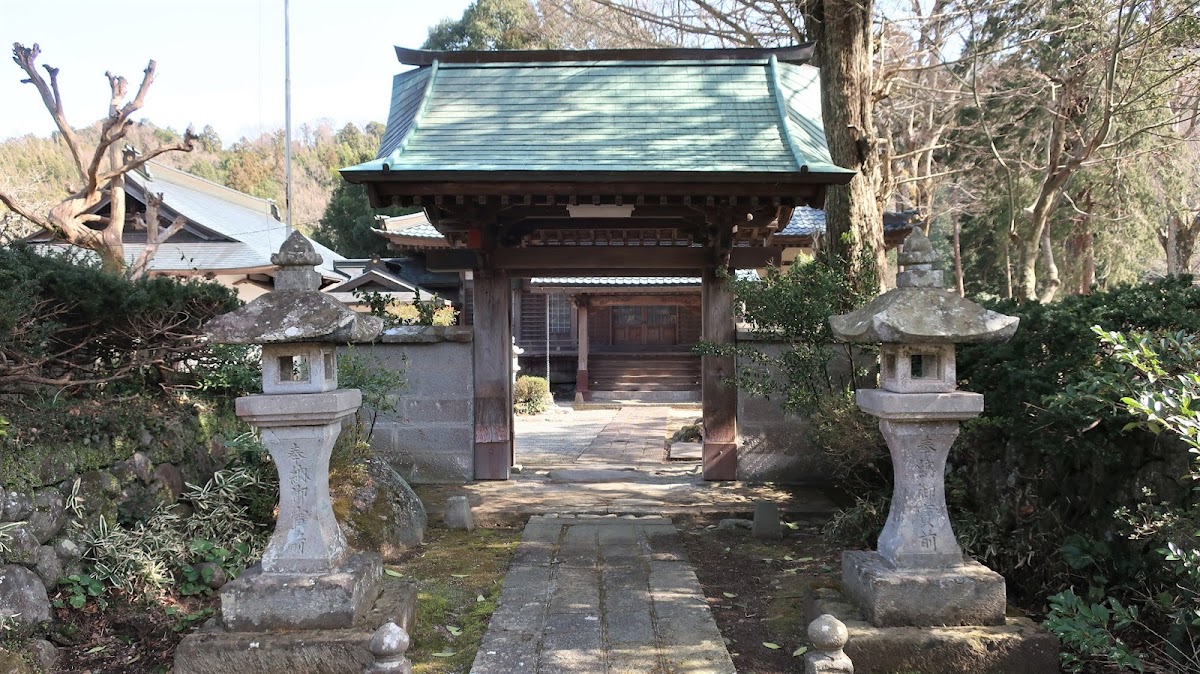
Complete Guide to Jōgyōin Temple (Izu City, Shizuoka Prefecture) | History, Highlights, Access, and Surrounding Tourist Information
Jōgyōin Temple, located in Jizōdō, Izu City, Shizuoka Prefecture, is an ancient temple of the Nichiren sect’s Kōmon branch, established in 1538. Famous for housing the grave of Kodama Kagai, known as the lyricist of the Meiji University school song, this temple is a valuable spot that conveys the history and culture of Izu to the present day. This article provides detailed information you should know before visiting Jōgyōin Temple, including its history, highlights, access methods, and surrounding tourist information.
About Jōgyōin Temple
History and Origin of Jōgyōin Temple
Jōgyōin Temple is an ancient temple of the Nichiren sect’s Kōmon branch, established in 1538, with a history of nearly 500 years. Founded during the turbulent Sengoku period, this temple has played an important role as a center of Nichiren Buddhist faith in the Izu region.
The Nichiren-shu Kōmon-ha is one of the sects that inherits the teachings of Nichiren Shonin, and is particularly rooted in the Fuji-mon school. The name Jōgyōin derives from Jōgyō Bodhisattva, an important bodhisattva in Nichiren Buddhism, and symbolizes the mission to spread the Lotus Sutra in the Latter Day of the Law.
The Relationship Between Kodama Kagai and Jōgyōin
One reason Jōgyōin has become widely known is that it houses the grave of Kodama Kagai, the lyricist of the Meiji University school song, “Shirokumo Nabiku Surugadai” (White Clouds Drifting Across Surugadai).
Kodama Kagai, whose real name was Kodama Kagai, was a poet and tanka writer who was active from the Meiji to Taisho periods. The Meiji University school song, which he wrote the lyrics for in 1896 (Meiji 29), is still sung at university ceremonies and is beloved by many alumni. Kagai spent his later years in Izu and died there, hence the establishment of his grave at Jōgyōin.
Many people affiliated with Meiji University and its alumni visit this site, making it an interesting spot for those interested in literary history and educational history.
Characteristics of the Temple Architecture and Grounds
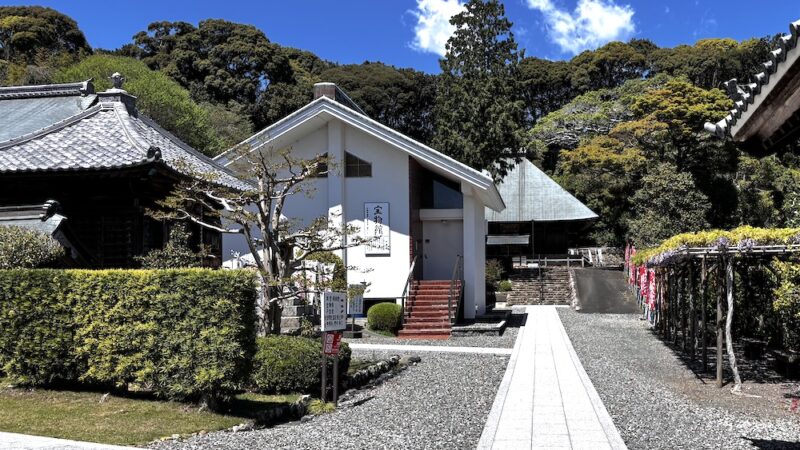
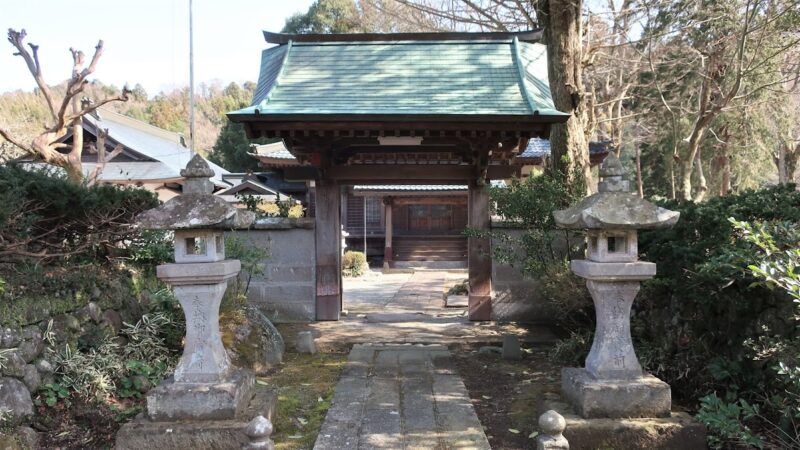
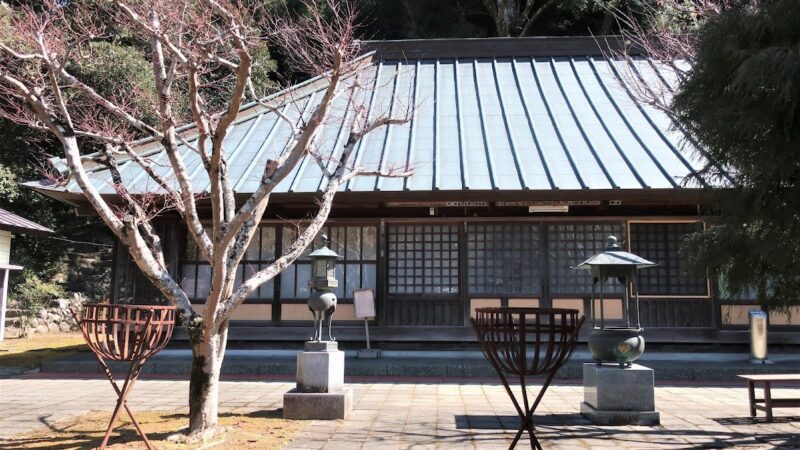
The grounds of Jōgyōin Temple are located in a quiet mountainous area, characterized by a tranquil atmosphere surrounded by the nature of Izu. While the main hall maintains the traditional style of Nichiren Buddhist temples, it incorporates architectural styles adapted to the local climate and environment.
Besides the main hall, the grounds include a priest’s quarters (kuri) and a cemetery, and continue to function as a place of worship for local parishioners and believers. Especially in spring, cherry blossoms bloom, and in autumn, the autumn leaves are beautiful, allowing visitors to enjoy the changing seasons.
Basic Information about Jōgyōin Temple
Location and Contact Information
- Address: 7-1 Jizōdō, Izu City, Shizuoka Prefecture
- Sect: Nichiren-shu Kōmon-ha
- Chief Priest: Watanabe Nobukatsu
- Admission Fee: Free
- Parking: Available (Free)
Opening Hours and Visiting Hours
Jōgyōin Temple is generally open for daytime visits, but may be closed during temple events or ceremonies. It is recommended to check before visiting. Generally, the following times are a guideline.
- Visiting Hours: 9:00 AM – 5:00 PM (approximate)
- Closed Days: None (except during memorial services)
Access Information
Access by Public Transportation
By Train and Bus
- Get off at Shuzenji Station on the Izuhakone Railway Sunzu Line
- Approximately 30 minutes by bus from Shuzenji Station
- Get off at the Jizodo bus stop and walk for approximately 5 minutes
Shuzenji Station is located about 30 minutes from Mishima Station on the Tokaido Shinkansen, after transferring to the Izuhakone Railway. Access via Mishima Station is the most common route from the Tokyo area.
Distance from the nearest station
- Approximately 7.2 km from Shuzenji Station on the Izuhakone Railway Sunzu Line
- Approximately 8 km from Makinogo Station on the Izuhakone Railway Sunzu Line
- Approximately 15 km from Minami-Ito Station on the Izukyu Line
Access by car
From Tokyo
- Approximately 40 minutes from Numazu IC on the Tomei Expressway or Nagaizumi-Numazu IC on the Shin-Tomei Expressway
- Via the Izu Jukan Expressway towards Shuzenji
From Nagoya/Shizuoka
- Approximately 40 minutes from Numazu IC on the Tomei Expressway via National Route 136
For car navigation, searching for “7-1 Jizodo, Izu City, Shizuoka Prefecture” or “Jokoin” is convenient.
Parking Information
Jokoin has free parking available. However, space is limited, so it is recommended to contact them in advance if you are visiting with a large vehicle or group.
Highlights of Jōgyōin Temple
The Grave of Kodama Kagai
One of the main reasons to visit Jōgyōin Temple is to see the grave of Kodama Kagai. Known as the lyricist of the Meiji University school song, Kagai’s grave stands quietly within the temple’s cemetery. Many Meiji University graduates and associates visit, and flowers are constantly being offered.
The tombstone bears an inscription praising Kagai’s achievements, allowing visitors to reflect on the literary history of the Meiji and Taisho periods.
The Main Hall and Buddhist Statues
The main hall of Jōgyōin Temple houses the Mandala, the principal image of the Nichiren sect. Various Buddhist statues, including a statue of Nichiren Shonin, are also enshrined, serving as objects of worship.
Viewing the interior of the main hall may be possible with prior contact. It is a particularly worthwhile space for those interested in the Nichiren sect or temple architecture.
Nature Through the Seasons
The grounds of Jōgyōin Temple are surrounded by the rich nature of Izu, allowing visitors to enjoy the scenery of each season.
- Spring (March-May): A season of cherry blossoms in full bloom and beautiful fresh greenery.
- Summer (June-August): Surrounded by deep greenery, with a cool breeze.
- Autumn (September-November): Autumn leaves color the temple grounds, creating a tranquil atmosphere.
- Winter (December-February): The winter landscape exudes a Zen-like beauty.
The autumn foliage season, in particular, is the perfect time for a quiet stroll.
Recommended Tourist Spots Around Jōgyōin Temple
Shuzenji Onsen
Shuzenji Onsen, located about 15 minutes by car from Jōgyōin Temple, is one of Izu’s leading hot spring resorts. This historic hot spring resort, said to have been founded by Kobo Daishi, boasts numerous attractions, including a bamboo grove path and Shuzenji Temple.
- Location: Shuzenji, Izu City, Shizuoka Prefecture
- Features: Hot spring town, bamboo grove path, footbath, day-trip hot spring facilities
- Access: Approximately 15 minutes by car from Jogyoin Temple
Shuzenji Temple
Located in the heart of Shuzenji Onsen, Shuzenji Temple is an ancient temple said to have been founded in 807 by Kobo Daishi. It is also known as a temple associated with the Minamoto clan and houses treasures designated as important national cultural properties.
- Location: 964 Shuzenji, Izu City, Shizuoka Prefecture
- Admission Fee: Free for the grounds (Treasure Hall is charged)
- Highlights: Main Hall, Treasure Hall, Garden
Bamboo Grove Path
The Bamboo Grove Path in the Shuzenji Onsen hot spring town is a tunnel of bamboo groves stretching for approximately 300 meters. Walking along the picturesque cobblestone path evokes the atmosphere of Arashiyama in Kyoto.
- Location: Shuzenji, Izu City, Shizuoka Prefecture (within the Shuzenji Onsen hot spring town)
- Admission Fee: Free
- Recommended Time: Early morning and twilight are particularly magical.
Hie Shrine (Shuzenji)
Hie Shrine, situated on a hill overlooking the Shuzenji Onsen hot spring town, is known as a shrine associated with Minamoto no Yoriie. From the shrine grounds, you can enjoy a panoramic view of the Shuzenji Onsen town, especially during the autumn foliage season.
- Location: 826 Shuzenji, Izu City, Shizuoka Prefecture
- Admission Fee: Free
- Highlights: Main hall, views from the temple grounds
Izu-no-Kuni Panorama Park
Located about 25 minutes by car from Jōgyōin Temple, Izu-no-Kuni Panorama Park is a tourist spot where you can enjoy spectacular views of Mt. Fuji and Suruga Bay after taking the ropeway to the mountaintop.
- Location: 260-1 Nagaoka, Izu-no-Kuni City, Shizuoka Prefecture
- Opening Hours: 9:00 AM – 5:00 PM (Varies by season)
- Price: Ropeway round trip approximately 2,000 yen
- Highlights: Views of Mt. Fuji, aerial park, cafe
Jōren Falls
Jōren Falls, one of Izu City’s representative scenic spots, is a magnificent waterfall 25 meters high and 7 meters wide. It is also known for appearing in the lyrics of Sayuri Ishikawa’s famous song “Amagi-goe”.
- Location: Yugashima, Izu City, Shizuoka Prefecture
- Admission Fee: Free (Parking is charged)
- Access: Approximately 30 minutes by car from Jōgyōin Temple
- Highlights: Waterfall, walking trails, wasabi fields
Recommended Gourmet around Jōgyōin Temple
Shuzenji Soba
The Shuzenji Onsen area is dotted with soba restaurants serving buckwheat grown in the clear streams of Izu. The fragrant, handmade soba is perfect for lunch after visiting Jōgyōin Temple.
Recommended Restaurants
- Bokunenjin: A popular soba restaurant near Shuzenji Station
- Soba-dokoro Yoshida: A long-established restaurant in the heart of the hot spring town
Izu Seafood Cuisine
The Izu Peninsula faces Suruga Bay and is rich in fresh seafood. You can enjoy seasonal seafood dishes such as simmered splendid alfonsino, dried horse mackerel, and spiny lobster. Recommended Areas
- Inns and restaurants in Shuzenji Onsen area
- Seafood market at Numazu Port (approx. 40 minutes by car)
Wasabi Cuisine
Izu City is one of Japan’s leading wasabi producing areas. You can enjoy a variety of dishes using wasabi, such as wasabi rice bowls, pickled wasabi, and wasabi soft serve ice cream.
Recommended Spots
- Wasabi no Sato (a wasabi processing product shop in Izu City)
- Michi-no-Eki “Amagi-goe” (roadside station)
Izu Craft Beer and Sake
Izu also has breweries producing craft beer and sake, allowing you to enjoy local flavors.
- Baird Beer: A craft beer brewery in Shuzenji
- Bandai Brewery: A local sake brewery in Izu
Hotels and Accommodations near Jogyoin Temple
Inns in Shuzenji Onsen
For accommodation when visiting Jogyoin Temple, inns in Shuzenji Onsen are recommended. From historic hot spring inns to modern resort hotels, there are a variety of accommodation types.
Luxury Ryokan
- Asaba: A long-established inn featured in the Michelin Guide
- Kikuya: A renowned inn with over 400 years of history
Mid-range Ryokan
- Yukairo Kikuya: A modern Japanese-style inn
- Nenoyu Taizanso: A quiet inn surrounded by a bamboo grove
Affordable Accommodation
- Shuzenji Onsen Arai Ryokan, a Nationally Registered Tangible Cultural Property: Stay in a historical building
- Minshuku/Pension: Scattered around the hot spring town
Business Hotels
There are also affordable business hotels around Shuzenji Station and in Izu City.
- Business hotels near Shuzenji Station
- Chain hotels in Izu City
Campgrounds/Outdoor Facilities
For those who want to enjoy nature, campgrounds in Izu City are also recommended.
- Darumayama Kogen Campsite: A campsite with spectacular views of Mt. Fuji
- Amagi Tokyu Resort: A resort with glamping facilities
Events held around Jogyoin Temple
Shuzenji Plum Blossom Festival (February-March)
The plum blossom festival held at Shuzenji Plum Grove is a spring tradition where approximately 3,000 red and white plum trees bloom. Various events are held during the period.
- Dates: Early February to early March
- Venue: Shuzenji Plum Grove
- Highlights: Plum blossoms, tea ceremony, local product sales
Shuzenji Maple Leaf Festival (November-December)
An event to enjoy the autumn leaves of the Shuzenji Onsen town, with illuminations and bamboo lantern displays creating a magical atmosphere.
- Event Period: Mid-November to Early December
- Venue: Shuzenji Onsen area
- Highlights: Autumn foliage illumination, bamboo lanterns, night market
Seasonal Events at Shuzenji Nijinosato
Shuzenji Nijinosato hosts events throughout the four seasons.
- Spring: Cherry Blossom Festival, Tulip Festival
- Summer: Firefly Viewing Event
- Autumn: Cosmos Festival, Autumn Foliage Illumination
- Winter: Illuminations
Precautions and Manners When Visiting Jogyoin Temple
Visiting Manners
Jogyoin Temple is an active temple and a place of worship for the local community. Please observe the following manners when visiting.
- Be Quiet: Please be quiet on the temple grounds and refrain from loud conversations.
- Photography: Please refrain from taking photographs inside the main hall or in the cemetery. If you have any concerns, please check.
- Dress Code: Avoid revealing clothing and dress appropriately.
- Garbage: Please take all your trash with you.
- Parking: Park in the designated area and be considerate of the neighbors.
Best Time to Visit
While Jōgyōin Temple is open year-round, the following times are particularly recommended:
- Spring (March-May): Beautiful cherry blossoms and fresh greenery, and pleasant weather.
- Autumn (October-November): Beautiful autumn foliage, and plenty of tourist facilities in the surrounding area.
- Winter (December-February): Fewer tourists, allowing for a peaceful visit.
Summer (July-August) is hot and has many insects such as mosquitoes, so insect repellent is recommended.
Estimated Time Required
- Visiting only Jōgyōin Temple: 30 minutes to 1 hour
- Including a visit to Kodama Kagai’s grave: 45 minutes to 1 hour 30 minutes
- Including sightseeing in the surrounding area: Half a day to a full day
Temples and Shrines in Izu to Visit Along with Jōgyōin Temple
Ganjōjuin Temple (Izunokuni City)
An ancient Shingon Buddhist temple housing national treasure Buddhist statues. The group of Buddhist statues created by Unkei is a must-see.
- Location: 83-1 Jike, Izunokuni City, Shizuoka Prefecture
- Admission Fee: 500 yen for adults
- Distance from Jōgyōin Temple: Approximately 20 minutes by car
Nirayama Reverberatory Furnace (Izunokuni City)
One of the constituent assets of the World Heritage Site “Sites of Japan’s Meiji Industrial Revolution.” Although not a temple or shrine, it is a historically valuable spot.
- Location: 268-1 Naka, Izunokuni City, Shizuoka Prefecture
- Admission Fee: 500 yen for adults
- Distance from Jōgyōin: Approximately 25 minutes by car
Izusan Shrine (Atami City)
A shrine associated with Minamoto no Yoritomo and Hōjō Masako, and popular as a power spot for matchmaking.
- Location: 708-1 Izusan, Atami City, Shizuoka Prefecture
- Admission Fee: Free
- Distance from Jōgyōin: Approximately 50 minutes by car
Visitor Trends at Jōgyōin
Who Visits
People who visit Jōgyōin mainly have the following purposes:
- Meiji University Affiliates: Visiting the grave of Kodama Kagai, the lyricist of the university’s anthem.
- Nichiren Buddhist Followers: Visiting for religious purposes.
- History and Literature Enthusiasts: Those interested in Kodama Kagai and the literary history of the Meiji era.
- Izu Tourists: As part of sightseeing in Shuzenji Onsen and the surrounding area.
- Local Residents: Daily visits by temple parishioners and nearby residents.
Visitor Feedback
The following are some comments from people who have actually visited Jōgyōin Temple.
- “I was able to visit the temple slowly in a quiet and peaceful atmosphere.”
- “As a graduate of Meiji University, I was deeply moved to be able to visit the grave of the lyricist of the school song.”
- “It’s close to Shuzenji Onsen, making it an easy stop during a hot spring trip.”
- “The nature within the temple grounds is beautiful, and you can enjoy the scenery of each season.”
Frequently Asked Questions (FAQ) about Jogyoin Temple
Q1: Is there an entrance fee to Jogyoin Temple?
A1: There is no entrance fee to Jogyoin Temple. However, if you wish to make an offering or receive a Goshuin (temple stamp), please make an appropriate donation.
Q2: Can I get a Goshuin?
A2: We recommend checking in advance whether you can receive a Goshuin at Jogyoin Temple. It may not be available if the head priest is absent or during a memorial service.
Q3: Is there parking available?
A3: Yes, there is free parking. However, space is limited, so we recommend contacting us in advance if you have a large vehicle or are in a group.
Q4: Is it possible to walk from Shuzenji Station?
A4: It is approximately 7.2 km from Shuzenji Station to Jōgyōin Temple, and it will take more than 1 hour and 30 minutes to walk. We recommend using a bus, taxi, or rental car.
Q5: Where is Kodama Kagai’s grave located?
A5: Kodama Kagai’s grave is located within the cemetery on the grounds of Jōgyōin Temple. If you are unsure during your visit, please ask the head priest or other staff members.
Q6: Are pets allowed?
A6: We recommend checking in advance regarding bringing pets into the temple grounds. Generally, it is often possible as long as they are on a leash and do not cause any disturbance, but you should refrain from bringing them inside the main hall.
Q7: Is it accessible for wheelchair users?
A7: There may be steps in some parts of the temple grounds. If you wish to visit in a wheelchair, we recommend contacting the temple in advance to check the situation.
Q8: Are there any places to eat nearby?
A8: There are few restaurants around Jōgyōin Temple, so we recommend eating in the Shuzenji Onsen area (about 15 minutes by car). There are a variety of options, including soba noodle shops, Japanese restaurants, and cafes.
Summary: The Value of Visiting Jōgyōin Temple
Jōgyōin Temple, located in Izu City, Shizuoka Prefecture, is a historic Nichiren Buddhist temple founded in 1538. It is known as the burial place of Kodama Kagai, the lyricist of the Meiji University school song, making it a special place for those interested in literary history and educational history.
The quiet temple grounds, surrounded by the rich nature of Izu, are ideal for escaping the hustle and bustle of everyday life and finding peace of mind. Visiting Jōgyōin Temple in conjunction with Shuzenji Onsen and other nearby tourist spots allows you to experience the history, culture, and nature of Izu more deeply.
Admission is free, and there is ample parking, making it easy to stop by during your Izu sightseeing trip. Why not visit Jōgyōin Temple, which displays different expressions in each season—cherry blossoms in spring, lush greenery in summer, vibrant autumn leaves, and the tranquility of winter?
For those interested in visiting temples and shrines in the Tokai region, especially Shizuoka Prefecture, as well as those affiliated with Meiji University, followers of the Nichiren sect, and anyone wishing to experience the history and culture of Izu, Jōgyōin Temple is a worthwhile place to visit. Combine your visit with a stay at Shuzenji Onsen and take your time to fully appreciate the charm of Izu.