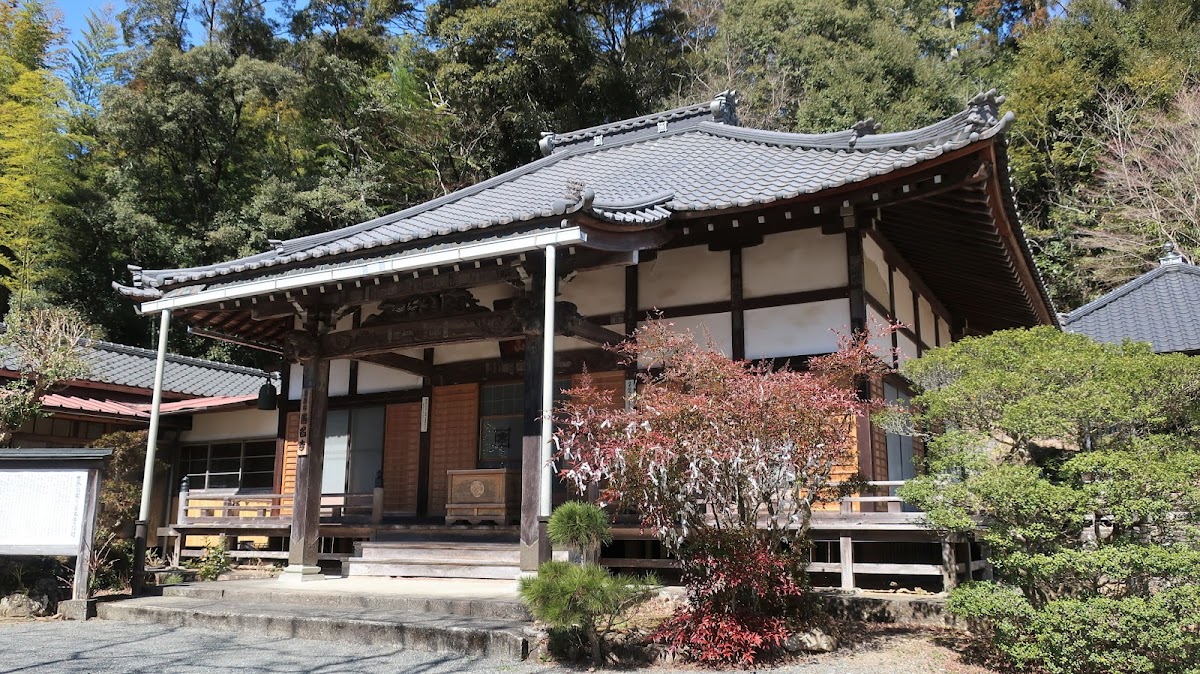
Zenmyoji Temple (Izu City, Shizuoka Prefecture) Complete Guide | A Historic Temple with a History of Founding by Gyoki and Prayer for Fertility
Zenmyoji Temple, nestled in the Yoshina Onsenkyo hot spring area of Izu City, Shizuoka Prefecture, is a historic Nichiren Buddhist temple boasting a history of nearly 1300 years, dating back to the Nara period. With numerous historical episodes, including its founding by Gyoki Bodhisattva, its status as the place of exile for Ban Yoshio, and the fulfillment of a prayer for fertility by Lady Oman, a concubine of Tokugawa Ieyasu, the temple continues to attract many visitors. This article provides a detailed introduction to Zenmyoji Temple, including its history, cultural assets, access, and surrounding tourist information.
History and Origins of Zenmyoji Temple
Founding in the Nara Period and Gyoki Bodhisattva
Zenmyoji Temple is said to have been founded in the first year of the Jinki era (724 AD). It was founded by Gyoki Bodhisattva, a renowned high priest of the Nara period. Gyōki was a Buddhist monk who traveled throughout Japan, dedicating himself to the relief of the people and the propagation of Buddhism. He is also known for his deep involvement in the construction of the Great Buddha of Tōdai-ji Temple.
It is said that when Gyōki visited the Izu region, he discovered the present-day Yoshina Onsen (hot spring). Recognizing the medicinal properties of the spring, he is said to have built a temple with Yakushi Nyorai (the Medicine Buddha) as its principal deity. At the time of its founding, it was a large temple complex with seven main halls, and it flourished as a center of Buddhist culture in the Izu region.
The Heian Period and the Exile of Tomo no Yoshio
During the Heian period, Zenmyō-ji Temple appeared on the historical stage. It became the place of exile for Tomo no Yoshio, who was disgraced and exiled after the Ōtenmon Incident (866). Tomo no Yoshio was defeated in a political struggle with the Fujiwara clan and exiled to this area.
When Tomo no Yoshio was exiled, he is said to have spent the rest of his life at Zenmyoji Temple, and it is believed that the temple was renovated and expanded during this period. There is also a theory that the temple’s name, “Zenmyoji,” derives from the character “Zen” in Tomo no Yoshio’s name, and it developed as a temple with deep ties to the Heian period aristocracy.
From the Sengoku Period to the Edo Period
Like many other temples, Zenmyoji Temple was affected by the ravages of war during the Sengoku period. However, it was rebuilt in the Edo period, and its current form as a Nichiren Buddhist temple was established.
Particularly famous is the story of Lady Oman (Yōjuin), a concubine of Tokugawa Ieyasu, who visited Zenmyoji Temple in the early Edo period to pray for children. After visiting Zenmyoji Temple and bathing in the Yoshina Onsen hot springs, Lady Oman was blessed with children, giving birth to Tokugawa Yorinobu, who later became the lord of the Kishu Domain, and Tokugawa Yorifusa, the lord of the Mito Domain.
As this miraculous story spread, Zenmyoji Temple and Yoshina Onsen became known nationwide as the “Hot Spring of Fertility” and the “Temple of Childbearing,” attracting many visitors.
From Modern to Contemporary Times
Despite the impact of the anti-Buddhist movement of the Meiji era, Zenmyoji Temple survived as a center of local faith. Even after the Showa era, visitors praying for fertility, safe childbirth, and good health continued to flock to the temple.
Currently, while preserving historical cultural assets, it plays an important role as a local tourist resource, and many tourists visit it in conjunction with Yoshina Onsen.
Cultural Assets and Highlights of Zenmyoji Temple
Yakushi Nyorai Statue (Principal Image)
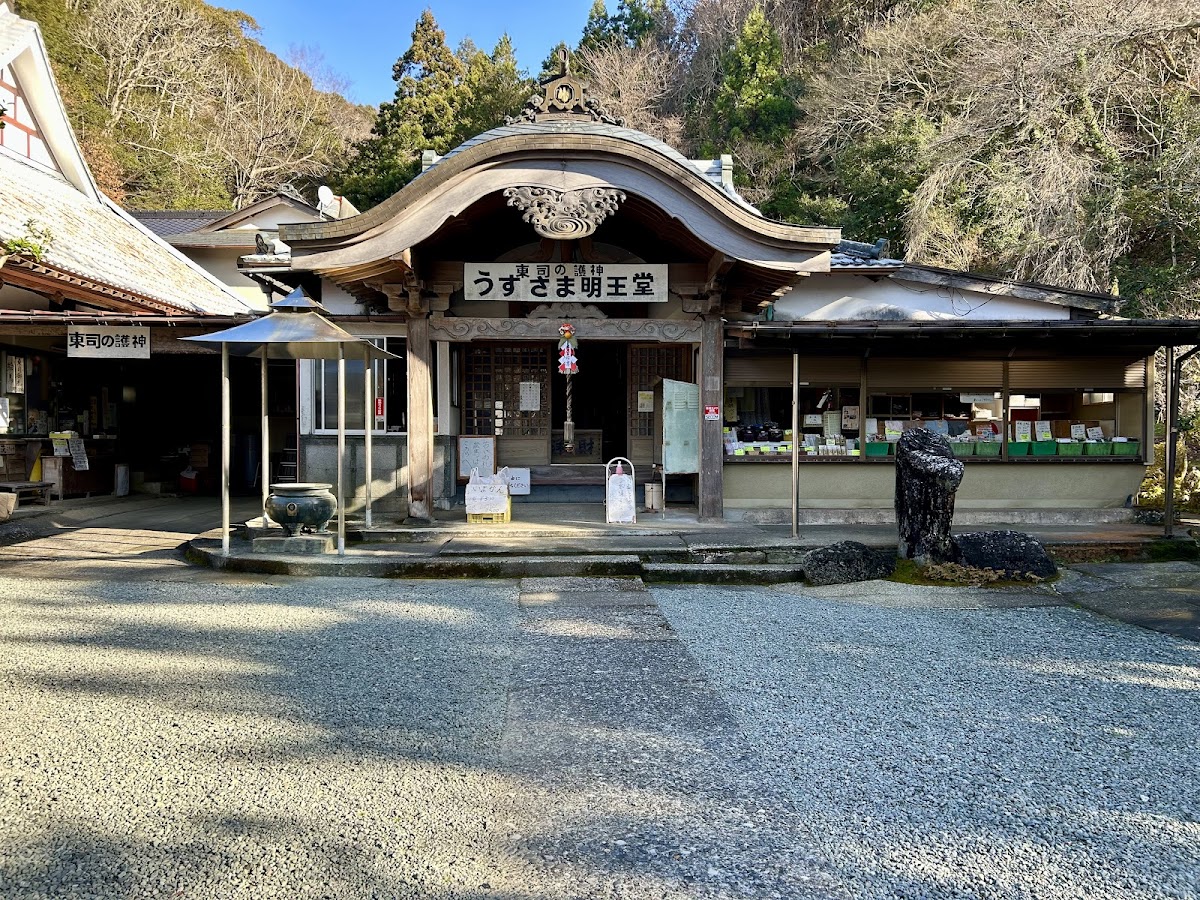
The principal image of Zenmyoji Temple is a statue of Yakushi Nyorai (Medicine Buddha), enshrined in the Yakushi-do hall to the right of the main hall. This statue is considered a hidden Buddha and is not usually open to the public.
The temple is only open to the public twice a year, on the first Sunday of April and the second Sunday of October. On these days, many believers and Buddhist statue enthusiasts visit, gaining the opportunity to view these precious statues.
Yakushi Nyorai (the Medicine Buddha) is worshipped as the Buddha who presides over healing illnesses and promoting health and longevity. Combined with the medicinal properties of Yoshina Onsen (hot spring), it has attracted the faith of people seeking physical and mental well-being.
Main Hall and Temple Grounds
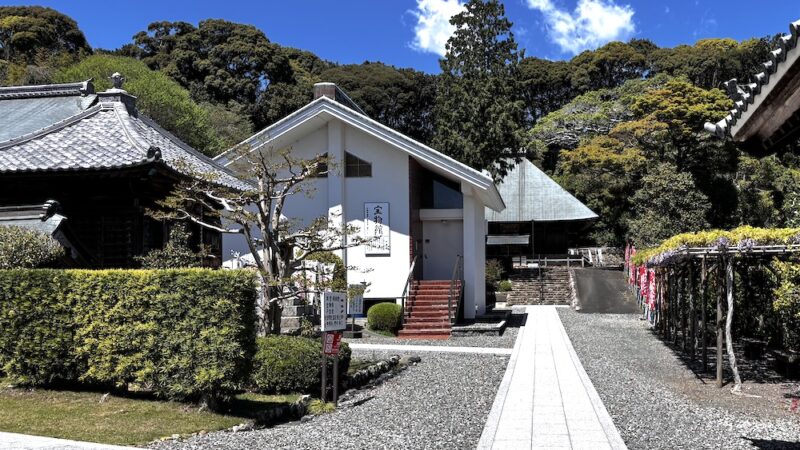
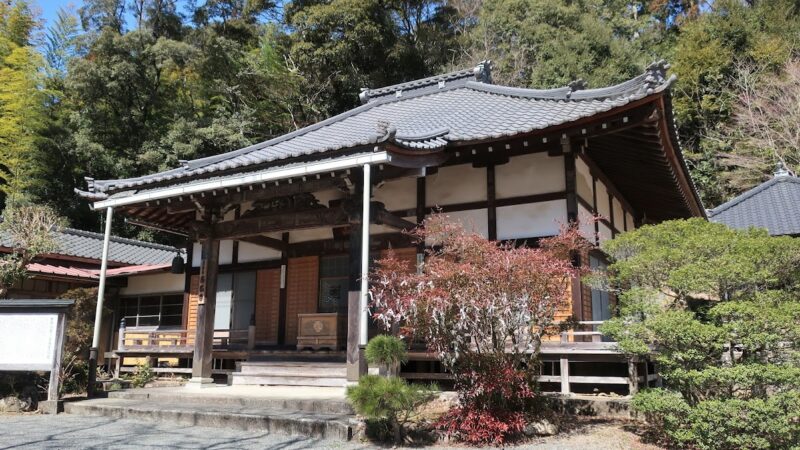
The current main hall was rebuilt between the Edo period and the modern era, maintaining the solemn atmosphere of a Nichiren Buddhist temple. The temple grounds are enveloped in a quiet and peaceful atmosphere, allowing visitors to offer their prayers in tranquility.
The grounds also contain many ancient trees, allowing visitors to enjoy the beauty of nature throughout the seasons. In particular, many worshippers and tourists visit during the cherry blossom season in spring, the fresh greenery of early summer, and the autumn foliage season.
Faith in Fertility and Safe Childbirth
The most distinctive feature of Zenmyoji Temple is its widespread recognition as a temple for prayers for fertility and safe childbirth. Since the story of Lady Oman, from the Edo period to the present day, couples praying for children and pregnant women praying for safe childbirth have visited the temple from all over Japan.
At the temple, visitors can receive prayers for conception and safe childbirth, and many come with their wishes. There are many reports of wishes being granted, and many people return to offer thanks.
Integrated Faith with Yoshina Onsen
The faith of Zenmyoji Temple is closely linked to Yoshina Onsen. According to legend, Gyoki discovered the hot springs, and it has been a long-standing custom to combine temple visits with bathing in the hot springs.
Yoshina Onsen is known as the “Fertility Hot Spring,” and is particularly believed to be effective for gynecological disorders in women. It has been believed that bathing in the hot springs after praying at Zenmyoji Temple purifies both mind and body, and helps wishes come true. ## Basic Information about Zenmyoji Temple
Location and Contact Information
- Address: 128 Yoshina, Izu City, Shizuoka Prefecture 410-3208
- Phone Number: 0558-85-0402
- Sect: Nichiren Buddhism
- Principal Image: Yakushi Nyorai (Medicine Buddha)
- Founder: Gyoki Bodhisattva (724 AD)
Visiting Information
- Admission Fee: Free
- Visiting Hours: Grounds are freely accessible (Please check for access to the main hall)
- Special Opening of the Yakushi Nyorai Statue: First Sunday of April and second Sunday of October every year
- Parking: Available (Free)
Benefits
- Prayer for conception and fertility
- Prayer for safe childbirth
- Good health and protection from illness
- Recovery from illness
- Health and longevity
Access
Access by Public Transportation
By Train and Bus
- Get off at Shuzenji Station on the Izuhakone Railway.
- Take a Tokai Bus bound for Yugashima Onsen, Showa no Mori, or Kawazu Station.
- Get off at the Yoshina Onsen-guchi bus stop (approximately 25 minutes).
- Walk west from the bus stop for approximately 15 minutes.
Since bus services are limited, it is recommended to check the timetable in advance. Especially on holidays, there are many tourists, so it is wise to arrive early.
Access by Car
Via Tomei Expressway
- Approximately 60 minutes from Numazu IC or Nagaizumi-Numazu IC via the Izu Jukan Expressway.
- Approximately 20 minutes from Shuzenji IC on the Shuzenji Road via Prefectural Road 12.
Parking
Zenmyoji Temple has a free parking lot. However, on days when congestion is expected, such as special opening days for the Yakushi Nyorai statue, it is recommended to arrive early.
Access from nearby hot spring resorts
- Approximately 15 minutes by car from Shuzenji Onsen
- Approximately 10 minutes by car from Yugashima Onsen
- Approximately 15 minutes by car from Amagi Yugashima
Located in the central part of the Izu Peninsula, it is easily accessible as a base for sightseeing in Izu.
Recommended sightseeing spots around Zenmyoji Temple
Yoshina Onsen
Yoshina Onsen, located very close to Zenmyoji Temple, is a quiet hot spring resort nestled in the mountains. Known as the “Hot Spring of Fertility,” it is a popular choice to visit in conjunction with a visit to Zenmyoji Temple.
The spring water is alkaline simple hot spring water, gentle on the skin, and particularly popular with women. There are also day-use bathing facilities, so you can easily enjoy the hot springs after visiting the temple.
Shuzenji Onsen
Shuzenji Onsen, one of the representative hot spring resorts on the Izu Peninsula, is approximately 15 minutes by car from Zenmyoji Temple. It is a historic hot spring town centered around Shuzenji Temple, where you can enjoy picturesque scenery such as bamboo groves and walking paths along the Katsura River. ### Joren Falls
Located about 20 minutes by car from Zenmyoji Temple, Joren Falls is a famous waterfall selected as one of Japan’s Top 100 Waterfalls. The waterfall, cascading down from a height of 25 meters, is breathtaking and offers a relaxing atmosphere filled with negative ions.
Mount Amagi
Located in the center of the Izu Peninsula, Mount Amagi is a popular spot for hiking and viewing autumn foliage. It boasts numerous historical attractions, including the Amagi Pass, known for the “Amagi Pass” (a famous mountain pass), and the Old Amagi Tunnel (an important cultural property).
Bamboo Grove Path (Shuzenji)
The Bamboo Grove Path in the Shuzenji Onsen hot spring resort area is a tunnel of bamboo groves stretching for approximately 300 meters. During the day, it offers a refreshing green space, and at night, it is illuminated, creating a magical atmosphere.
Izu Panorama Park
Near Shuzenji Station, Izu Panorama Park is a tourist spot where you can enjoy spectacular views of Mount Fuji and Suruga Bay from the mountaintop, accessible by ropeway. The aerial park also features a footbath, allowing you to relax while enjoying the scenery.
Points to Note When Visiting Zenmyoji Temple
Manners for Visiting
Zenmyoji Temple is a temple that still functions as a place of worship. Please observe the following manners when visiting:
- Be quiet within the temple grounds
- Take photographs only in designated areas
- Check in advance before taking photographs inside the main hall
- Take your trash with you
- Be aware that the parking lot is for visitors only
Viewing the Yakushi Nyorai Statue
If you wish to view the Yakushi Nyorai statue, which is only unveiled twice a year, you must visit on the first Sunday of April or the second Sunday of October. These days are expected to be crowded, so it is recommended to visit with plenty of time to spare.
Etiquette for Praying for Children
When visiting to pray for children, the traditional procedure is to first pray at the main hall and then bathe in the Yoshina Onsen hot spring. If you wish to have a prayer performed, it is recommended to contact the temple in advance to arrange a date and time.
Seasonal Highlights
Spring (March-May)
- The temple grounds are beautifully adorned with cherry blossoms.
- The Yakushi Nyorai statue is unveiled on the first Sunday of April.
- A season of beautiful fresh greenery.
Summer (June-August)
- The temple grounds are quiet and enveloped in deep green.
- An increase in visitors seeking respite from the heat at Yoshina Onsen.
Autumn (September-November)
- The Yakushi Nyorai statue is unveiled on the second Sunday of October.
- A season of beautiful autumn foliage.
- Many tourists visit in conjunction with the autumn leaves of Mt. Amagi.
Winter (December-February)
- The temple grounds are enveloped in silence.
- Ideal for a visit combined with a visit to the hot springs.
Reviews and Reputation of Zenmyoji Temple
Visitor Feedback
The following comments have been received from visitors to Zenmyoji Temple:
- “I was able to worship slowly in a quiet and peaceful atmosphere.”
- “I visited to pray for a child, and afterwards I was truly blessed with one.”
- “Visiting it in conjunction with Yoshina Onsen allowed me to refresh both my mind and body.”
- “It’s an ancient temple where you can feel the history, and I reflected on the history of Gyoki and Tomo no Yoshio.”
- “I was able to visit on a special opening day for the Yakushi Nyorai statue, which was a valuable experience.”
On the other hand, there are also comments regarding transportation access, such as “The temple’s location is a little difficult to find” and “There are few buses.” If you are visiting for the first time, it is recommended that you carefully check the map and access methods in advance.
Points to Note
Some visitor reviews also include comments regarding the service received. Temples are religious facilities, and the head priest and staff have daily duties, so it is important to avoid sudden visits or unreasonable requests and to treat them with respect.
Zenmyoji Temple and the History and Culture of Izu
The Position of Buddhist Culture in Izu
Zenmyoji Temple is one of the important temples when discussing the Buddhist culture of the Izu Peninsula. Izu boasts many historical temples, including Shuzenji, Ganjojuin, and Hojoji, but Zenmyoji Temple is particularly noteworthy for its long history dating back to the Nara period.
Its founding by Gyoki is important evidence that Izu was influenced by Buddhist culture from ancient times.
Connection to Hot Spring Worship
A distinctive feature of Zenmyoji Temple is the integration of hot spring worship and Buddhist faith. While there are many examples of hot springs and temples being linked throughout Japan, the relationship between Yoshina Onsen and Zenmyoji Temple is particularly deep, developing in a mutually complementary manner.
This integrated form of worship between hot springs and temples is a good example of Japanese folk belief and is a fascinating case from a cultural anthropological perspective.
Connection to the Tokugawa Family
The episode of Lady Oman indicates that Zenmyoji Temple had a deep connection with the Tokugawa family. As a temple connected to the Shogunate of the Edo period, it is thought to have received a certain level of protection during the Edo period.
As a “temple of fertility” that gave birth to the founders of the Kishu and Mito Tokugawa families, Zenmyoji Temple’s development under the patronage of the Tokugawa family holds significant meaning in its history.
Summary
Zenmyoji Temple in Izu City, Shizuoka Prefecture, is an ancient Nichiren Buddhist temple with a history of nearly 1300 years. Founded by Gyoki, it was the place of exile for Ban Yoshio, and the temple is also the site of Oman-no-kata’s fulfilled prayer for fertility. With numerous historical episodes, it continues to attract many visitors today.
It is particularly well-known nationwide as a temple for prayers for fertility and safe childbirth. Visiting it in conjunction with a trip to Yoshina Onsen allows you to pray for physical and mental well-being and the fulfillment of your wishes. The special opening of the Yakushi Nyorai statue twice a year is also an event not to be missed.
Located in the central part of the Izu Peninsula, and surrounded by numerous tourist attractions such as Shuzenji Onsen and Mount Amagi, it is an ideal place to visit as part of an Izu sightseeing trip. Why not spend some time in the tranquil temple grounds, reflecting on history and offering a peaceful visit?
A visit to Zenmyoji Temple will be more than just sightseeing; it will be a valuable opportunity to experience Japanese history and religious culture.