Hojo-ji Temple (Shizuoka Prefecture) Complete Guide | History and Highlights of the Ancient Temple Founded by Hojo Yoshitoki
Hojo-ji Temple, located in Izunokuni City, Shizuoka Prefecture, is a historic temple founded by Hojo Yoshitoki, known as the second regent of the Kamakura Shogunate. As a place associated with Hojo Yoshitoki, who gained attention in the 2022 NHK Taiga drama “The 13 Lords of Kamakura,” it attracts many history enthusiasts. This article provides a thorough explanation of Hojo-ji Temple’s detailed history, valuable cultural assets, transportation access, and visiting information.
What is Hojo-ji Temple?
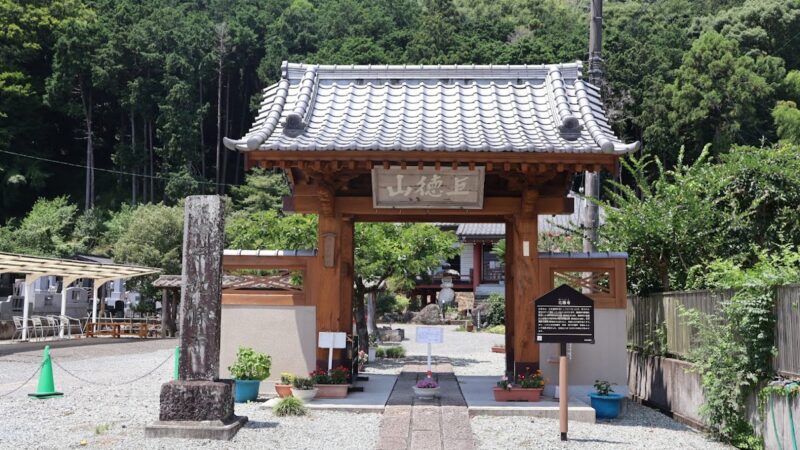
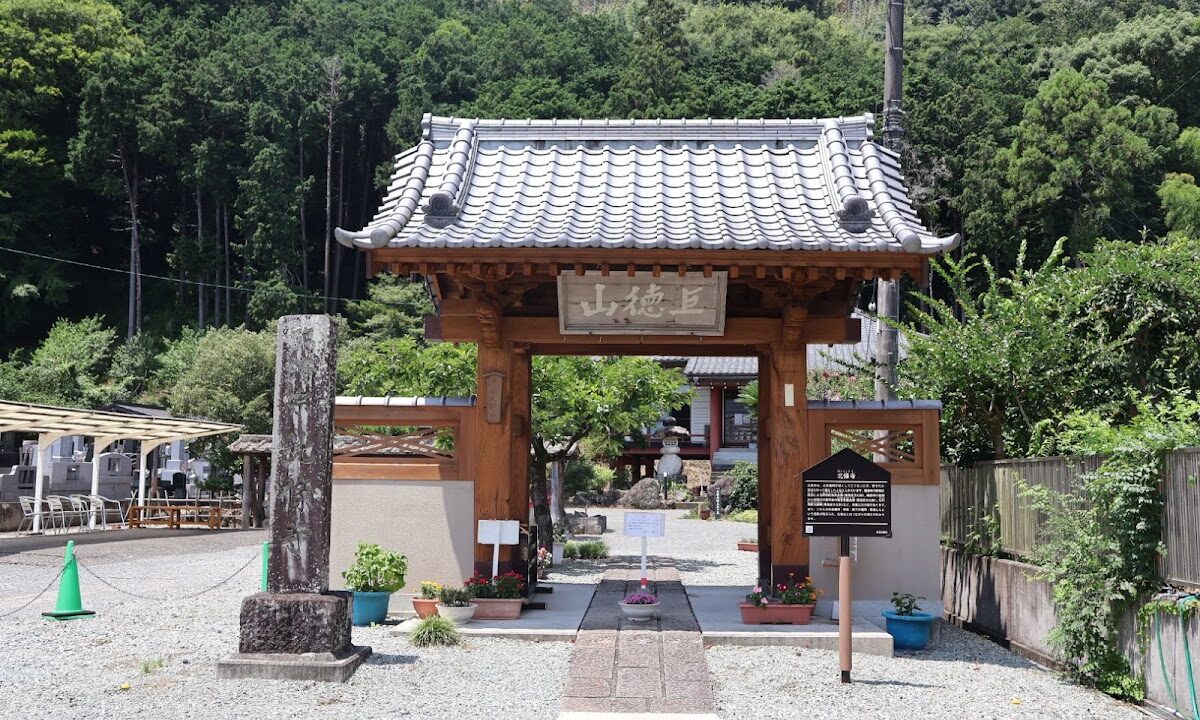
Hojo-ji Temple is a Rinzai Zen temple of the Kencho-ji school, located at 862-1 Minami-Ema, Izunokuni City, Shizuoka Prefecture. Its official name is written as “北条寺”. It is said to have been founded by Hojo Yoshitoki during the late Heian period to the early Kamakura period, and is known as an ancient temple with a history of over 800 years.
Basic Information about the Temple
- Sect: Rinzai Zen Kenchoji School
- Principal Image: Seated Amida Buddha Statue
- Founder: Hojo Yoshitoki
- Founding Period: Late Heian Period to Early Kamakura Period
- Location: 862-1 Minami-Ema, Izunokuni City, Shizuoka Prefecture
Hojo-ji Temple, built in Izu, the base of the Hojo clan, is an indispensable historical site when discussing the history of the Kamakura Shogunate.
History of Hojo-ji Temple
Origin of the Temple and the Tragic Story of Yasuchiyomaru
A tragic legend remains regarding the founding of Hojo-ji Temple. One day, Yasuchiyomaru, the eldest son of Hojo Yoshitoki, was attacked by a giant snake and lost his life. It is said that Yoshitoki, having lost his beloved son, built a temple on this land, which was his territory, in his deep sorrow to mourn the passing of Anchiyomaru.
This legend is recorded in many historical texts and local traditions as an episode that reveals the human side of the warrior Hojo Yoshitoki. It suggests that Yoshitoki was not only a politician and warrior, but also a man of deep paternal love.
Construction of the Seven Main Halls
Yoshitoki, who built Hojo-ji Temple as Anchiyomaru’s burial place, constructed a magnificent seven-main hall complex. The seven main halls refer to the seven main buildings in a Buddhist temple, indicating that it was a fully-fledged temple. The seated statue of Amida Buddha, the principal image in the Buddha Hall, is said to have been commissioned from a sculptor of the Kei school, and the highest level of skill of the time was poured into its creation.
Hojo Yoshitoki and Ema Koshirō
Hojo Yoshitoki was born as the second son of Hojo Tokimasa. In his youth, he was known as “Ema Koshirō,” and the place name “Ema” originates from Minami-Ema in present-day Izunokuni City, where Hōjō-ji Temple is located. Yoshitoki operated from this area, participating in Minamoto no Yoritomo’s uprising and making a significant contribution to the establishment of the Kamakura Shogunate.
Succeeding his father, Hōjō Tokimasa, as the second regent, Yoshitoki defeated the imperial army in the Jōkyū War, solidifying the foundation of the Kamakura Shogunate and leaving his mark on history.
Transition from the Medieval to the Early Modern Period
From the Kamakura period onward, Hōjō-ji Temple was protected as a temple associated with the Hōjō clan. From the Muromachi period to the Sengoku period, although its scale decreased with the changing times, it continued to exist as a center of local faith. During the Edo period, it was re-established as a temple belonging to the Kenchō-ji branch of the Rinzai school, and remains so to this day.
Preservation and Utilization Since the Showa Era
In the Showa era, the historical value of Hojo-ji Temple was re-evaluated, and the protection of its cultural properties was promoted. In particular, the principal image, a seated statue of Amida Buddha, and a seated statue of Kannon Bodhisattva were designated as cultural properties of Shizuoka Prefecture and recognized as important works of art. In recent years, partly due to the influence of historical dramas, it has become a popular tourist destination as a historical site associated with the Hojo clan.
Cultural Properties of Hojo-ji Temple
Hojo-ji Temple preserves many valuable cultural properties that have been passed down since the Kamakura period. These cultural properties are valuable resources that convey the high level of Buddhist art at that time.
Wooden Seated Statue of Amida Buddha (Important Work of Art, Prefectural Cultural Property)
The wooden seated statue of Amida Buddha, the principal image of Hojo-ji Temple, is a masterpiece said to have been created by a Buddhist sculptor of the Kei school. The Kei school was a group of Buddhist sculptors representative of the Kamakura period, represented by Unkei and Kaikei, and is characterized by its realistic and powerful style.
This seated statue of Amida Buddha is a designated cultural property of Shizuoka Prefecture and is also recognized as a nationally important work of art. The statue is approximately 80 centimeters tall and is made using the techniques of joined-wood construction and inlaid crystal eyes. Its serene expression exudes dignity, clearly demonstrating the excellent characteristics of Buddhist sculpture from the Kamakura period.
Regarding Viewing: To view this precious seated statue of Amida Buddha up close, advance telephone reservations are required. Because it is normally housed in a shrine, it is not possible to see the details without a reservation.
Wooden Seated Statue of Kannon Bodhisattva (Prefectural Cultural Property)
Alongside the seated statue of Amida Buddha, another important cultural property is the wooden seated statue of Kannon Bodhisattva. This is also a designated cultural property of Shizuoka Prefecture and is highly regarded as an excellent example of Buddhist sculpture from the Kamakura period. The compassionate expression of Kannon Bodhisattva is beautifully rendered, demonstrating the high level of skill of the Buddhist sculptors of that time.
Tapestry Door Panel (Embroidery)
Hojo-ji Temple preserves a tapestry door panel said to have been a gift from Hojo Masako. This is a valuable textile embroidered with bird, animal, and floral motifs, and is an important historical document showcasing Kamakura period craftsmanship. It is attracting attention for both its historical and artistic value as an item imbued with Masako’s feelings for Yoshitoki.
Other Cultural Properties
The temple grounds also preserve stone structures and ancient documents from the Kamakura and Muromachi periods, making them valuable resources for researchers and history enthusiasts. These cultural properties are indispensable for unraveling the history of the Hojo clan and Izu.
Graves of Hojo Yoshitoki and His Wife
Two graves of Hojo Yoshitoki and his wife stand quietly within the grounds of Hojo-ji Temple. These graves are designated cultural properties of Izunokuni City and are protected as valuable historical sites from the Kamakura period.
Characteristics of the Graves
The graves of Yoshitoki and his wife are built in the simple yet dignified five-tiered pagoda style. Yoshitoki was a powerful figure in the Kamakura Shogunate, but his tomb is not lavish; rather, it exudes a Zen Buddhist simplicity. This can be seen as embodying the austere and robust spirit of the samurai government.
Significance of Visiting the Tomb
Even today, history buffs, researchers of the Hojo clan, and people interested in the Kamakura period visit the tomb. Since the broadcast of the 2022 Taiga drama, the number of visitors has increased significantly, and it has become a beloved place to commemorate Yoshitoki’s achievements.
Highlights of the Temple Grounds
Main Hall
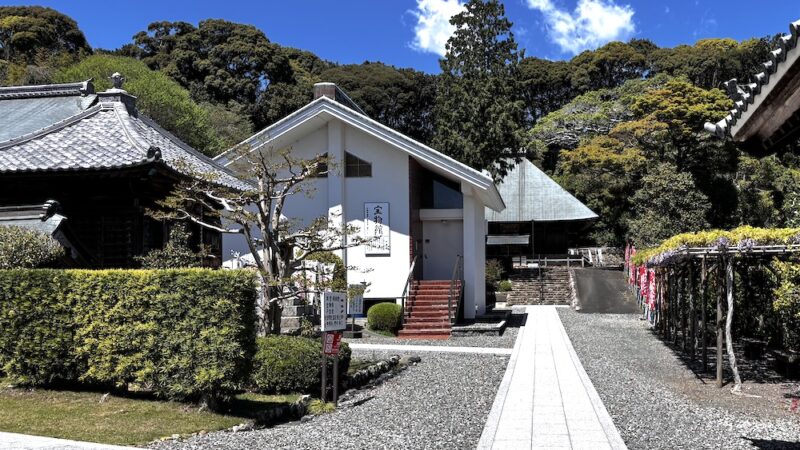
The main hall of Hojo-ji Temple was rebuilt during the Edo period and is an example of Zen Buddhist architecture, characteristic of Rinzai Zen temples. Inside, the principal image, a seated statue of Amida Buddha, is enshrined, allowing visitors to pray in a tranquil atmosphere.
Garden
The temple grounds feature a well-maintained Japanese garden where visitors can enjoy the beauty of nature throughout the seasons. The temple grounds are particularly beautiful during the cherry blossom season in spring, the fresh greenery of early summer, and the autumn foliage season, delighting visitors.
Stone Monuments and Information Boards
Within the temple grounds, there are information boards explaining the history of Hojo-ji Temple and Hojo Yoshitoki, making it easy for first-time visitors to understand the temple’s history. There are also stone monuments marking locations associated with the historical drama series.
Visiting Information
Visiting Hours and Fees
- Visiting Hours: 10:00 AM – 4:00 PM (Last entry 3:30 PM)
- Admission Fee: Adults 500 yen, Elementary and Junior High School Students 200 yen
- Closed Days: Irregular (It is recommended to check in advance)
- Inquiries: 055-948-1399
Special Viewings
If you wish to view the wooden seated statue of Amida Buddha, a designated Important Cultural Property, in detail, you must make a reservation by phone in advance. Since the shrine is not opened without a reservation, you cannot see the Buddha statues up close. Those interested in history and Buddha statues are strongly advised to make a reservation before visiting.
Notes for Visitors
- Please maintain silence within the temple grounds.
- Please only take photographs in designated areas.
- Please do not touch cultural artifacts.
- Please observe a solemn attitude when visiting the cemetery.
Access
Access by Train
Nearest Station: Izuhakone Railway Sunzu Line “Nirayama Station”
It is approximately a 25-30 minute walk from Nirayama Station to Hojo-ji Temple. Exit the station and cross the Matsubara Bridge to the northwest, crossing the Kano River. Continue straight west for approximately 600 meters, then turn left at the traffic light intersection. From there, proceed south for approximately 400 meters, and you will see a sign for Hojo-ji Temple.
Detailed Walking Route:
- Exit Nirayama Station and head northwest.
- Cross the Kano River at Matsubara Bridge.
- Walk straight west for approximately 600 meters.
- Turn left (south) at the traffic light intersection.
- Arrive at Hojo-ji Temple in approximately 400 meters.
By Taxi
A taxi from Nirayama Station will get you there in about 5 minutes. Taking a taxi is recommended for those who find walking difficult or who want to save time.
Access by Car
Tomei Expressway: Approximately 30 minutes from Numazu IC
Shin-Tomei Expressway: Approximately 25 minutes from Nagaizumi-Numazu IC
Parking: There is a free parking lot for visitors on the temple grounds (spaces are limited, so be aware of potential congestion).
Combining with Nearby Tourist Attractions
Numerous historical sites related to the Hojo clan are scattered around Hojo-ji Temple.
- Ganjoju-in Temple: A temple founded by Hojo Tokimasa (within walking distance)
- Nirayama Reverberatory Furnace: A World Heritage Site (approx. 10 minutes by car)
- Izu-no-Kuni Panorama Park: A spectacular view of Mt. Fuji from the ropeway (approx. 15 minutes by car)
- Egawa Residence: A nationally designated important cultural property (approx. 5 minutes by car)
Visiting these tourist spots in combination will allow you to gain a deeper understanding of Izu’s history and culture.
Recommended Points When Visiting Hojo-ji Temple
Recommended Ways for History Enthusiasts
When visiting Hojo-ji Temple, you will gain a deeper appreciation by understanding the historical background of the Kamakura period beforehand, rather than simply sightseeing the temple itself. Learning about the life of Hojo Yoshitoki and the process of establishing the Kamakura Shogunate beforehand will allow you to more clearly understand the meaning of each historical site within the temple grounds.
Photography Tips
You can enjoy beautiful scenery throughout the four seasons within the temple grounds. In particular, photographs combining the main hall and garden, or the tombs of Yoshitoki and his wife with the surrounding nature, can capture a historical atmosphere. However, there may be restrictions on photographing cultural properties, so be sure to check before taking pictures.
Seasonal Highlights
- Spring (March-May): Cherry blossoms and fresh greenery are beautiful, and the temple grounds are enveloped in a vibrant atmosphere.
- Summer (June-August): You can enjoy a tranquil atmosphere amidst the deep greenery.
- Autumn (September-November): The autumn leaves color the temple grounds, making it the most beautiful season.
- Winter (December-February): You can reflect on history in a peaceful atmosphere.
Hojo-ji Temple and the Taiga Drama “The 13 Lords of Kamakura”
In the 2022 NHK Taiga drama “The 13 Lords of Kamakura,” Hojo Yoshitoki was depicted as the main character. The drama has significantly increased the number of tourists visiting Hojo-ji Temple, bringing renewed attention to the site as a place associated with Yoshitoki.
While the drama emphasized Yoshitoki’s cold and calculating political side, the legend of Anchiyomaru, passed down at Hojo-ji Temple, reveals his human side as a father, offering a different perspective on Yoshitoki than what was portrayed in the drama.
Connections to the Community
Hojo-ji Temple is an important cultural property of Izunokuni City and is used in local history education. Local elementary and junior high schools provide opportunities for students to visit Hojo-ji Temple as part of their local history studies.
Furthermore, a cultural property open house event is held every autumn, offering special opportunities to view cultural properties that are not usually open to the public. Information on such events can be found on the Izunokuni City Tourism Association website and the Shizuoka Prefecture tourism information website.
Manners and Attitudes for Visiting
Hojo-ji Temple is an active temple where daily religious activities are conducted. When visiting as a tourist, please observe the following manners.
- Maintain silence: Please refrain from speaking loudly on the temple grounds and observe quietly.
- Appropriate attire: Please dress appropriately for a temple.
- Protection of cultural properties: Please refrain from touching exhibits or buildings.
- Photography: Please take photographs only in designated areas and be considerate of other visitors.
- Take your trash home: To keep the temple grounds clean, please be sure to take your trash with you.
Nearby dining and rest spots
There are several restaurants near Hojo-ji Temple that use ingredients from Izu. Enjoying local cuisine after your visit is highly recommended.
- Soba Restaurants: There are soba restaurants using locally produced buckwheat flour around Nirayama Station.
- Cafes: There is a restaurant in Izunokuni Panorama Park where you can enjoy a meal while viewing Mt. Fuji.
- Souvenir Shops: There are shops selling Izu’s local specialties around Nirayama Station and near Ganjoju-in Temple.
Summary
Hojo-ji Temple, located in Izunokuni City, Shizuoka Prefecture, is a historical temple founded by Hojo Yoshitoki, the second regent of the Kamakura Shogunate. It preserves numerous valuable cultural assets that tell the story of its founding, beginning with the tragic tale of Anchiyomaru, a magnificent seated statue of Amida Buddha by a Kei school sculptor, and the tombs of Yoshitoki and his wife, all of which tell the story of over 800 years of history.
Located about a 25-minute walk from Nirayama Station on the Izuhakone Railway, and easily accessible by car, visiting it along with other historical sites related to the Hojo clan in the surrounding area will allow you to gain a deeper understanding of the history of the Kamakura period. Visiting hours are from 10:00 to 16:00, and the entrance fee is 500 yen for adults. Advance reservations are required for detailed viewing of the important cultural properties.
As a place associated with Hojo Yoshitoki, who gained renewed attention in the historical drama “The 13 Lords of Kamakura,” this temple is worth visiting not only for history buffs but for anyone interested in Japanese history and culture. When visiting Shizuoka Prefecture, be sure to visit Hojo-ji Temple and experience the spirit of the Kamakura period.