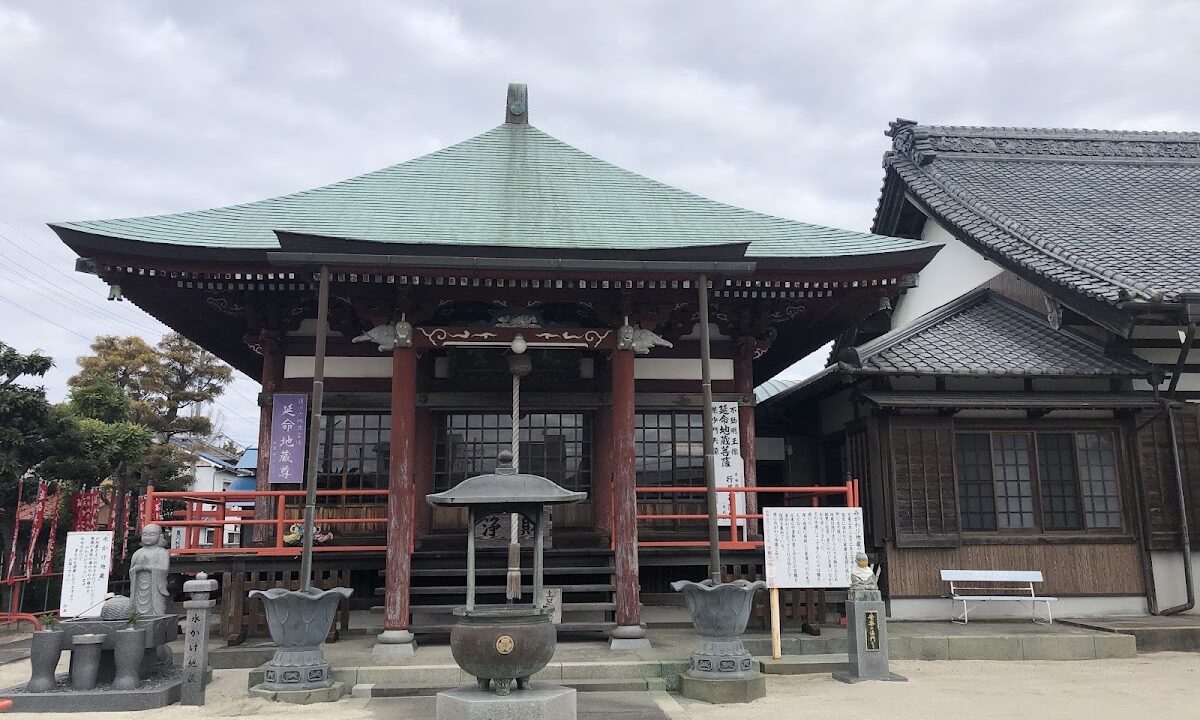
Senkoji Temple (Iwata City, Shizuoka Prefecture) Complete Guide | History, Cultural Properties, and Visiting Information
Senkoji Temple, located in Mitsuke, Iwata City, Shizuoka Prefecture, is a Soto Zen Buddhist temple founded in 1596. Known as the 17th temple of the Enshu Thirty-Three Kannon Pilgrimage, it houses numerous valuable cultural properties, including a temple bell associated with Tokugawa Ieyasu and Buddhist statues designated as prefectural cultural properties. This article provides a detailed explanation of Senkoji Temple’s history, cultural properties, and visiting information.
Basic Information about Senkoji Temple
Location and Access
Location: 1340-1 Mitsuke, Iwata City, Shizuoka Prefecture
Phone Number: 0538-32-2489
Sect: Soto Zen
Mountain Name: Shugyokuzan
Transportation Access
Access to Senkoji Temple is as follows:
Access by Car:
- Approximately 10 minutes from the Tomei Expressway Iwata Interchange
- Parking available
Access by Public Transportation:
- Approximately 15 minutes on foot from Iwata Station on the JR Tokaido Main Line
- Approximately 5 minutes on foot from the Enshu Railway Bus “Mitsuke” bus stop
The approach to the temple, which continues from the Tokaido Road, is called “Jizo-koji” (Jizo Lane), and visitors can feel the historical atmosphere while visiting.
History of Senkoji Temple
Founding and Origin
Senkoji Temple is a Soto Zen Buddhist temple founded in 1596 (Keicho 1), boasting a history of over 400 years. Mitsuke-juku was a post town that flourished as part of the Tokaido Fifty-three Stations, and Senkoji Temple is deeply connected to the history of this region.
The temple’s mountain name, “Shugyokuzan,” symbolizes the Buddhist teaching of polishing the treasures of the heart, and the temple’s hymn also expresses this: “If you polish the jewels of your heart without folly, one day they will become the great Buddha.”
Connection with Tokugawa Ieyasu
A noteworthy aspect of Senkoji Temple’s history is its deep connection with Tokugawa Ieyasu. Within the temple grounds remains a bell donated by Ieyasu for the many warriors who died in battle during the Sengoku period.
Ieyasu had a deep faith in the Enmei Jizo Bodhisattva, and he donated this bell to Senkoji Temple to pray for the repose of the souls of the warriors who lost their lives in battle. This bell remains on the temple grounds today, a valuable legacy that conveys Ieyasu’s compassionate side.
Mitsuke-juku and Senkoji Temple
Mitsuke was a post town on the Tokaido highway, bustling with travelers during the Edo period. Senkoji Temple is located in the heart of Mitsuke-juku and served as a spiritual haven for travelers. The “Jizo-koji” alley, which extends from the Tokaido road, retains the atmosphere of that era and continues to attract many visitors today.
Cultural Properties of Senkoji Temple
Shizuoka Prefecture Designated Cultural Properties
Senkoji Temple houses two valuable Buddhist statues designated as Shizuoka Prefecture Cultural Properties.
Enmei Jizo Bodhisattva Statue
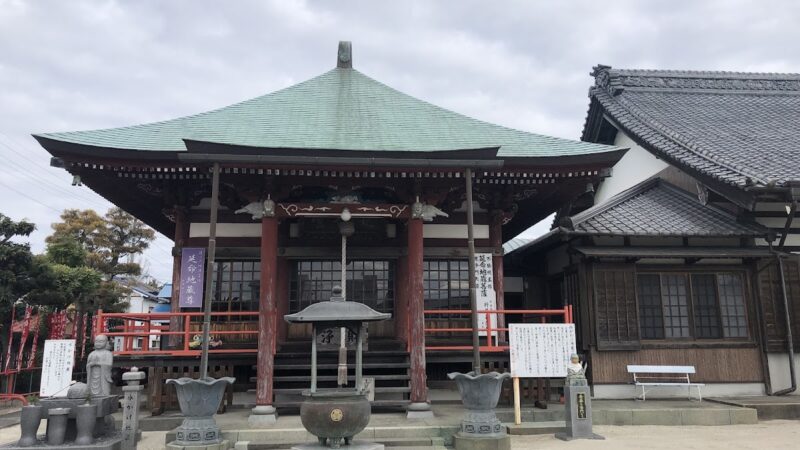
The Enmei Jizo Bodhisattva statue, the principal image of Senkoji Temple, is protected as a prefectural designated cultural property. Jizo Bodhisattva is believed to grant blessings for child-rearing and longevity, attracting many worshippers.
Enmei Jizo Bodhisattva, deeply revered by Tokugawa Ieyasu, comforted the souls of warriors who survived the turbulent Sengoku period and continues to watch over the peace and well-being of people even today.
Bishamonten Statue
Another prefectural designated cultural property is the Bishamonten statue. Bishamonten, one of the Four Heavenly Kings, is worshipped as a warrior god who protects Buddhist law. Due to its exquisite carving techniques and excellent state of preservation, it is designated as an important cultural property of Shizuoka Prefecture.
Bell Donated by Tokugawa Ieyasu
As mentioned above, a bell donated by Tokugawa Ieyasu still exists on the temple grounds. This bell is a valuable artifact that tells the history of the Sengoku period and is also an important document for understanding Ieyasu’s character.
An inscription is carved into the bell, revealing the circumstances and timing of the donation. Ieyasu’s stance of praying for the repose of the souls of those who died in battle, regardless of whether they were friend or foe, was groundbreaking for its time.
17th Temple of the Enshu Thirty-Three Kannon Pilgrimage
Senkoji Temple as a Pilgrimage Site
Senkoji Temple is the 17th temple of the Enshu Thirty-Three Kannon Pilgrimage, and is a sacred site visited by many pilgrims.
Main Deity of the Temple: Eleven-Faced Kannon Bodhisattva
Waka Poem: If you hone the jewel of your heart without folly, one day you will become the great Bodhisattva.
Eleven-Faced Kannon Bodhisattva
The Eleven-Faced Kannon Bodhisattva, the main deity of this temple, is said to watch over and save all sentient beings from all directions with its eleven faces. For pilgrims visiting the Enshu Thirty-Three Kannon Pilgrimage, Senkoji Temple is an important pilgrimage site.
Goshuin (Temple Seal) and Sutra Copying
Senkoji Temple offers Goshuin (temple seals), which can be inscribed in the sutra copying notebooks of pilgrims visiting the Enshu Thirty-Three Kannon Pilgrimage. The Goshuin includes calligraphy such as “Temple No. 17” and “Eleven-Faced Kannon Bodhisattva,” along with the temple’s seal.
You can receive a Goshuin at the main hall or the temple’s living quarters during visiting hours. It is recommended to confirm by phone in advance.
Highlights of Senkoji Temple
Atmosphere of the Temple Grounds
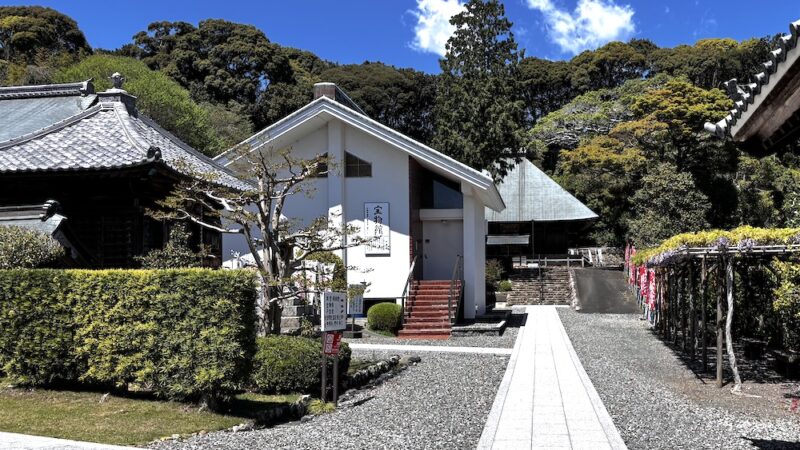
The grounds of Senkoji Temple are lush with greenery, allowing visitors to experience the beauty of nature throughout the seasons. The tranquil environment provides a peaceful setting for worship, making it an ideal place for those seeking solace and peace of mind, away from the hustle and bustle of everyday life.
Jizo Alley
The path leading from the Tokaido Road to Senkoji Temple is called “Jizo Alley,” retaining its historical charm. Walking along this path allows you to relive the feelings of travelers from the Edo period.
The name Jizo Alley originates from the temple’s principal image, the Enmei Jizo Bodhisattva, and embodies the belief that Jizo Bodhisattva watches over those who pass along this path.
Numerous Jizo Statues
Many Jizo statues are enshrined within the temple grounds, gently watching over visitors. Each Jizo statue embodies various wishes, and a constant stream of people visit seeking diverse blessings, including those related to child-rearing, longevity, and traffic safety.
The sheer number of Jizo statues and the deep faith embodied in each one are some of the distinctive charms of Senkoji Temple.
Benefits of Worship
Longevity and Health
The principal deity, Enmei Jizo Bodhisattva, is believed to grant longevity and good health, as its name suggests. Many worshippers, especially the elderly and those praying for the health of their families, visit the temple.
Child-rearing and Safe Childbirth
Jizo Bodhisattva is widely worshipped as a guardian deity of children, and many worshippers seek blessings for child-rearing and safe childbirth. Numerous Jizo statues throughout the temple grounds can be seen, with worshippers praying for the healthy growth of their children.
Memorial for War Dead
Due to the history of Tokugawa Ieyasu donating a temple bell to pray for the repose of those who died in battle, the temple also serves as a memorial for war dead. It holds significant meaning as a place to offer prayers for peace.
Annual Events and Festivals
Regular Memorial Services
As a Soto Zen Buddhist temple, Senkoji Temple holds regular memorial services. Many parishioners and worshippers gather, especially during the spring and autumn equinox services and the Obon memorial service.
Kannon Pilgrimage
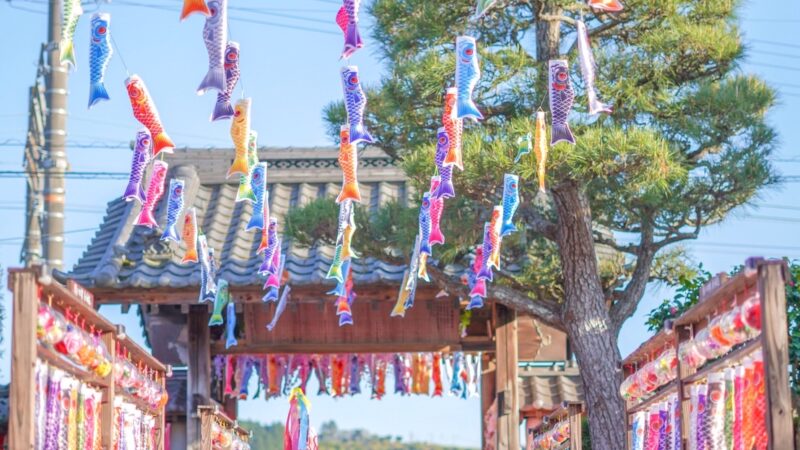
As a pilgrimage site for the Enshu Thirty-Three Kannon Pilgrimage, pilgrimage groups visit at certain times. During the pilgrimage season, you can see pilgrims dressed in white robes.
Nearby Tourist Attractions
Historical Sites of Mitsuke-juku
The area around Senkoji Temple is dotted with historical sites related to Mitsuke-juku, the fifty-three station of the Tokaido. Former Mitsuke School, Omi Kunidama Shrine, Mitsuke Tenjin Shrine, and others make this an irresistible area for history buffs.
Tourism Resources of Iwata City
Iwata City is located in western Shizuoka Prefecture and is also known as the home of the Jubilo Iwata soccer team. Furthermore, the coastline facing the Enshu Sea and the rich natural environment are also attractive features.
When visiting Senkoji Temple, you can have a more fulfilling travel experience by also visiting other tourist spots in Iwata City.
Manners and Precautions When Visiting a Temple
Basic Manners When visiting a temple, please observe the following basic manners.
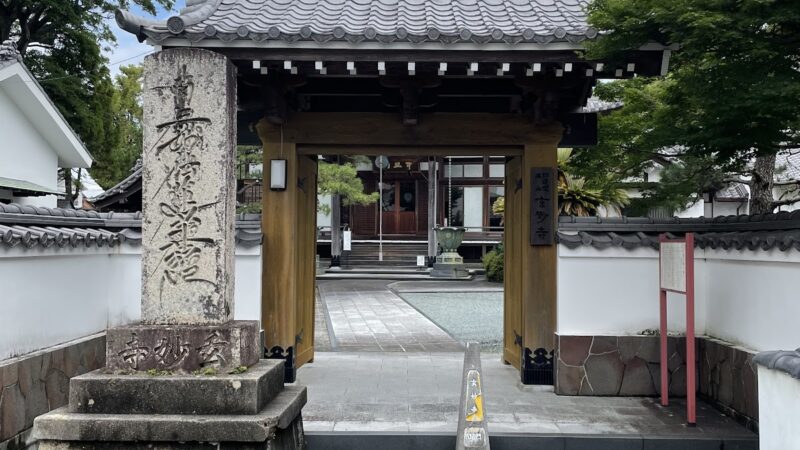
- Bow at the Temple Gate: Bow at the temple gate before entering the grounds.
- Remain Quiet: Be quiet within the temple grounds and refrain from loud conversations.
- Photography: Permission may be required to photograph the interior of the main hall or the Buddha statues.
- Offering: Quietly place your offering in the offering box in front of the main hall.
- Praying with Hands Clasped: Quietly clasp your hands together and pray sincerely.
Dress Code
There are no strict dress code regulations, but it is advisable to avoid revealing or overly flashy clothing, as this is a sacred place.
Visiting Hours
It is recommended to check the visiting hours of Senkoji Temple by phone in advance. Generally, visits are possible during daytime hours, but there may be times when visits are not possible due to religious services, etc.
Contact Information: 0538-32-2489
Summary of Senkoji Temple’s Charms
Located in Mitsuke, Iwata City, Shizuoka Prefecture, Senkoji Temple is an ancient Soto Zen temple with a history of over 400 years. It boasts a multifaceted appeal, including a temple bell donated by Tokugawa Ieyasu, statues of Enmei Jizo Bodhisattva and Bishamonten (designated prefectural cultural properties), and its role as the 17th temple on the Enshu Thirty-Three Kannon Pilgrimage.
Entering the temple grounds via “Jizo-koji” (Jizo Lane), which continues from the Tokaido Road, visitors are gently welcomed by a lush green environment and numerous Jizo statues. Having received people’s prayers from the Sengoku period to the present day, Senkoji Temple is a precious cultural heritage site where history and faith breathe life into.
When visiting Iwata City, be sure to visit Senkoji Temple and experience its history and tranquil atmosphere. You will find peace of mind and time to reflect on yourself, away from the hustle and bustle of everyday life.
Access to Senkoji Temple and Surrounding Area Information
Detailed Access Information
Address: 1340-1 Mitsuke, Iwata City, Shizuoka Prefecture 438-0086
Access by Car:
- Approximately 10 minutes from the Tomei Expressway Iwata Interchange
- Accessible from National Route 1
- Parking available (limited spaces, so be aware of congestion)
Access by Train and Bus:
- Approximately 15 minutes on foot from JR Tokaido Main Line “Iwata Station”
- Approximately 5 minutes on foot from the Enshu Railway Bus “Mitsuke” bus stop
Surrounding Facilities
Around Senkoji Temple, you can enjoy a stroll along the historical sites of Mitsuke-juku, restaurants, and shopping streets, in addition to your temple visit. Historical buildings remain, especially along Jizo-koji Alley, giving you a feeling of stepping back in time.
The Future and Preservation Activities of Senkoji Temple
Protection of Cultural Properties
Senkoji Temple houses valuable cultural heritage, including prefecturally designated cultural properties, making its protection and preservation a crucial issue. Appropriate preservation and management are being carried out with the cooperation of local residents, the government, and experts.
Connections with the Community
Senkoji Temple is not merely a tourist spot; it also serves as a place of worship and a community center for local residents. Its deep ties with the local community, including temple management through the danka (parishioner) system and participation in local events, will continue.
Utilization as a Tourism Resource
The value of Senkoji Temple as a tourism resource for Iwata City is increasing. It is expected to attract many tourists as part of the Enshu Thirty-Three Kannon Pilgrimage and as a base for exploring the history of Mitsuke-juku.
Appropriately conveying the history and cultural value of Senkoji Temple to worshippers and tourists from within and outside Shizuoka Prefecture is both a challenge and an opportunity for the future.
In Conclusion
Senkoji Temple is a temple of high historical and cultural value that Iwata City, Shizuoka Prefecture, is proud of. Its charm can be discovered from various aspects, including its connection to Tokugawa Ieyasu, its designation as a prefectural cultural property, and its role as a pilgrimage site for the 33 Kannon pilgrimage of Enshu.
Senkoji Temple, located in Mitsuke, a town that flourished as a post town on the Tokaido road, has attracted the faith of people for over 400 years. The time spent calming the mind in its tranquil grounds and reflecting on history will be a precious experience for those of us living in the modern age.
If you have the opportunity to visit western Shizuoka Prefecture, please do visit Senkoji Temple. Enter the temple grounds via Jizo-koji (Jizo Lane) and spend some time refining your inner treasures while being watched over by numerous Jizo statues.