Complete Guide to Renkeiji Temples: A Thorough Explanation of Historic Nichiren Buddhist Temples by Region
There are several temples named Renkeiji throughout Japan. Each has its own unique history and cultural assets, and has played an important role as a center of faith in its region. This article provides a detailed explanation of Renkeiji temples scattered throughout Japan, including those in Chofu City (Tokyo), Ito City (Shizuoka Prefecture), Chita District (Aichi Prefecture), and Nikko City (Tochigi Prefecture), covering their history, grounds, cultural assets, and access information.
What is Renkeiji Temple?
Renkeiji temples primarily belong to the Nichiren sect and Jodo Shinshu (Shinshu Otani sect). The character “Ren” (蓮) symbolizes purity and enlightenment in Buddhism, and is therefore adopted as the temple name by many temples. While each Renkeiji temple has a different founder and history, they continue to attract the faith of local people.
Renkei-ji Temple, Chofu City, Tokyo
Overview and Basic Information
Renkei-ji Temple, located in Fuda, Chofu City, Tokyo, is a Nichiren Buddhist temple with the mountain name Seiyo-san. Its former head temple is Ikegami Honmon-ji Temple, and it belongs to the Ikegami-Kagurazaka lineage. Located along the Koshu Kaido road, it is an important historical building in Chofu City.
Location: Fuda, Chofu City, Tokyo
Sect: Nichiren Buddhism
Mountain Name: Seiyo-san
Head Temple: Ikegami Honmon-ji Temple (Former Head Temple)
History
Renkei-ji Temple in Chofu City originally belonged to the Shingon sect and was called “Enma-ji Temple.” From the late 15th to the 16th century, when the Governor of Dewa Province, who served the Odawara Hojo clan, was granted the Fuda region, he became a patron (supporter of the temple) and rebuilt the old temple. At this time, the temple converted to the Nichiren sect with Nichisei Shonin as its founding priest, becoming the present-day Renkei-ji Temple.
This conversion was part of the religious reforms during the Sengoku period and is an important historical example illustrating the spread of Nichiren Buddhism’s teachings throughout the Kanto region.
Temple Grounds and Buildings
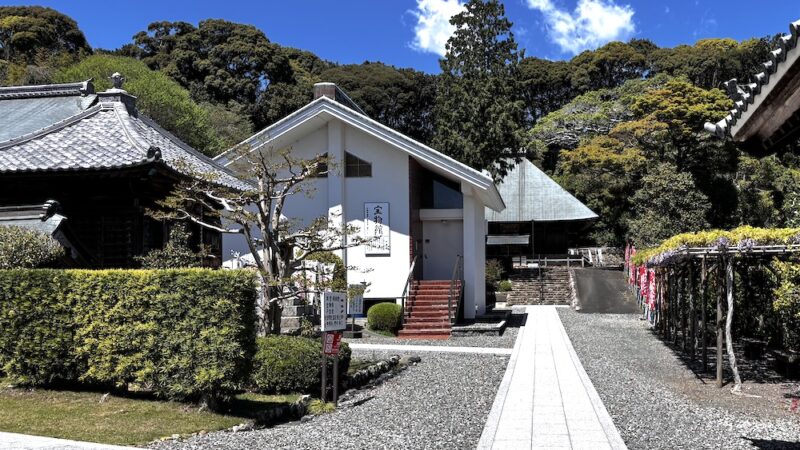
The grounds of Renkei-ji Temple face north towards the Koshu Kaido road. The main hall measures five bays wide and six bays deep, and is a shoin-style building using square pillars and ridge beams. The rear of the hall houses the Buddhist altar and memorial tablet altar, preserving many characteristics of Edo period temple architecture.
In addition to the main hall, the grounds include auxiliary buildings such as the priest’s quarters and bell tower, which are important elements in forming the historical landscape of Chofu City.
Cultural Properties
Renkei-ji Temple in Chofu City possesses several cultural properties.
Chofu City Designated Cultural Properties:
- Main Hall: A valuable building preserving the architectural style of the Edo period.
- Seated Statue of Nichiren Shonin: A wooden sculpture believed to be from the Muromachi period. It is a highly valuable Buddhist statue, both as an object of faith in the Nichiren sect and from an art historical perspective.
These cultural properties are protected as valuable historical materials that convey the history and culture of Chofu City.
Access
Within walking distance from Chofu Station or Fuda Station on the Keio Line. Convenient access by car as it is located along the Koshu Kaido road.
Renkei-ji Temple, Ito City, Shizuoka Prefecture
Temple Associated with Nichiren Shonin
Renkei-ji Temple, located in Kawana, Ito City, Shizuoka Prefecture, is a historically important temple with deep ties to Nichiren Shonin. The story of Nichiren Shonin’s rescue during the persecution of Buddhism in the Kamakura period forms the temple’s origin.
Location: 759-1 Kawana, Ito City, Shizuoka Prefecture
Sect: Nichiren Buddhism
History and Origin
During the Kamakura period, when Nichiren Shonin was exiled to Izu, he was cast adrift on a reef near Kawana Port, commonly known as “Manaita-iwa” (Cutting Board Rock). At this time, a local fisherman, Funamori Yasaburo, rescued Nichiren Shonin, who had been falsely accused of a serious crime.
Funamori Yasaburo and his wife, disregarding the danger to their own lives, sheltered Nichiren Shonin for over thirty days in a cave where they stored their fishing gear, and served him. Renkei-ji Temple was built on the site of Funamori Yasaburo’s residence and was founded as a dojo to repay Nichiren Shonin’s great kindness.
This story holds an important place in the history of Nichiren Buddhism and is passed down as a moving episode demonstrating faith and human compassion.
Highlights of the Temple Grounds
The most famous feature of Renkei-ji Temple in Ito City is the weeping cherry tree that blooms on the temple grounds. These cherry trees, which reach full bloom around March each year, are known for their beauty that makes passersby stop in their tracks, and are gaining popularity as a hidden gem of a cherry blossom viewing spot in Izu.
During cherry blossom season, the temple grounds are covered in pink blossoms, adding a touch of splendor to this historical space associated with Nichiren Shonin. It’s a popular seasonal spot visited by both locals and tourists.
Access
Take a bus from Ito Station towards Kawana. The Kawana area is located in a scenic spot on the east coast of the Izu Peninsula.
Renkei-ji Temple, Agui-cho, Chita-gun, Aichi Prefecture
A Temple of the Shinshu Otani School
Renkei-ji Temple, located in Agui-cho, Chita-gun, Aichi Prefecture, is a temple belonging to the Jodo Shinshu (Shinshu Otani School) sect, and its mountain name is Ishizaka-yama. Unlike the Nichiren Buddhist temples we’ve introduced previously, Renkei-ji Temple belongs to a different sect and is a temple that transmits the teachings of Shinran Shonin.
Location: Agui-cho, Chita-gun, Aichi Prefecture
Sect: Shinshu Otani-ha (Jodo Shinshu)
Mountain Name: Ishizaka-yama
Features
Located on the Chita Peninsula, Renkei-ji Temple serves as a center of faith for local followers. The temple’s website provides various information, including announcements of memorial services and events, and the temple’s history, demonstrating modern temple management.
Access
Approximately 10 minutes from the Agui IC on the Chita Peninsula Expressway towards Handa. It is conveniently located on the Chita Peninsula.
Renkei-ji Temple Main Hall (Cultural Property Designation) in Aichi Prefecture
A National Important Cultural Property-Class Building
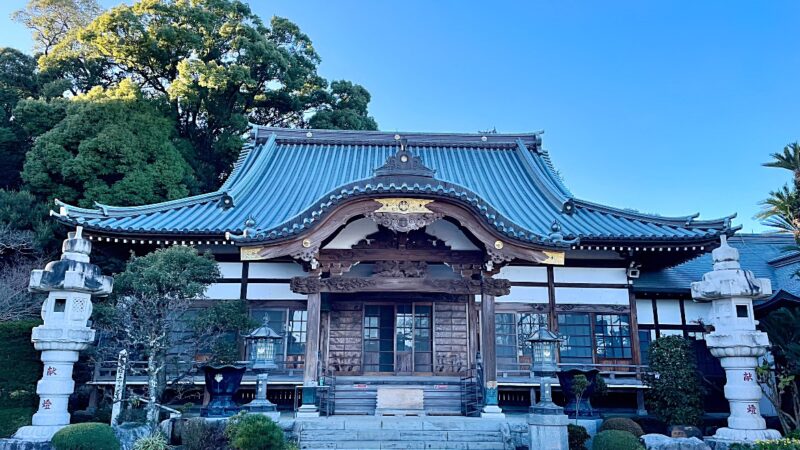
Aichi Prefecture is home to the Renkei-ji Temple Main Hall, which is registered on the Cultural Heritage Online website. This main hall is known as a large, dignified Shinshu Buddhist main hall built during the Edo period. ### Architectural Features
Structure:
- Nine bays in length, eight and a half bays in width
- Hip-and-gable roof with tiled roofing
- Three-bay portico
- Located in the southwest corner of the temple grounds, facing east
This main hall, while exhibiting the typical form of Shinshu Buddhist temple architecture, stands out for its scale and dignified style. As a building that embodies the pinnacle of Edo period temple architecture, it holds significant architectural historical value.
Renkei-ji Temple, Nikko City, Tochigi Prefecture
Connection to the Ashio Copper Mine
There is also a Renkei-ji Temple in Ashio-cho, Nikko City, Tochigi Prefecture. This temple is deeply connected to the history of Ashio, which once flourished as a copper mining town.
History
Ashio-cho prospered as one of Japan’s leading copper mining towns, but the Ashio Copper Mine closed at the end of February 1973. Subsequently, in 1975 (Showa 50), a branch temple of Renkeiji was established in Utsunomiya City, and currently, temple affairs are conducted in both Ashio Town and Utsunomiya City.
This temple can be considered a historical entity that has witnessed the prosperity and decline of the Ashio Copper Mine and the changes in the local community.
Renkeiji in Yamato City, Kanagawa Prefecture
There is also a Renkeiji in Yamato City, Kanagawa Prefecture. While there is limited information available regarding its detailed history and origins, it continues to function as a local temple.
Location: Yamato City, Kanagawa Prefecture
Points to Note When Visiting Renkeiji
Visiting Manners
When visiting Renkeiji temples in various locations, please observe the following basic visiting manners:
- Bow at the Temple Gate: Bow before entering the temple grounds.
- Be Quiet: Act quietly within the temple grounds and be considerate of other visitors.
- Photography: Permission may be required to photograph the interior of the main hall or Buddha statues. Please check in advance.
- Attire: Modest, understated clothing is preferred.
- Offering: It is customary to offer a monetary donation or offering when visiting a temple.
Best Season for Visiting
- Renkei-ji Temple in Ito City: The cherry blossom season in March is especially recommended.
- Renkei-ji Temple in Chofu City: Spring and autumn are recommended for a more peaceful viewing of the cultural property.
- Other Renkei-ji Temples: Visits are possible throughout the year, but it is advisable to check the schedule of memorial services and events in advance.
Cultural Value of Renkei-ji Temples
Importance in Local History
Renkei-ji temples in various locations embody the history of their respective regions. Renkei-ji Temple in Chofu City represents the post town culture along the Koshu Kaido road, Renkei-ji Temple in Ito City tells the story of Nichiren Shonin’s persecution and the faith of the common people, and Renkei-ji Temple in Ashio tells the story of the rise and fall of a mining town.
Architectural Historical Value
The main hall, in particular, which is designated as a cultural property, is a valuable building that conveys the temple architecture techniques of the Edo period. Traditional architectural techniques such as the use of concrete brackets, the Shoin-zukuri style, and the irimoya-zukuri tiled roof demonstrate the beauty and functionality of Japanese architecture.
Art Historical Value
Many temples preserve valuable Buddhist art objects, such as the seated statue of Nichiren Shonin from the Muromachi period, housed at Renkei-ji Temple in Chofu City. These are studied not only for their religious significance but also as important materials from an art historical perspective.
Renkei-ji Temple and the Nichiren Sect
Characteristics of the Nichiren Sect
The Nichiren sect, to which many Renkei-ji temples belong, is a Buddhist sect founded by the Kamakura period monk Nichiren (1222-1282). Its faith centers on chanting the mantra “Namu Myoho Renge Kyo,” and it considers the Lotus Sutra to be the supreme scripture.
Relationship with Ikegami Honmonji Temple
Ikegami Honmonji Temple, the former head temple of Renkeiji Temple in Chofu City, is a major head temple of the Nichiren sect, built on the site of the death of Nichiren Shonin. Temples belonging to the Ikegami-Kagurazaka lineage form a network of faith centered around this head temple.
Attractions around Renkeiji Temple
Around Chofu City
When visiting Renkeiji Temple in Chofu City, you can also explore the historical scenery along the Koshu Kaido road and other temples such as Jindaiji Temple. Chofu City, while within Tokyo, is a charming area where rich nature and historical buildings harmonize.
Around Ito City
The Kawana district, where Renkeiji Temple is located in Ito City, is an area with a beautiful coastline along the Izu Peninsula. Tourist facilities such as Michi-no-Eki Ito Marine Town are nearby, making it a convenient place to visit in conjunction with sightseeing in Ito City, which is also famous for its hot springs.
The Modern Significance of Renkeiji Temple
Center of the Local Community
Even in modern times, Renkeiji Temple functions as a spiritual pillar of the local community. Through Buddhist services and annual events, it serves as a place for interaction among local residents and contributes to the transmission of traditional culture.
Cultural Property Protection
Renkeiji Temples throughout Japan also play a role in protecting and passing on valuable cultural properties. They strive to preserve not only tangible cultural properties such as buildings and Buddhist statues, but also intangible cultural properties such as religious rituals and annual events.
Value as a Tourism Resource
Temples like Renkeiji Temple in Ito City, which attract tourists as a famous cherry blossom viewing spot, contribute to the promotion of local tourism. The space, where historical value and natural beauty are fused, offers modern people opportunities for healing and learning.
Summary
Temples bearing the name Renkeiji are scattered throughout Japan, each possessing its own unique history and cultural value. Renkei-ji Temple in Chofu City, Tokyo, houses cultural treasures such as a seated statue of Nichiren Shonin from the Muromachi period and a main hall from the Edo period, forming a historical landscape along the Koshu Kaido road. Renkei-ji Temple in Ito City, Shizuoka Prefecture, tells the moving story of Nichiren Shonin and Funamori Yasaburo, and captivates visitors with its beautiful weeping cherry blossoms.
Renkei-ji Temple in Aichi Prefecture, as a temple of the Shinshu Otani sect, and with its dignified architecture, demonstrates the value of different sects and architectural styles. Renkei-ji Temple in Tochigi Prefecture is a witness to local history, having walked hand in hand with the history of the Ashio Copper Mine.
Visiting these Renkei-ji Temples allows you to experience Japan’s religious history, architectural history, and local history. Understanding the unique charm and value of each temple and visiting with proper etiquette will lead to a deeper cultural experience. As historical temples and centers of local communities, Renkei-ji Temples will continue to play an important role in the future.