Complete Guide to Igusa Hachimangu Shrine (Tokyo) | History, Goshuin (Shrine Seals), Access, and Highlights Explained in Detail
Igusa Hachimangu Shrine is a historic Hachiman shrine located in Zenpukuji, Suginami Ward, Tokyo. Boasting one of the largest grounds in Tokyo, it is a venerable shrine with a long history, including a legend of Minamoto no Yoritomo praying for victory there. It is cherished as the local guardian shrine and is a specially designated shrine, attracting many visitors.
This article provides a detailed explanation of everything you need to know before visiting Igusa Hachimangu Shrine, including its history, enshrined deities, highlights within the grounds, goshuin information, and access methods.
Overview of Igusa Hachimangu Shrine
Igusa Hachimangu Shrine is located near the intersection of Ome Kaido and Waseda Dori, boasting a vast site of approximately 10,000 tsubo (approximately 33,000 square meters). This shrine is said to be the fourth largest among shrines in Tokyo, and its grounds, surrounded by lush greenery, offer a tranquil space that makes you forget the hustle and bustle of the city.
Before the war, it was a local shrine, and after the war, it was designated a special shrine by the Association of Shinto Shrines. It is one of the representative shrines of Suginami Ward and attracts the faith of the local community. Its location near the source of the Zenpukuji River also speaks to the long history of people living in this area.
Basic Information
- Location: 1-33-1 Zenpukuji, Suginami-ku, Tokyo
- Shrine Rank: Special Shrine (Former Village Shrine)
- Annual Festival Date: First Sunday of October (Autumn Grand Festival)
- Phone Number: 03-3399-8133
- Visiting Hours: Grounds are freely accessible (Shrine office is usually open from 9:00 to 17:00)
History of Igusa Hachimangu Shrine
The history of Igusa Hachimangu Shrine is ancient, dating back to the late Heian period. Unraveling the history of this shrine reveals the faith of the Kanto samurai and the story of regional development.
A Sacred Site Since the Jomon Period
Archaeological investigations have confirmed that the area where Igusa Hachimangu Shrine is located has been inhabited by people since the Jomon period. It is believed that this land held special significance for people from ancient times and was an object of nature worship.
Founding as a Kasuga Shrine
The shrine’s formal structure is believed to have been established in the late Heian period. Initially founded as a Kasuga Shrine (Kasuga Gongen), it enshrined deities invited from Kasuga Taisha in Nara. During this period, many shrines in the Kanto region invited the Kasuga deities, the tutelary deities of the Fujiwara clan.
Minamoto no Yoritomo and the Shift to Hachiman Worship
The most important turning point in the history of Igusa Hachiman Shrine was the visit of Minamoto no Yoritomo in 1186. On his way to conquer Oshu (to subdue Fujiwara no Yasuhira), Yoritomo stopped at this place and prayed for victory.
After this prayer, Yoritomo successfully pacified Oshu and is said to have ordered that Hachiman Daishin be enshrined as the principal deity. Since then, the shrine has become a Hachiman Shrine, dedicated to the god of war, and has attracted the reverence of the warrior class.
The Era of Osonoi Hachimangu Shrine
Until the Meiji era, it was called “Osonoi Hachimangu Shrine.” There is a legend that the place name “Osonoi” was given by Minamoto no Yoritomo, and it has long been used as an old local name. Throughout the Middle Ages, it was deeply revered as a god of war by the warlords of the Kanto region.
In particular, there are records that Ota Dokan, a warlord of the Muromachi period, prayed for victory at this shrine before his battle against the Toshima clan. Thus, Igusa Hachimangu Shrine played an important role as a spiritual pillar for the Kanto samurai.
Development in the Modern Era
After the separation of Shinto and Buddhism in the Meiji era, it officially became known as “Igusa Hachimangu Shrine.” Before the war, it established itself as a central shrine in the region as a local shrine, and after the war, it became a special shrine belonging to the Association of Shinto Shrines.
Even today, it attracts the faith of many people as an important cultural property and historical heritage of Suginami Ward, and as the local guardian deity.
Deities and Divine Virtues
Main Deity
The main deity of Igusa Hachimangu Shrine is Hachiman-Ōkami. Hachiman-Ōkami is a collective term for the following three deities:
- Emperor Ōjin – The 15th Emperor
- Hime-Ōkami – One of the Munakata Three Goddesses
- Empress Jingū – Mother of Emperor Ōjin
Hachiman-shin is known as a god of war and victory, and has been deeply revered by samurai families, including the Minamoto clan.
Divine Virtues (Benefits)
The main divine virtues you can receive at Igusa Hachimangu Shrine are as follows:
- Good Fortune and Victory: Inspired by the story of Minamoto no Yoritomo’s prayer for victory in battle, this is for success in competitions such as exams, job hunting, and sports.
- Protection from Misfortune and Good Fortune: This is for warding off misfortune at turning points in life and bringing good fortune.
- Family Safety: This is for the health and peaceful life of your family.
- Traffic Safety: This is for safe travel and a smooth journey.
- Safe Childbirth: This is for the protection of safe childbirth and child-rearing, inspired by Empress Jingu.
- Business Prosperity: This is for the development and prosperity of your business.
Highlights of the Shrine Grounds
The grounds of Igusa Hachimangu Shrine offer many spots where you can enjoy historical buildings and the beauty of nature.
Approach and Torii Gate
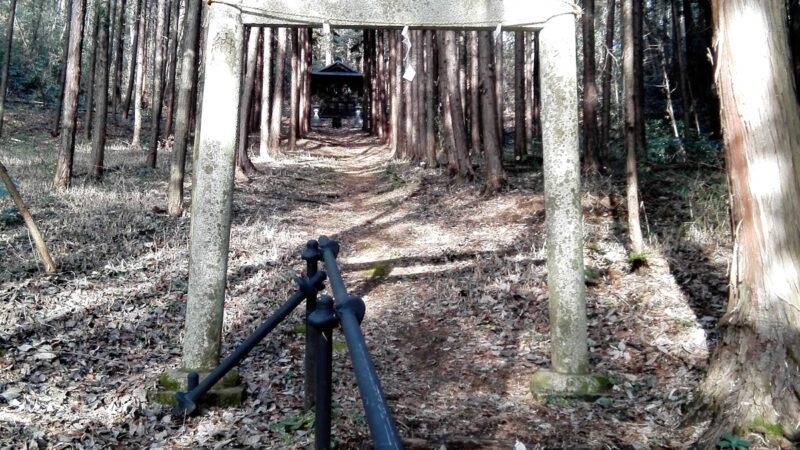
The approach extends from both the Ome Kaido side and the Waseda Dori side, allowing access to the shrine grounds from either direction. Passing through the torii gate, you enter a tranquil space, far removed from the hustle and bustle of the city.
The approach to the shrine is surrounded by trees, and the air is especially refreshing in the mornings. Local residents clean the grounds daily, ensuring they are always spotlessly clean.
Worship Hall and Main Shrine
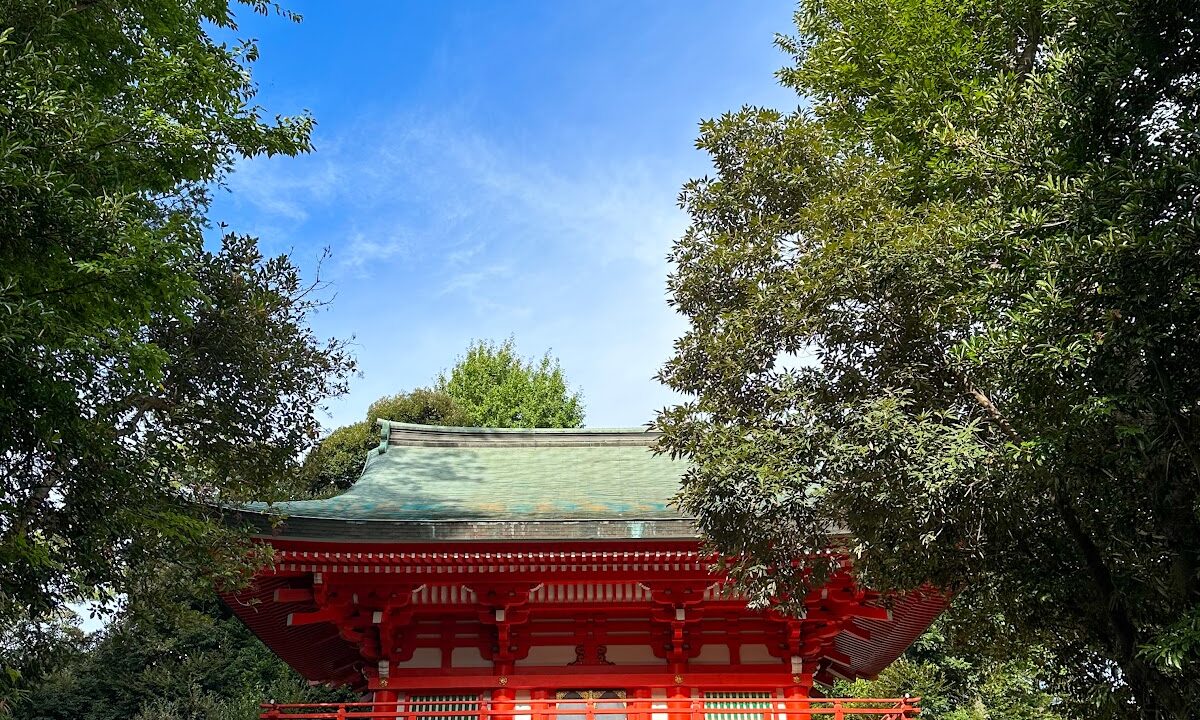
The current shrine buildings were rebuilt after the war, but they retain a majestic appearance, following the traditional style of shrine architecture. A spacious area in front of the worship hall is bustling with many worshippers during the annual festival.
Vast Shrine Grove
The most distinctive feature of Igusa Hachimangu Shrine is its rich natural forest, a stark contrast to its location within Tokyo. The approximately 10,000-tsubo (about 33,000 square meters) grounds are home to towering trees such as zelkova, chinquapin, and camphor, creating an urban oasis.
This shrine grove is protected as a valuable green space in Suginami Ward and is home to many wild birds. You can enjoy the changing seasons, and the beauty is particularly striking during the fresh green season and the autumn foliage season. ### Shrines within the Precincts
In addition to the main shrine, several smaller shrines are enshrined within the precincts:
- Inari Shrine: Deity of business prosperity and abundant harvests
- Tenso Shrine: Dedicated to Amaterasu Omikami
- Sanpo Kojin Shrine: Deity of the kitchen
Each of these shrines has its own history and has embraced the diverse beliefs of the local people.
Water Basin
A water basin for purification before worship is also provided. Please purify your hands and mouth according to the proper etiquette before worshipping.
Annual Festivals and Events
Igusa Hachimangu Shrine holds various festivals throughout the year.
Autumn Grand Festival
This is the most important festival, held annually on the first Sunday of October (or around that date). A portable shrine procession and offering ceremonies take place, attracting many parishioners and worshippers. It is an important opportunity to pass on the region’s traditional culture.
Other Major Events
- New Year’s Day Festival (January 1st): A festival celebrating the New Year
- Setsubun Festival (around February 3rd): Events such as bean-throwing
- Summer Purification Ceremony (June 30th): A Shinto ritual to purify oneself of the impurities accumulated over the past six months
- Shichi-Go-San Festival (November): A celebration of children’s growth
- Year-End Purification Ceremony (December 31st): A Shinto ritual to purify oneself of the impurities accumulated over the past year
Goshuin (Shrine Seal) and Amulet Information
Goshuin (Shrine Seal)
Igusa Hachimangu Shrine offers Goshuin. Applications can be made during the shrine office’s reception hours (usually around 9:00 AM to 5:00 PM).
The Goshuin features the calligraphy and red seal of “Igusa Hachimangu Shrine,” serving as a memento of your visit. For those who do not have a Goshuincho (shrine seal book), our original Goshuincho are also available.
Amulets and Souvenirs
Igusa Hachimangu Shrine offers a variety of amulets and souvenirs:
- Victory Amulet: For success in exams, competitions, and other competitive situations
- Exorcism Amulet: For those in their unlucky year or those seeking protection from misfortune
- Traffic Safety Amulet: For safe driving and cycling
- Safe Childbirth Amulet: For pregnant women seeking a safe delivery
- Health Amulet: For recovery from illness and improved health
- Academic Success Amulet: For academic success and passing exams
Other items such as protective arrows and rakes are also available depending on the season.
About Prayers
Igusa Hachimangu Shrine accepts various prayers.
Main Types of Prayers
- First Shrine Visit (Omiyamairi)
- Shichi-Go-San Ceremony
- Exorcism Prayer
- Safe Childbirth Prayer
- Traffic Safety Prayer
- Family Safety Prayer
- Business Prosperity Prayer
- Success in Exams/Academic Achievement Prayer
- Recovery from Illness
- Groundbreaking Ceremony/Roof-Raising Ceremony
How to Apply
If you wish to have a prayer performed, you can inquire by phone in advance or apply at the shrine office on the day of your visit. There are times when reservations are recommended (such as the Shichi-Go-San season), so we recommend checking in advance.
Access
Access to Igusa Hachimangu Shrine is generally by train and bus, or on foot.
Access by Train
If using the Seibu Shinjuku Line
- Approximately 12 minutes on foot from Kami-Igusa Station (South Exit)
- Approximately 17 minutes on foot from Kami-Shakujii Station
If using the JR Chuo Line
Taking a bus from Ogikubo Station or Nishi-Ogikubo Station is convenient.
Access by Bus
From Ogikubo Station
- Kanto Bus: Get off at the “Igusa Hachiman” bus stop (Ogi 14 line)
- Kanto Bus: Get off at the “Igusa Hachiman” bus stop (Ogi 15 line)
From Nishi-Ogikubo Station
- Kanto Bus: Get off at the “Igusa Hachiman” bus stop (Nishi 02 line)
The “Igusa Hachiman” bus stop is right in front of the shrine, making it very convenient.
Access by Car
Accessible via Ome-kaido or Waseda-dori. However, parking space is limited, so during busy periods such as festivals, we recommend using public transportation.
Address: 1-33-1 Zenpukuji, Suginami-ku, Tokyo (for car navigation settings)
Parking
There is a parking lot for visitors on the shrine grounds, but the number of spaces is limited. It often becomes full during busy periods such as New Year’s Day and annual festivals, so please allow ample time for your visit or consider using public transportation.
Parishioning Area
Igusa Hachimangu Shrine is revered as the guardian deity of a wide area of Suginami Ward. The main parishioning areas are as follows:
- All of Zenpukuji
- All of Imagawa
- Part of Momoi
- Part of Kami-Ogi
- Part of Shimizu
- Part of Shimo-Igusa
For residents of these areas, Igusa Hachimangu Shrine is a guardian deity deeply connected to their lives, and an important shrine they visit at important milestones in their lives.
Nearby Attractions
When visiting Igusa Hachimangu Shrine, you can also visit nearby tourist spots.
Zenpukuji Park
This is a metropolitan park centered around Zenpukuji Pond, the source of the Zenpukuji River. It’s within walking distance of Igusa Hachimangu Shrine, offering a pleasant natural environment for strolling. The pond is home to waterfowl such as ducks, and the scenery changes with the seasons.
Zenpukuji River Green Space
This green space along the Zenpukuji River is popular with people enjoying walking and jogging. It’s also known as a cherry blossom viewing spot, with magnificent rows of cherry trees in spring.
Around Ome-kaido and Waseda-dori
Igusa Hachimangu Shrine is located near the intersection of Ome-kaido and Waseda-dori, and there are many restaurants and cafes in the surrounding area. You can enjoy a meal or a rest after visiting the shrine.
Manners and Points for Visiting a Shrine
Basic Worship Etiquette
- Bow before passing through the torii gate: This is a sign of respect before entering the sacred area.
- Walk along the edge of the path: The center is considered the path of the gods.
- Purify yourself at the water basin: Left hand → Right hand → Mouth → Handle of left hand in that order.
- Worship at the main hall: Two bows, two claps, one bow is the basic form.
Suitable Time for Visiting
Visiting early in the morning is especially refreshing, allowing you to worship slowly in a quiet atmosphere. You can also see local people cleaning the grounds in the morning, giving you a sense of the daily life of the shrine.
Attire
For regular visits, no special attire is required. However, if you are receiving a prayer, somewhat formal attire is desirable.
Photography
Photography is generally permitted on the shrine grounds, but it may be restricted inside the main hall or during Shinto rituals. If you are unsure, please check with the shrine office.
Cultural Properties and Characteristics of Igusa Hachimangu Shrine
Cultural Properties of Suginami Ward
Some of the grounds and possessions of Igusa Hachimangu Shrine are designated as cultural properties of Suginami Ward. The vast shrine forest is protected as an important green space in the ward, providing a valuable natural environment in the increasingly urbanized Suginami Ward.
One of the Largest Grounds in Tokyo
At approximately 10,000 tsubo (about 33,000 square meters), it is the fourth largest shrine grounds in Tokyo, after Meiji Jingu, Yasukuni Shrine, and Hie Shrine. This vast grounds offer a valuable space where one can experience rich nature despite being in the city.
Center of the Local Community
Igusa Hachimangu Shrine is not merely a religious facility; it also functions as a center of the local community. Annual events, including the festival, serve as a place for local residents to gather and interact, playing a role in deepening community bonds.
Summary: The Charm of Igusa Hachimangu Shrine
Igusa Hachimangu Shrine boasts a long history dating back to the late Heian period and is a shrine that tells the important historical story of Minamoto no Yoritomo’s prayer for victory in battle. Its vast grounds, one of the largest in Tokyo, and lush forest provide a tranquil oasis in the city, offering peace and solace to visitors.
With Hachiman-Okami as its principal deity, the shrine offers various divine blessings, including good fortune and protection from evil, attracting many people at various milestones in their lives. As a local guardian shrine and a historically significant shrine, it will undoubtedly continue to attract the faith of many.
Despite its convenient location near the intersection of major roads, Ome Kaido and Waseda-dori, Igusa Hachimangu Shrine offers a tranquil space once you step inside. If you have the opportunity to visit Tokyo or Suginami Ward, be sure to stop by. You will experience a unique atmosphere woven from history, nature, and the faith of the local people.