Shinagawa Shrine (Tokyo) Complete Guide | History, Blessings, Access, and Highlights Explained in Detail
Shinagawa Shrine is a venerable shrine located in Kita-Shinagawa, Shinagawa Ward, Tokyo, boasting a history of over 830 years. Said to have been founded by Minamoto no Yoritomo, it is one of the Ten Shrines of Tokyo and a shrine dedicated to Daikokuten, one of the Seven Lucky Gods of the Tokai region, attracting many worshippers from both Japan and abroad. This article provides a detailed explanation of everything you need to know before visiting Shinagawa Shrine, including its history, enshrined deities and blessings, highlights within the grounds, annual festivals, and access methods.
Basic Information on Shinagawa Shrine
Shinagawa Shrine is built on a lush green hill overlooking Dai-ichi Keihin (National Highway 1), and has been cherished by the local people as the guardian shrine of Shinagawa-juku (Shinagawa post town).
Location: 3-7-15 Kitashinagawa, Shinagawa-ku, Tokyo
Phone: 03-3474-5575
Shrine Rank: Former Quasi-Imperial Shrine, One of the Ten Shrines of Tokyo
Main Deity: Ame-no-Hirino-Me-no-Mikoto
Official Website: https://shinagawajinja.tokyo/
Shinagawa Shrine was designated a Quasi-Imperial Shrine by Emperor Meiji and holds an important position as one of the Ten Shrines of Tokyo, protecting Tokyo centered around the Imperial Palace. Many visitors undertake the Tokyo Ten Shrine pilgrimage, and it remains a popular destination along with the other nine shrines.
History of Shinagawa Shrine
Founding and Invitation by Minamoto no Yoritomo
Shinagawa Shrine was founded in 1187 (Bunji 3), during the reign of Emperor Go-Toba. The shrine’s origins trace back to Minamoto no Yoritomo, who invited Amenohirinomikoto from Suzaki Myojin in Awa Province (present-day Tateyama City, Chiba Prefecture) to serve as a guardian deity for maritime safety and the fulfillment of prayers, and named it “Shinagawa Daimyojin.”
At that time, Shinagawa was a crucial point for maritime traffic on the Tokaido road, and for Minamoto no Yoritomo, who founded the Kamakura Shogunate, praying for maritime safety was extremely important. This historical background explains why Shinagawa Shrine is revered as a guardian deity for maritime safety.
The Hojo Clan and the Invitation of the Guardian Deity of Industry
In 1319 (Gen’ō 1), Nikaidō Sadafuji (Dōun), a retainer of Hojo Takatoki, the regent of the Kamakura Shogunate, invited Uganome-no-Mikoto as a guardian deity of industry and named the shrine grounds “Yoshihataoka.” From this period onward, Shinagawa Shrine began to attract worshippers as a deity of commerce, agriculture, and industrial prosperity.
Tokugawa Ieyasu and the Development of Shinagawa-juku
During the Edo period, Tokugawa Ieyasu improved the Tokaido road, and Shinagawa-juku flourished as the first post town on the Tokaido. Shinagawa Shrine, as the guardian shrine of Shinagawa-juku, attracted many worshippers along with the prosperity of the post town. Throughout the Edo period, it was a popular place for travelers and merchants to pray for safe journeys.
After the Meiji Era
In 1868 (Meiji 1), during Emperor Meiji’s journey to the east, it was designated a quasi-imperial shrine, establishing its position as an important shrine praying for the protection of Tokyo and the safety of the Imperial Family. Later, it was selected as one of the Ten Shrines of Tokyo, and to this day, it is revered by many people as one of Tokyo’s representative shrines.
The current name, “Shinagawa Shrine,” was changed from the former “Shinagawa Daimyojin,” and it conveys the history and traditions of the region to the present day.
Deities and Benefits
Shinagawa Shrine enshrines three deities, each offering different benefits.
Main Deities
Ame-no-Hirino-Me-no-Mikoto
This main deity was invited from Suzaki Myojin in Awa Province and is revered as the guardian deity of maritime safety and the fulfillment of prayers. As a god who protects safe voyages, she is believed to offer benefits for general traffic safety even today.
Uganome-no-Mikoto
Also known as “O-Inari-sama,” she is the guardian deity of agricultural, commercial, and industrial prosperity. She is believed to bring benefits of abundant harvests, business success, and increased wealth, attracting many worshippers seeking business success.
Susanoo-no-Mikoto
Known as the god who protects against wind and flood disasters and epidemics, she offers benefits for warding off evil and healing illnesses. He is a heroic deity in Japanese mythology and is believed to possess powerful protective abilities.
Main Benefits
- Traffic Safety/Travel Safety: Due to its history as a guardian deity of maritime traffic safety.
- Business Prosperity/Increased Wealth: Due to the protective power of Uganome-no-Mikoto for industry.
- Fulfillment of Prayers: The power to grant all wishes.
- Protection from Evil/Healing from Illness: Due to the powerful protective power of Susanoo-no-Mikoto.
- Family Safety: Due to its role as a guardian deity of the region.
Highlights of the Shrine Grounds
The grounds of Shinagawa Shrine contain many historically valuable buildings and unique power spots.
Twin Dragon Torii Gate
The first thing you’ll see when visiting Shinagawa Shrine is the stone torii gate facing Dai-ichi Keihin (National Highway 1). The pillars on either side of this gate are adorned with intricately carved ascending and descending dragons, making it famous as the “Twin Dragon Torii Gate.” This torii gate, adorned with rare dragon carvings, attracts the attention of worshippers, even within Tokyo.
These twin dragons are associated with dragon deity worship, depicting a dragon ascending to heaven and descending to earth. When passing through the torii gate, be sure to admire these magnificent dragon carvings up close.
53 Stone Steps
After passing through the twin-dragon torii gate, you’ll find 53 stone steps leading to the main shrine. These steps are said to have been built in honor of the 53 stations of the Tokaido road, symbolizing the historical connection between Shinagawa-juku and the Tokaido.
During the annual festival, the “Mikoshi Togyo” (portable shrine procession) takes place, with the portable shrine (mikoshi) bravely ascending and descending these steep steps, drawing large crowds of spectators. After climbing all 53 steps, a lush, green shrine grounds unfold, offering a tranquil space that makes you forget the hustle and bustle of the city.
Shinagawa Fuji (Fujizuka)
On the north side of the temple grounds is a Fujizuka, also known as “Shinagawa Fuji.” A Fujizuka is an artificial mountain built to resemble Mount Fuji. During the Edo period, when Fuji worship became popular, these were built in various locations for people who could not actually climb Mount Fuji.
Shinagawa Fuji was constructed in 1819 (Bunsei 2), and at approximately 15 meters tall, it is the largest Fujizuka in Shinagawa Ward. An Asama Shrine is enshrined at the summit, and it is believed that climbing it brings the same blessings as climbing Mount Fuji. Many worshippers visit during the mountain’s opening in July to enjoy climbing the Fujizuka.
The Fujizuka was constructed using lava transported from the actual Mount Fuji, and stone markers marking the climbing path from the first to the tenth station are installed. It’s a valuable spot where you can easily experience “climbing Mount Fuji” within Tokyo.
Ichiryu Manbai no Izumi (Spring of One Grain, Ten Thousandfold Harvest)
Beside the Ana Inari Shrine within the temple grounds, a sacred spring called “Ichiryu Manbai no Izumi” (Spring of One Grain, Ten Thousandfold Harvest) gushes forth. This sacred water symbolizes the idea that one grain of rice can yield ten thousandfold, and is believed to bring good fortune in wealth and business prosperity.
Worshippers believe that washing their money in this sacred water and taking it home in their wallets will increase their financial luck. Some people also wash their seals and lottery tickets here, making it a popular power spot for financial luck.
Ana Inari Shrine (Lower Shrine)
Ana Inari Shrine, one of the shrines within the grounds, is also known as the “Lower Shrine” and is revered as a deity of business prosperity and increased wealth. The approach lined with vermilion torii gates creates a beautiful landscape reminiscent of Fushimi Inari Taisha in Kyoto.
The name “Ana” in Ana Inari Shrine is said to mean “above” in Sanskrit, and is known as a name symbolizing rising fortune.
Daikokuten Shrine (Tokai Seven Lucky Gods)
Shinagawa Shrine enshrines Daikokuten, one of the Tokai Seven Lucky Gods. Daikokuten is known as the god of good fortune and wealth, and is believed to bring prosperity in business and abundant harvests.
The Tokai Seven Lucky Gods pilgrimage is a popular pilgrimage for good fortune, visiting seven temples and shrines in Shinagawa Ward. During the New Year, many worshippers visit seeking Seven Lucky Gods commemorative paper and Goshuin (temple/shrine stamps). The Daikokuten at Shinagawa Shrine is characterized by its smiling face and is believed to bestow good fortune upon worshippers.
Itagaki Taisuke’s Grave
Within the grounds of Shinagawa Shrine is the grave of Itagaki Taisuke, a politician from the Meiji era. Itagaki Taisuke was a leader of the Freedom and People’s Rights Movement, known for his famous quote, “Even if Itagaki dies, freedom will not die.” Itagaki Taisuke had a villa in Shinagawa and had close ties to Shinagawa Shrine, which is why his tomb was established here. For history buffs, this is a must-see spot.
Main Hall and Shrine Buildings
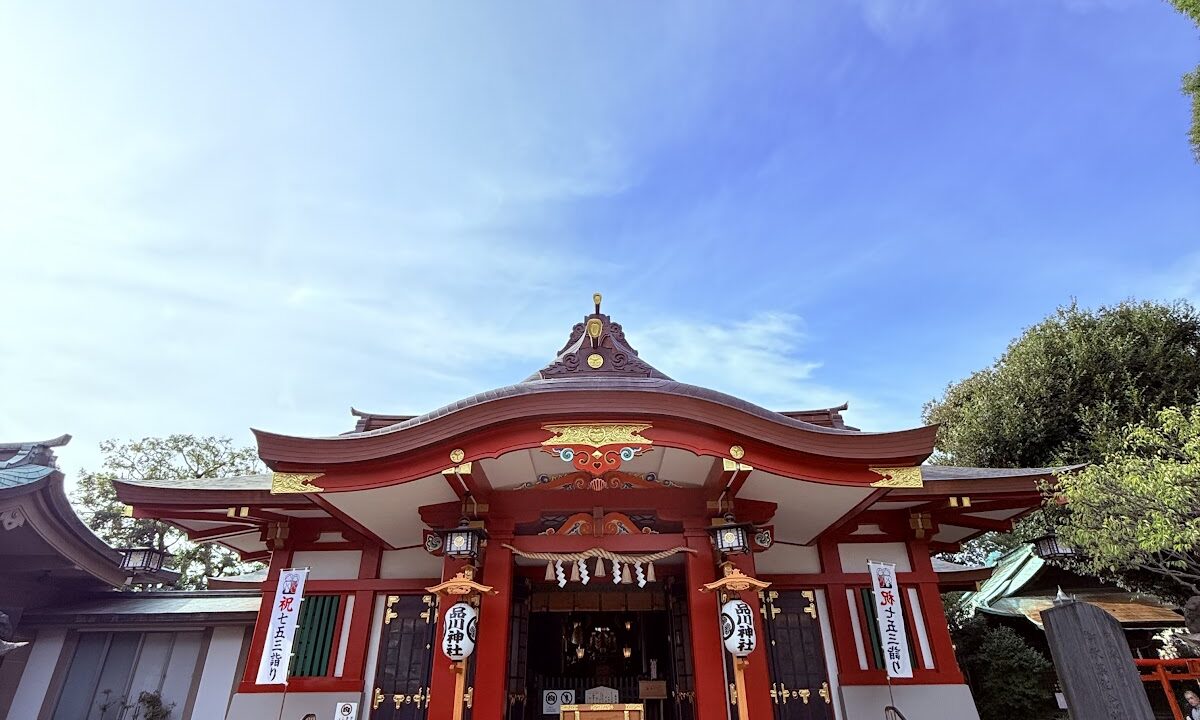
The main hall of Shinagawa Shrine is built in the traditional style of Shinagawa shrine architecture, creating a solemn atmosphere. In front of the main hall is the worship hall, where visitors offer their prayers.
Around the shrine buildings stand towering trees, some hundreds of years old, creating a sacred atmosphere. Despite being in the heart of the city, Shinagawa Shrine maintains a tranquil and peaceful ambiance, which is part of its charm.
Annual Festival (Kita no Tenno Matsuri)
The annual festival of Shinagawa Shrine is held in early June every year and is known as the “Kita no Tenno Matsuri.” This festival is an important event that preserves the traditions of Shinagawa-juku and attracts many visitors.
Highlights of the Grand Festival
Mikoshi Procession
The biggest highlight of the Grand Festival is the “Mikoshi Procession,” where the portable shrine (mikoshi) is carried up and down 53 steep stone steps. The sight of the bearers working together to carry the approximately 1-ton mikoshi is breathtaking, drawing loud cheers from the worshippers.
Daidai Kagura
The Shinagawa Shrine Daidai Kagura is designated as a Tokyo Metropolitan Intangible Folk Cultural Property and is performed at the Grand Festival. This traditional performing art, passed down from the Edo period, features dancers wearing kagura masks portraying mythological stories.
Stalls and Lively Atmosphere
During the Grand Festival, numerous stalls line the shrine grounds and surrounding areas, adding to the festive atmosphere. It’s a valuable opportunity for local residents and tourists alike to enjoy Shinagawa’s traditional culture.
Annual Festival Schedule
The annual festival is held for three days, from Friday to Sunday in early June each year. The specific dates vary from year to year, so it is recommended to check the official website before visiting.
Main Cultural Properties and Treasures
Shinagawa Shrine houses numerous cultural properties of high historical value.
Tenkaichiname no Men (The Mask of the World’s Best)
Known as a treasure of Shinagawa Shrine, the “Tenkaichiname no Men” is a Kagura mask made during the Edo period and designated as a Shinagawa Ward Designated Tangible Cultural Property. This valuable mask, bearing the inscription “Tenkaichi” (World’s Best), is used in the Taidai Kagura (a type of Shinto ritual dance).
Mikoshi (Portable Shrine)
The mikoshi used in the annual festival is also a treasure of high historical value. Passed down from the Edo period, the mikoshi features elaborate decorations, demonstrating the high level of craftsmanship of Shinagawa artisans.
Shinagawa Shrine Taidai Kagura
The Shinagawa Shrine Taidai Kagura, designated as a Tokyo Metropolitan Intangible Folk Cultural Property, is a valuable folk performing art that has been passed down since the Edo period. Kagura is a traditional event in which gods are entertained by performing stories from mythology, and prayers are offered for a bountiful harvest and peace.
Ancient Documents and Records
Shinagawa Shrine houses ancient documents that record its history since its founding, as well as donation documents from the Tokugawa shogunate. These materials are important historical sources for the study of Shinagawa’s history.
Access
Access to Shinagawa Shrine is very convenient, and multiple modes of transportation are available.
Access by Train
Keikyu Line (Keihin Electric Express Railway)
- Approximately 3 minutes on foot from Shinbaba Station North Exit (nearest station)
- One stop from Shinagawa Station, approximately 2 minutes
Shinbaba Station is the nearest station to Shinagawa Shrine. Upon exiting the North Exit, you can see the shrine’s torii gate along Dai-ichi Keihin Avenue. It’s very close to the station, so you can arrive without getting lost.
JR East
- Approximately 15 minutes on foot from Shinagawa Station Takanawa Exit (West Exit)
- Shinagawa Station is a major station where the Shinkansen also stops, making it convenient for access from far away.
The route involves walking north along Dai-ichi Keihin from Shinagawa Station towards Shinbaba. Along the way, you can enjoy a stroll through the historical streets of Shinagawa-juku.
Access by Bus
Toei Buses and Tokyu Buses operate from Shinagawa Station and Gotanda Station. Get off at the “Shinbaba-ekimae” bus stop and it’s about a 3-minute walk.
Access by Car
Metropolitan Expressway
- Approximately 10 minutes from the Shibaura Exit of the Metropolitan Expressway Route 1 Haneda Line
- Approximately 10 minutes from the Togoshi Exit of the Metropolitan Expressway Route 2 Meguro Line
Parking
Shinagawa Shrine has a parking lot for visitors, but spaces are limited, so we recommend using public transportation. There are coin-operated parking lots nearby, but they often fill up during peak times such as the annual festival, so please be aware of this.
Nearby Tourist Attractions
The following tourist attractions are located near Shinagawa Shrine:
- Shinagawa-shuku Honjin Site: A historical site that retains the atmosphere of a post town from the Edo period
- Shinagawa-dera Temple: A temple dedicated to Bishamonten, one of the Seven Lucky Gods of Tokai
- Shinagawa Aquarium: A popular aquarium for families
- Gotenyama Garden: A Japanese garden where you can enjoy nature in all four seasons
We recommend a sightseeing plan that includes visiting these spots before or after visiting Shinagawa Shrine.
Manners and Precautions for Visiting
Here are some manners and precautions to keep in mind when visiting Shinagawa Shrine.
Visiting Hours
- Entry to the shrine grounds is generally free (24 hours)
- Shrine office hours: 9:00 AM to approximately 5:00 PM
- Goshuin (shrine stamps) and amulets are available only during shrine office hours
Proper Worship Etiquette
- Bow before passing through the torii gate
- Cleanse your hands and mouth at the water basin
- Place your offering in front of the main hall
- Worship with two bows, two claps, and one bow
- Don’t forget to visit the subsidiary shrines within the grounds
Photography
- Photography is generally permitted within the shrine grounds
- Photography inside the main hall or during festivals may be restricted
- Please be considerate of other worshippers
Dress Code
- There are no specific dress code requirements, but please dress appropriately as this is a sacred place
- Formal attire is desirable during special festivals such as the annual grand festival
Other Points to Note
- The 53 stone steps are steep, so please watch your step
- Climbing the Fujizuka (miniature Mount Fuji) can be slippery in places, so wear comfortable shoes.
- During the summer, the sun is strong, so bringing a hat or parasol is recommended.
Goshuin (Shrine Seals) and Amulets
Goshuin (Shrine Seals)
At Shinagawa Shrine, in addition to the regular goshuin, you can also receive goshuin for the Tokyo Ten Shrines pilgrimage and the Tokai Seven Lucky Gods (Daikokuten). Goshuin are available at the shrine office, and the offering fee is usually around 300 to 500 yen.
Shinagawa Shrine also sells original goshuin notebooks, and the beautiful notebooks featuring the twin dragon torii gate and Fujizuka are popular.
Amulets
Shinagawa Shrine offers amulets for various blessings.
- Traffic Safety Amulet: An amulet dedicated to the guardian deity of maritime traffic safety.
- Business Prosperity Amulet: An amulet bestowing the blessings of Uganome-no-Mikoto.
- Financial Fortune Amulet: An amulet for increasing financial fortune, inspired by the Ichiryu Manbai Spring.
- Exorcism Amulet: An amulet bestowing the power of Susanoo-no-Mikoto to ward off evil.
- Academic Success Amulet: Popular among students and those taking exams.
Amulets are available at the shrine office, and the offering fee varies depending on the type (approximately 500 to 1,000 yen).
Summary
Shinagawa Shrine is a historic shrine with a history of approximately 830 years, founded by Minamoto no Yoritomo, and is one of the Ten Shrines of Tokyo, beloved by many worshippers. Shinagawa Shrine offers a variety of blessings, including safety at sea, business prosperity, and protection from evil. It boasts numerous attractions, such as the twin dragon torii gate, the 53 stone steps, Shinagawa Fuji, and the Ichiryu Manbai spring.
Conveniently located just a 3-minute walk from Keikyu Shinbaba Station and within walking distance of Shinagawa Station, it’s easily accessible for a visit between sightseeing or business trips. During the annual festival in June, the “Kita no Tenno Matsuri,” you can witness the magnificent procession of portable shrines up and down the stone steps, experiencing Shinagawa’s traditional culture.
As part of a pilgrimage to the Ten Shrines of Tokyo or the Seven Lucky Gods of Tokai, or as a power spot to pray for financial fortune and business prosperity, we highly recommend visiting Shinagawa Shrine. Escape the hustle and bustle of the city and enjoy a precious time immersed in history and tradition.
When visiting Shinagawa Ward, we recommend adding a visit to Shinagawa Shrine to your itinerary. At this shrine with a long history dating back to Minamoto no Yoritomo, offer a peaceful prayer and gain renewed energy.