Complete Guide to Nariki Shrine (Ome City, Tokyo) | History, Deities, Access, and Goshuin Information
Nariki Shrine, located in the Nariki district of Ome City, Tokyo, is a historic shrine founded during the Sengoku period (Warring States period) by inviting the deity of Kumano Gongen from Kishu. As a valuable shrine that conveys the history of the Nishitama region, it enjoys deep reverence from local residents. This article comprehensively explains everything you need to know before visiting Nariki Shrine, including its detailed history, enshrined deities, highlights within the grounds, and visiting information.
Basic Information on Nariki Shrine
Nariki Shrine is located at 3-207 Nariki, Ome City, Tokyo, and is a shrine belonging to the Tokyo Metropolitan Shrine Association. As the central tutelary shrine of the Nariki district in northern Ome City, it has long been revered by the local people.
Location: 3-207 Nariki, Ome City, Tokyo
Shrine Rank: Village Shrine
Annual Festival Day: Second Sunday of October
Jurisdiction: Tokyo Metropolitan Shrine Association (Nishitama Branch)
The Nariki area is located in a mountainous region north of Ome city center, in a quiet environment surrounded by abundant nature. Forestry has flourished in this area since ancient times, and Nariki Shrine is deeply intertwined with the history of this region.
History and Origins of Nariki Shrine
Circumstances of Founding
Nariki Shrine is said to have been founded in the second year of the Genki era (1571). This year was in the midst of the Sengoku period (Warring States period), and the Kanto region was under the influence of the Later Hojo clan. It is believed that Kizaki Mimasaka, a local samurai who ruled this region at the time, invited the Kumano Gongen from Kishu (present-day Wakayama Prefecture) and constructed the shrine building.
Kumano Gongen is a collective term for the deities of the Kumano Sanzan (Kumano Hongu Taisha, Kumano Hayatama Taisha, and Kumano Nachi Taisha), and has been known as a sacred site for Shugendo (mountain asceticism) since ancient times. The reason why Kizaki Mimasa invited the deities from the distant Kishu region is thought to be related to the spread of Kumano faith at the time and its connection to Shugendo. During the Sengoku period (Warring States period), Kumano faith flourished in various regions and was widely accepted by the samurai class.
Relationship with the Later Hojo Clan
At the time of its founding, the Nariki region was under the control of the Later Hojo clan. The Later Hojo clan was a powerful daimyo (feudal lord) based in Odawara, wielding influence throughout the Kanto region. It is believed that Kizaki Mimasa, as a local samurai belonging to the Later Hojo clan, was involved in governing this region. The founding of the shrine likely served not only as a place of worship but also as a base for regional control.
Developments Since the Edo Period
During the Edo period, Nariki Shrine became deeply rooted in the community as the guardian shrine of Nariki Village. As the central place of worship for the village, it became a place where people prayed for abundant harvests, family safety, and peace in the region. Even after the Meiji-era separation of Shinto and Buddhism, it has continued to attract unwavering devotion as the local tutelary deity.
About the Deities Enshrined
Nariki Shrine enshrines three deities known as the Kumano Three Gods.
Izanami-no-Mikoto
In Japanese mythology, she is the goddess of creation, and together with Izanagi-no-Mikoto, she is the mother goddess who gave birth to many gods. She is the principal deity of Kumano Hongu Taisha Shrine and is believed to bestow blessings such as the source of life, matchmaking, fertility, and safe childbirth.
Kotosaka-no-O-no-Mikoto
He is the principal deity of Kumano Nachi Taisha Shrine and is worshipped as a god who guides people to solutions. As the name “Kotokai” (事解) suggests, this deity is believed to possess the power to resolve all problems and difficulties, and is associated with protection against misfortune and good fortune.
Hayatama-no-O-no-Mikoto
The principal deity of Kumano Hayatama Taisha Shrine, known as the god who swiftly grants wishes. He is believed to bestow swift action and decisiveness, and is associated with business prosperity, success in ventures, and achieving goals.
These three deities are the principal deities of each of the three Kumano shrines, and are collectively called the Kumano Sansho Gongen or Kumano Gongen. Nariki Shrine, by enshrining these three Kumano deities, transmits the spirit of Kumano faith to a place within Tokyo.
Highlights of the Shrine Grounds
Shrine Building
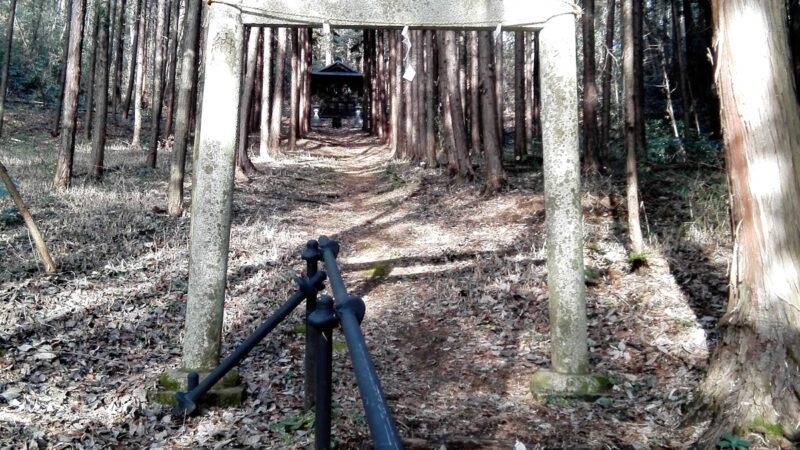
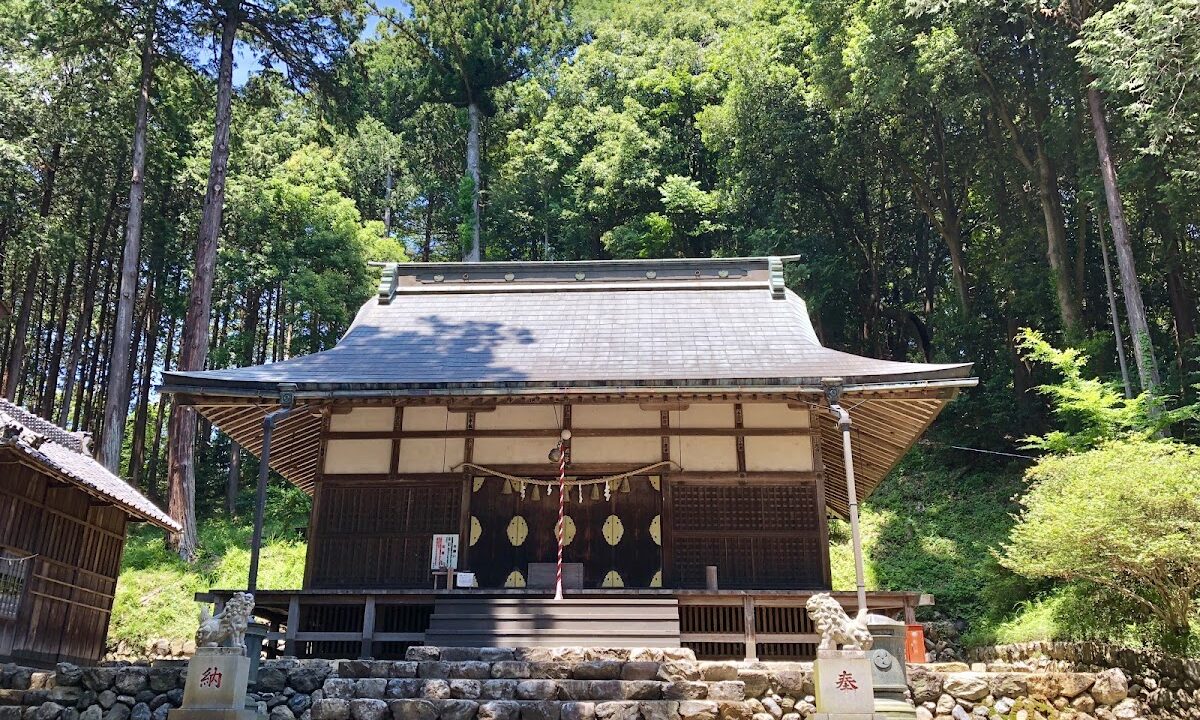
The shrine building of Nariki Shrine stands in a quiet mountain setting. Surrounded by abundant nature, visitors can enjoy the scenery of each season. Especially during the autumn foliage season, the shrine grounds are enveloped in beautiful colors.
Atmosphere of the Approach and Shrine Grounds
The approach to the shrine, built to follow the terrain of the Nariki district, guides visitors into a serene world of faith. Located in a mountainous area away from the city center, it offers a peaceful pilgrimage away from the hustle and bustle. Ancient trees can be seen within the shrine grounds, creating an atmosphere that evokes a long history.
Natural Environment
The Nariki district of Ome City is blessed with abundant nature. Forests spread around Nariki Shrine, welcoming visitors with refreshing air and tranquility. It is a precious environment where one can experience deep nature despite being within Tokyo.
Annual Festival and Events
Annual Festival (Second Sunday of October)
The annual festival of Nariki Shrine is held every year on the second Sunday of October. This is the most important festival for the shrine, where gratitude is offered to the enshrined deity and prayers are prayed for peace and prosperity in the region. Local people gather, and traditional Shinto rituals are solemnly performed.
Other Annual Events
At Nariki Shrine, various Shinto rituals are performed throughout the year, in addition to the annual festival. Annual events common to Japanese shrines, such as the New Year’s Day Festival, the Setsubun Festival, and the Summer Purification Ceremony, support the local faith.
Access
Access by Public Transportation
The nearest stations to Nariki Shrine by public transportation are Ozaku Station or Kawabe Station on the JR Ome Line. However, the shrine is some distance from the stations, so using a bus or taxi is recommended.
Get off at JR Ome Line “Ozaku Station” or “Kawabe Station”
Take a Nishi-Tokyo Bus bound for Nariki and get off at the Nariki bus stop. It’s about a 5-10 minute walk from there. Since bus service is limited, it’s recommended to check the timetable in advance.
Access by Car
If traveling by car, take the Ken-O Expressway to the “Ome Interchange” and then head towards Nariki via National Route 411 (Ome Kaido). It’s about a 1 hour and 30 minute drive from the city center. We recommend checking parking availability in advance.
Main Routes:
- Approximately 20 minutes from the Ken-O Expressway “Ome IC” via National Route 411
- Approximately 40 minutes from the Chuo Expressway “Hachioji IC” via National Route 411
Etiquette for Visiting a Shrine
There are basic etiquette rules for visiting a shrine. When visiting Nariki Shrine, please observe the following etiquette.
How to Pass Through the Torii Gate
The torii gate is the entrance to the sacred area. Before passing through the torii gate, bow to show respect for entering the sacred area. Since the center of the path is considered the path of the gods, it is polite to walk along the side.
How to Wash Your Hands
Purify your body and mind at the water basin. Take the ladle with your right hand and wash your left hand, then switch the ladle to your left hand and wash your right hand. Switch the ladle back to your right hand, receive water in your left hand, and rinse your mouth. Finally, stand the ladle upright and cleanse the handle.
Worship at the Main Hall
The basic procedure at the main hall is “two bows, two claps, one bow.” First, offer your donation, and if there is a bell, ring it. Bow deeply twice, clap your hands twice, and put your hands together in prayer. Finally, bow deeply once.
About Goshuin (Shrine Seals)
One of the joys of visiting shrines is collecting Goshuin. Goshuin are given as proof of worship, and the name of the shrine and the date of visit are written in ink. It may be possible to receive a Goshuin at Nariki Shrine, but since there may not always be a permanent shrine office, it is recommended to check in advance.
Shrines belonging to the Tokyo Metropolitan Shrine Association each offer their own unique Goshuin. Bring your Goshuincho (stamp book) and politely request one at the shrine office after your visit. It’s important to remember that Goshuin (temple/shrine stamps) are a memento of your visit, not a collection.
About the Nariki Area
Local History
The Nariki area is located in the northern part of Ome City and has long flourished as a forestry region. While there are various theories about the origin of the name “Nariki,” it is thought to reflect its history as a timber-producing area. During the Edo period, it played an important role as a post town on the Ome Highway and as a center of the forestry industry.
Nature and Tourism
The Nariki area is blessed with abundant nature and is known as a spot for hiking and nature walks. Especially during the seasons of fresh greenery in spring and autumn foliage, many people visit to enjoy nature. You can enjoy the local nature in conjunction with a visit to Nariki Shrine.
Tokyo Metropolitan Shrine Association and Shrine Network
Nariki Shrine belongs to the Tokyo Metropolitan Shrine Association. The Tokyo Metropolitan Shrine Association is an organization that oversees approximately 1,400 shrines in Tokyo, and is responsible for the maintenance and management of shrines, the training of Shinto priests, and the preservation of traditional culture.
The Nishitama region is home to many shrines besides Nariki Shrine, each preserving the history and culture of the area. Visiting these shrines allows you to experience the lesser-known history and culture of Tokyo.
Nearby Attractions
Tourist Spots in Ome City
When visiting Nariki Shrine, you can also explore other tourist spots in Ome City. Ome city retains a retro Showa-era streetscape, and the shopping street adorned with movie posters is popular. There are also plenty of hiking trails, including those around Mount Mitake and the Takamizu Three Peaks.
Nearby Shrines
Ome City is home to many historical shrines, including Musashi Mitake Shrine. Those enjoying shrine hopping are encouraged to visit other shrines in addition to Nariki Shrine.
Precautions When Visiting a Shrine
Clothing and Belongings
When visiting a shrine, clean and subdued attire is desirable. Especially when performing a formal worship service or receiving prayers, formal attire is recommended. Wear comfortable shoes and remember to take appropriate precautions against the cold or heat depending on the season.
Visiting Hours
Shrines are generally recommended to be visited during the daytime. While early mornings and evenings offer a refreshing atmosphere, avoid visiting after dark. Since the opening hours of the shrine office may be limited, it’s necessary to check in advance if you wish to obtain a Goshuin (shrine stamp) or amulet.
Manners and Attitude
Shrines are sacred places. Refrain from making loud noises or running around the grounds. Photography is generally permitted, but it’s considered good manners to refrain from taking pictures inside the shrine buildings or during religious ceremonies. Regarding bringing pets, regulations vary by shrine, so check beforehand.
The Charm and Value of Nariki Shrine
The greatest charm of Nariki Shrine lies in its history dating back to the Sengoku period and its tranquil atmosphere nestled amidst a rich natural environment. Despite being located in a mountainous area far from the city center, it possesses historical and cultural value as a rare shrine where one can experience Kumano faith within Tokyo.
The history of inviting Kumano Gongen is important evidence of the spread of faith in the Middle Ages and is a valuable resource for understanding the region’s history. Furthermore, its continued devotion to the local community as the tutelary deity embodies the original role of a shrine.
Summary
Nariki Shrine is a historic shrine located in the Nariki district of Ome City, Tokyo, founded in 1571. It enshrines Izanami-no-Mikoto, Kotoshikao-no-Mikoto, and Hayatama-no-Mikoto, the three Kumano deities, having been invited from Kishu Kumano Gongen. It has a history dating back to its founding by the Sengoku period warlord Kizaki Mimasa, and has long been revered as the tutelary deity of the region.
The tranquil environment surrounded by abundant nature provides a precious space for peaceful worship, away from the hustle and bustle of the city. The annual festival is held on the second Sunday of October and is a traditional local event.
Access is convenient by bus from the JR Ome Line station or by car. When visiting, please observe basic shrine etiquette and approach the enshrined deity with reverence. Nariki Shrine, belonging to the Tokyo Metropolitan Shrine Association, is an important shrine that conveys the history and culture of the Nishitama region, and will continue to walk alongside the local people for many years to come.
When you visit Ome City, be sure to visit Nariki Shrine and experience the atmosphere of the historical Kumano faith and the tranquil air unique to the mountainous region.